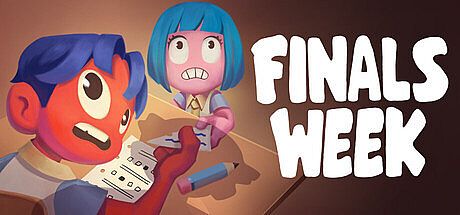


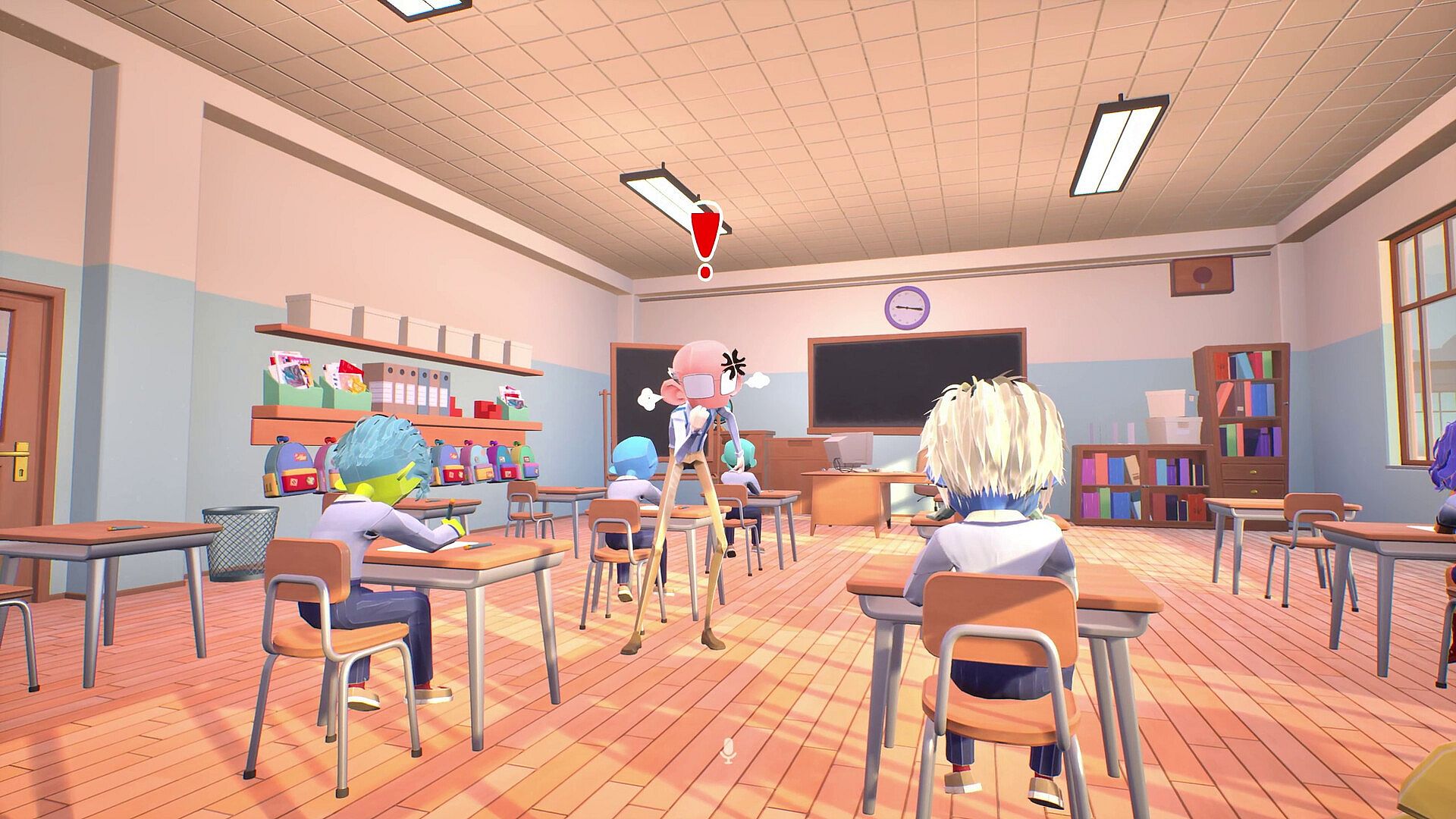
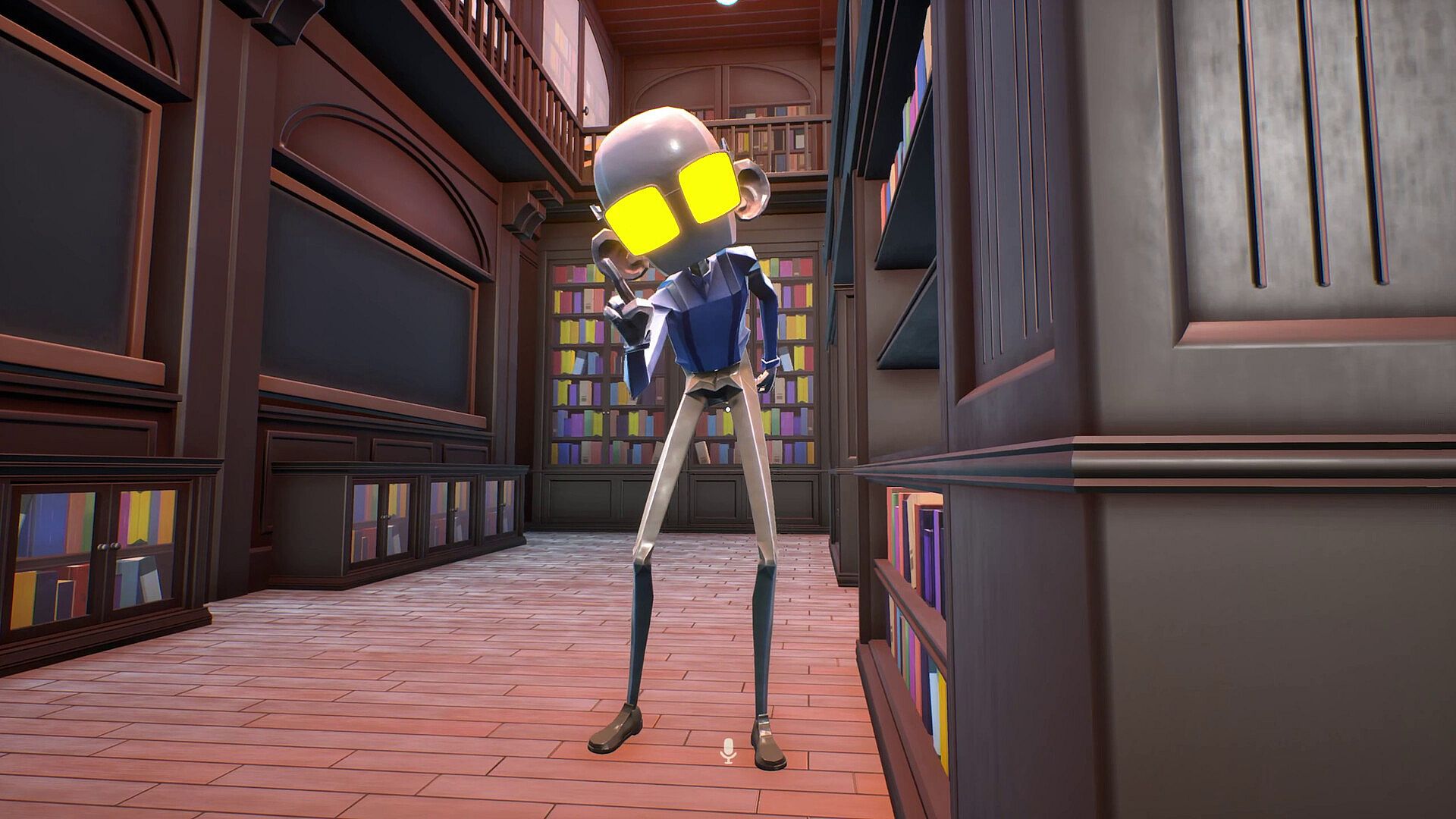
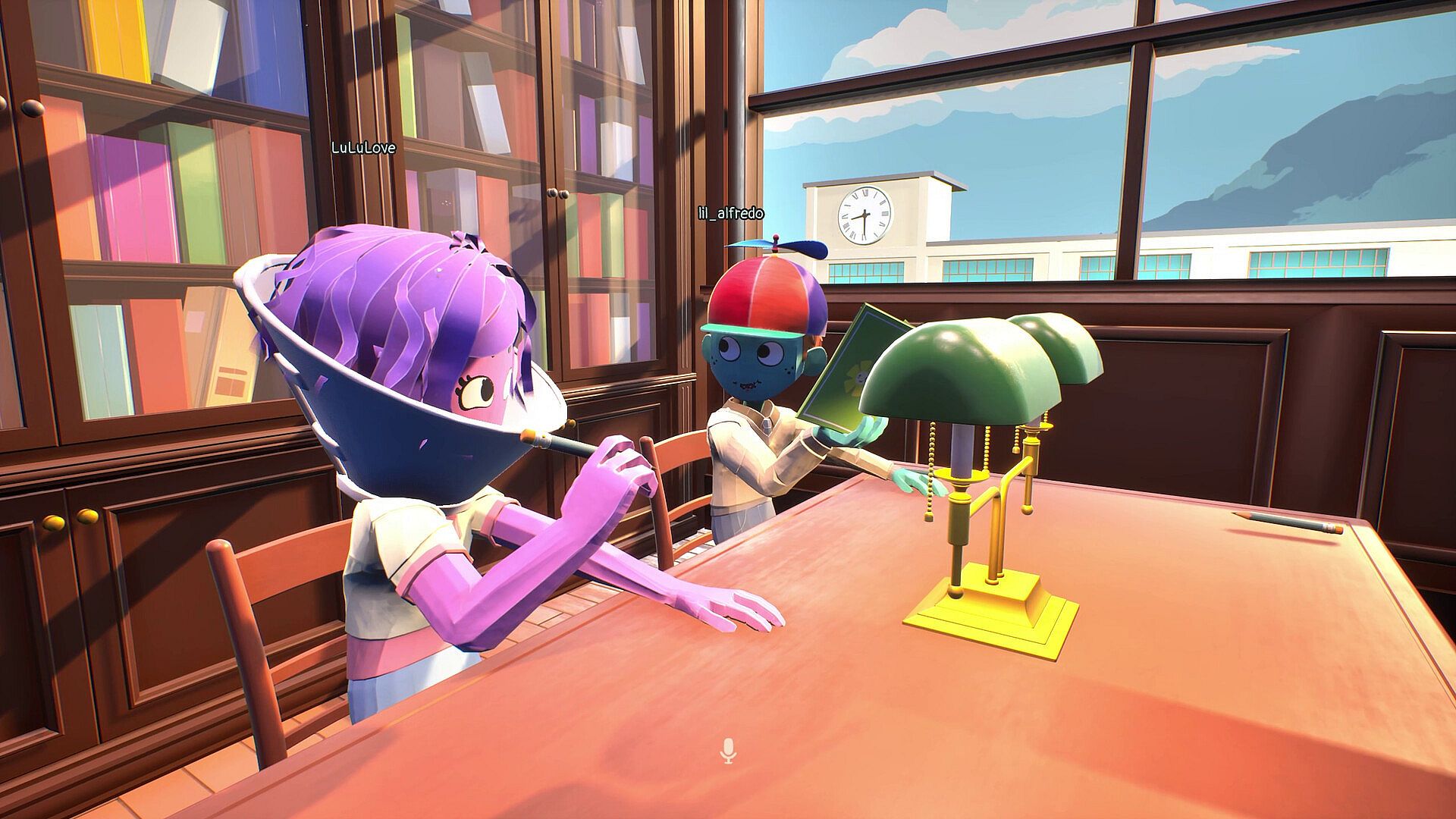
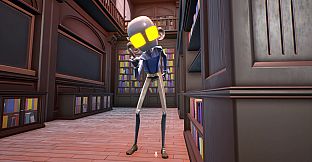
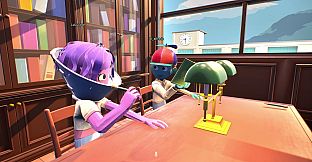
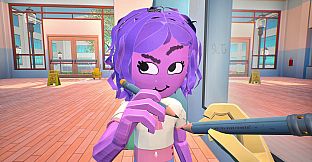
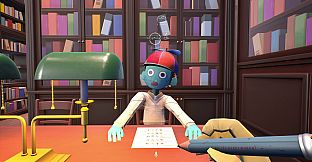
Finals Week è un gioco cooperativo di azione e avventura ambientato in una scuola durante il periodo degli esami. I giocatori collaborano per superare le prove senza studiare, sfruttando furtività, coordinazione e metodi di copiatura improvvisati, evitando di farsi scoprire dall'insegnante che pattuglia l'aula.
Gameplay
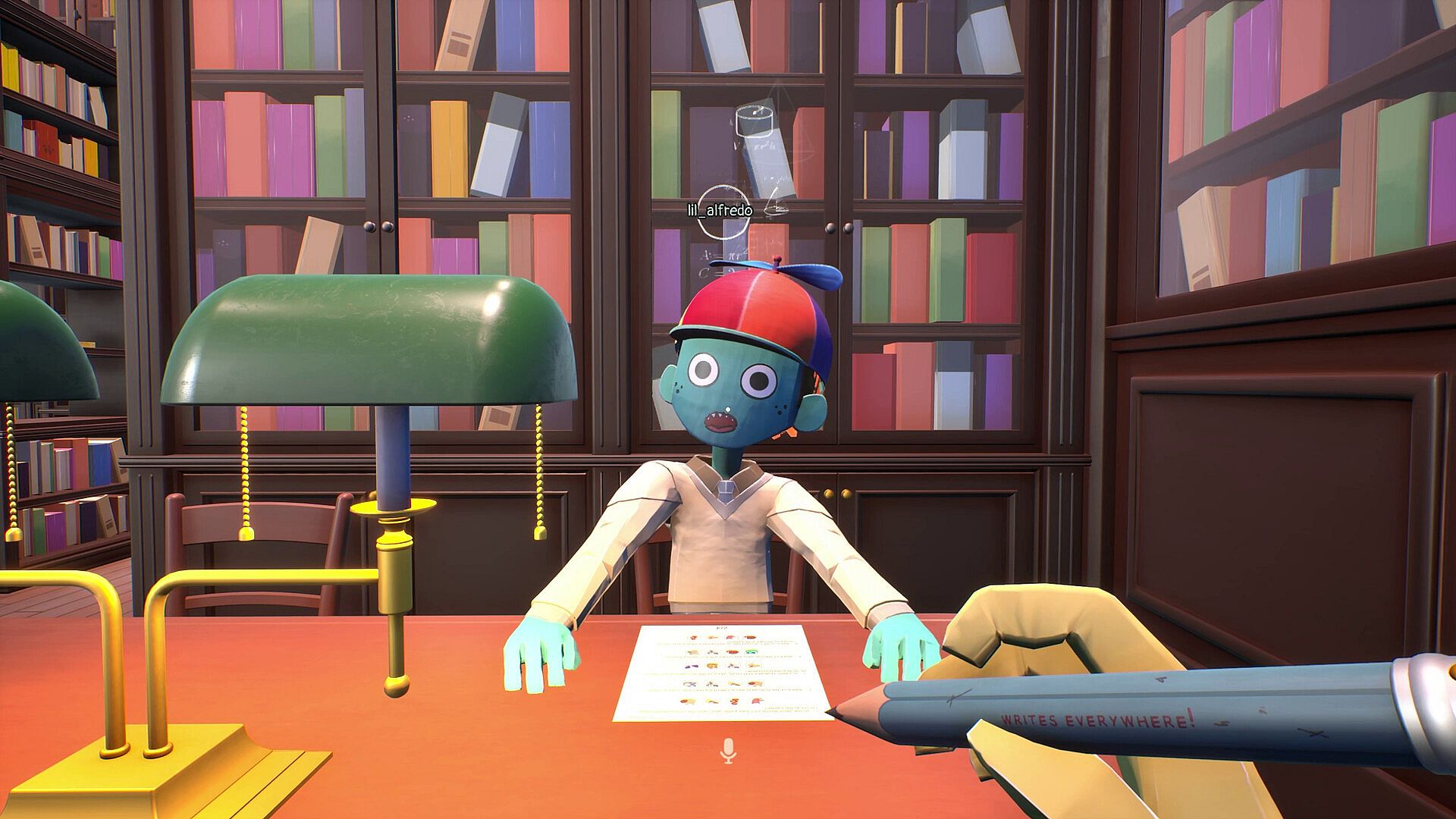
Il cuore dell'esperienza consiste nel muoversi tra banchi affollati di studenti preparati. I partecipanti possono sbirciare le risposte altrui o neutralizzare temporaneamente i compagni più restii per accedere alle informazioni. I libri di testo sparsi per l'ambiente fungono da risorse portatili da trasportare e condividere con il gruppo.
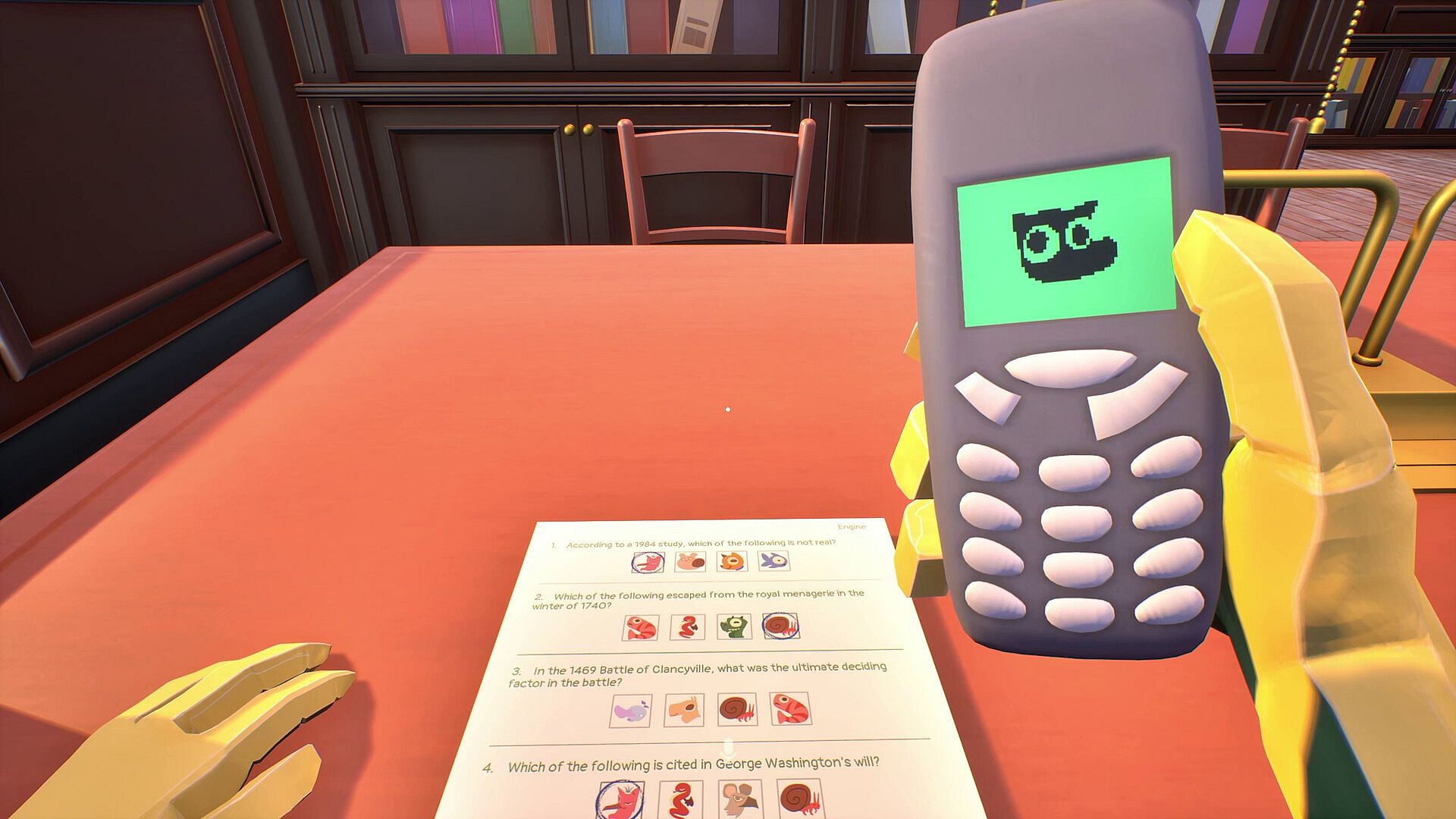
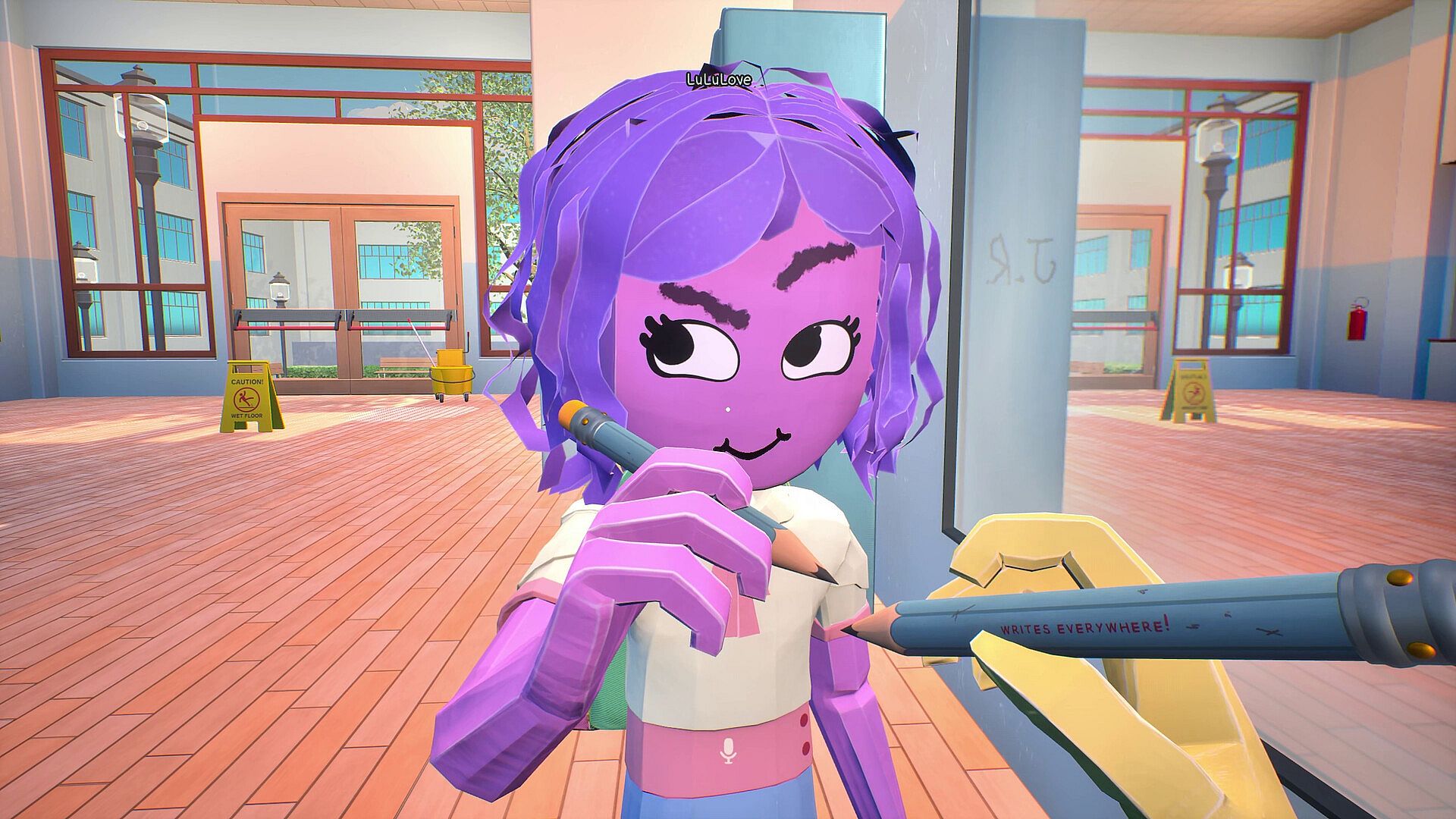
Strumenti come walkie-talkie, cellulari e binocoli permettono di coordinarsi a distanza. Le risposte vengono trascritte su fogli che circolano tra i compagni o segnate su muri e persino su altri personaggi per consultazioni rapide. L'insegnante si muove per l'aula e reagisce ai comportamenti sospetti lanciando gomme con precisione, costringendo il gruppo a restare in movimento e coordinato.
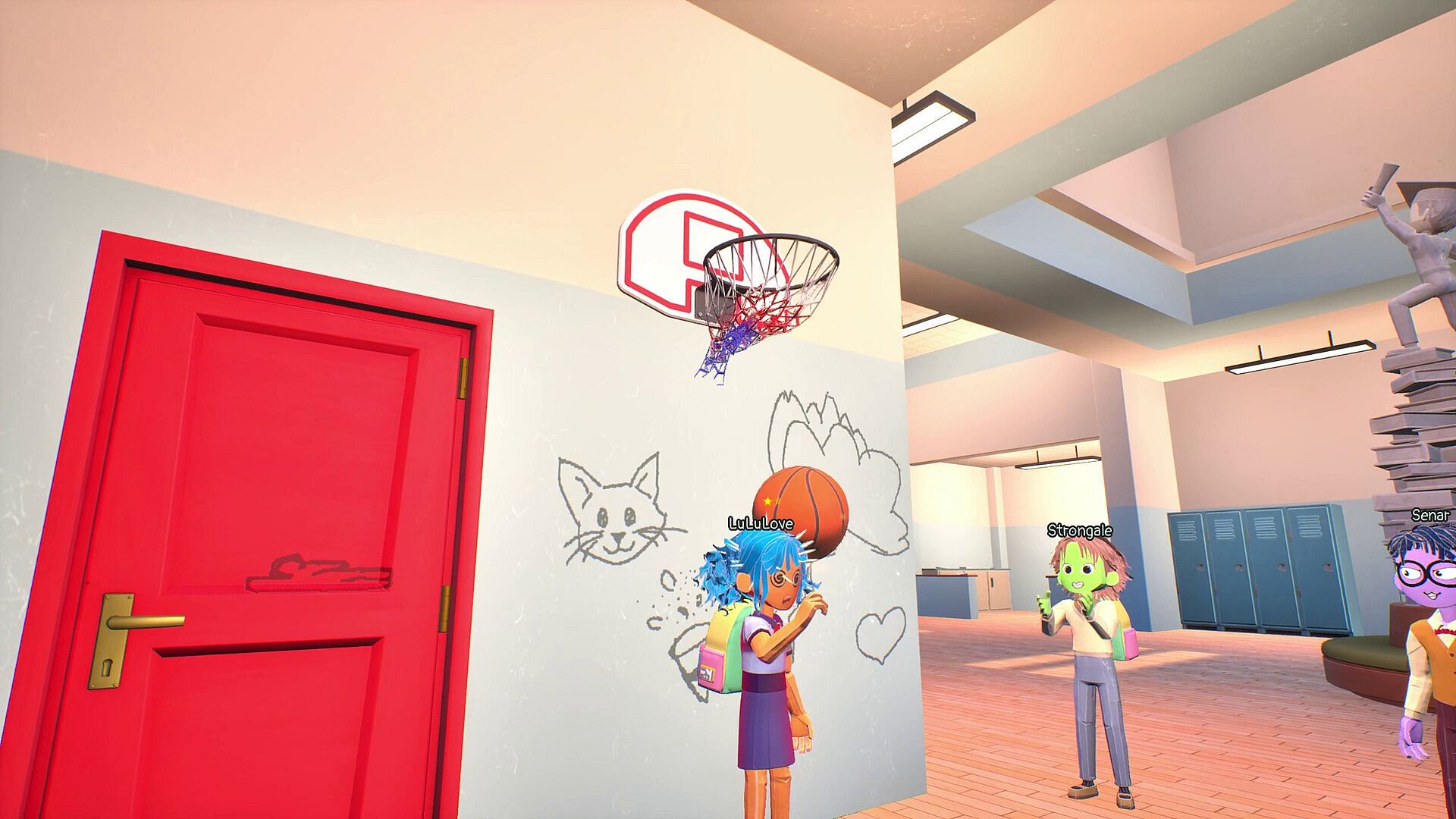
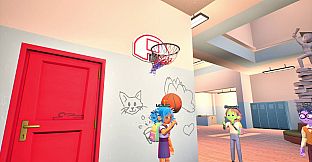
Chi viene scoperto subisce limitazioni al movimento e alla visuale. Tra un compito e l'altro il gruppo si sposta nel corridoio, dove attività leggere come tiri a canestro o palleggi offrono brevi pause e momenti per pianificare la fase successiva.
Modalità di gioco
L'esperienza principale prevede una serie di esami sempre più difficili da affrontare insieme in aule condivise. Il successo dipende dalla performance collettiva: l'intero gruppo avanza o fallisce insieme. Non sono previste modalità competitive o in solitario.
Il corridoio funge da area di intermezzo tra un round e l'altro, consentendo movimento libero e interazioni leggere prima del compito successivo. La struttura si basa su cicli ripetuti di preparazione, esecuzione e recupero all'interno dello stesso edificio scolastico.
Strumenti per copiare e ambiente
Gli oggetti a disposizione vanno dagli strumenti di scrittura base a dispositivi elettronici che ampliano il campo visivo e le comunicazioni. I binocoli permettono di leggere risposte lontane, mentre telefoni e radio tengono informati i compagni senza attirare attenzioni. L'aula offre banchi, corridoi e nascondigli che premiano posizionamento e tempismo accurati.
È possibile scrivere su qualsiasi superficie, trasformando l'ambiente in una rete condivisa di informazioni. Gli altri studenti rappresentano sia ostacoli sia risorse: i loro appunti possono essere consultati o sottratti tramite osservazione o interventi diretti.
Personalizzazione e progressione
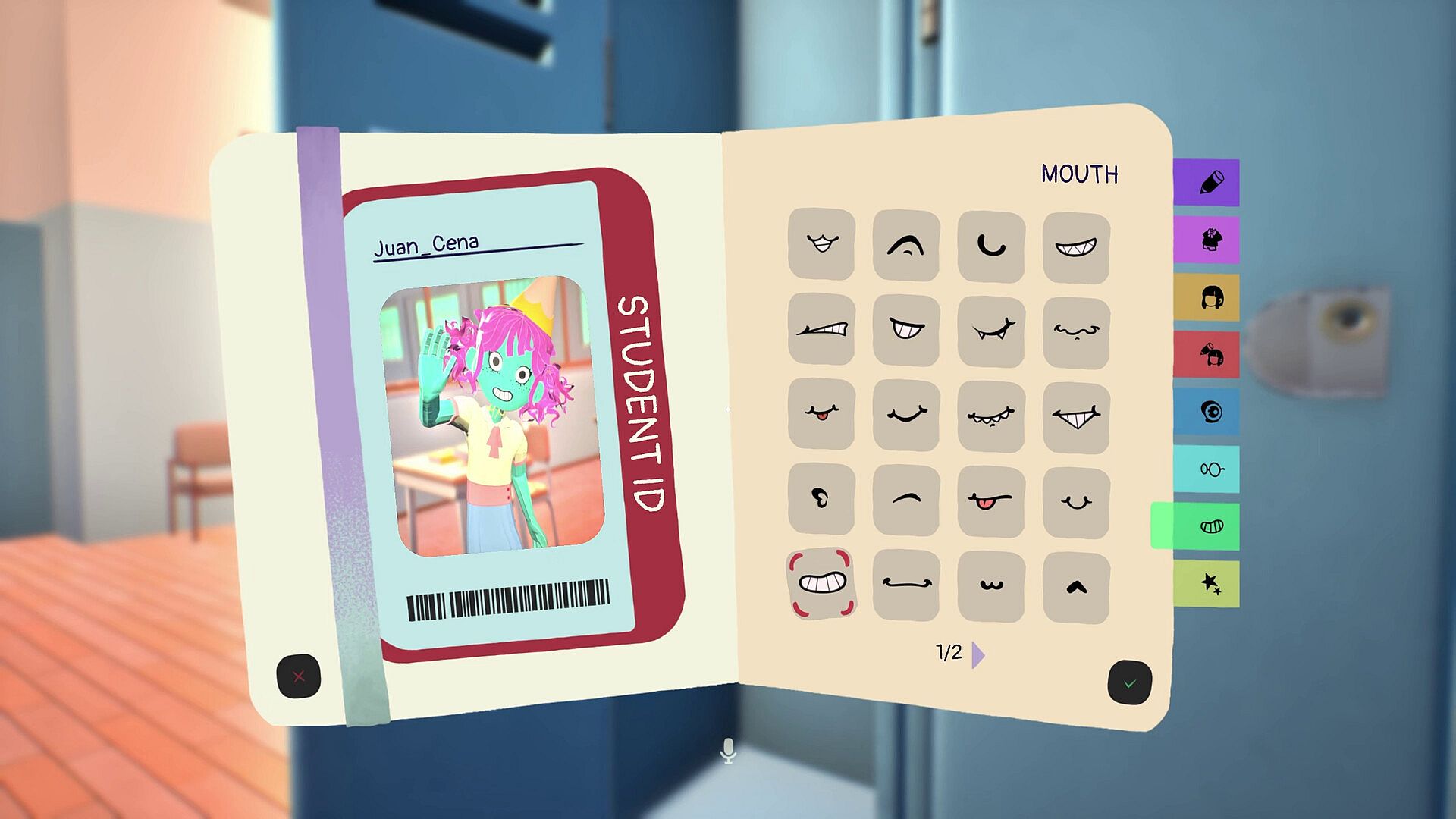
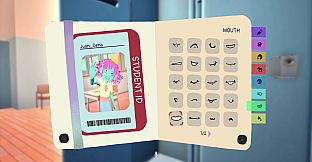
Il completamento degli esami sblocca nuovi capi di abbigliamento e accessori per personalizzare l'aspetto del personaggio. Questi cambiamenti estetici permettono di esprimere uno stile personale all'interno del gruppo senza influenzare le meccaniche di gioco.
Il sistema incentiva le sessioni ripetute per collezionare outfit diversi, anche se l'attenzione resta concentrata sulla sfida cooperativa di copiatura piuttosto che sulla crescita del singolo.
Vale la pena giocarci?
Il titolo si rivolge a chi apprezza lo stealth cooperativo e le sfide party basate su un lavoro di squadra umoristico e ad alto rischio. L'enfasi su coordinazione, prontezza e piccoli atti di sabotaggio ambientale si adatta a gruppi in cerca di sessioni brevi e ripetibili piuttosto che di campagne lunghe in singolo.
Poiché il gioco è ancora in fase di sviluppo e non sono disponibili data di uscita né feedback dei giocatori, la decisione di provarlo dipenderà dall'interesse verso il ciclo cooperativo descritto una volta che sarà disponibile. La combinazione di azione, avventura e presentazione indie lo posiziona per un pubblico attratto da concetti multiplayer non convenzionali rispetto alle formule di genere tradizionali.