




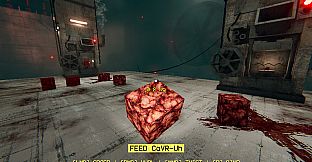
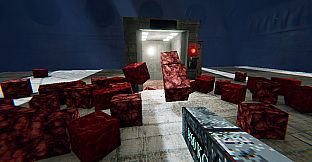
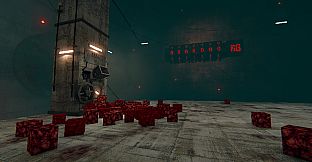
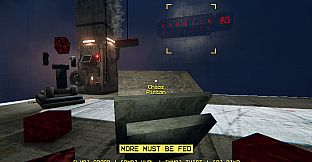
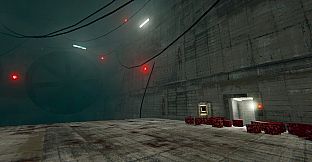
FEAST is a simulation adventure game set inside a forgotten megastructure where players manage a feeding system by producing and delivering nutrients to residents on successive floors. The core experience revolves around physics-based contraptions that handle production and transport tasks in a single-player environment on PC.
Gameplay
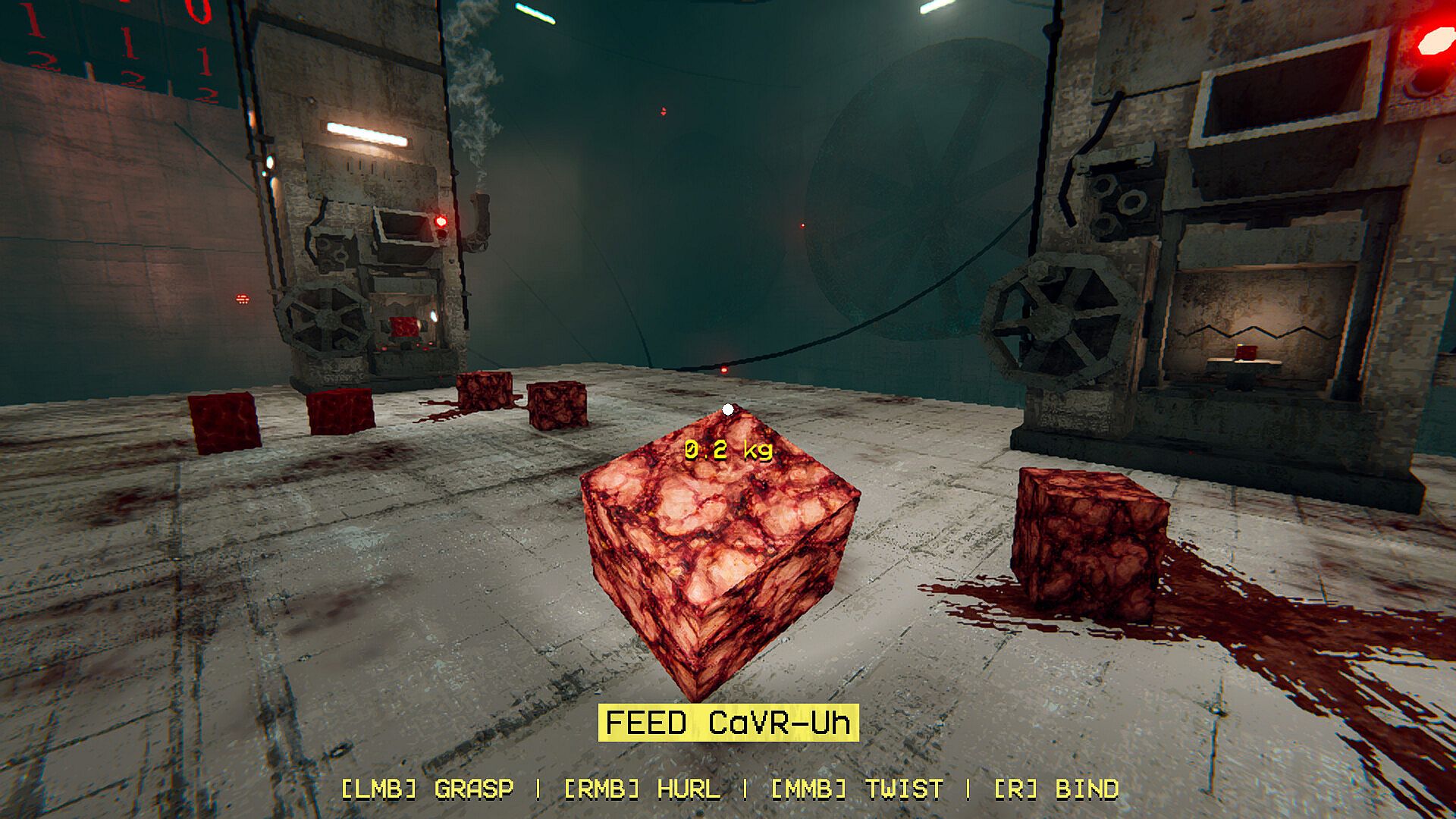
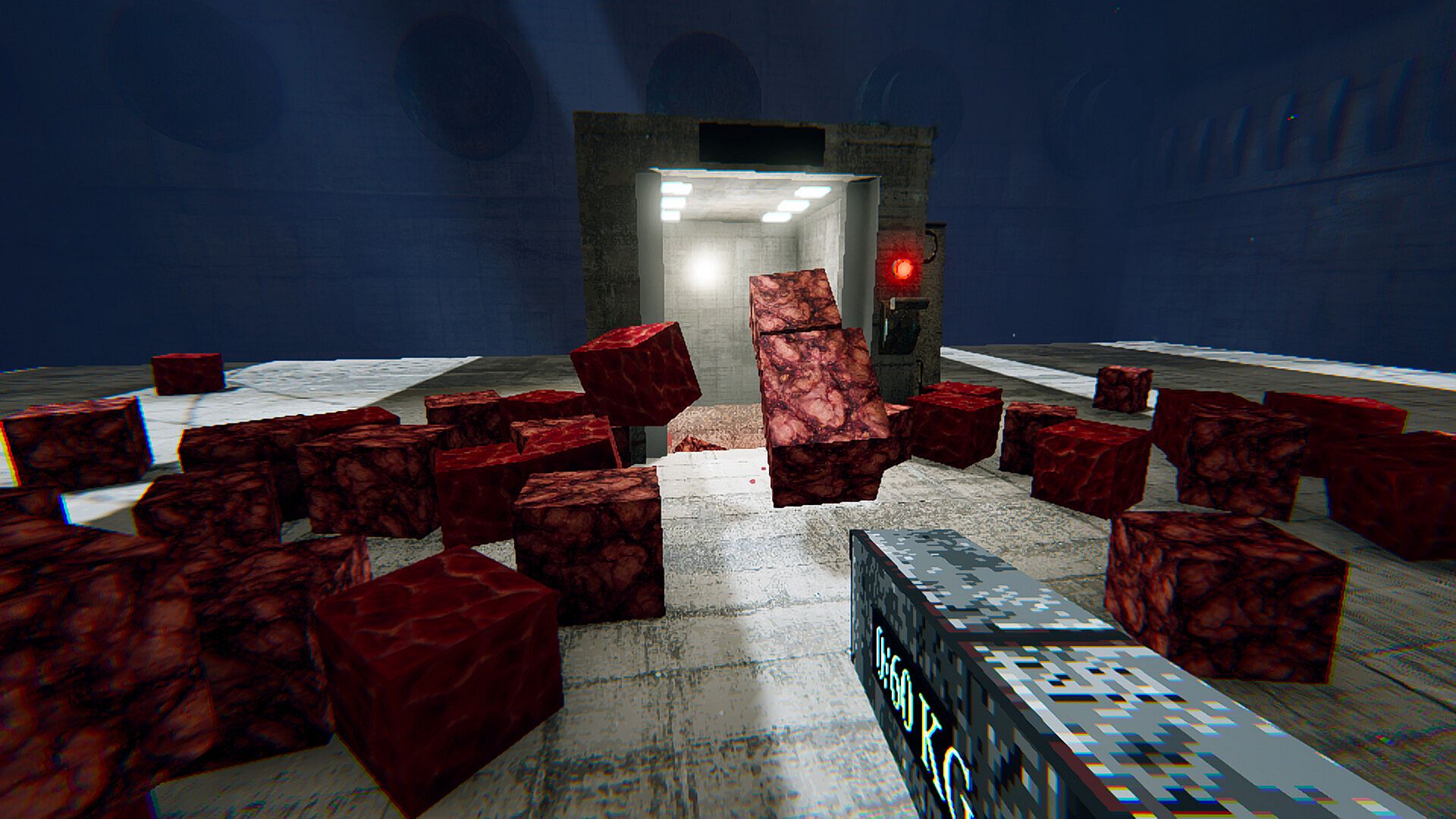
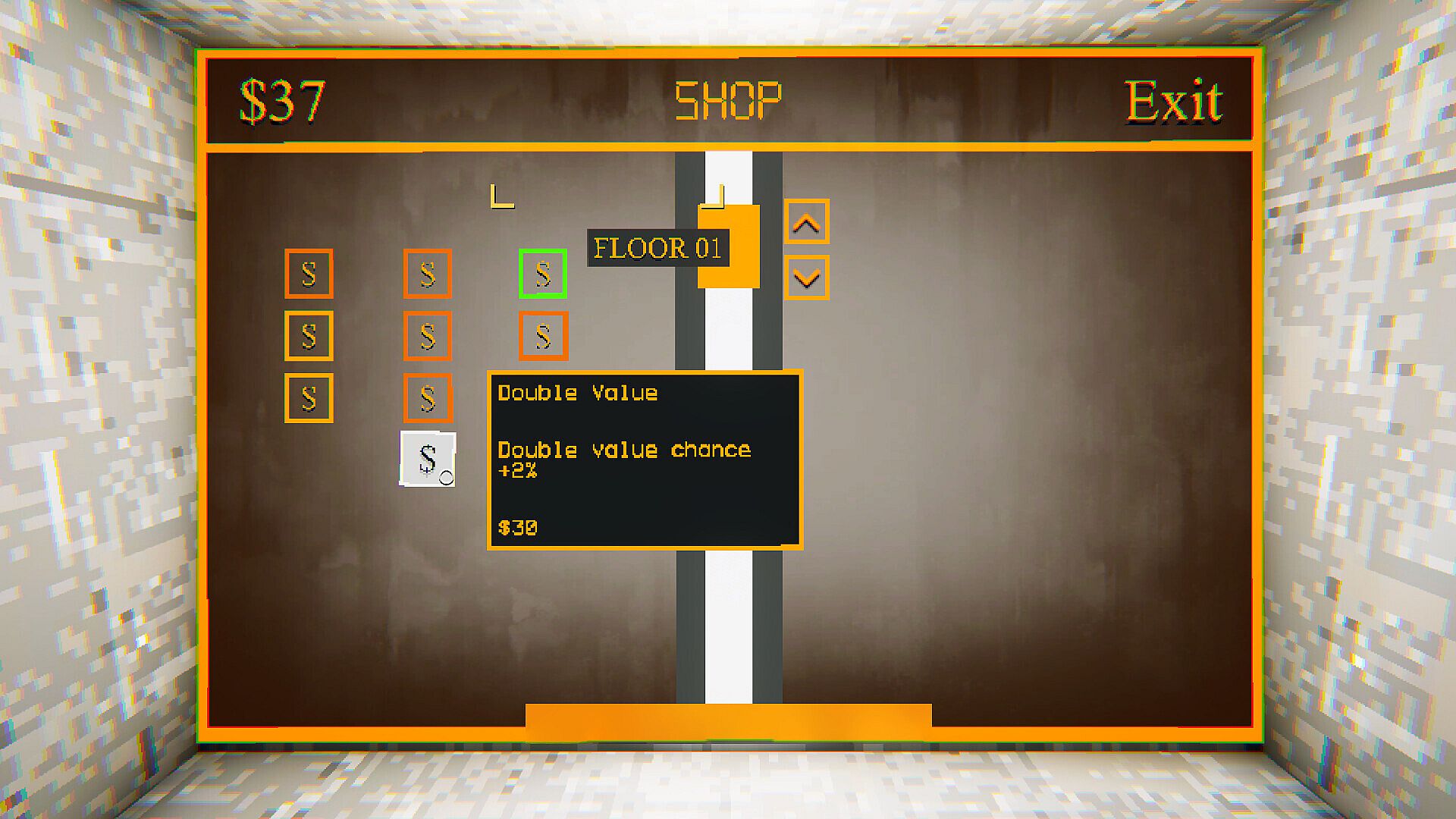
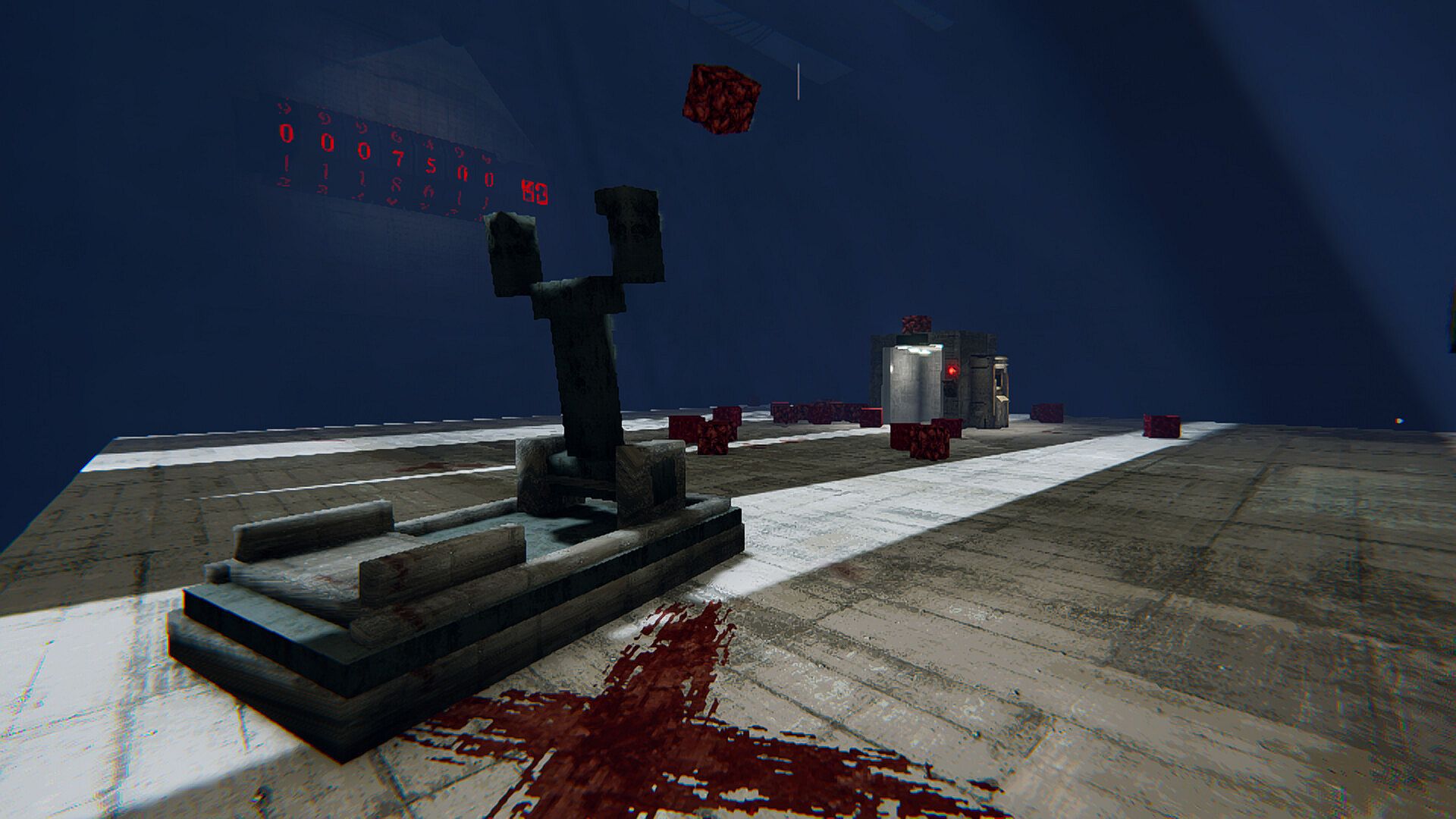
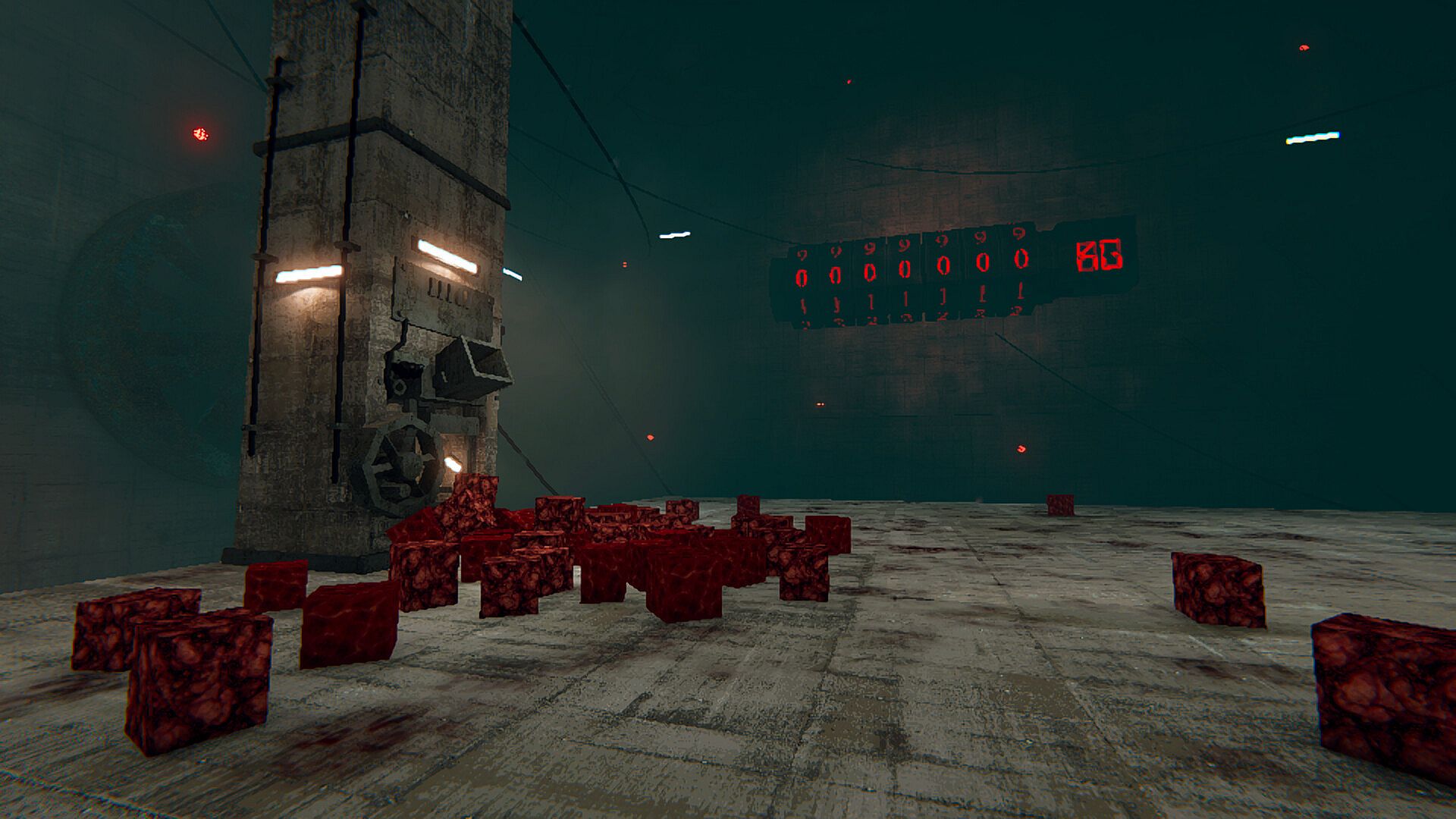
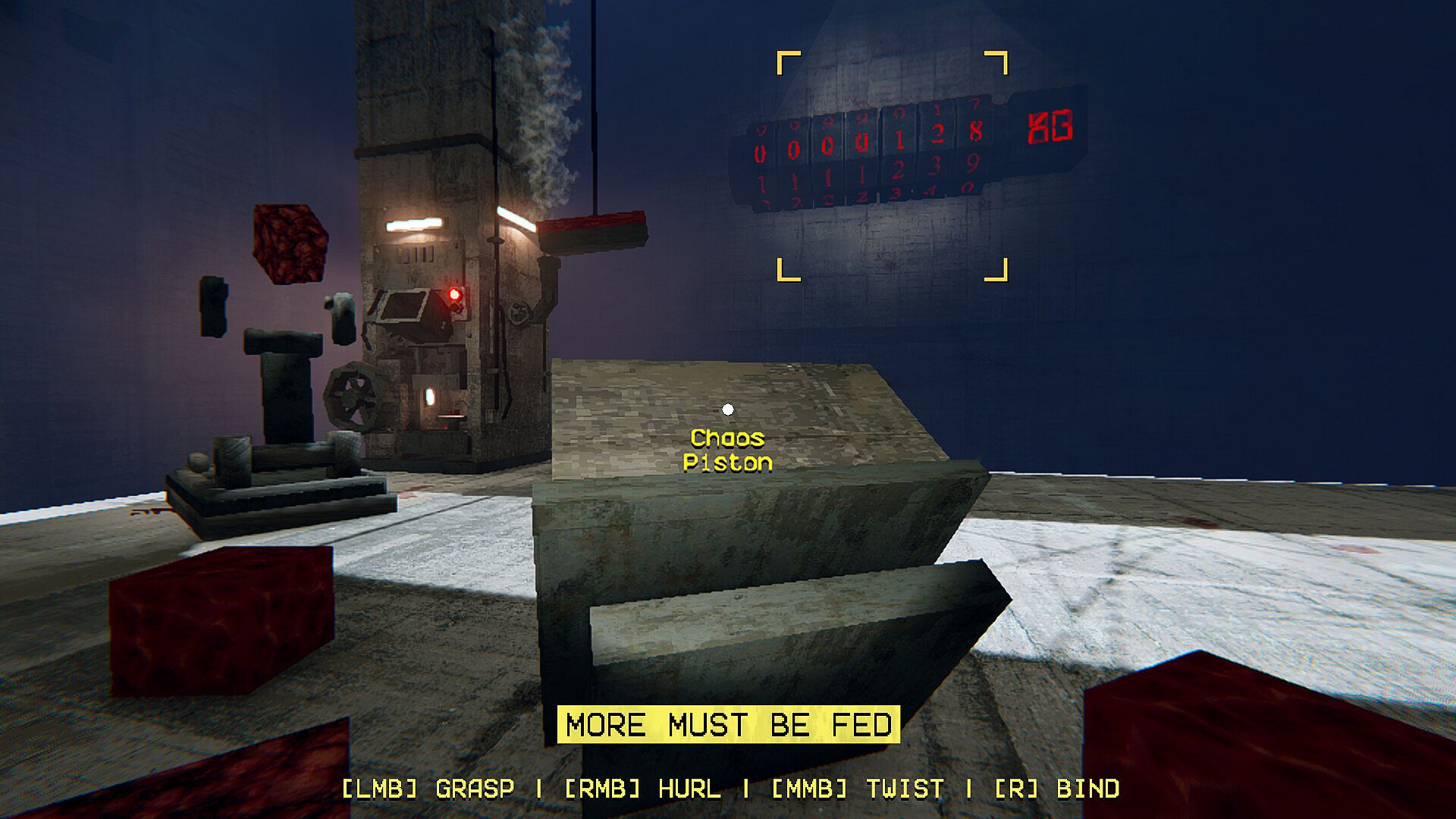
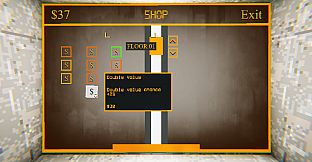
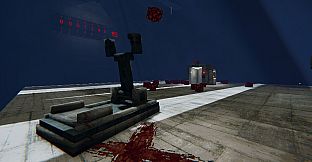
The central loop requires players to meet feeding quotas on each floor using tools and machines that interact through realistic physics. Different floor layouts introduce unique obstacles, forcing adjustments in how contraptions are arranged and operated. Upgrades provide options for greater efficiency, while automated machines handle repetitive steps once set up correctly. Tools such as the vacuum launcher, mini catapult, and pistons allow precise control over nutrient movement and placement. Progression involves descending deeper after each completed cycle, with new abilities unlocking to handle increased complexity.
Controls support direct interaction through movement, grabbing, and throwing actions. Players must adapt setups to the specific challenges of the current floor rather than relying on a single approach. The emphasis stays on experimentation with physical interactions to optimize delivery without wasting resources or failing quotas.
Game Modes
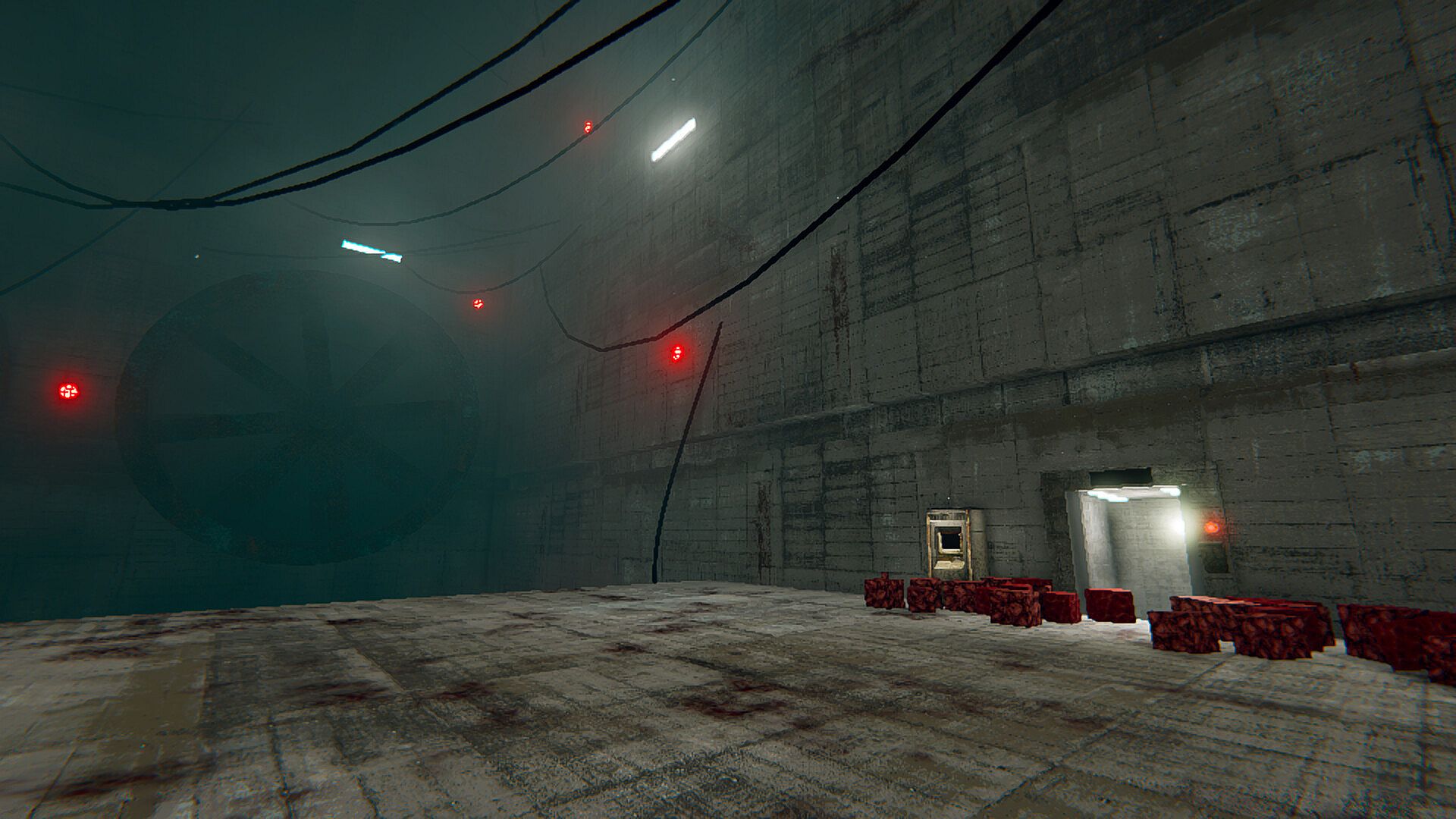
FEAST structures its content around sequential floors that function as distinct challenge stages. Each floor presents a fresh layout and set of requirements, building on previous successes through cumulative upgrades and abilities. There are no separate competitive or cooperative modes confirmed. The experience remains focused on solo progression through the megastructure, with cycles advancing the player downward as quotas are fulfilled.
Automation elements allow for hands-off production once machines are positioned effectively, shifting attention toward planning and troubleshooting across floors. This creates a steady increase in scope without branching into unrelated play styles.
Key Mechanics and Progression
Physics simulation drives every interaction, from launching nutrients across distances to using pistons for precise pushing or blocking. Upgrades expand the range of viable strategies, letting players choose between manual precision or expanded automation depending on the floor's demands. New abilities gained during descent further support efficiency, such as improved tool handling or additional machine types.
The system rewards careful observation of how objects behave under gravity, momentum, and collisions. Meeting the quota consistently unlocks the path to lower levels, where layouts grow more intricate and demand refined setups. This incremental advancement keeps the focus on refining production lines and delivery routes.
Who the Game Appeals To
Players interested in simulation titles that combine puzzle-solving with incremental upgrades will find the floor-by-floor structure engaging. The physics emphasis suits those who enjoy experimenting with contraptions rather than following rigid instructions. Adventure elements emerge through exploration of the megastructure and the satisfaction of optimizing each new environment.
Those seeking fast-paced action or narrative-driven experiences may find the deliberate pace less suitable. The game prioritizes mechanical depth and adaptation over story or combat systems.
Is It Worth Playing?
FEAST remains in development with a Steam release listed as coming soon. Available feedback from early versions highlights enjoyment of the physics interactions and anticipation for further content. The single-player focus and upgrade-driven progression provide a clear loop for fans of automation and contraption-building games.
Prospective players should consider their preference for physics puzzle elements and steady mechanical refinement. With limited completed content at present, the game suits those willing to follow its development for expanded floors and abilities. The verified features align well with simulation enthusiasts who value experimentation over broad variety in modes.












