


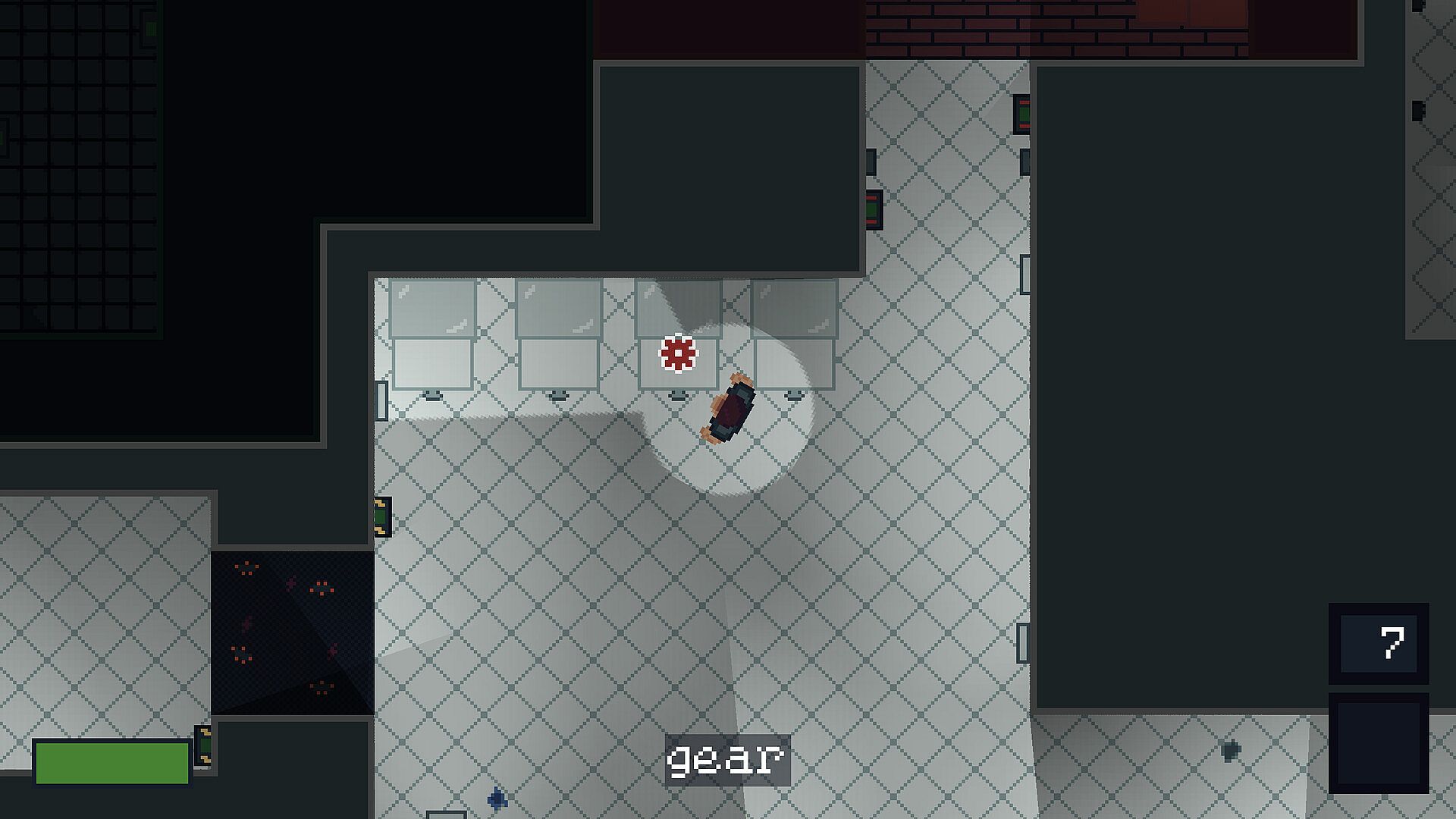
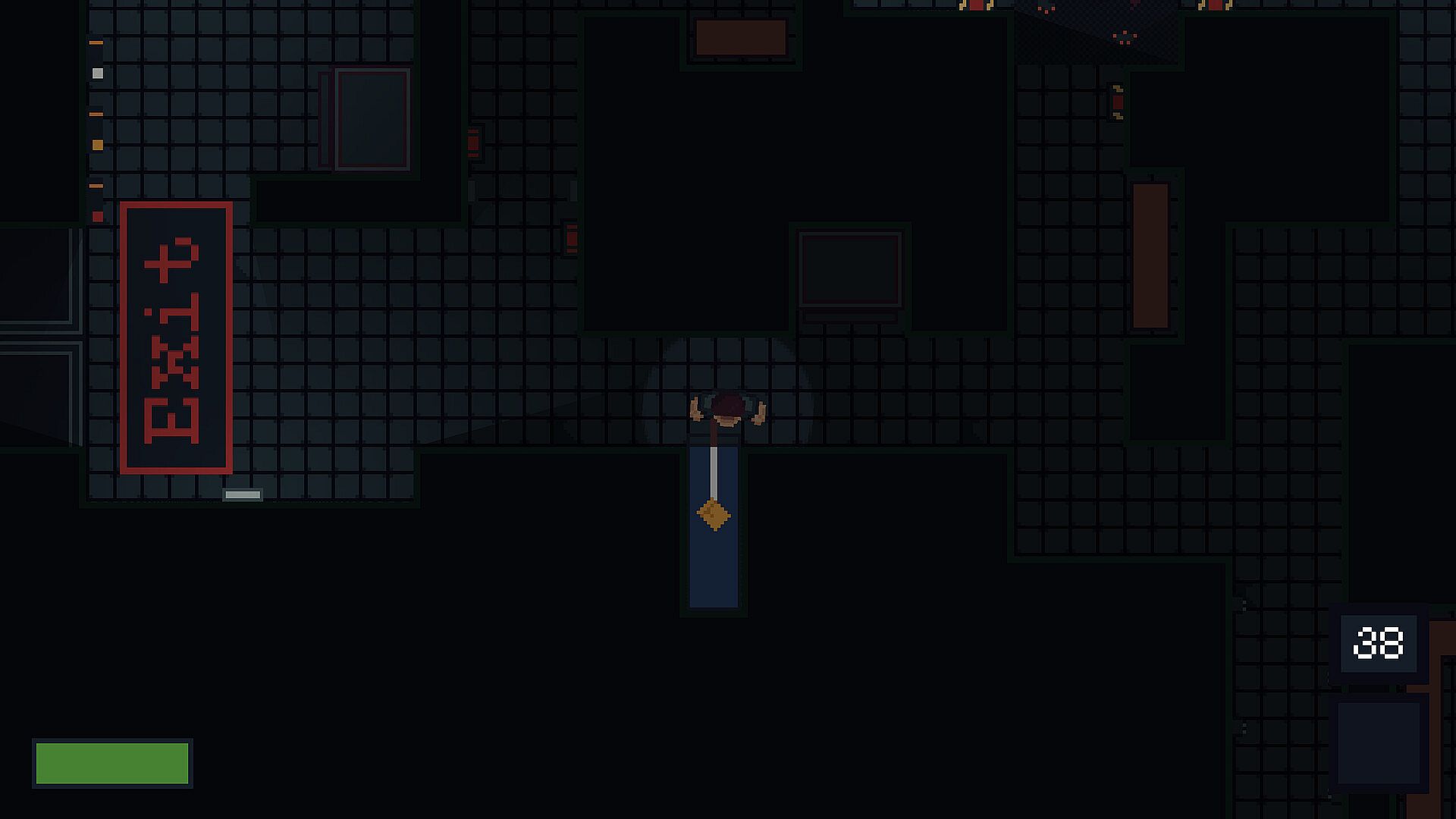
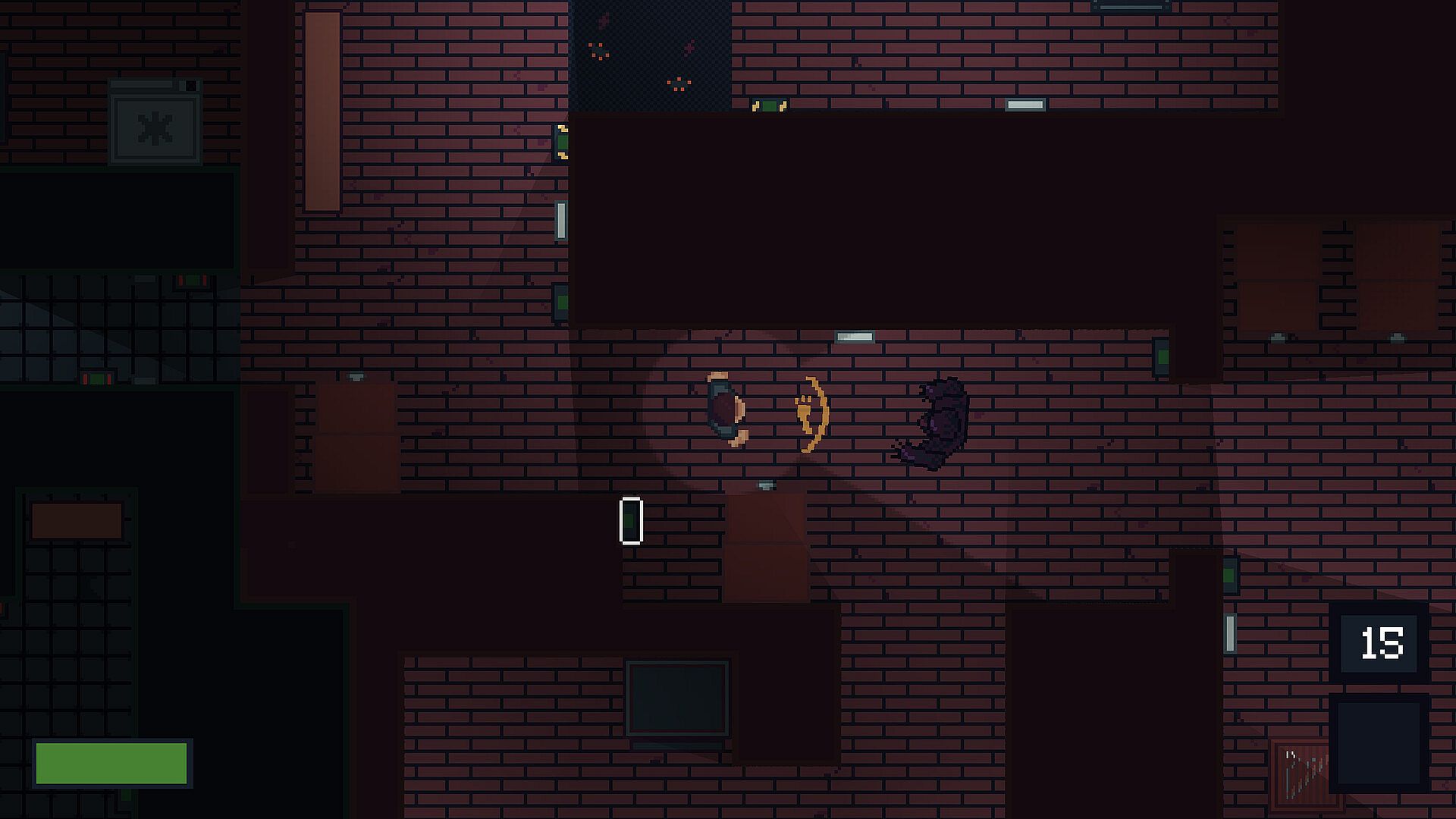
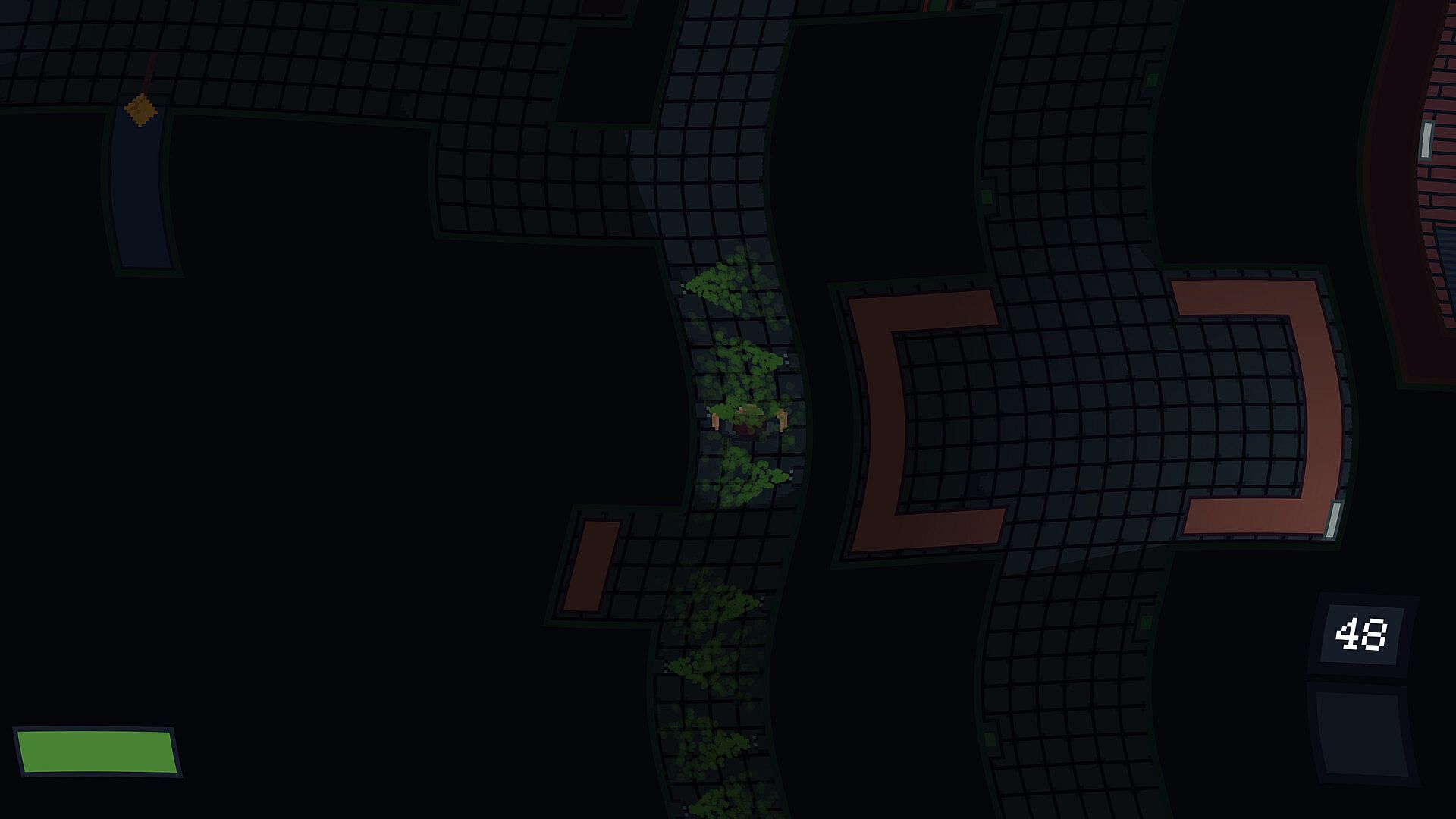
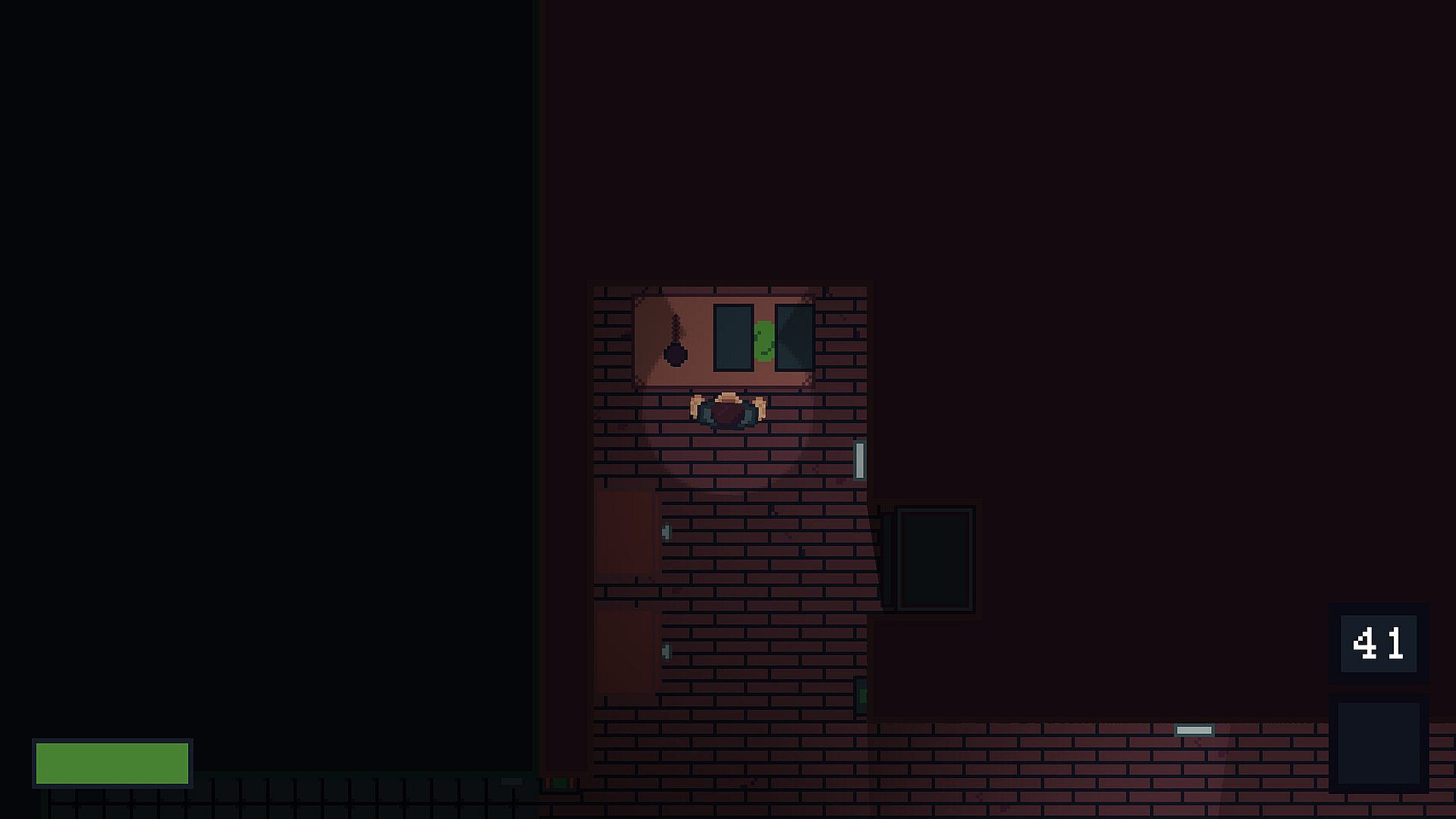
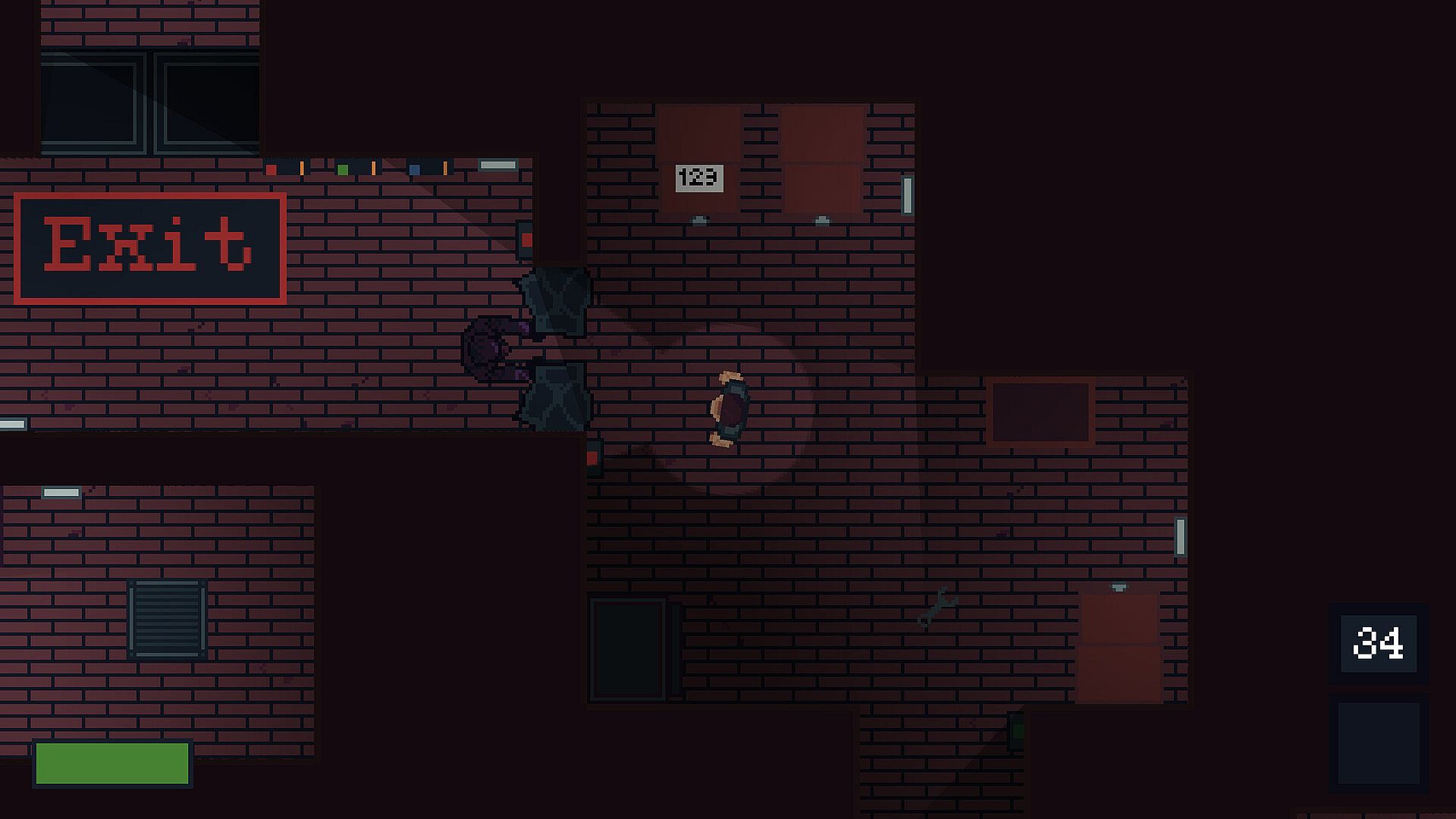
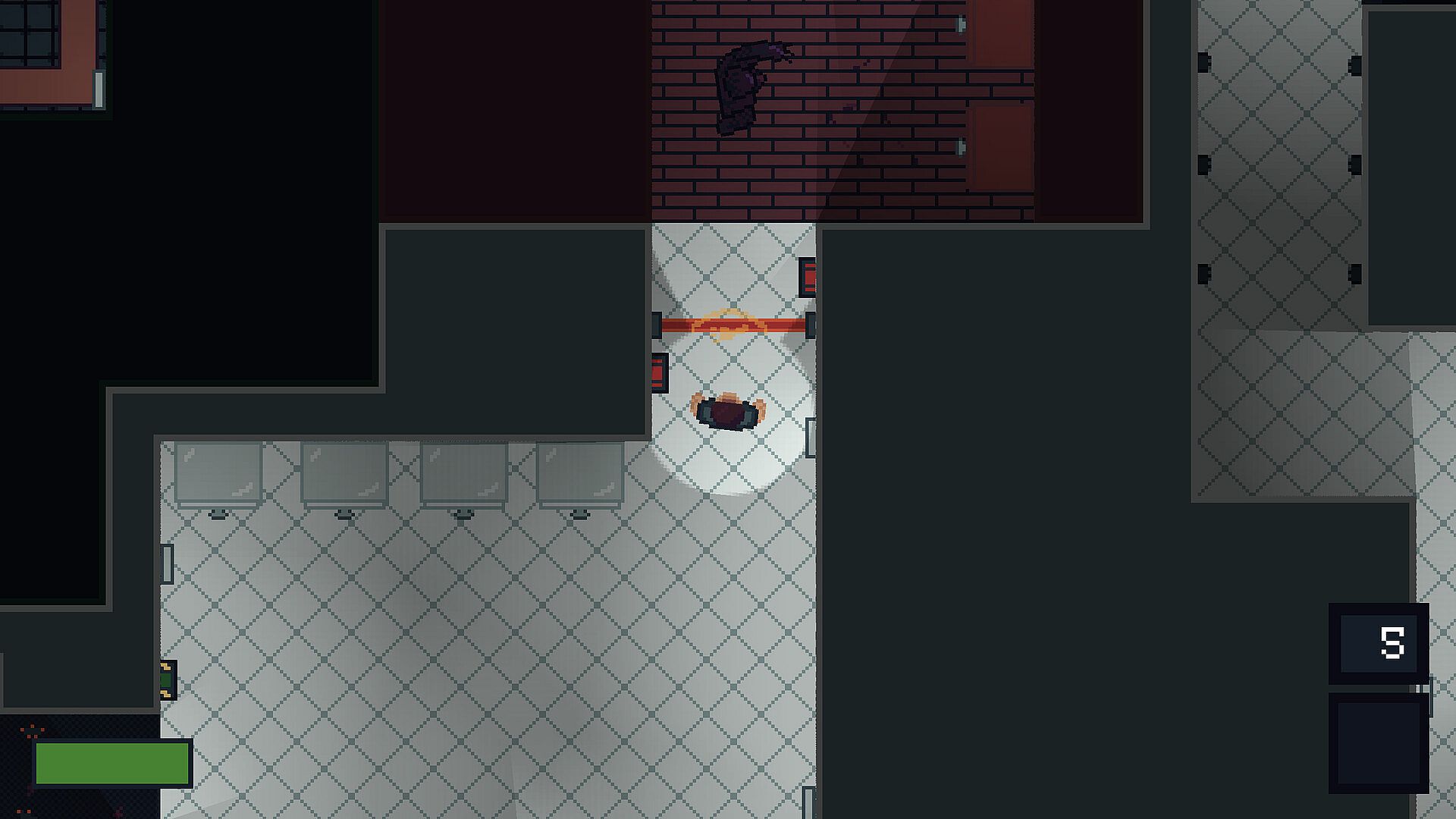
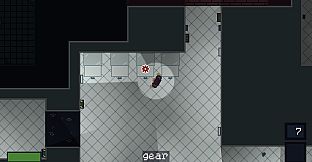
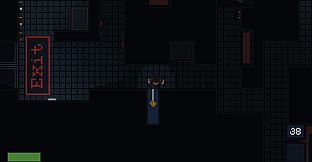
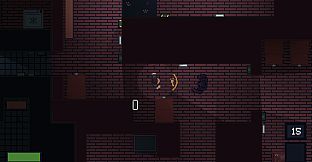
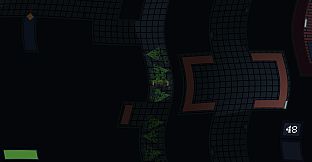
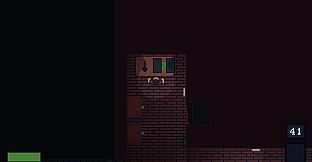
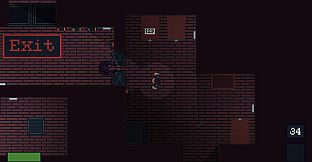
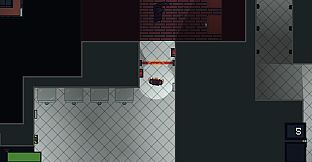
Esordie è un indie action casual single-player ambientato in un complesso chiuso: il giocatore deve recuperare tessere magnetiche e oggetti per aprire una delle tre uscite e fuggire. L'esperienza unisce esplorazione e tensione, poiché un mostro vagante insegue il giocatore, ostacolato da un bracciale che emette forti bip quando resta fermo.
Gameplay
Il ciclo centrale consiste nel muoversi nel complesso raccogliendo gli oggetti necessari alla fuga. Il giocatore perlustra stanze e corridoi alla ricerca di tessere compatibili con le porte e di altri strumenti utili. Il bracciale impone di restare in movimento per non attirare attenzioni; nascondersi negli armadi offre riparo temporaneo, mentre correre è un'alternativa che però rende il mostro più veloce a ogni avvistamento.
Due armi e numerose trappole sparse per l'ambiente permettono di stordire o rallentare il mostro. Le trappole richiedono posizionamento e tempismo precisi, poiché molte possono ferire il giocatore se attivate male. Il numero limitato di tentativi aumenta la pressione: ogni fallimento comporta la morte e il riavvio della partita.
Modalità di gioco
Esordie offre cinque livelli di difficoltà che modificano la sfida e le risorse disponibili. La modalità Allenamento rimuove il mostro, consentendo di esplorare liberamente il complesso per imparare planimetrie e posizioni degli oggetti, anche se alcuni pericoli ambientali restano letali. Le modalità Facile, Normale, Difficile ed Estrema introducono il mostro con crescente aggressività, velocità e restrizioni sui tentativi.
Queste modalità permettono di adattare l'esperienza, dai momenti di apprendimento rilassati in Allenamento alle corse ad alto rischio in Estrema, dove ogni scelta pesa di più per via delle minori possibilità di errore.
Meccaniche principali e tensione
Il bracciale genera un continuo gioco di rischio e ricompensa, spingendo il giocatore a bilanciare furtività, velocità e uso delle risorse. Le armi offrono un confronto diretto, mentre le trappole consentono di controllare l'ambiente e deviare il percorso del mostro. L'esplorazione premia la ricerca accurata: perdere tessere o oggetti utili può lasciare il giocatore bloccato davanti a una porta invalicabile.
Morire per trappole, per il mostro o per esaurimento dei tentativi sottolinea l'importanza di movimenti e piani ponderati. La struttura single-player mantiene l'attenzione sul problem-solving individuale, senza interferenze esterne.
Vale la pena giocarci?
Esordie è adatto a chi apprezza esperienze survival single-player metodiche con elementi puzzle e inseguimento. La varietà di difficoltà accontenta sia i nuovi giocatori che cercano un'introduzione guidata nella modalità Allenamento, sia i veterani che desiderano vincoli più severi nelle impostazioni superiori. L'enfasi su raccolta oggetti, elusione e uso delle trappole crea un ciclo mirato alla fuga sotto pressione.
Chi è attratto da titoli action indie che generano tensione con sistemi semplici ma efficaci troverà corrispondenza nelle meccaniche descritte. L'uscita imminente su PC lo posiziona come un ingresso accessibile nel casual action per sessioni brevi o medie.