


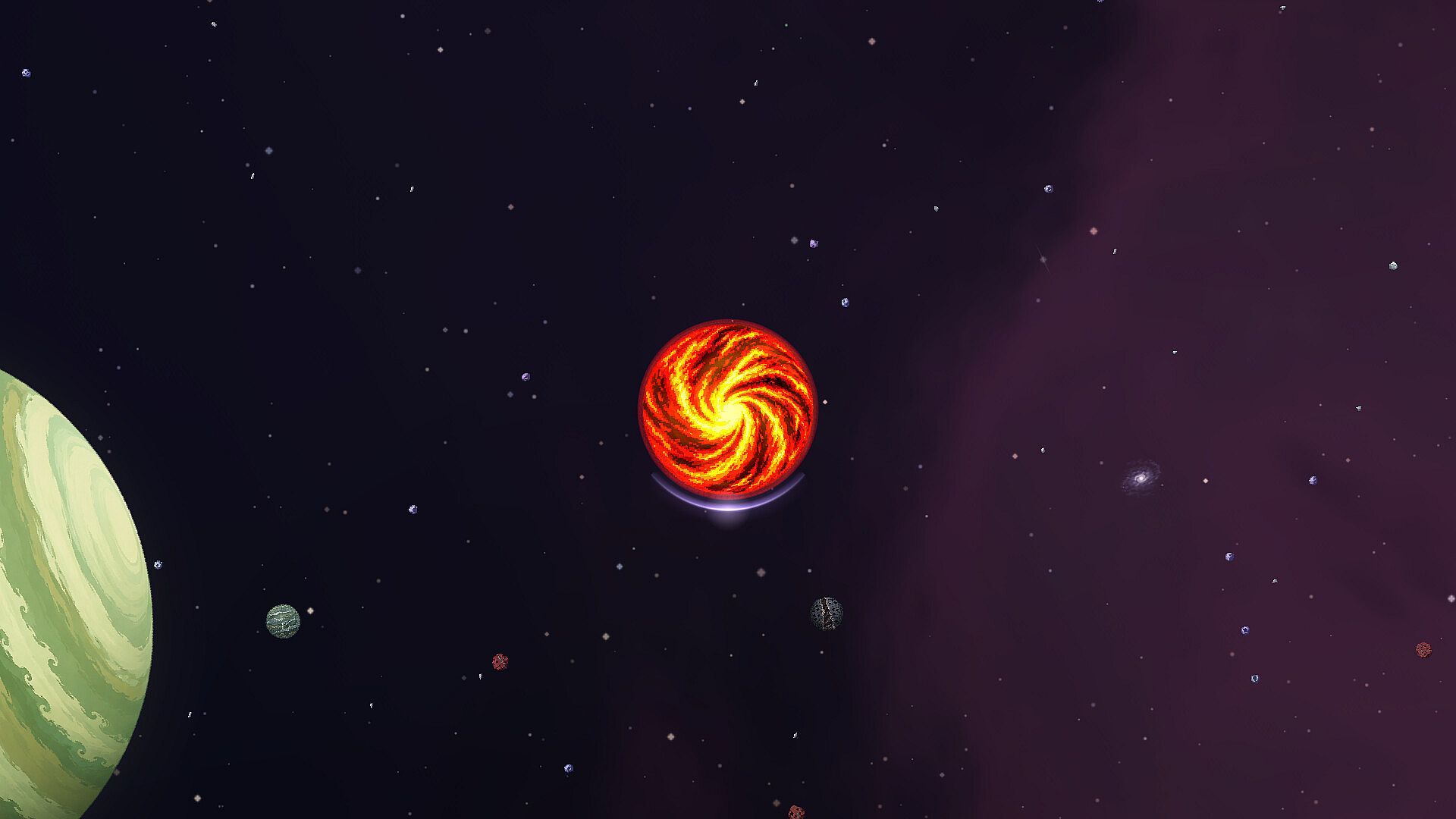
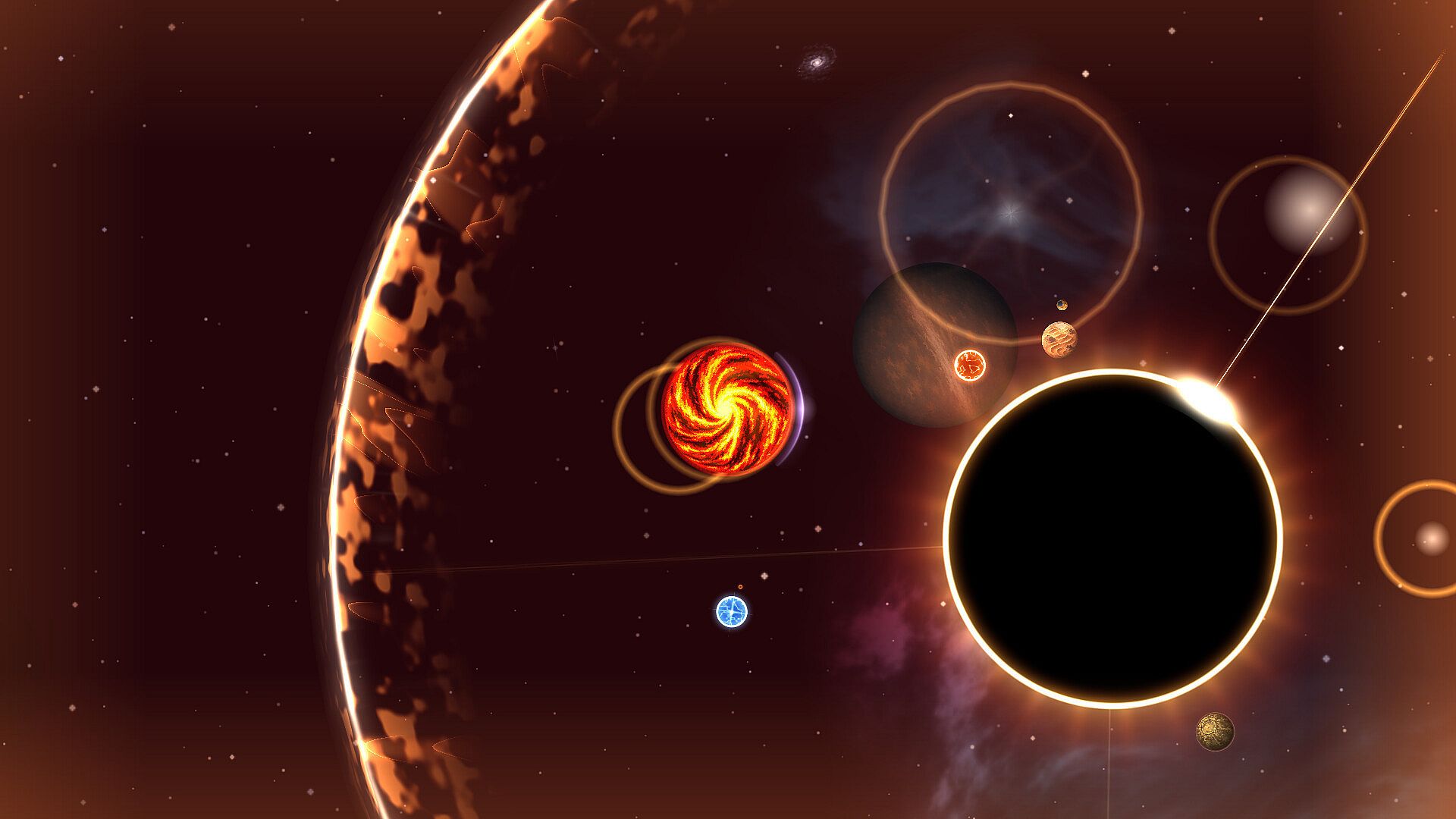
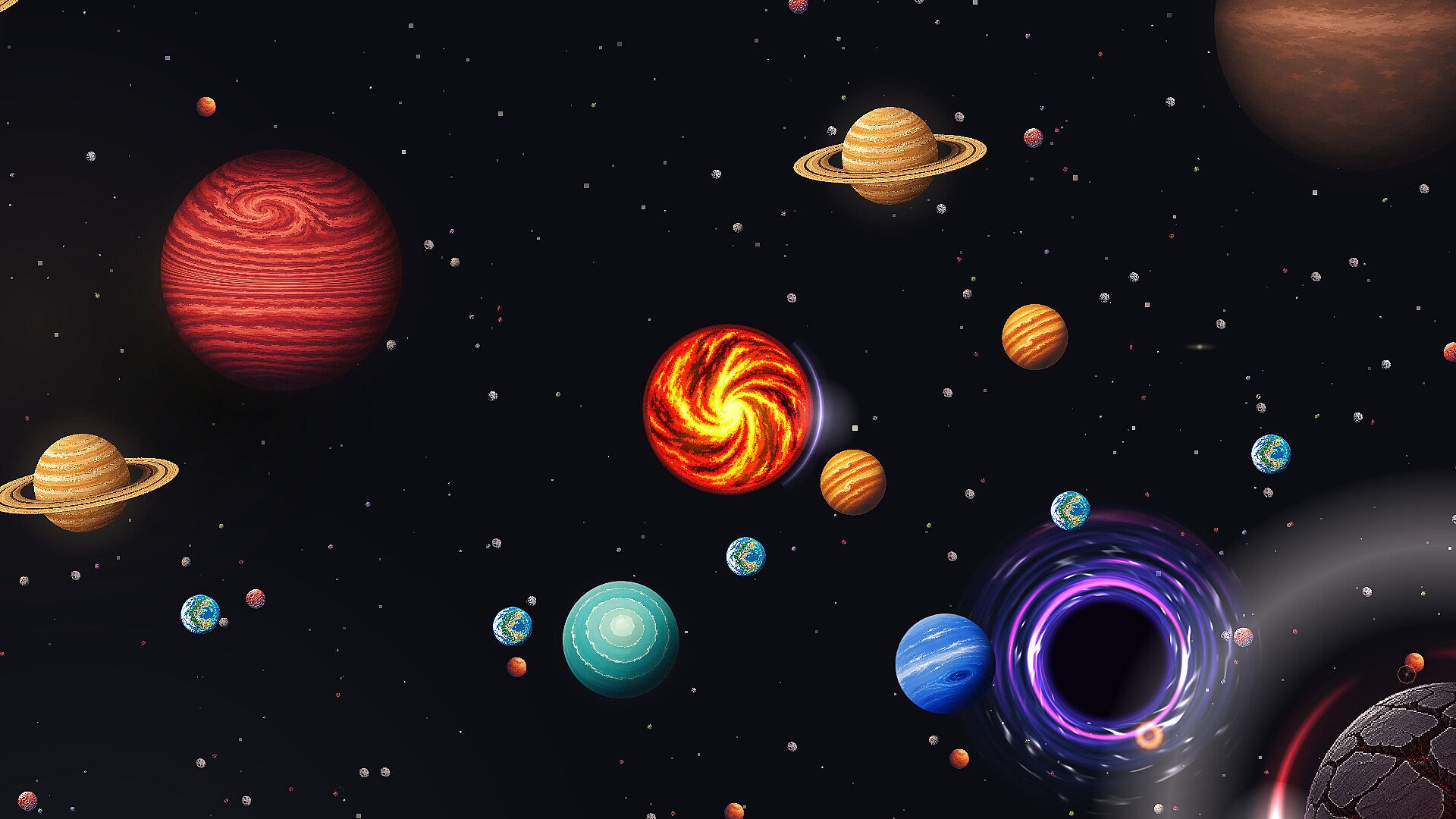
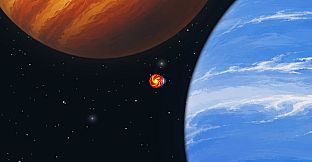
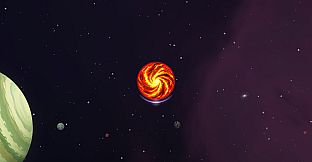

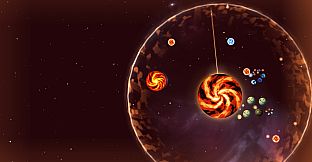
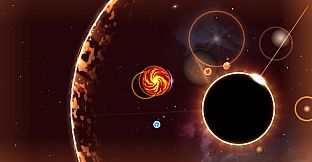

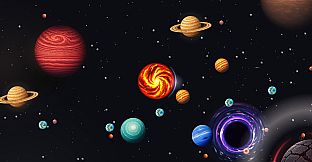
Eat the Sky is an action indie game for PC in which players control a growing star on a vast map filled with drifting planets. The core loop revolves around swallowing anything smaller while avoiding or overcoming larger threats in a single-player experience that emphasizes survival, growth, and strategic decision making.
Gameplay
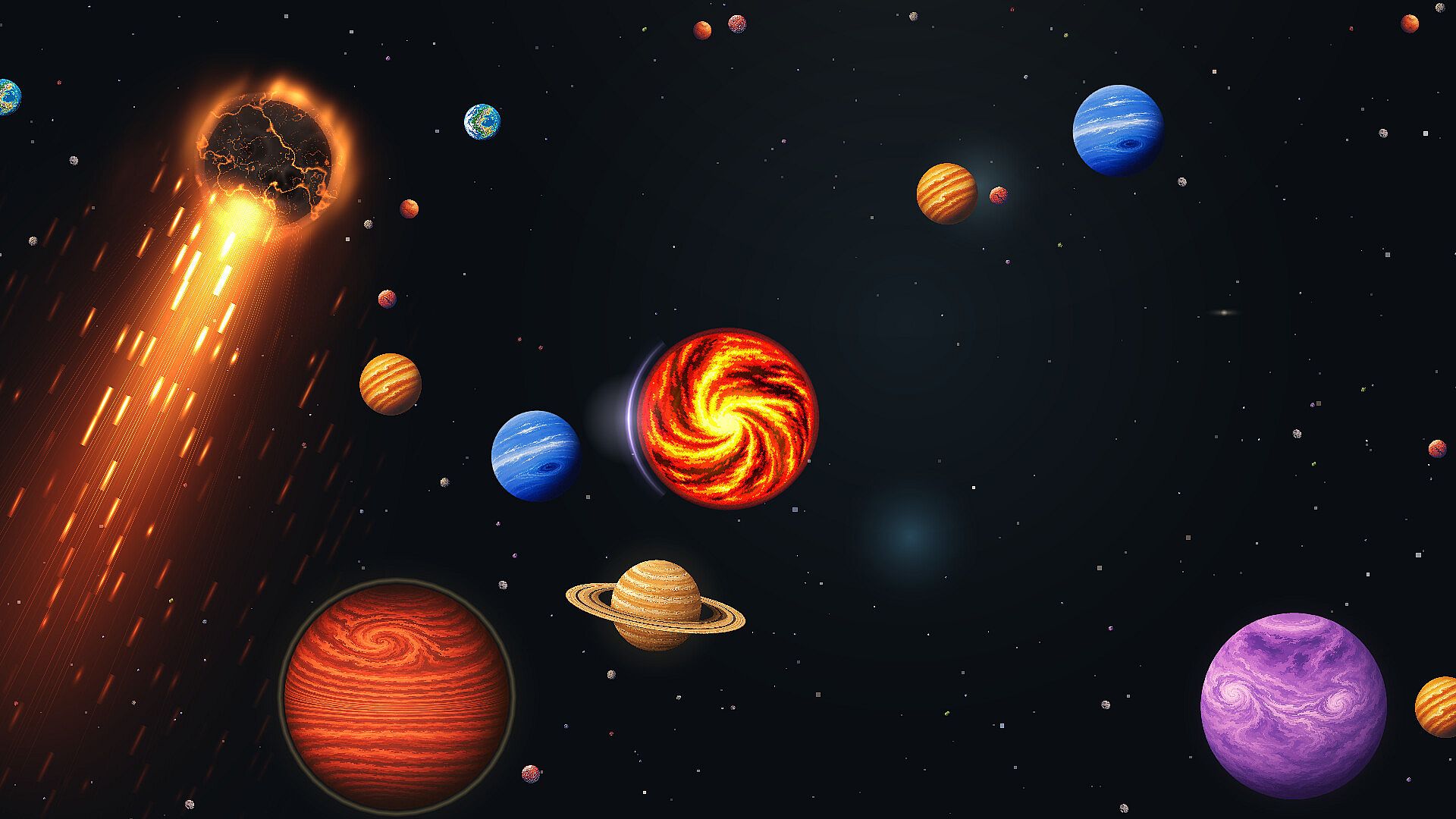
The central rule is straightforward. Whatever is bigger swallows whatever is smaller. Players begin small on a huge map and consume planets to increase in size. As growth continues, objects that once posed a lethal threat become viable targets for consumption. Rival stars follow the same progression and actively hunt larger threats, using plasma attacks at range or hurling planets as projectiles. Some rivals start with armor and superior speed, requiring players to identify and strike weak spots to dislodge consumed material for pickup.
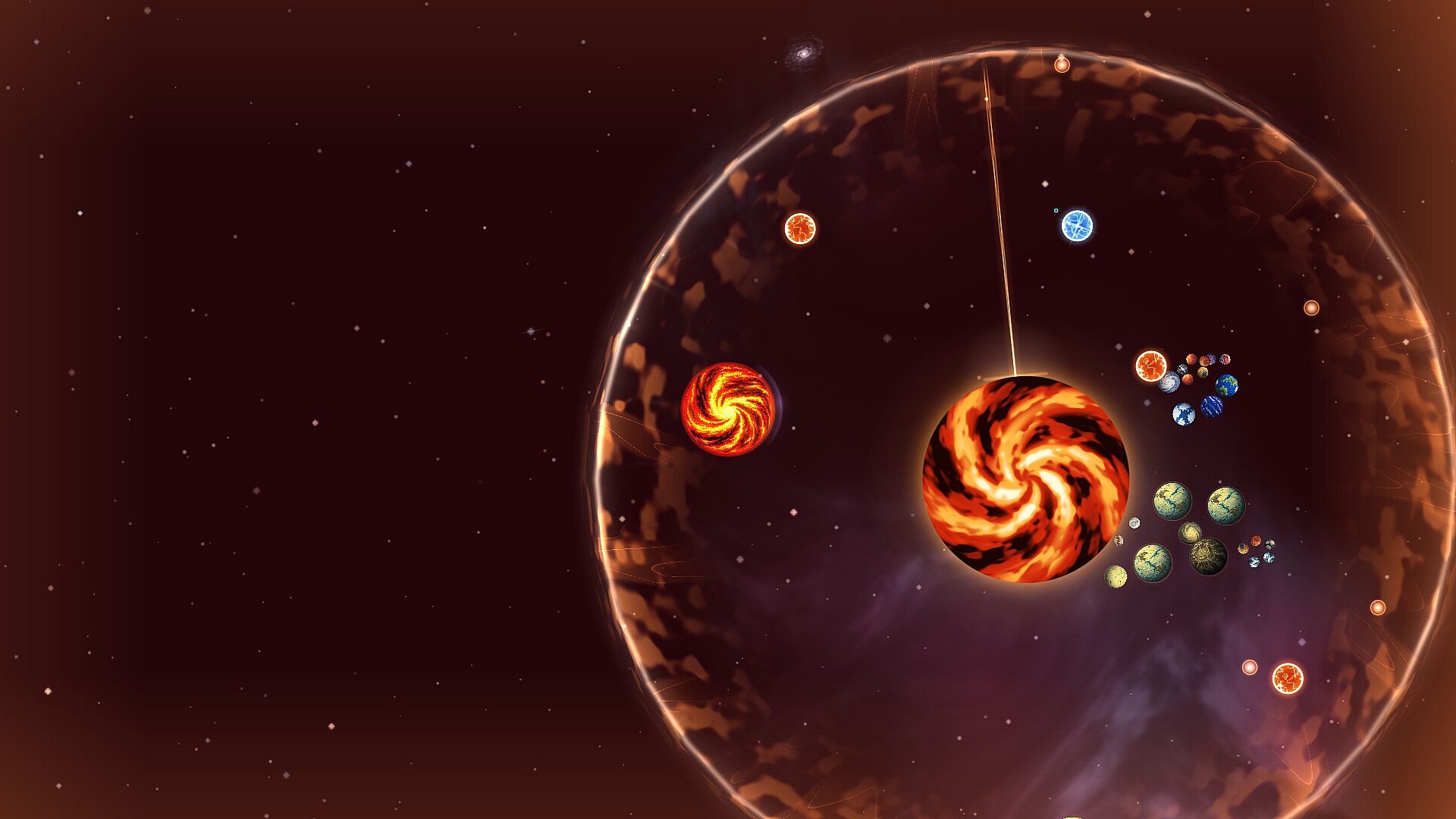
Environmental hazards and tools provide additional options. Players can lure rivals into comets, guide them through wormholes, or position large planets in their path. Certain planets qualify as elites with rotating plates that shield a weak spot. Breaking all plates exposes the elite briefly, and each elite carries unique modifiers such as pulling players inward, firing projectiles, summoning rivals, or charging through the field while scattering debris.
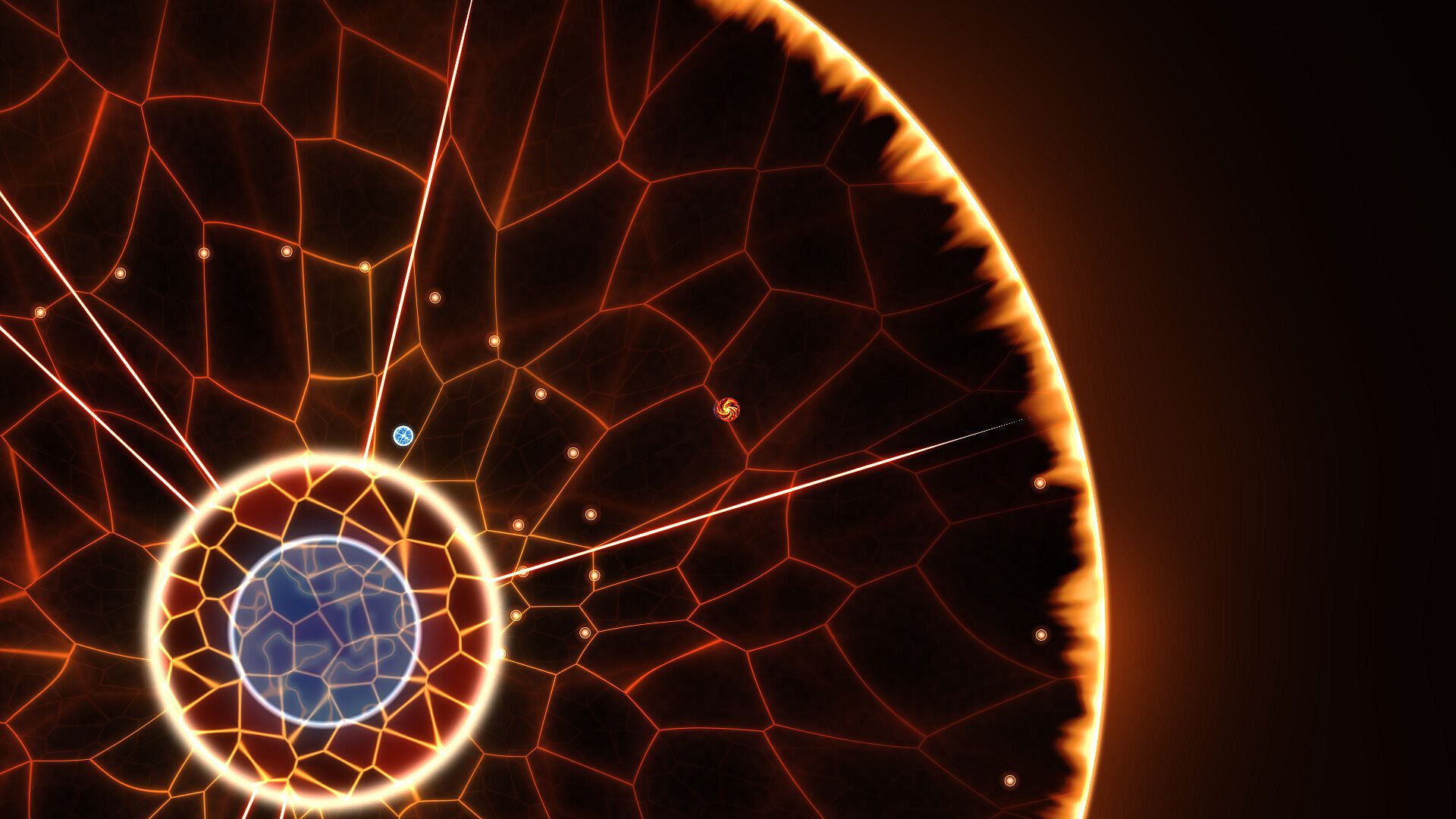
Planets too large to eat directly can still be handled through several mechanics. These include ramming while boosting, shattering them with solar flares, using slingshot momentum from the central star's gravity, freezing the field to shatter frozen objects on impact, redirecting them with a gravity shield, trailing fire to damage followers, or launching the shield forward to clear paths. The central star exerts powerful gravity that increases planet value inside its influence while enabling charged slingshot exits. Growing sufficiently allows players to consume this star, though it fights back.
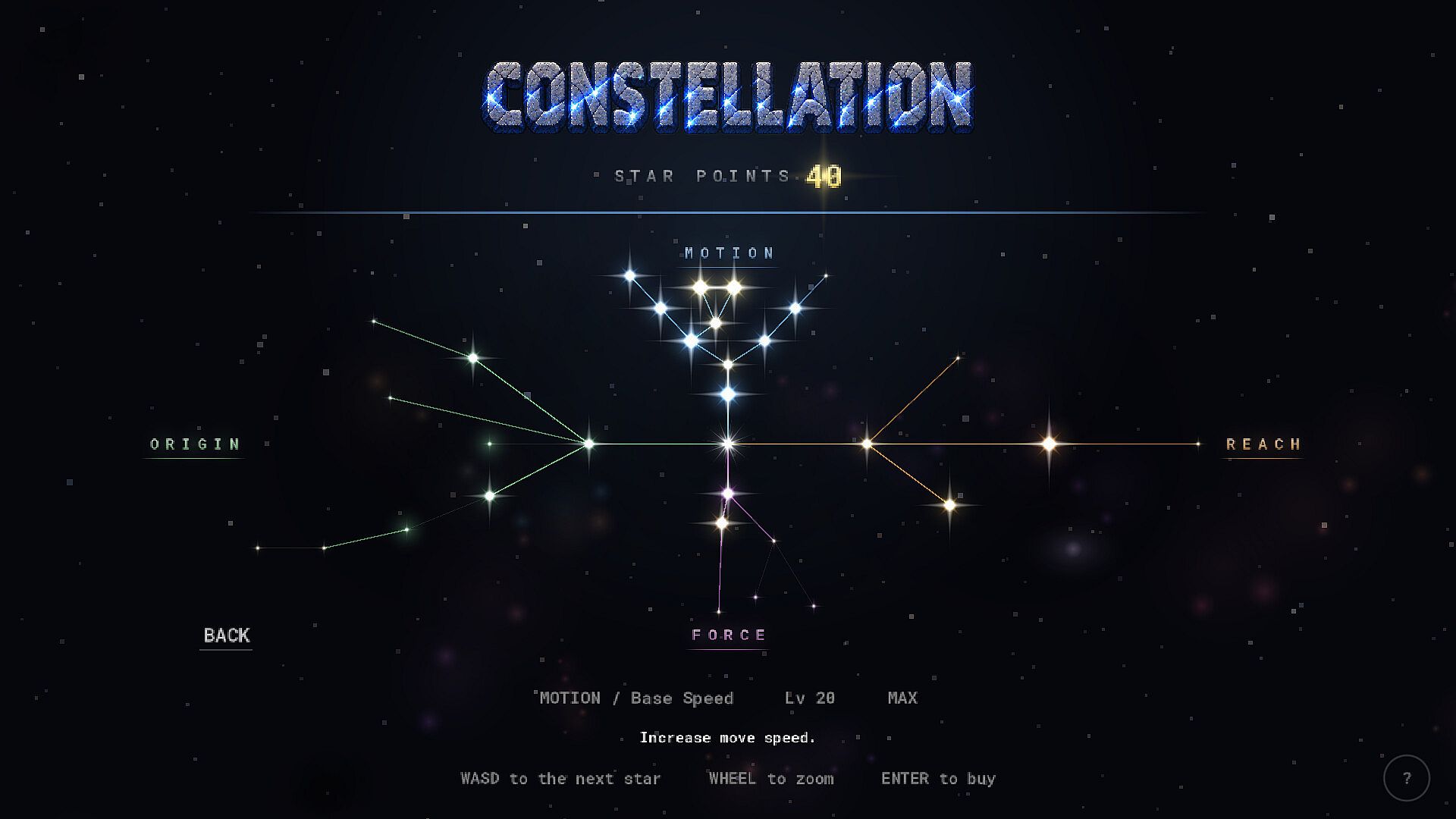
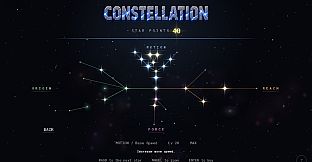
Permanent progression ties runs together. Star points earned from completed runs purchase upgrades on a constellation-style tech tree with four branches offering abilities and ultimates. Three random bounties appear at the start of each run and grant extra points when completed. Higher difficulties unlock sequentially and demand careful upgrade choices.
Game Modes
Eat the Sky structures its experience around repeated runs on the same large map. Each run ends when the player is consumed or chooses to stop, yet earned star points and unlocked content carry forward permanently. Difficulty levels increase the challenge through stronger rivals, more aggressive elites, and tighter margins for error. Bounties add variety by assigning specific objectives at the start of every attempt, encouraging different approaches without altering the fundamental single-player format.
Customization elements support repeated play. Achievements unlock new star skins, trails, and shield colors that can be equipped for future runs. The tech tree allows players to experiment with different upgrade paths across multiple attempts, tailoring abilities to preferred strategies such as aggressive growth, defensive maneuvering, or environmental exploitation.
Core Mechanics and Progression
Size management remains the constant focus. Early runs emphasize careful navigation around larger threats while building mass through smaller planets. Later stages shift toward direct confrontations with elites and rivals, using the listed counters for oversized targets. The central star serves as both high-risk reward zone and endgame target, with its gravity pull creating dynamic movement opportunities.
Upgrades on the tech tree provide lasting power. Branches unlock abilities that interact with the core systems of eating, combat, and environmental interaction. Higher difficulties test these choices by amplifying rival aggression and elite frequency. Bounties introduce short-term goals that reward efficient play and add replay incentive without requiring separate modes.
Is It Worth Playing?
Eat the Sky suits players who enjoy growth-focused action games with permanent progression and run-based structure. The single-player design rewards observation of rival patterns, precise use of environmental tools, and thoughtful allocation of star points across the tech tree. Those who prefer experimenting with different upgrade paths and tackling escalating difficulties will find repeated runs engaging. The absence of multiplayer keeps the focus on individual skill and decision making against consistent AI threats. Availability on PC makes it accessible for those interested in this style of indie action gameplay.