


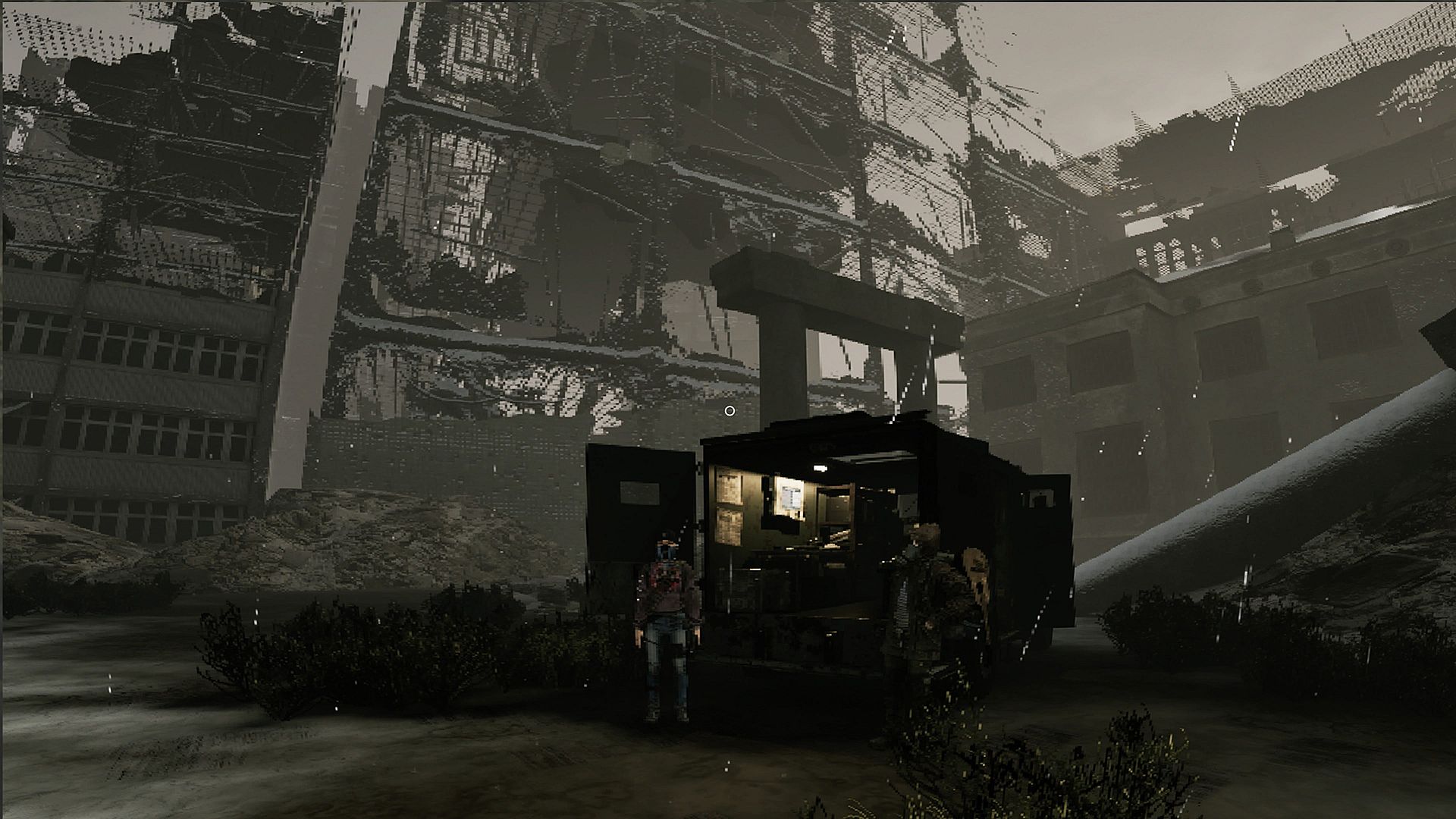
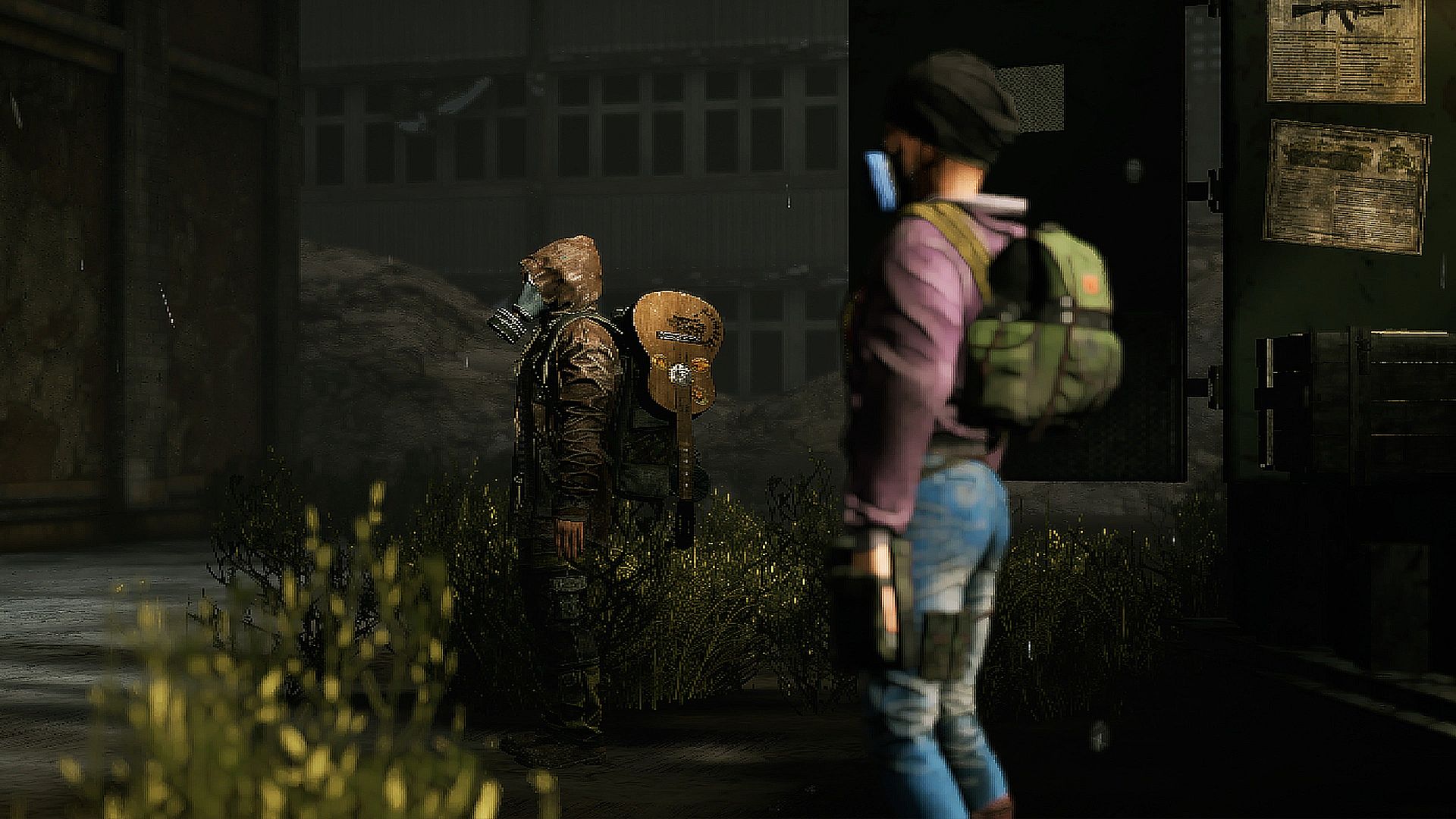
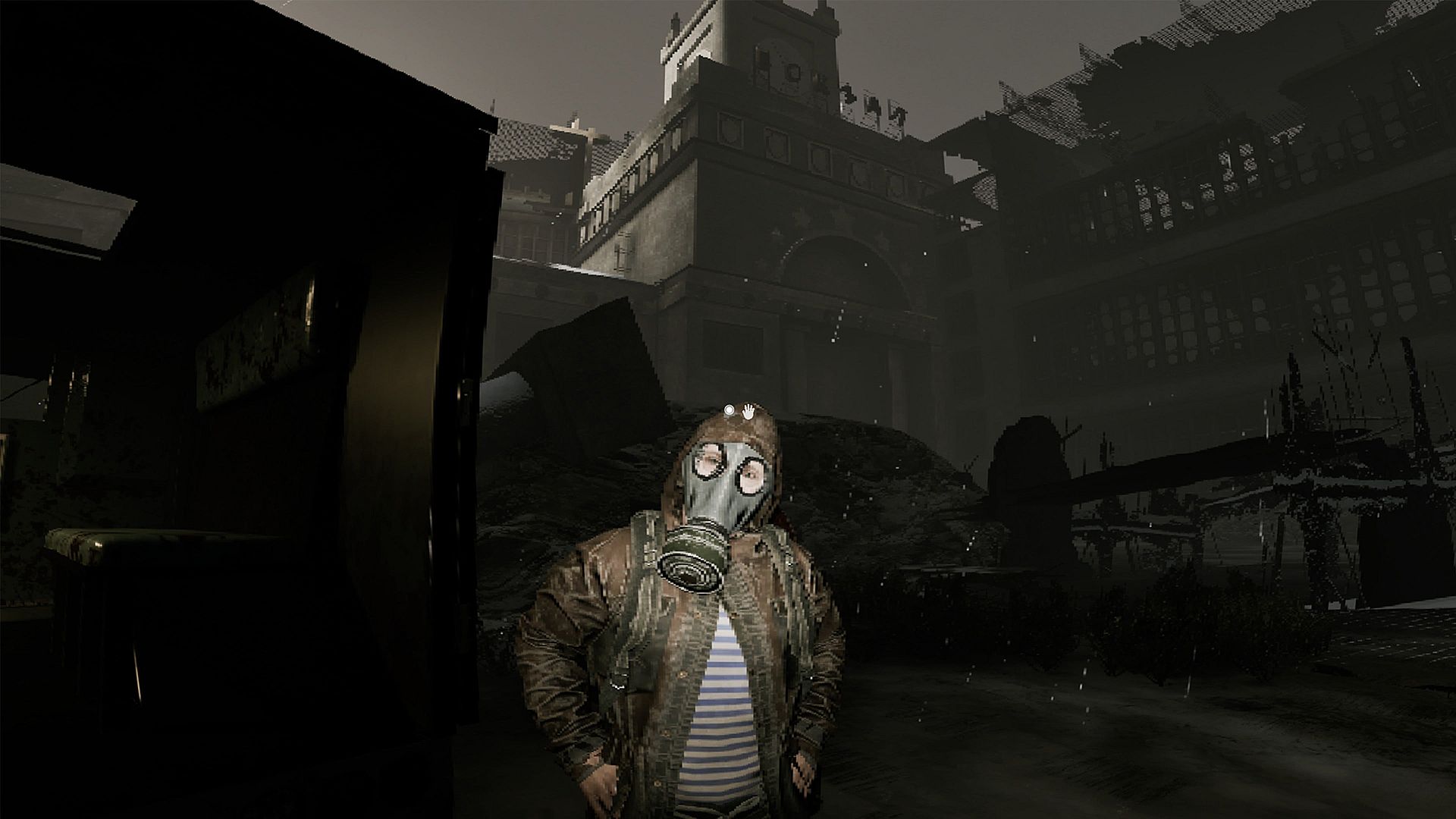



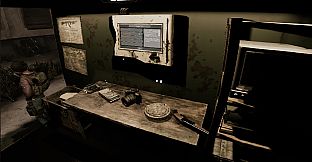



E.S.D.E. is a single-player extraction horror game developed by solo studio K148 Game Studio and published by JanduSoft. Set in a world where humanity stands on the edge of extinction, the title places players in the role of one of the last survivors tasked with entering hazardous zones to recover valuable items while evading threats. The game blends action, simulation, and adventure elements with a focus on psychological tension and careful decision-making. It arrives on PlayStation 5 on December 3, 2026, alongside releases on other platforms.
Gameplay
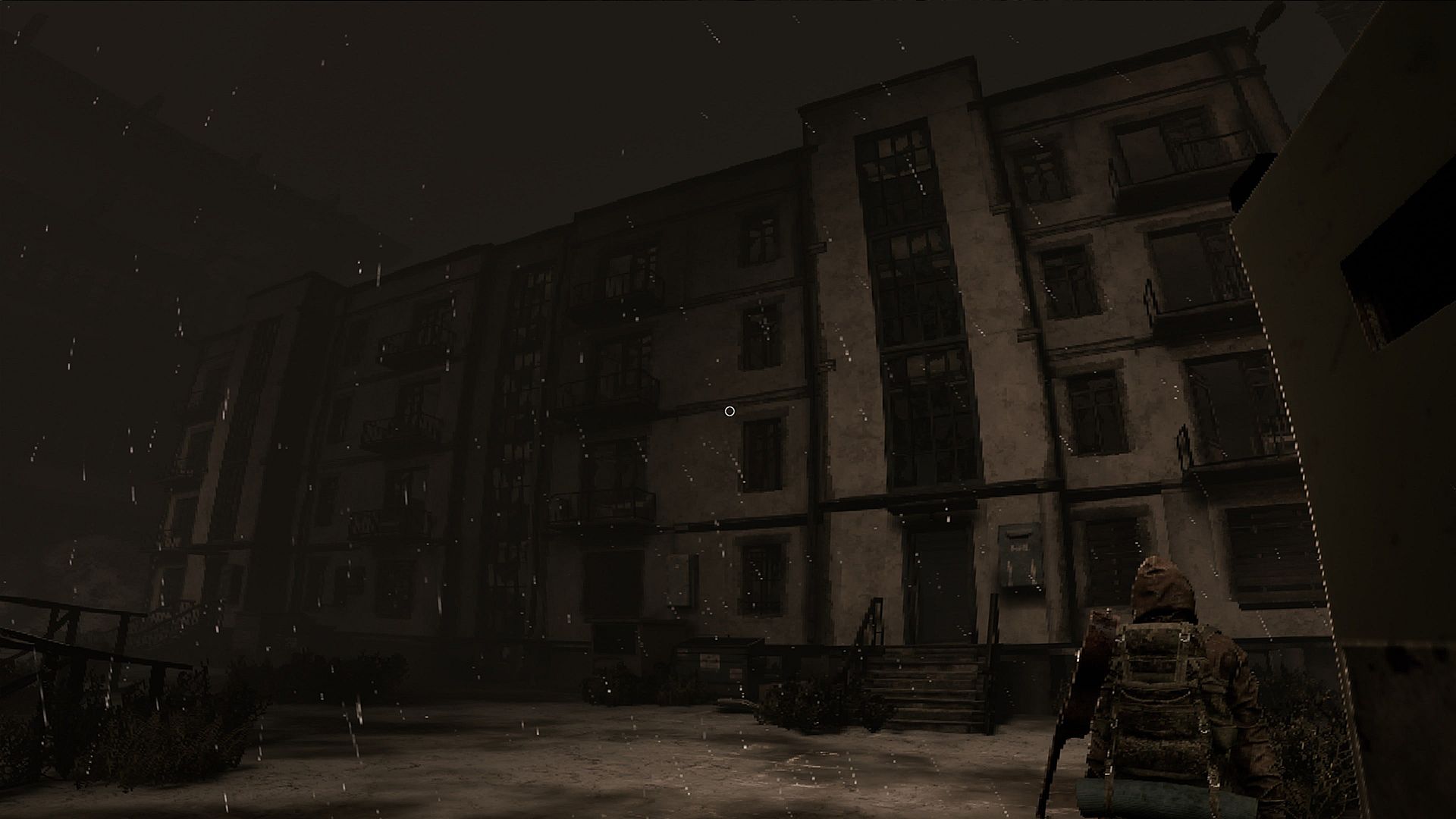
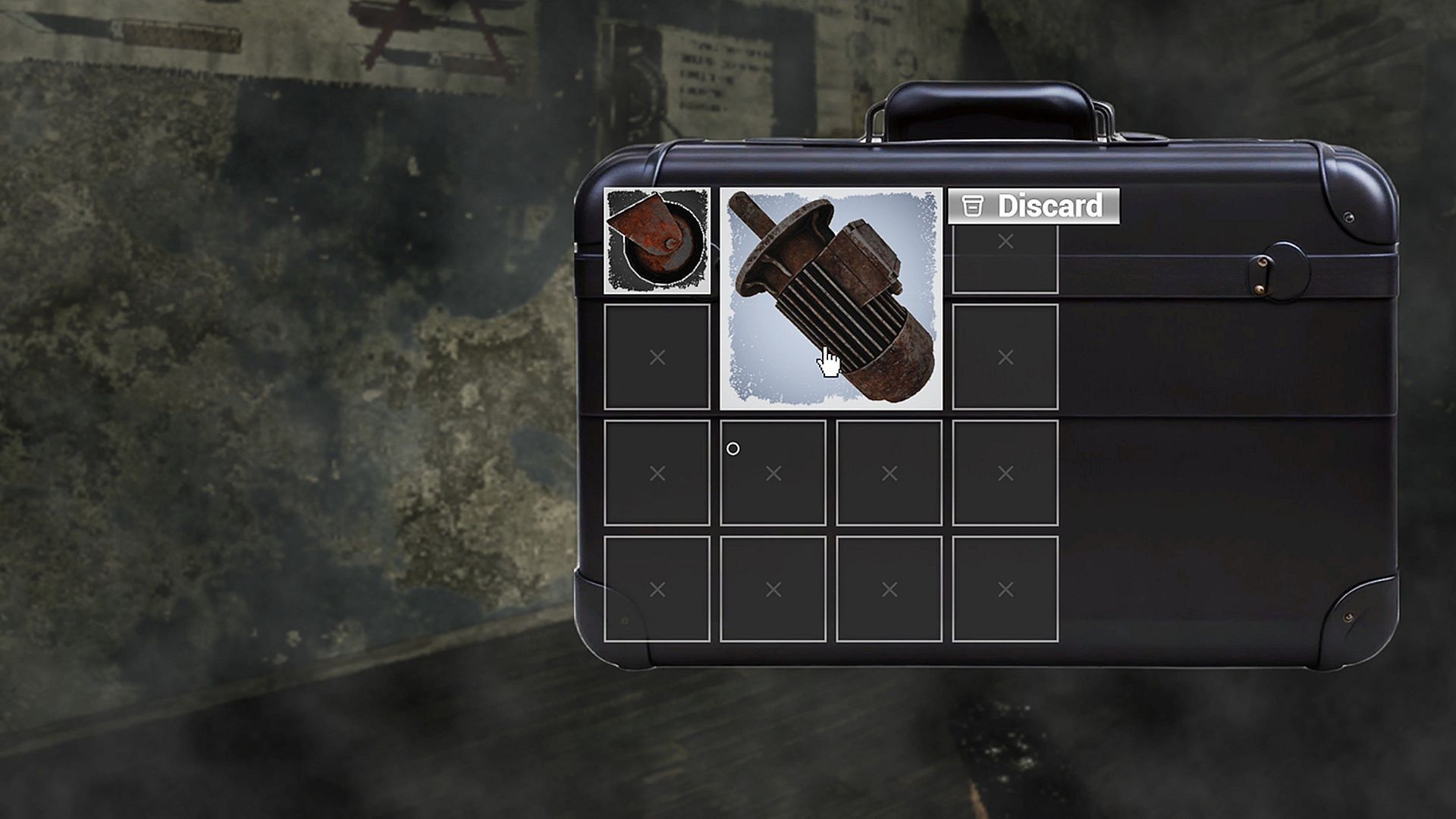
Core gameplay revolves around repeated expeditions into dangerous environments. Players enter one of six distinct zones, such as sprawling apartment complexes or an abandoned school, with the goal of locating and securing valuable objects. These items must be carried out safely before the run ends. Every decision carries weight because detection by threats often results in the loss of collected goods and a failed extraction.
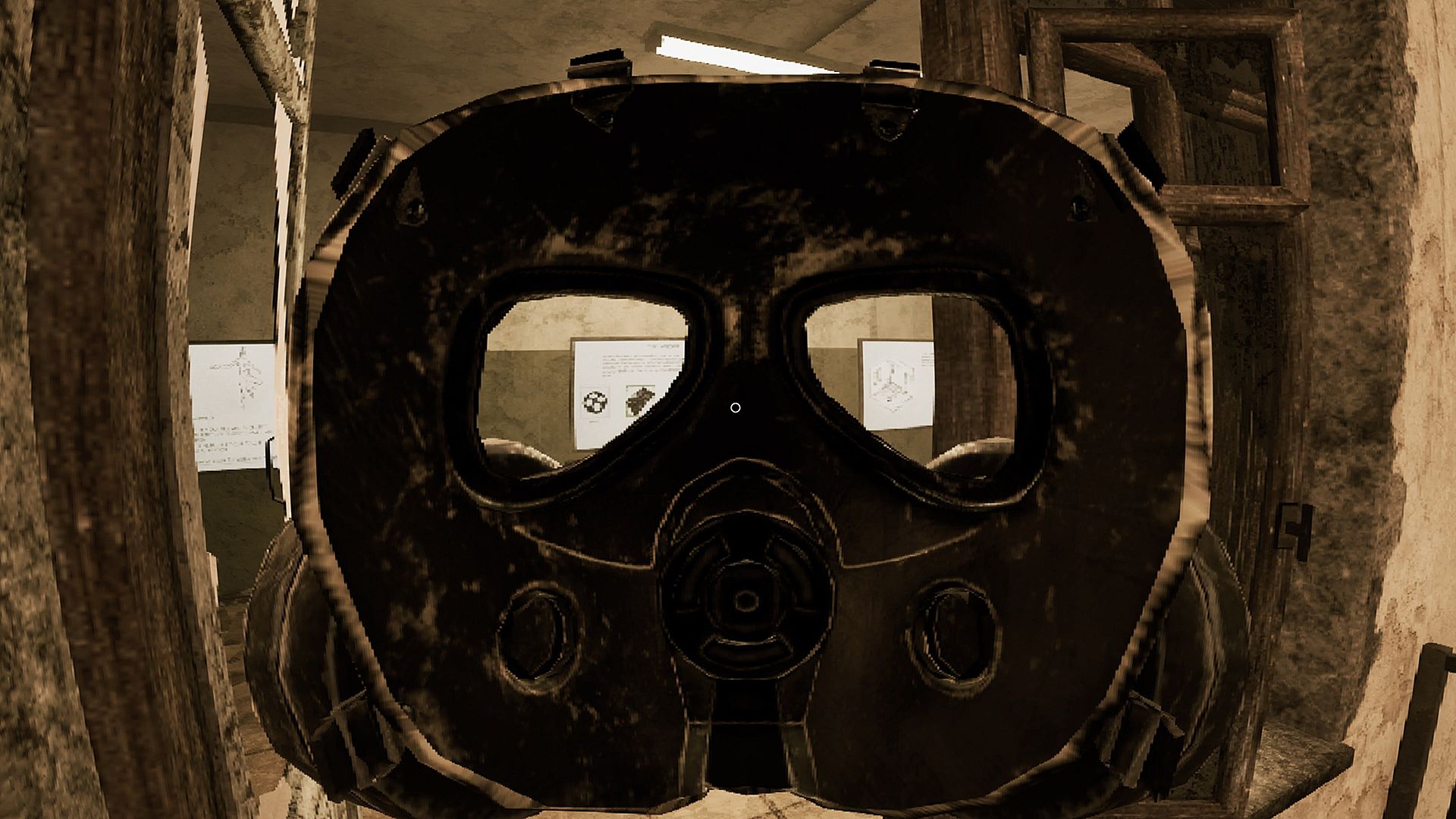
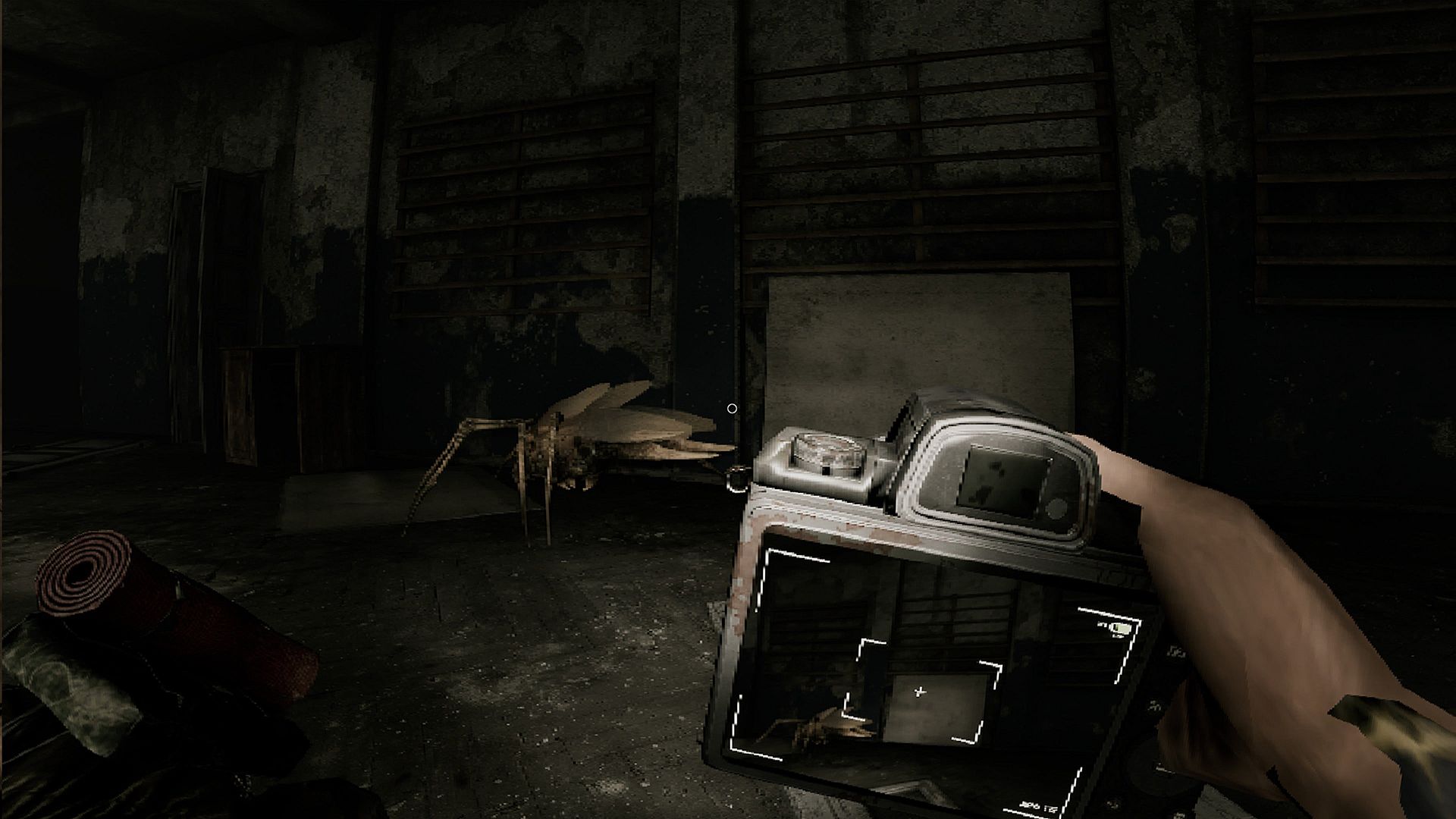
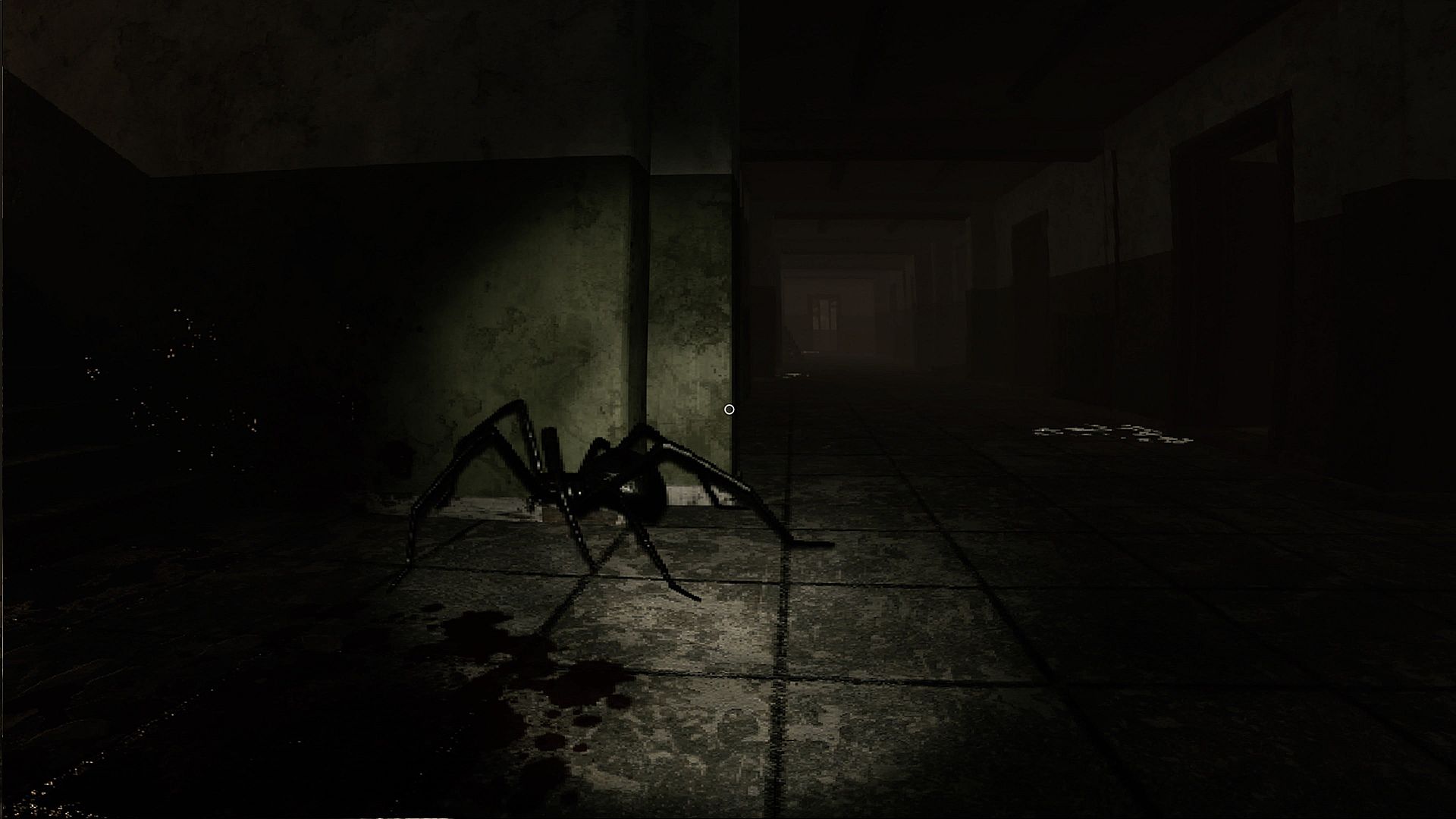
Stealth and observation form the foundation of survival. Seven types of anomalies, each with distinct forms and behaviors stemming from their former human state, patrol or react to the environment in unique ways. Players learn these patterns through repeated attempts to anticipate movements, sounds, or triggers. A protective mask serves as a critical tool, allowing quick concealment from certain anomalies when equipped at the right moment. Oversized and aggressive insects also inhabit every zone, adding another layer of risk; swarms of smaller insects require special caution to avoid triggering larger threats.
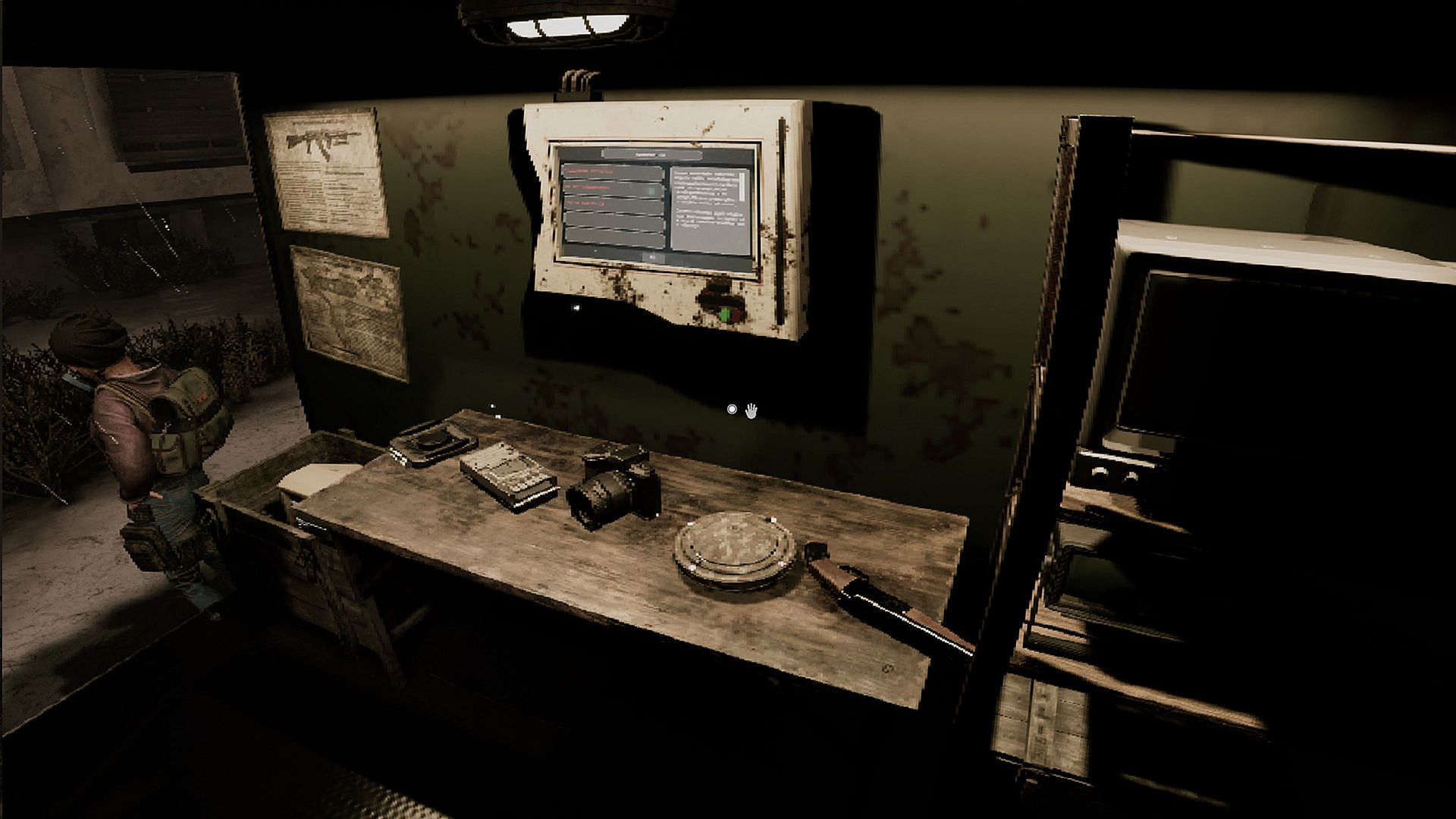
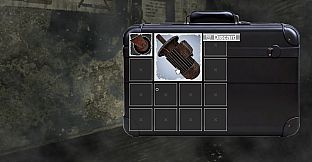
Resource management ties directly into progression. Loot sold to merchants provides funds for better equipment, including audio recorders for gathering data, cameras for documentation, and defensive options such as a modified shotgun. The loop emphasizes preparation, risk assessment during runs, and incremental upgrades that improve chances on future expeditions. Environmental awareness and timing prove more important than direct confrontation in most situations.
Game Modes
E.S.D.E. centers on solo extraction expeditions as its primary experience. Each run functions as an independent attempt to enter a chosen zone, gather items of varying value, and return safely. There are no additional structured modes or multiplayer components confirmed at launch. The structure encourages repeated playthroughs of the same zones to refine strategies, master anomaly behaviors, and maximize successful extractions over time. This focused design keeps attention on the high-stakes tension of individual outings rather than varied formats.
Exploration and Threats
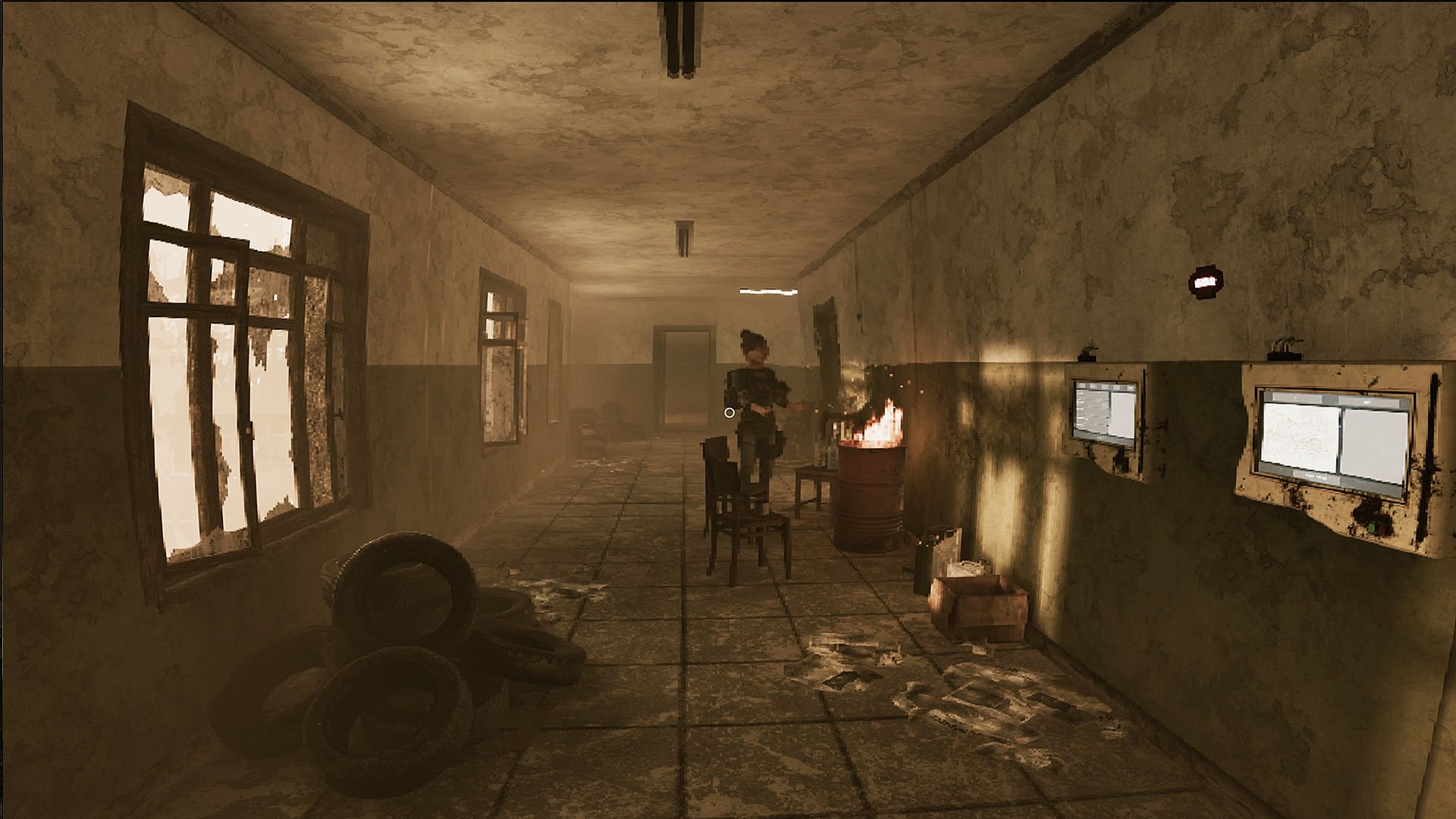
The six zones vary in layout and scale, from dense residential buildings to institutional settings like schools. Each presents unique navigation challenges and opportunities for high-value finds. Anomalies appear in combinations within zones, forcing players to adapt tactics on the fly based on the specific threats present. Insect hazards appear consistently across locations, requiring players to watch footing and environmental cues closely. The emphasis remains on understanding and avoiding dangers rather than eliminating them outright, though certain equipment allows for direct responses when necessary.
Is It Worth Playing?
E.S.D.E. delivers a punishing solo extraction experience built around observation, stealth, and resource decisions. Players who enjoy learning enemy patterns, managing limited resources under pressure, and accepting the possibility of total loss on a single mistake will find the core loop engaging. The combination of anomaly variety, insect threats, mask mechanics, and equipment progression creates consistent tension without relying on combat as the main focus. As an upcoming title with no player reviews available yet, its appeal depends on tolerance for deliberate pacing and repeated attempts at the same zones. Those drawn to psychological horror and extraction gameplay will likely appreciate the deliberate design and the sense of incremental mastery that comes from surviving multiple runs.