




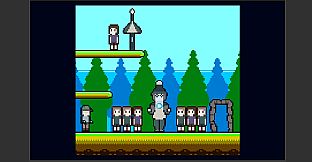
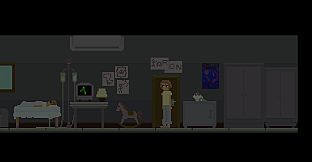
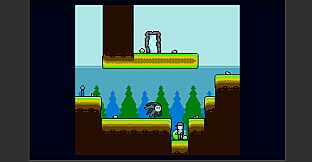
DreamSketchbook: Paradisseelethief is an indie adventure game built around pixel art visuals and a platforming core on PC. The title follows a boy named Tero who enters a mysterious game to rescue his brother's soul after it was taken by a cursed rental title. The experience splits between the real world and the game world, with distinct 8-bit and 16-bit pixel art styles applied to each.
Gameplay
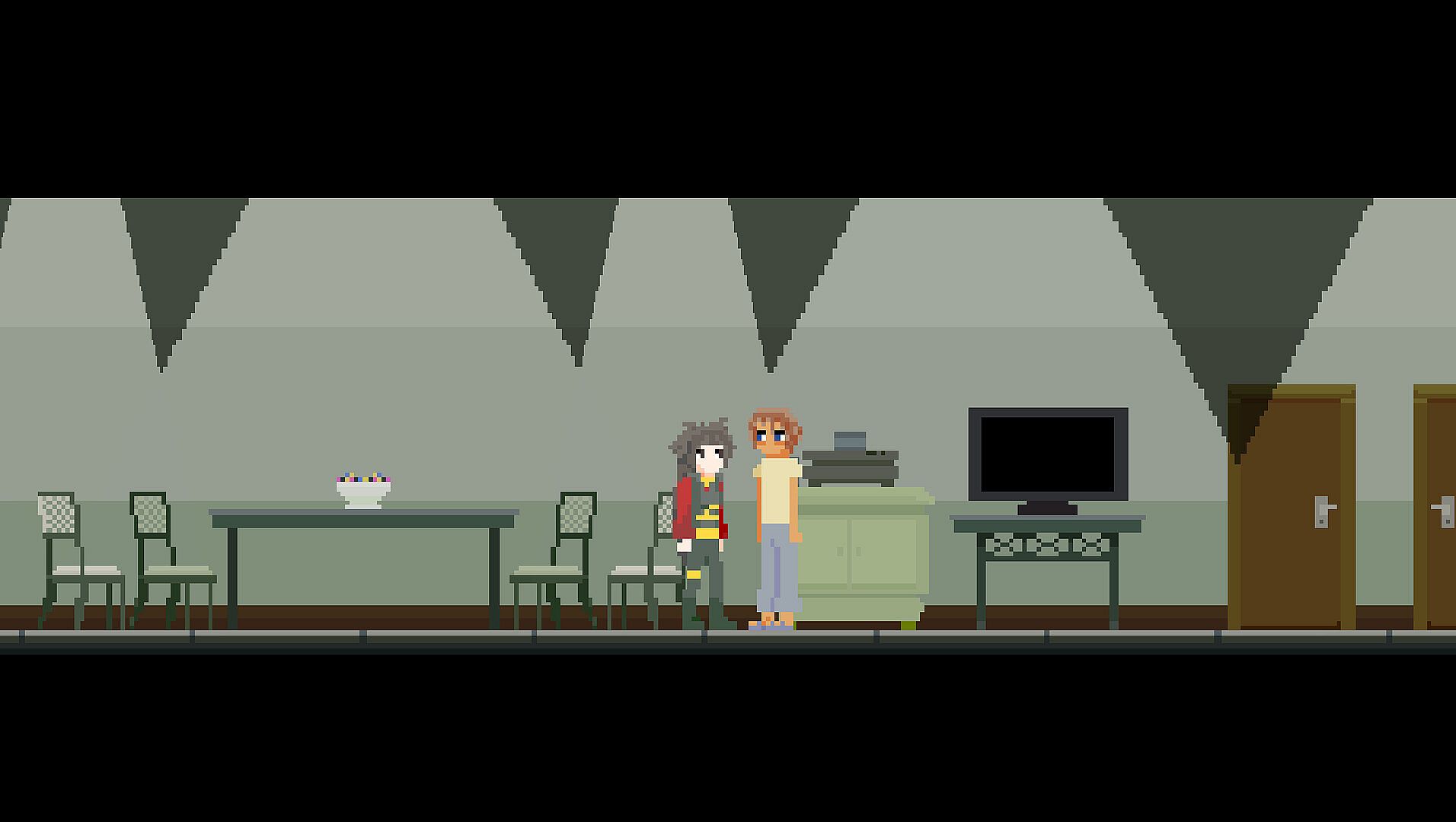
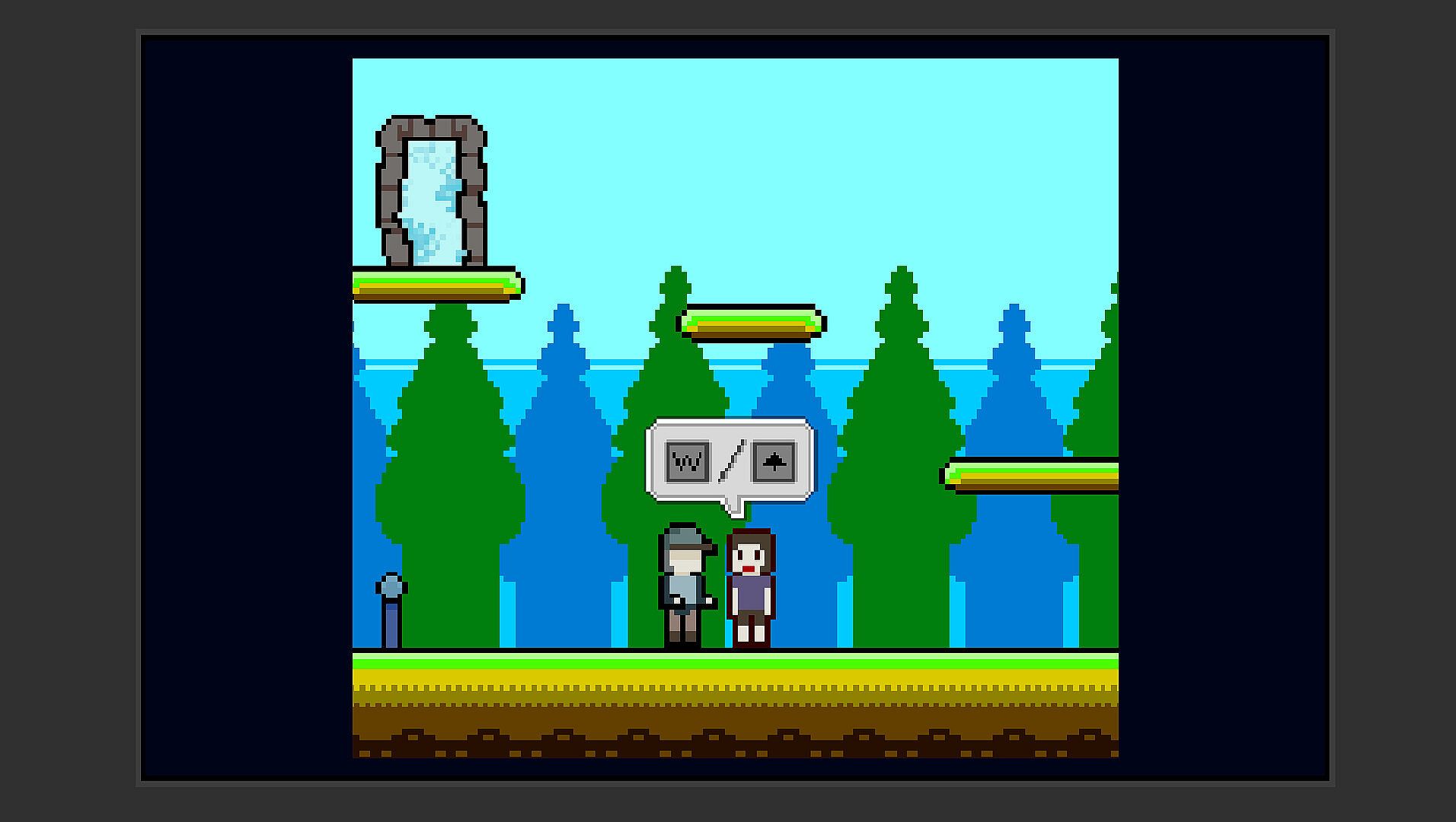
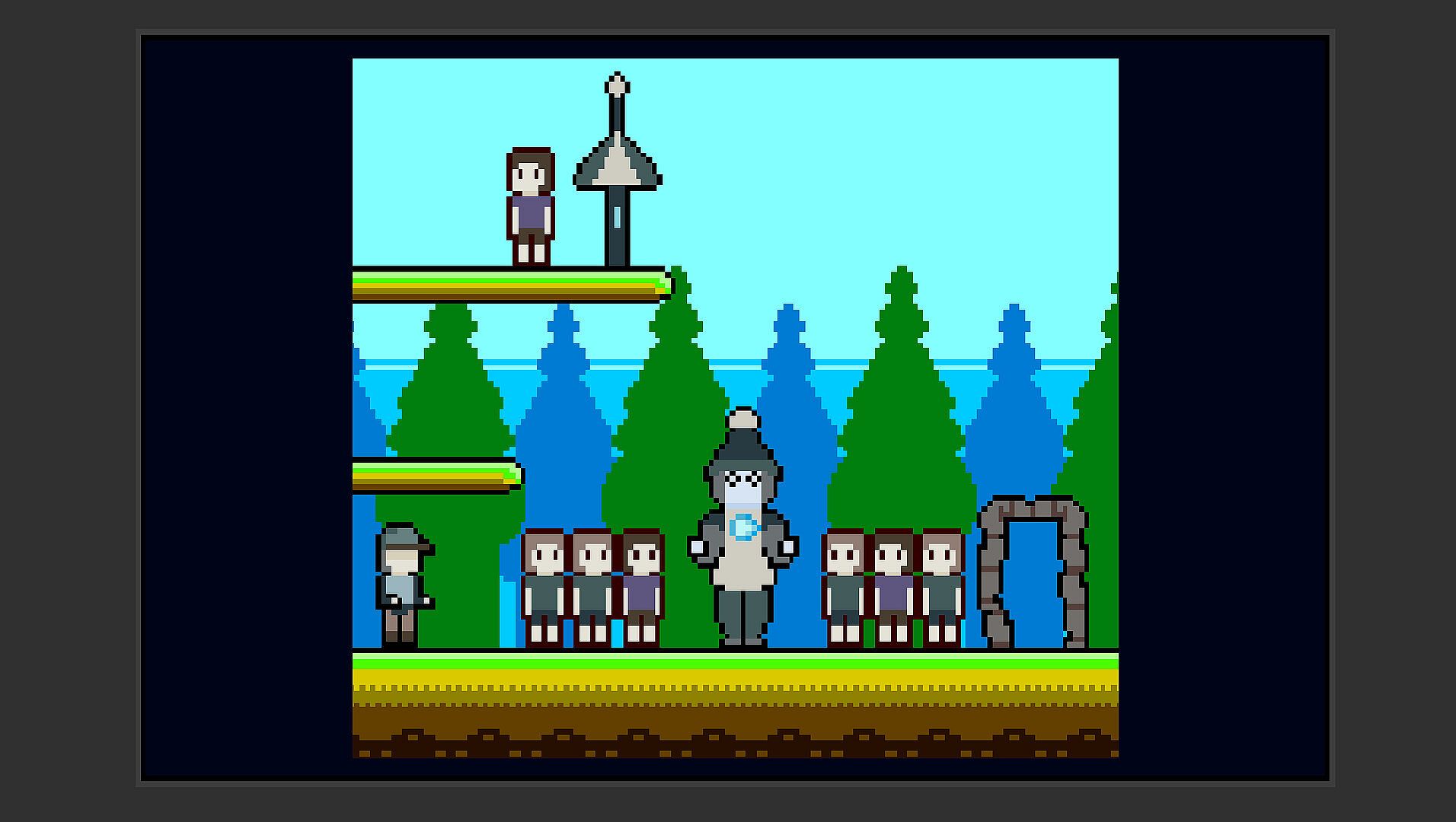
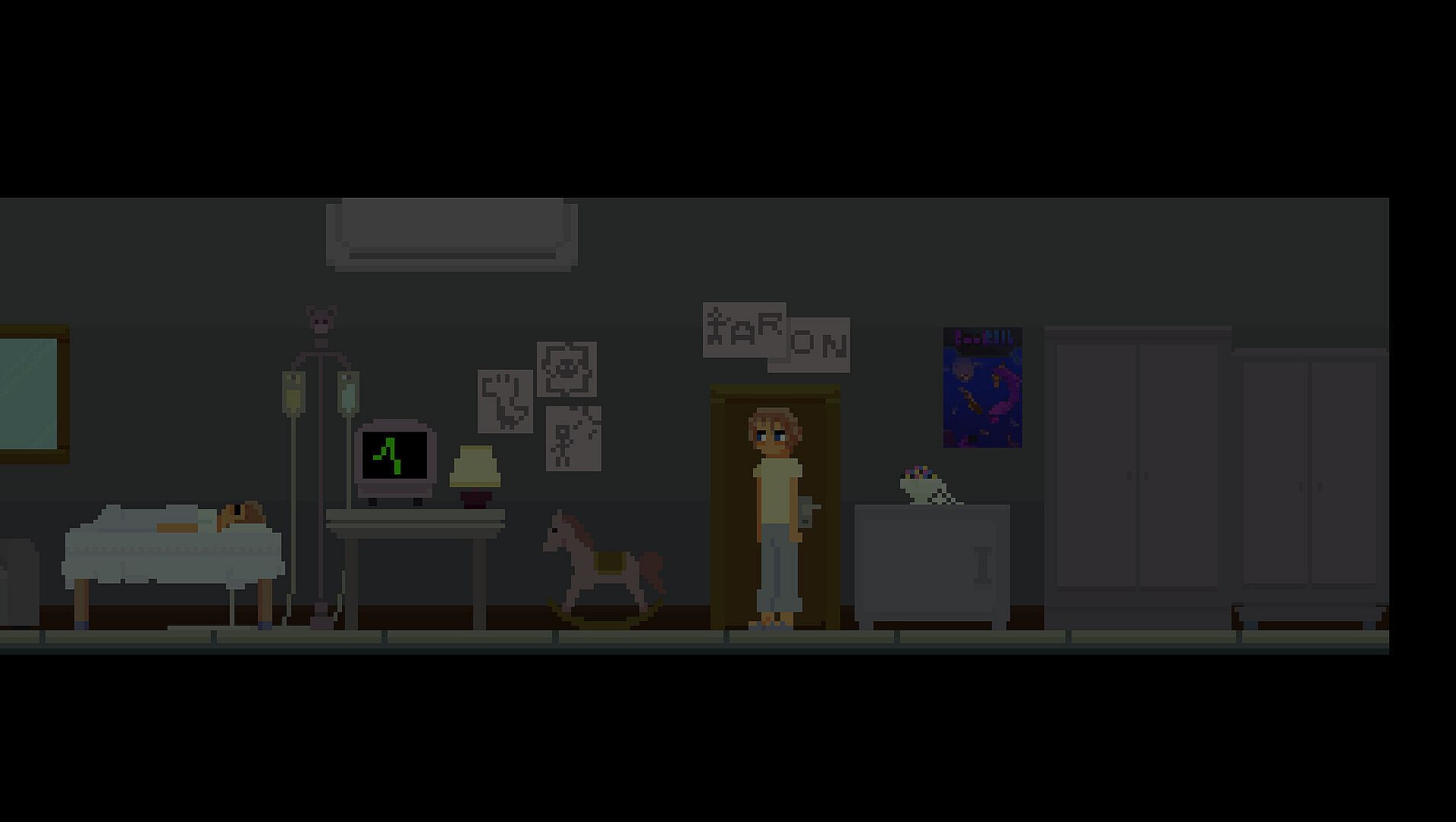
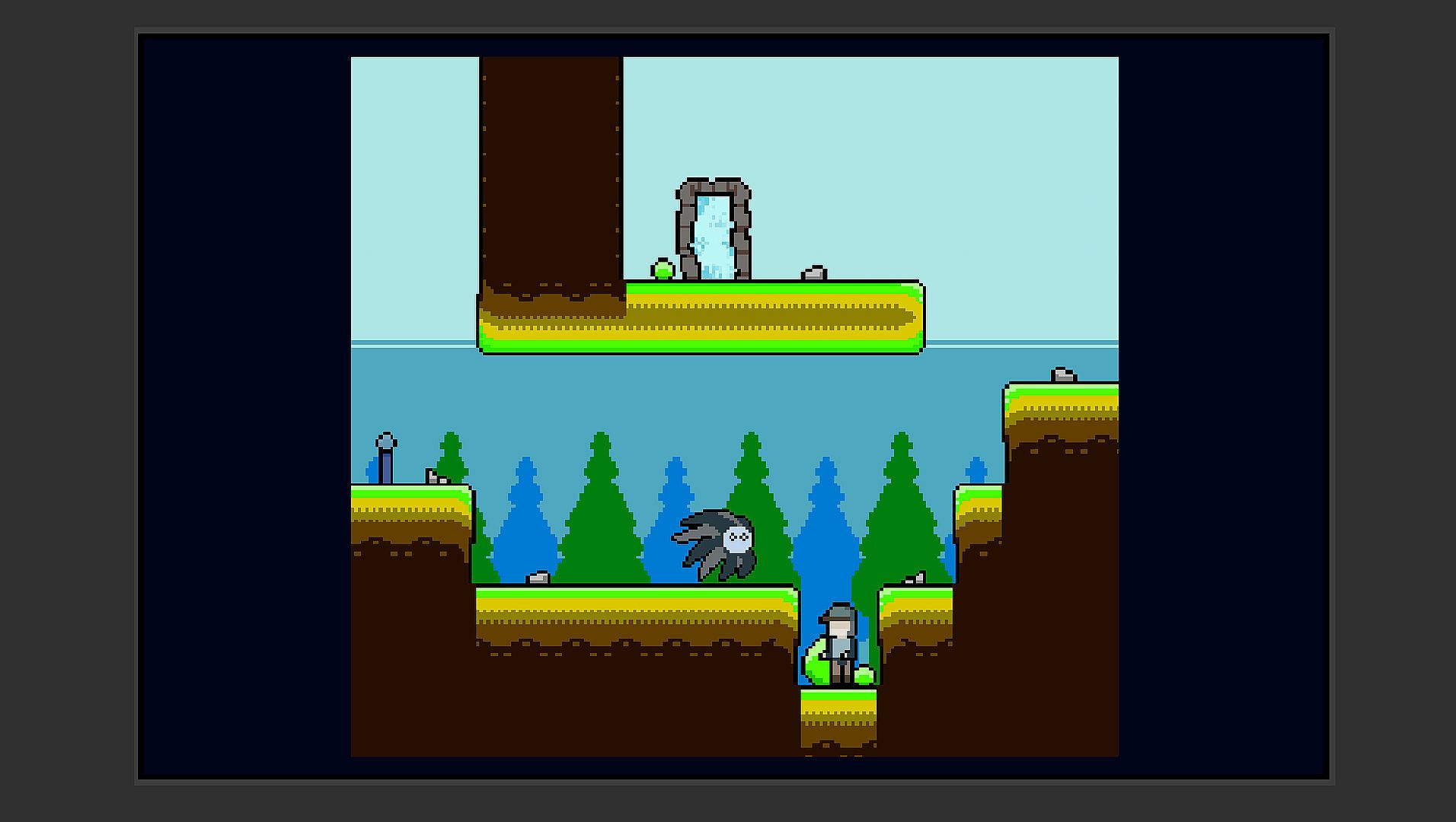
Players control Tero in both the real world and the game world using identical movement controls. The real world sections focus on conversation and progress saving through interactions with Raza, an old school friend who joins the effort. Inside the game world the action shifts to platforming, where Tero must cross platforms, avoid enemies, and navigate bottomless pits that punish mistakes. The two pixel art styles deliver separate artwork and color palettes, with an optional toggle for 16-bit colors available in the game world to recreate an older aesthetic. Keyboard input handles all actions, and the story notes that events draw from a dream while referencing a soul-stealing cursed game.
Game Modes
The game operates as a single-player experience with no additional modes confirmed. Progress carries across the real world and game world sections in sequence, allowing players to alternate between dialogue-driven moments and platform challenges as the stages advance. The structure emphasizes steady forward movement through the narrative and levels rather than branching choices or separate campaigns.
Story and Setting
Tero learns his brother has fallen into a coma after a video game stolen his soul. Attempts to help fail until Tero meets Raza, who offers assistance in beating the game to recover the soul. Early stages present an innocent, cute appearance typical of older titles, but later stages alter the art style and characters. The real world provides a grounded space for reflection and planning, while the game world grows increasingly unsettling. Raza accompanies Tero throughout and holds undisclosed information that shapes their shared journey.
Visual Style and Controls
Classic 8-bit pixel art defines one world while modern retro 16-bit pixel art defines the other, each with fully distinct artwork and palettes. The contrast between the two styles forms a central visual feature. Movement feels consistent across both worlds, yet the game world demands precise platform jumps and obstacle avoidance. Keyboard-only controls keep the input simple and direct, matching the retro platformer feel without additional input devices.
Is It Worth Playing?
The game remains listed as coming soon with no released version or player reviews available. Its described focus on dual pixel art styles, shared movement mechanics, and a platforming loop centered on obstacles and enemies suits players who enjoy short, story-driven retro-style adventures on PC. Those seeking single-player experiences that blend real-world dialogue with challenging platform sections may find the premise appealing once it launches, particularly if the two art styles and the progression from innocent to altered visuals deliver on the outlined contrast. Availability is limited to the PC platform at this stage.







