




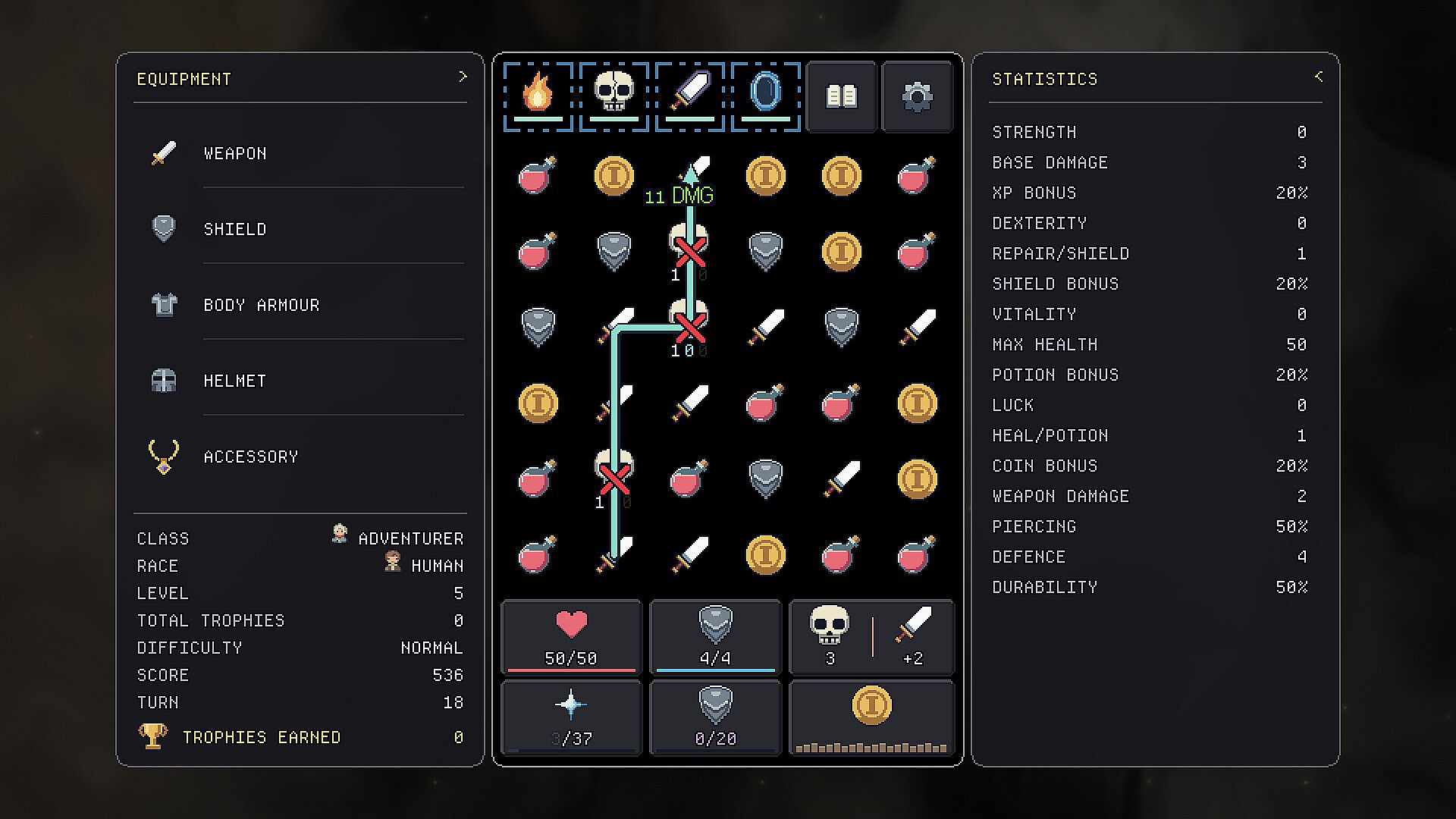
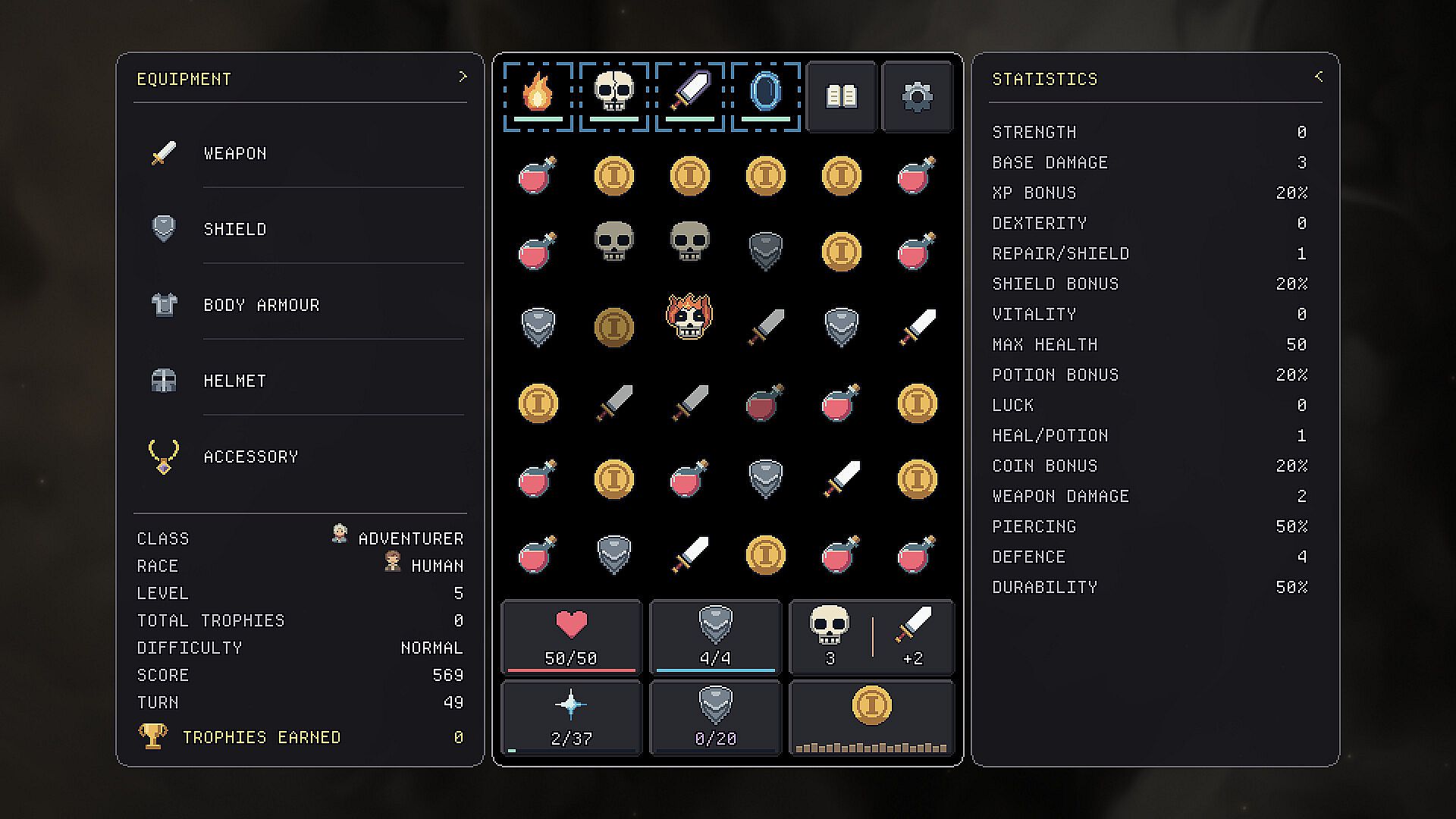
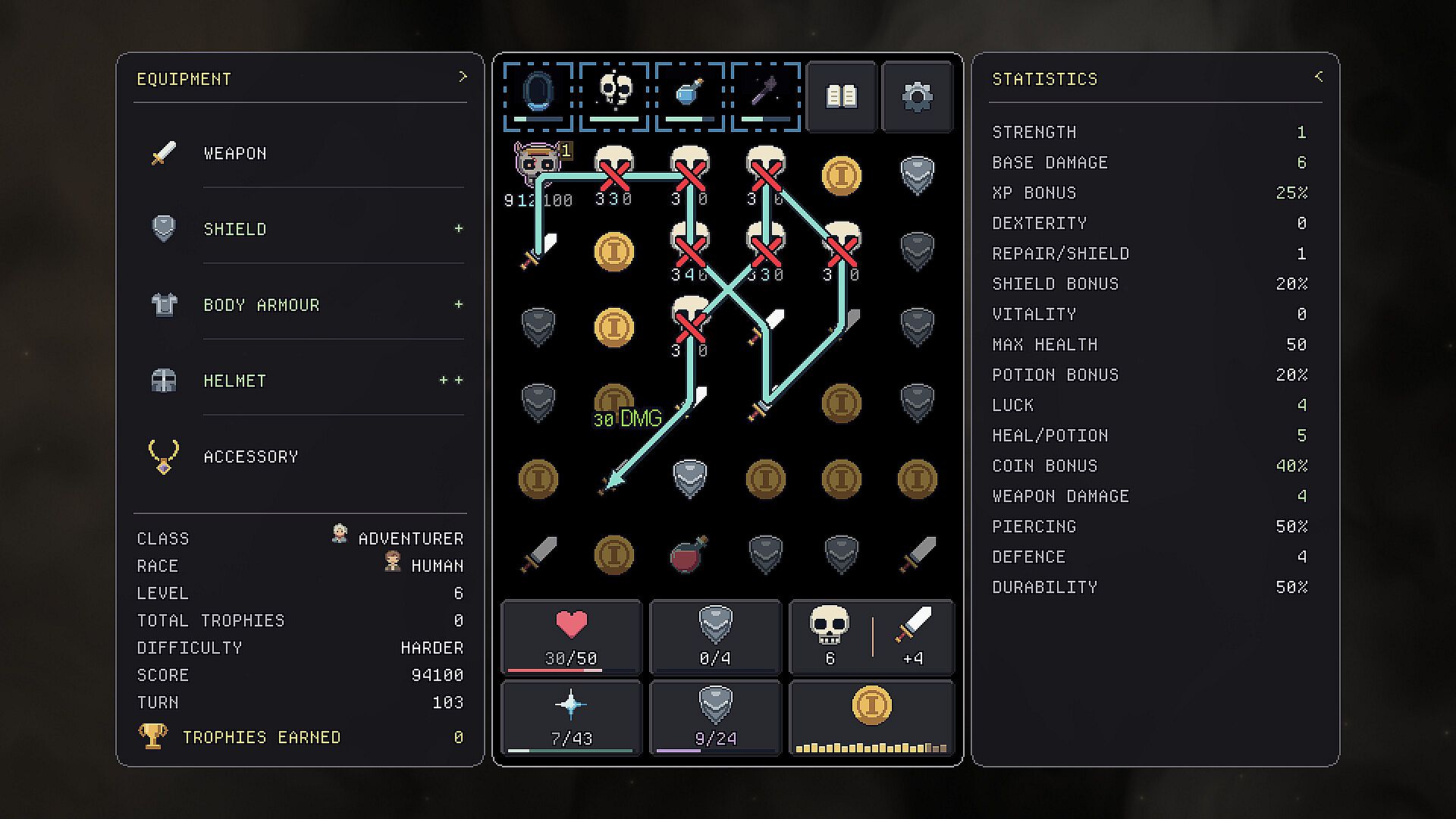
DragHunter is a single-player strategy RPG that blends tile-connecting puzzle mechanics with dungeon exploration and character progression. Players navigate procedurally shifting dungeons by dragging paths across adjacent tiles, including diagonals, to link resources and threats in a single fluid action. The core loop rewards careful planning as each connection clears space for fresh tiles while advancing the run toward greater challenges.
Gameplay
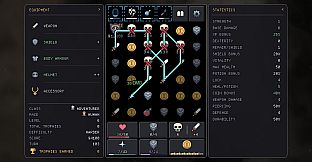
The central mechanic involves tracing routes through neighboring tiles to activate effects. Swords and skulls deliver strikes against enemies, potions restore health, shields mend armor, and coins fund future purchases. Every successful path reshapes the board, introducing new opportunities and risks as the dungeon layout evolves. This system demands attention to positioning and sequencing, since leaving behind certain tiles can set up stronger chains on subsequent turns.
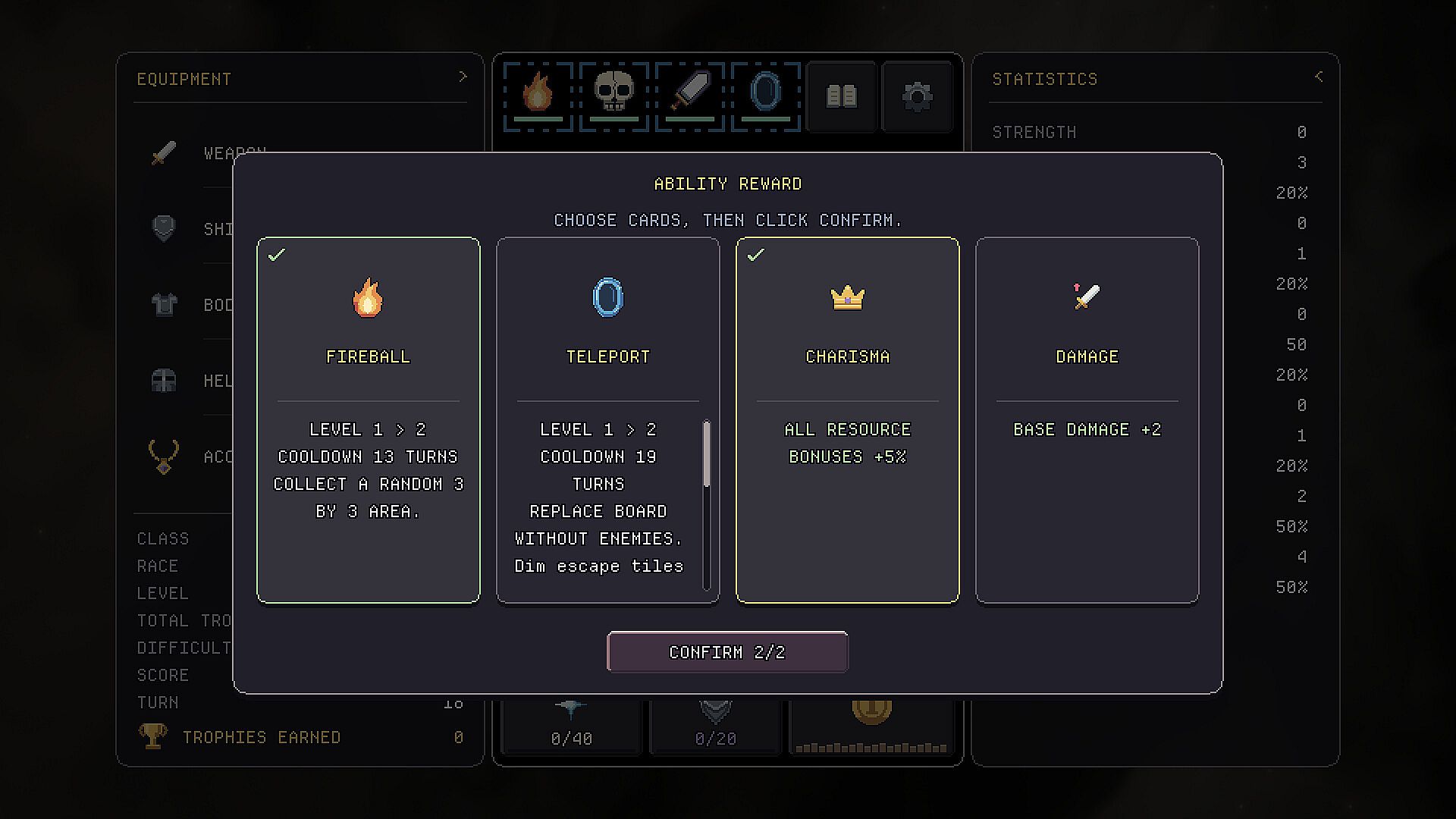
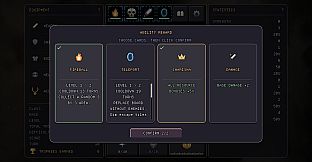
Four skill slots allow customization of each expedition. These tools can clear problematic clusters, extend promising chains, or stabilize difficult situations. Special enemies introduce additional constraints that force adaptive strategies beyond standard connections. Equipment occupies five dedicated slots, and gold earned during runs purchases upgrades or new gear. Level-up choices further tailor the build, turning short-term survival into long-term advantages.
Progression centers on unlocking variety through trophies collected across runs. Starting as a human adventurer, players gain access to ten classes and ten races. Each combination alters starting attributes and encourages experimentation with different skill sets on return visits. Forty skills in total provide depth for repeated play, letting players test fresh approaches without repeating the same path.
Game Modes
Two distinct modes shape the experience. Normal mode focuses on reaching and defeating the boss at the end of an expedition, providing a clear completion goal across four difficulty levels. Endless mode shifts emphasis to survival as the dungeon grows deeper with each layer, testing endurance and resource management over extended sessions.
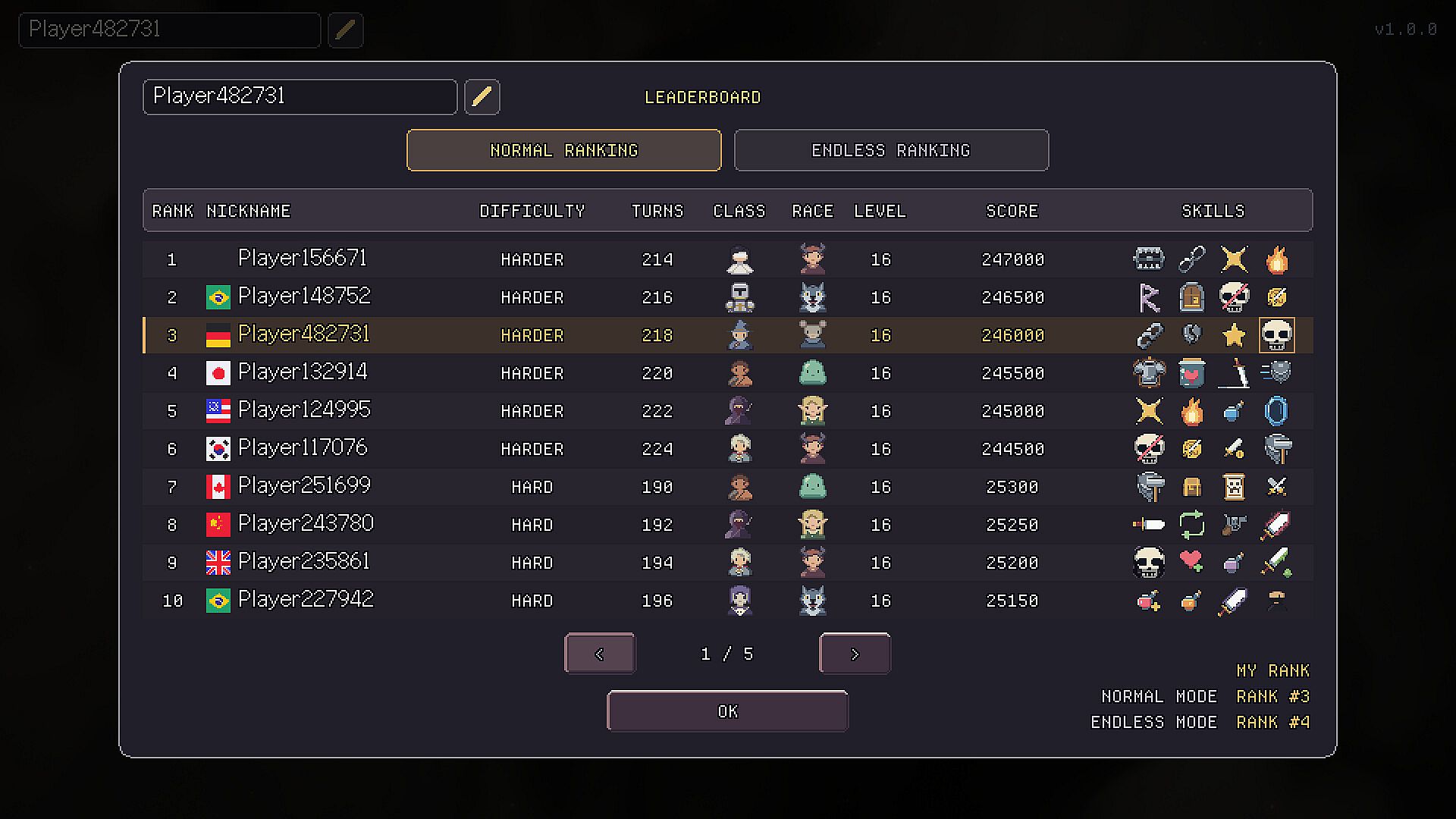
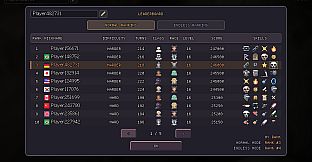
Separate world leaderboards track the strongest performances in both modes. Players may optionally share their records and country for comparison. These rankings add a competitive layer for those who enjoy optimizing runs and refining strategies against others.
Progression and Customization
Each run feeds into broader advancement. Gold and rewards convert directly into equipment improvements and level-up options that persist in meaningful ways across attempts. The trophy system gradually expands the roster of available classes and races, rewarding consistent play with new starting conditions and tactical possibilities. This structure supports multiple distinct playstyles while keeping the focus on the tile-connection core.
Is It Worth Playing?
DragHunter targets players who enjoy deliberate, turn-based puzzle elements within an RPG framework. Its mechanics reward foresight and efficient chaining rather than rapid reflexes, making it suitable for those who prefer methodical dungeon crawlers and roguelike decision-making. The combination of equipment slots, skill choices, and class-race unlocks provides meaningful variety for repeated expeditions without overwhelming complexity.
With a planned release in October 2026 and no reviews available yet, the game remains untested by a wider audience. Those drawn to indie strategy titles with single-player focus and leaderboard competition may find the described systems engaging. The emphasis on careful path selection and adaptive planning aligns well with fans of puzzle-driven RPGs who value strategic depth over action or narrative elements.