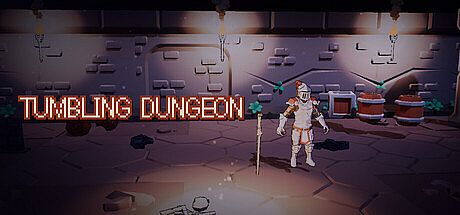


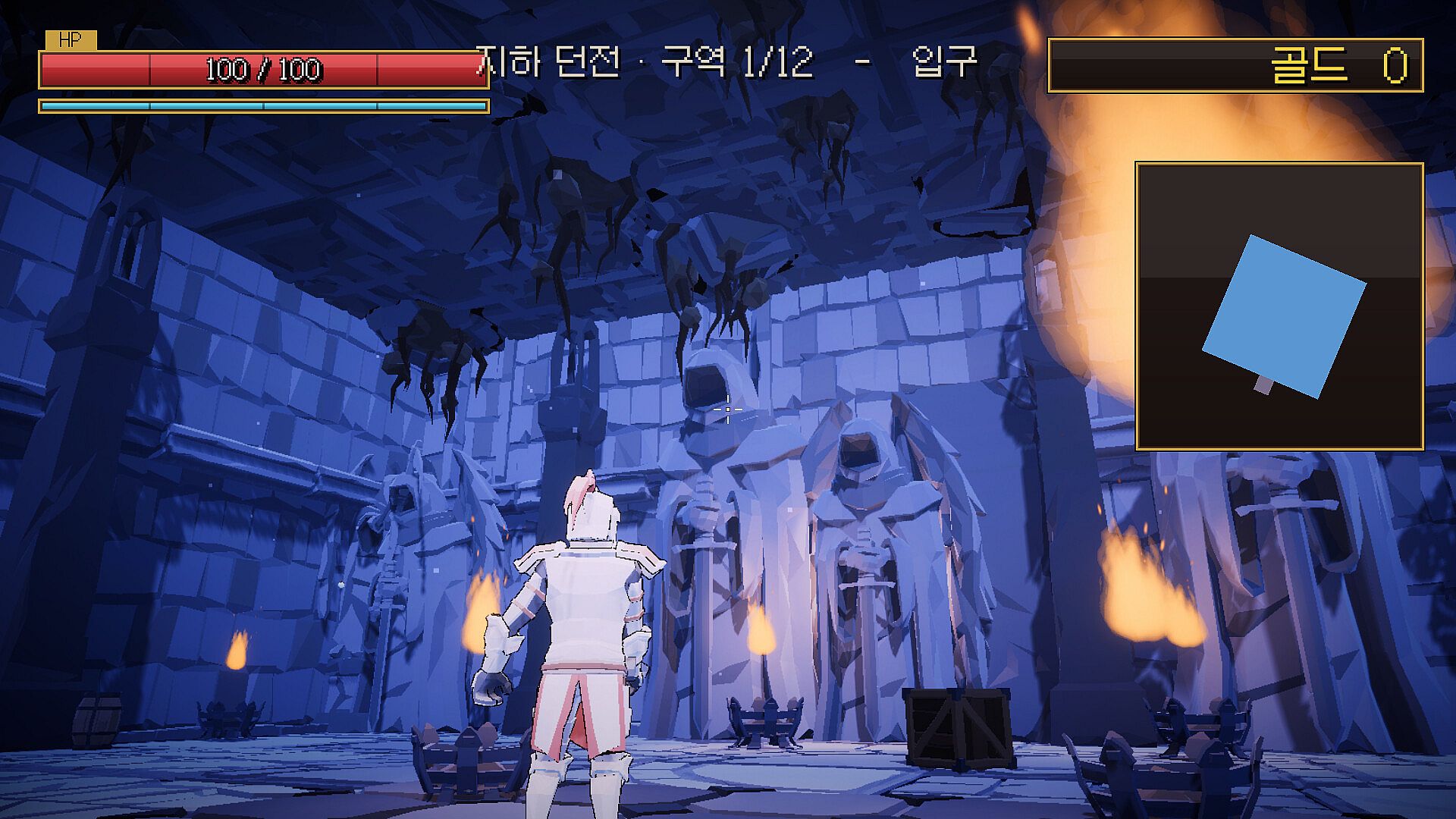
Tumbling Dungeon is a third-person action roguelike developed for PC by a solo creator. The game centers on physics-driven combat where a knight swings a mouse-aimed blade through procedurally generated dungeons. Players control the direction of attacks directly, with each swing carrying momentum that shoves, stumbles, or launches enemies. This setup creates a tactile loop of aiming, swinging, and dodging red telegraphed attacks while rolling for brief invulnerability frames.
Gameplay
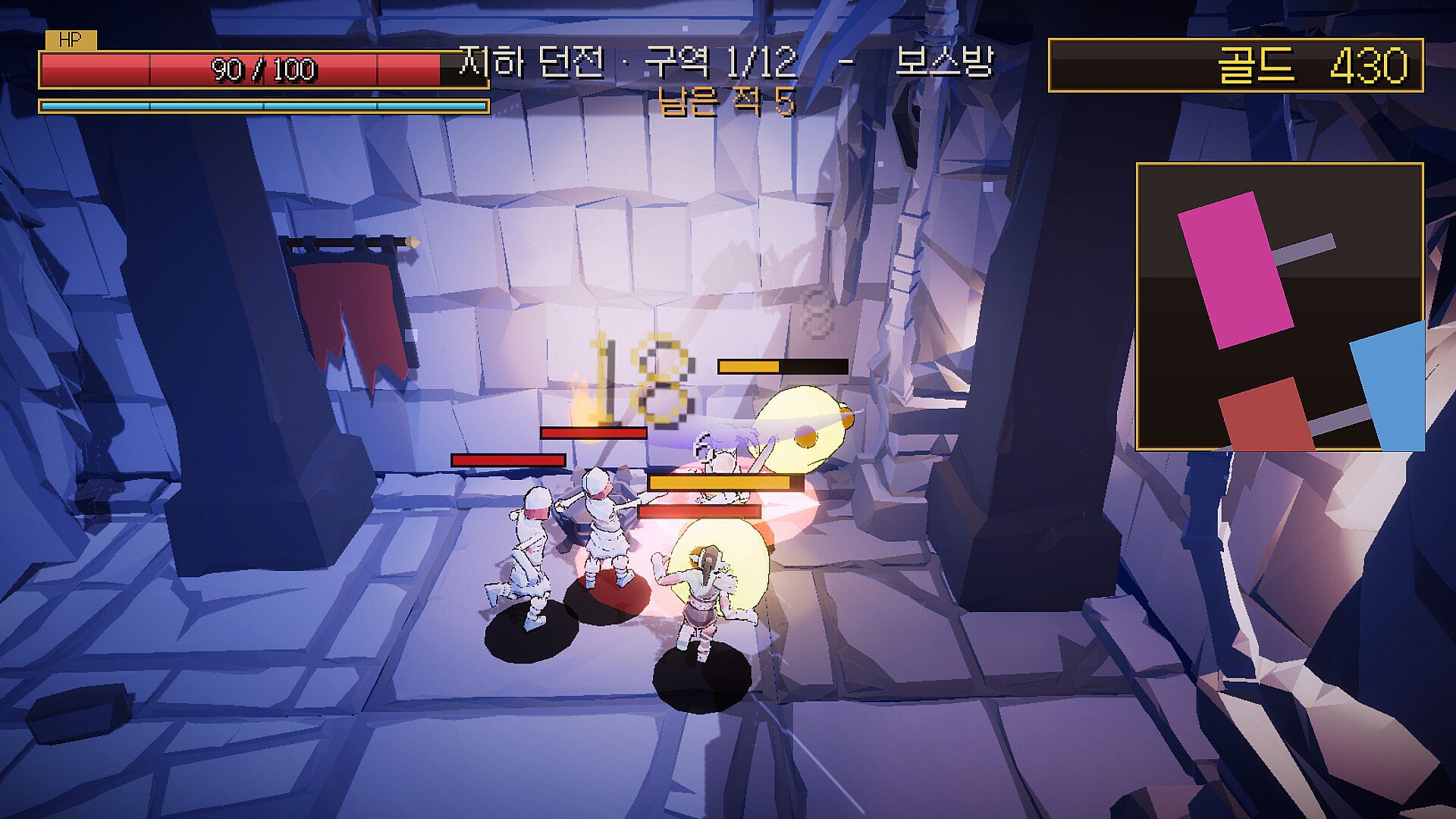
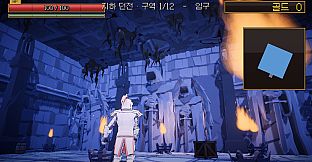
Combat relies on a shoulder-camera view that keeps the mouse cursor as the aiming point for the blade. Holding the attack button sustains swings, and rolling creates a short safe window to reposition or avoid hits. Eight distinct weapons appear across runs, including dagger, sword, katana, greatsword, spear, axe, hammer, and mace. Each of the three playable characters maintains its own shop inventory for these options. Visual feedback includes floating damage numbers, hit flashes, and status effects such as burn, slow, freeze, and bleed. Players can disable camera shake for comfort.
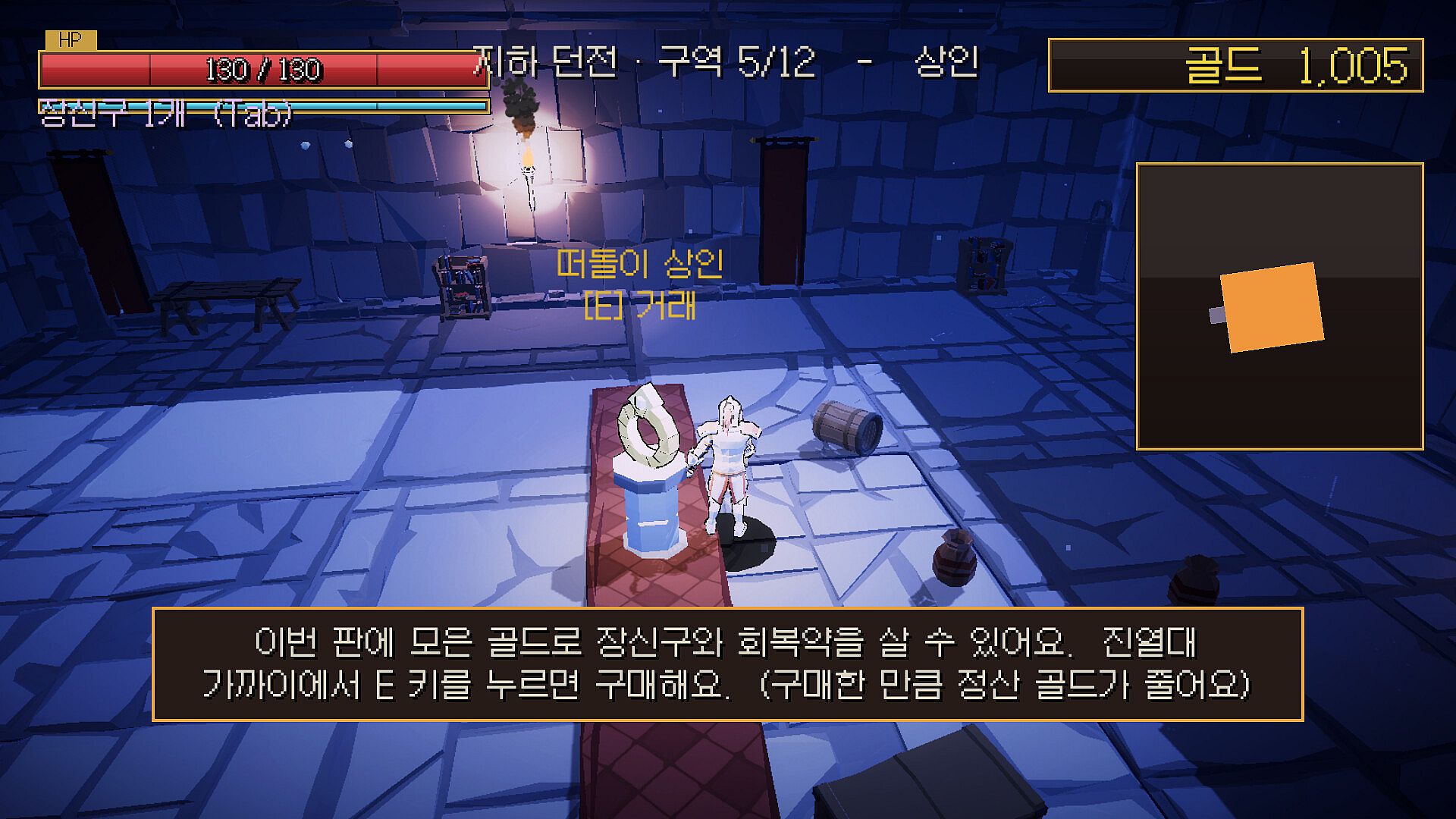
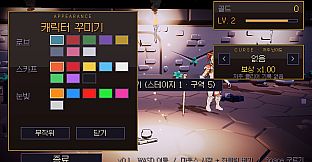
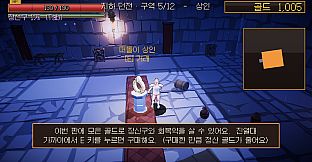
Progression through each run involves clearing locked rooms that spawn waves of enemies. Some rooms require hunting a glowing elite or surviving a timed onslaught instead of total elimination. Treasure rooms, merchants, campfires, and altars provide breaks in the action. Zone mutators alter rules on the fly, while elite affixes add unpredictability. Later stages introduce enemies capable of shielding, healing, or teleporting. Three characters offer variety: the Knight, Berserker, and Guardian each bring unique passives, two skills, and weapon preferences.
Game Modes
The core experience unfolds across three stages, each containing nine zones for a total of 27 zones and nine boss encounters. Underground Dungeon, Desert Fortress, and Frozen Cavern generate fresh layouts every attempt. Bosses appear at the third, sixth, and ninth zone of any stage. Runs emphasize single-player roguelike structure with no multiplayer components. Optional pacts become available after clearing the first stage, increasing both challenge and end-of-run rewards through added Heat levels.
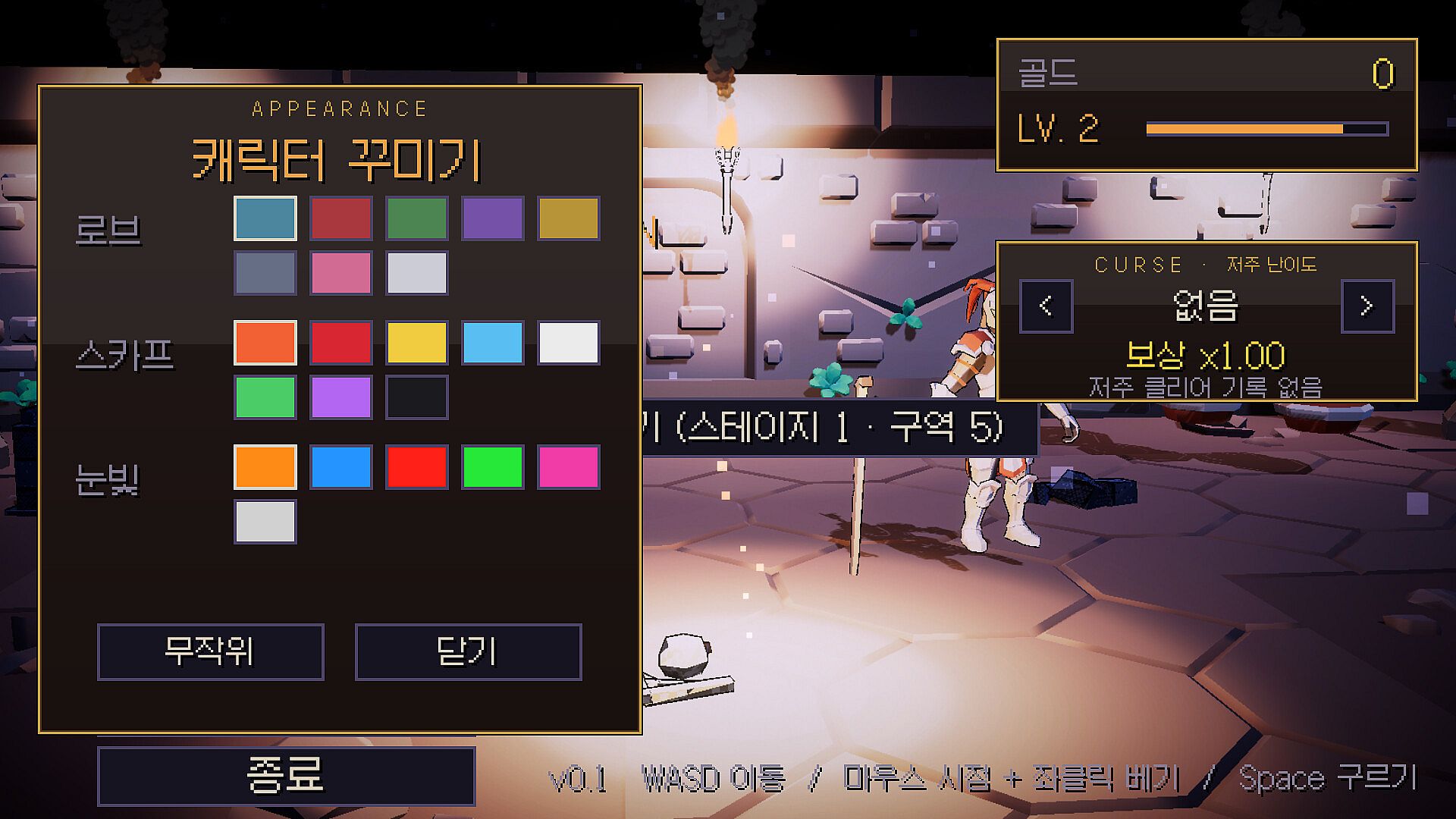
Difficulty options include three base settings plus Curse levels that scale danger alongside potential gains. Shrine events let players trade for rewards, while soul shards spent at altars grant small permanent rite bonuses across attempts. Shop purchases of gear and weapons persist between runs, though relics and gold reset each time.
Progression and Customization
Build variety comes from 54 relics tagged with six elemental categories. These combine with 12 set bonuses and stackable status effects. Relics and gold collected during a run stay temporary, but carried-over shop items allow gradual expansion of available choices. The system rewards experimentation with elemental synergies and set completions.
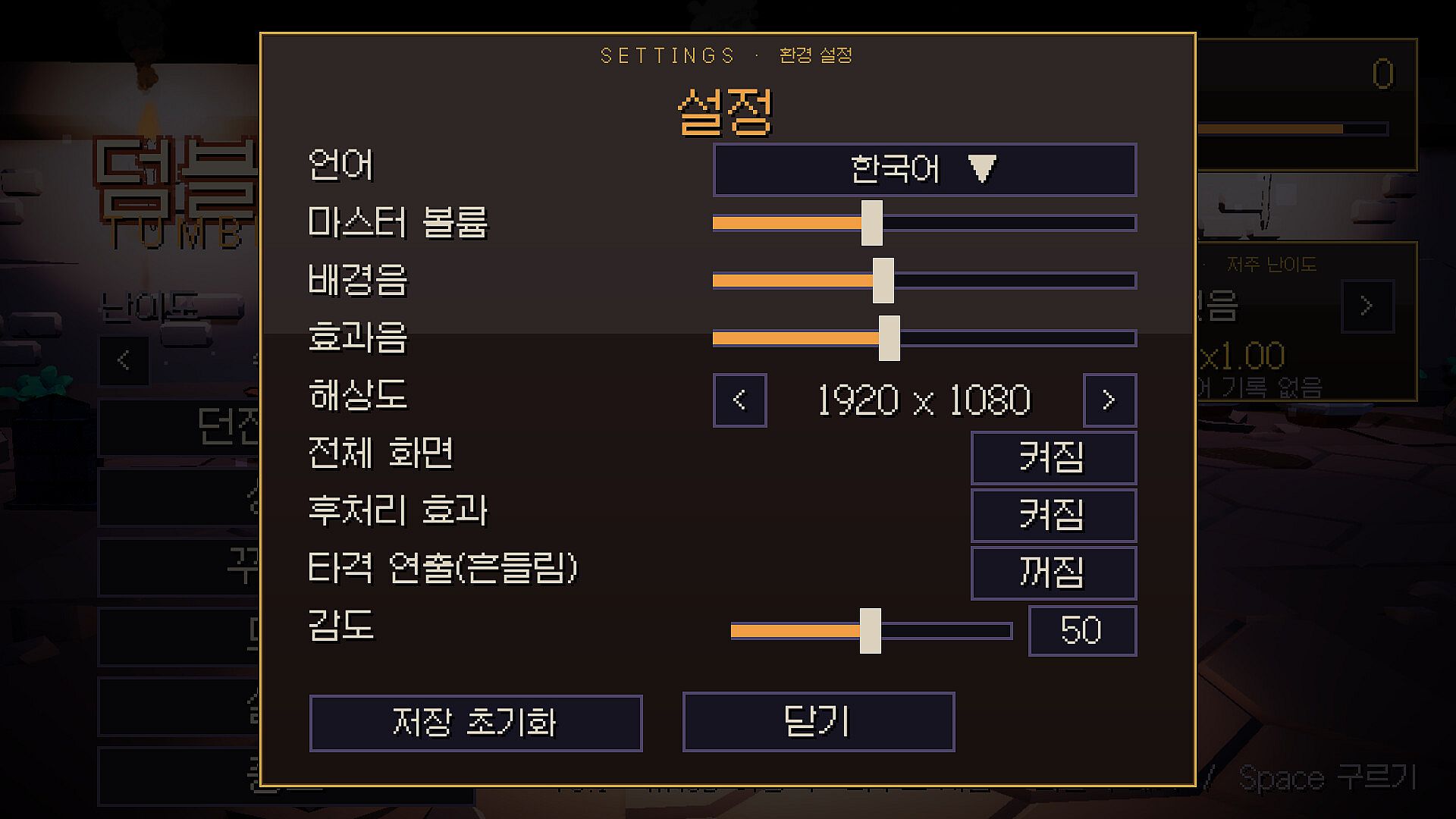
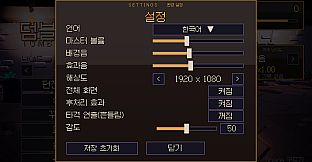
Accessibility features support keyboard and mouse play with full key rebinding, adjustable mouse sensitivity, field of view, and an aim assist toggle. Graphics quality, frame limits, and an FPS counter round out the options menu. Forty achievements track progress, and the interface supports nine languages, though translations beyond Korean rely on machine assistance.
Is It Worth Playing?
Tumbling Dungeon targets players who enjoy precise, physics-based action in a roguelike format. The emphasis on mouse-aimed swings and momentum-driven enemy reactions sets it apart from typical dungeon crawlers. With three characters, multiple weapons, and layered relic systems, each run offers distinct build paths. Procedural zones and mutators keep layouts varied, while optional pacts and curse levels let players tune risk and reward.
Those who prefer single-player experiences with strong feedback loops around combat weight and positioning will find the core loop engaging. The game remains in development by one person, so the current feature set reflects the listed mechanics without additional confirmed content. Availability on PC with extensive control and visual options makes it accessible for a wide range of play styles focused on deliberate, weighted melee encounters.