



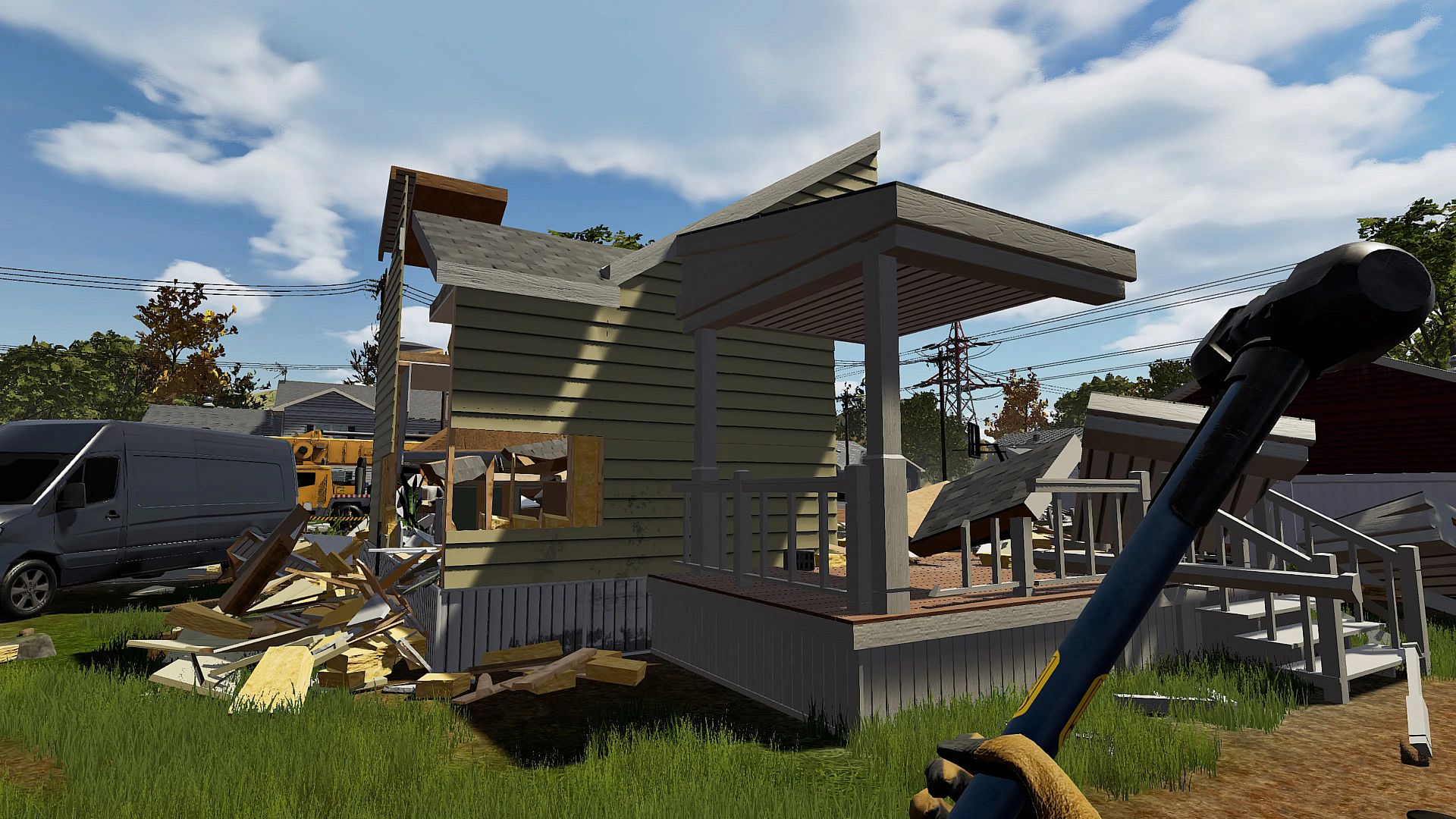
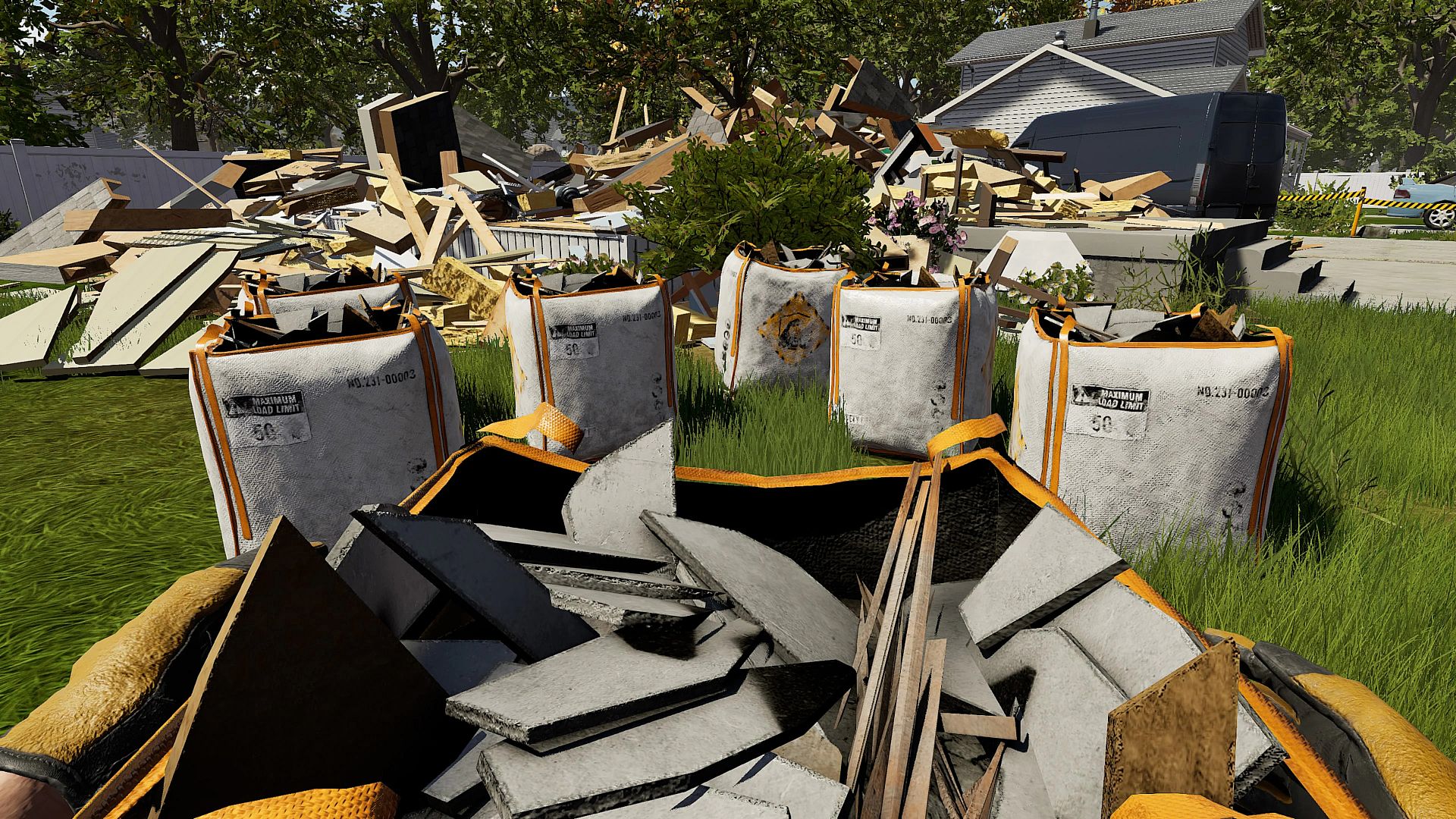

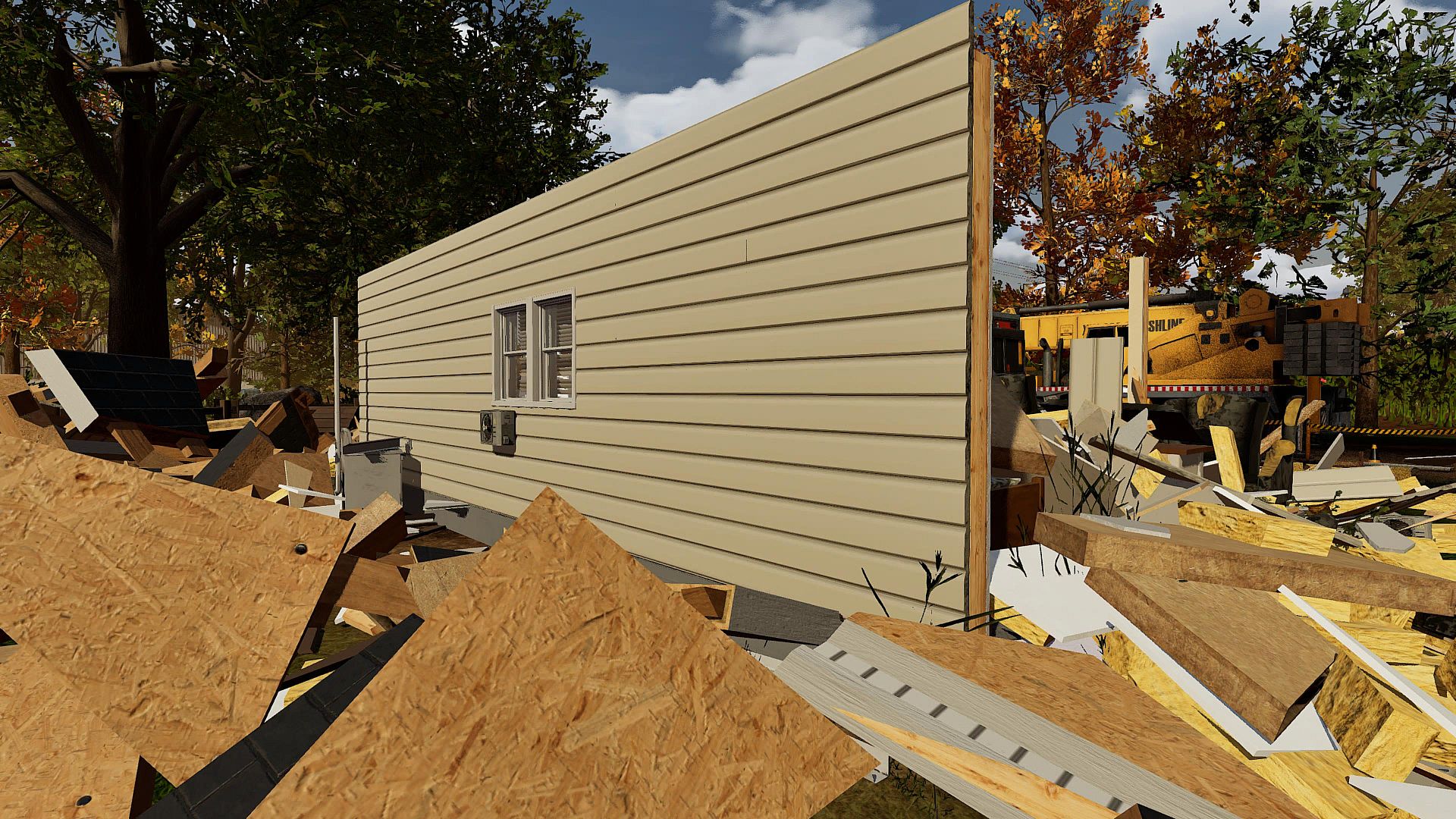






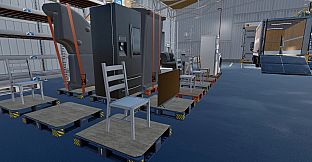
Deconstruction Simulator is a simulation game that puts players in charge of a demolition business on PS5. The core experience revolves around taking on contracts to tear down structures, salvage materials, and manage a growing operation through careful planning or more aggressive approaches.
Gameplay
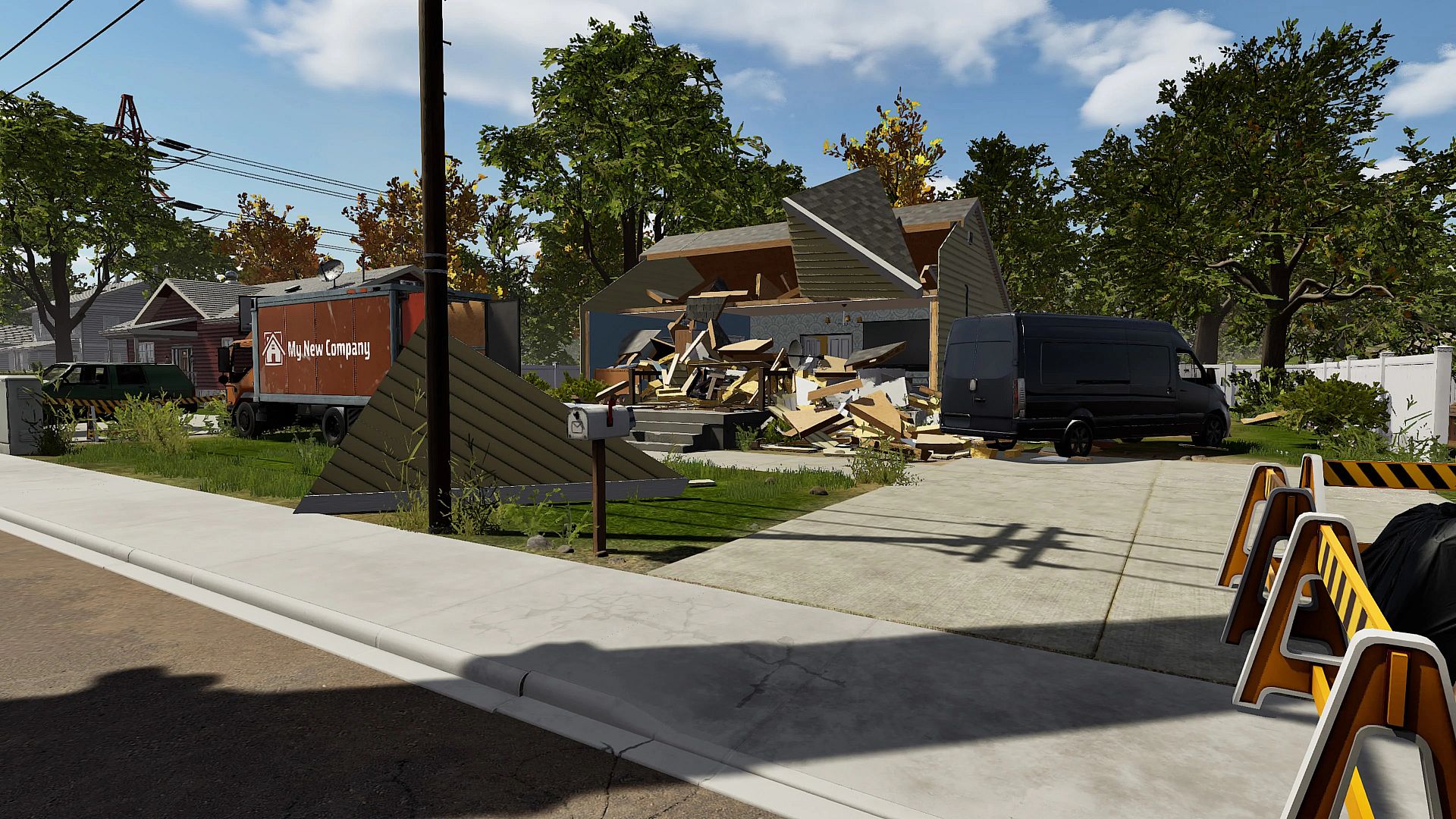
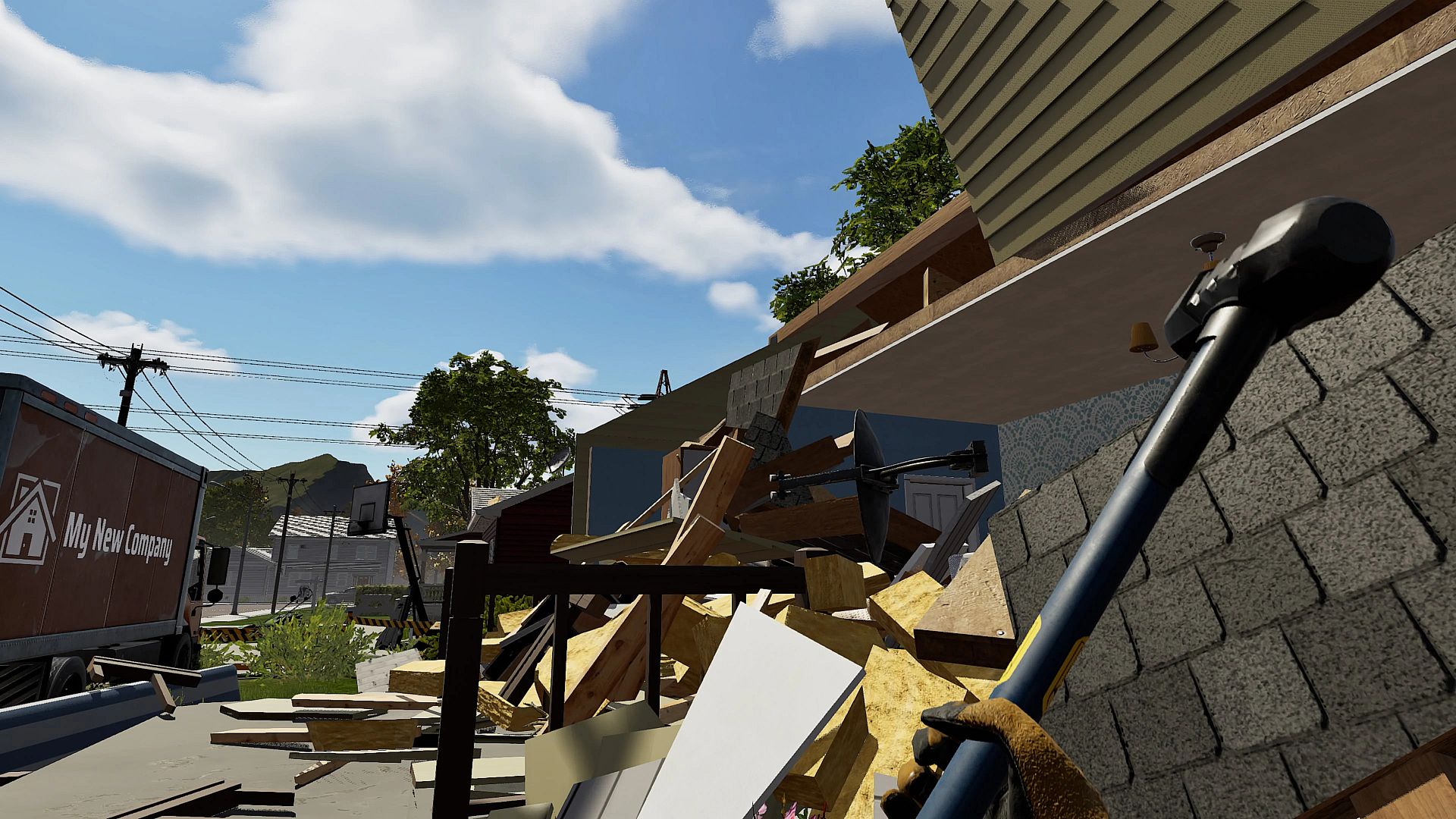
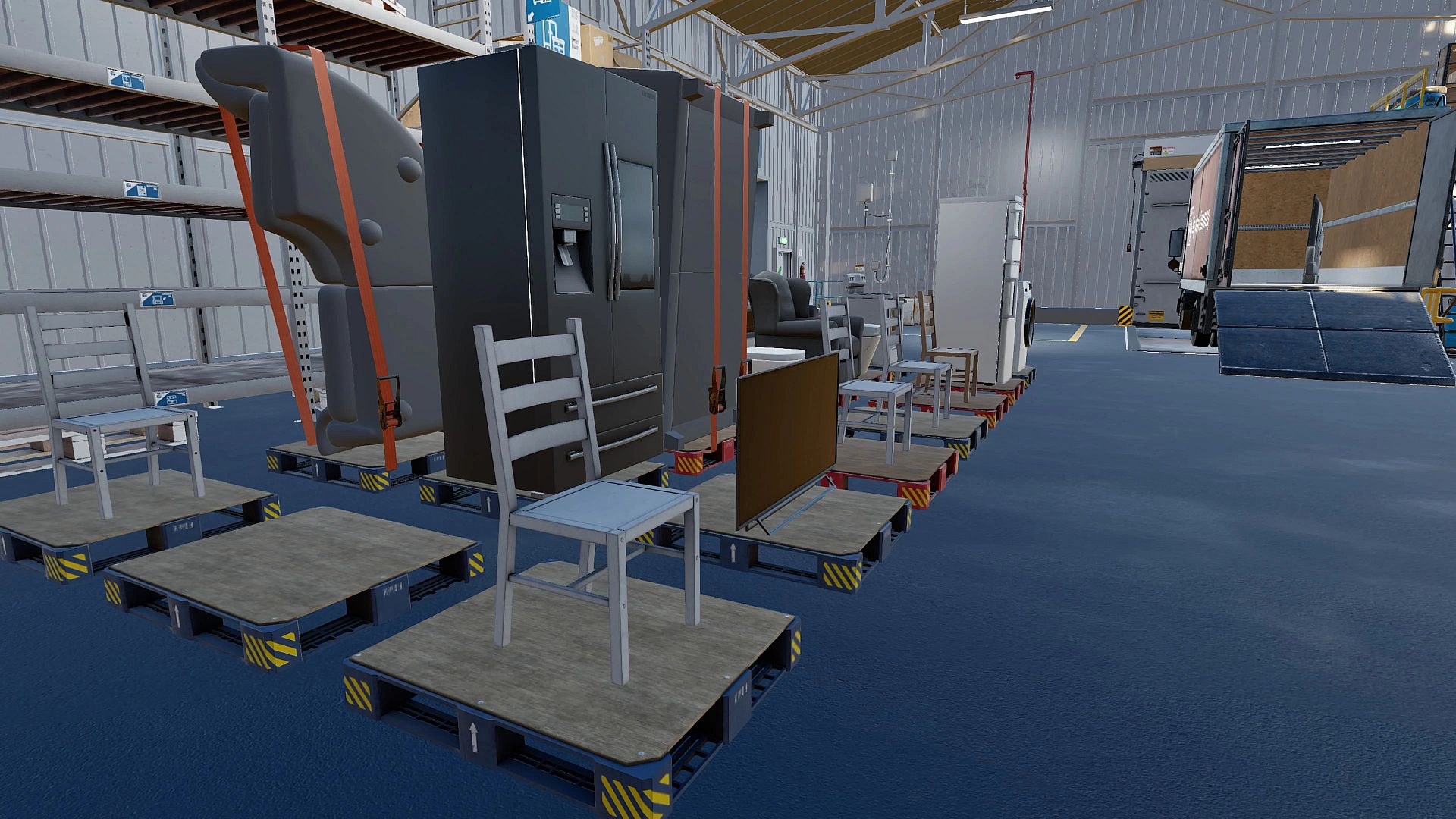
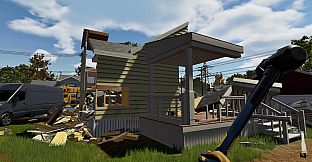
The gameplay centers on realistic destruction mechanics that let players dismantle buildings and furniture in a detailed, physics-driven environment. Contracts arrive with specific goals, such as removing certain elements or clearing entire sites, and success depends on recovering usable items like wood, metal, and fixtures for resale or recycling. Tools range from basic hammers to larger equipment including wrecking balls, allowing for precise work or broader chaos that can lead to satisfying collapses. Players must also handle cleanup and loading salvaged goods into vehicles, which adds layers of management to each job. Progression involves earning money to purchase upgrades for tools and vehicles, expand storage space, and acquire properties that support larger operations. Reputation plays a key role, as deviating from client instructions can reduce payouts and limit access to higher-tier permits that unlock more complex and lucrative work.
Every contract introduces new challenges through varied building types, from simple rundown structures to more elaborate homes. The freedom to choose approaches encourages experimentation, whether following exact requirements for maximum profit or embracing creative demolition for personal satisfaction. Advanced physics ensure that actions have predictable yet dynamic outcomes, rewarding thoughtful strategy while still permitting spontaneous fun.
Game Modes
The game operates through a contract system that serves as its primary structure. Players browse available jobs and select those that match their current equipment and skill level. Each contract functions as a self-contained session focused on demolition, material recovery, and sale. There are no separate competitive or cooperative modes, keeping the focus on solo progression through increasingly demanding assignments. Higher reputation and experience levels grant access to advanced permits, expanding the range of available contracts and business decisions.
Progression ties directly into this contract loop, with earnings funding equipment improvements and property acquisitions that open new opportunities. The system supports different playstyles, from methodical professionals who stick to guidelines for steady income to riskier operators who prioritize speed and volume over precision.
Business Management and Progression
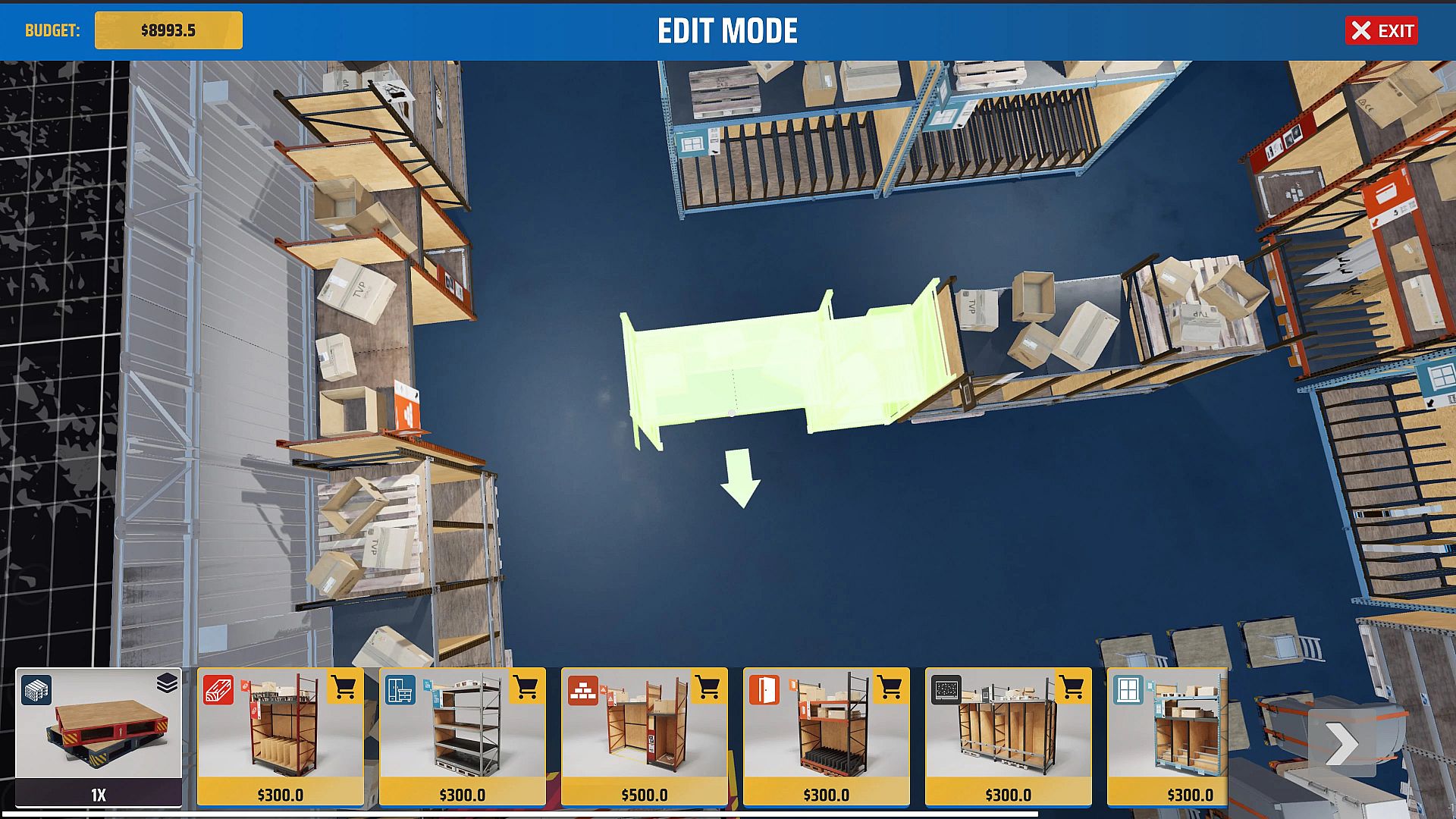
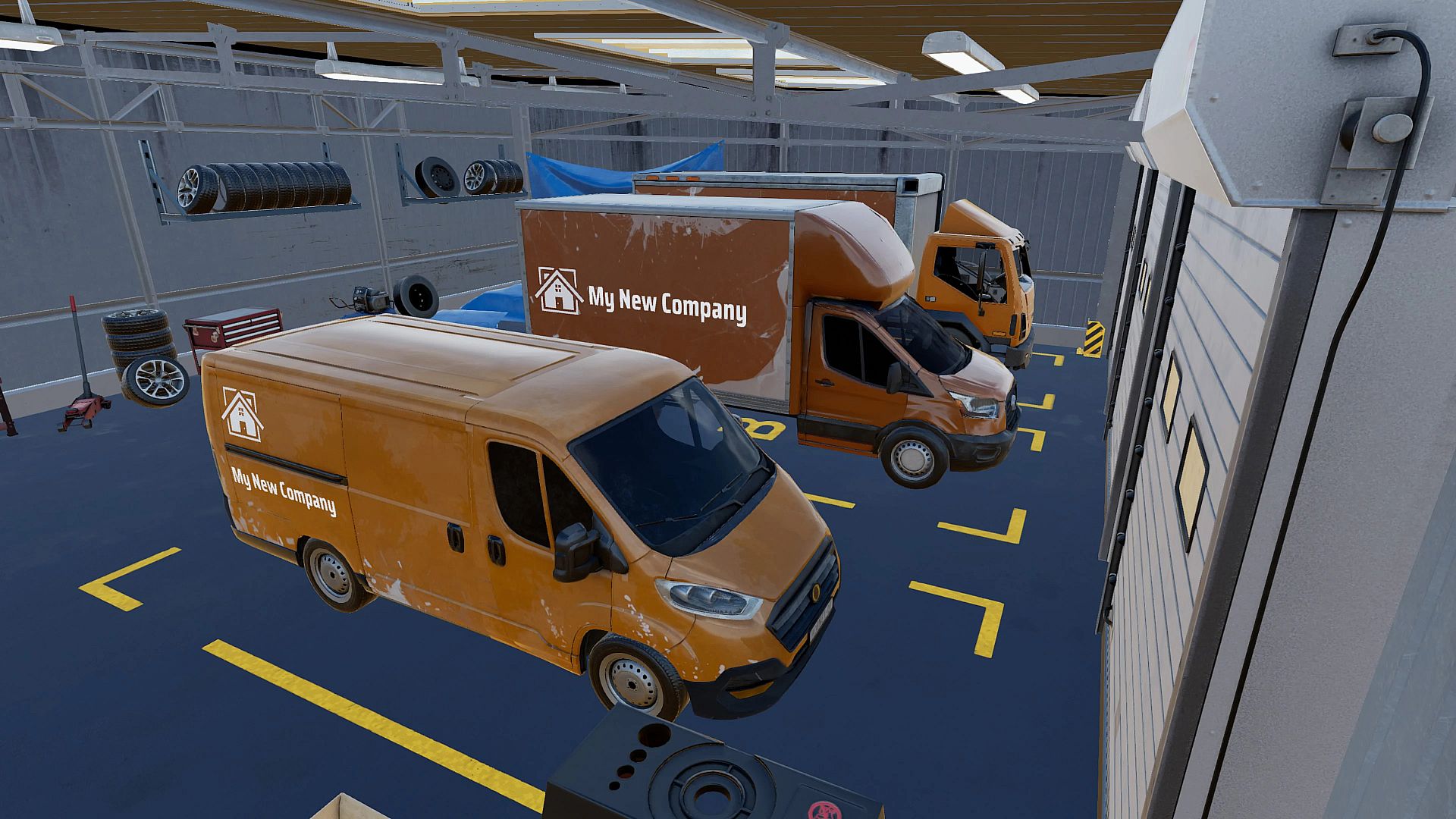
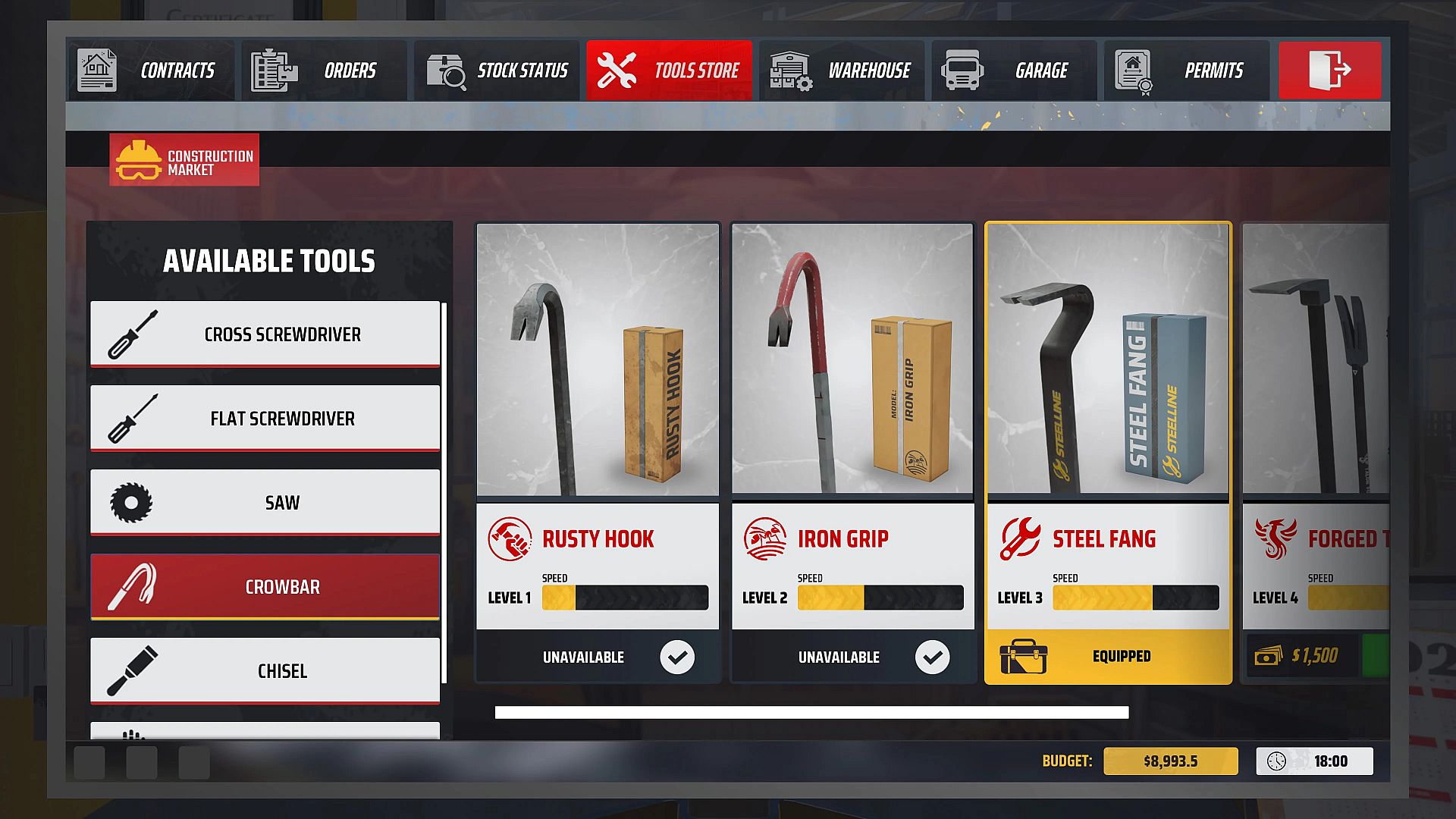
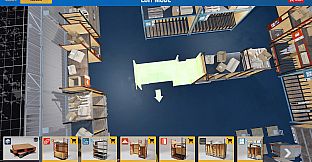
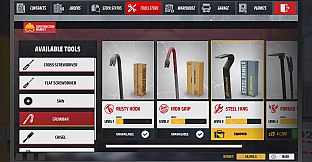
After completing contracts, players invest profits into expanding their deconstruction company. This includes upgrading vehicles for better transport capacity, improving warehouse facilities for storage, and acquiring new tools that handle tougher materials or larger scales. Decisions about which upgrades to prioritize influence how efficiently future jobs can be completed and which contracts become feasible. Reputation management adds another dimension, as consistent performance opens better-paying opportunities while repeated violations can close doors. The loop of demolition, recovery, sale, and reinvestment creates a steady sense of growth without external distractions.
Is It Worth Playing?
Deconstruction Simulator appeals most to fans of casual simulation experiences who enjoy hands-on destruction and resource management. The physics-based demolition provides consistent satisfaction across contracts, and the upgrade path gives clear goals for long-term play. Reviews note that the smashing and dismantling feel rewarding, though some players find the vehicle loading and repetitive elements can slow momentum. The game runs on PS5 with controller support, making it accessible for those who prefer relaxed sessions over intense action. If the idea of building a demolition business through contracts and careful salvaging matches your interests, it offers solid value in that niche. Those seeking narrative depth or variety beyond the core loop may find it less engaging after the initial contracts. Overall, it delivers on its promise of freedom in demolition for the right audience.