


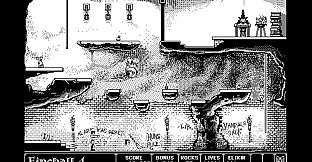
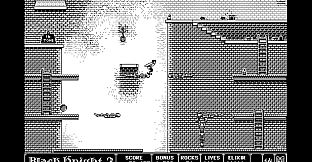
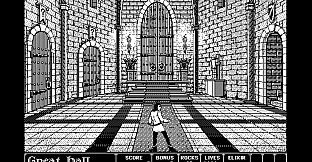
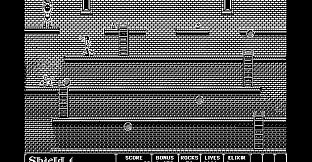
Dark Castle è un platform a puzzle d'azione in stile cinematografico 1-bit in cui il giocatore guida Duncan attraverso i pericoli del castello del Cavaliere Nero. Pubblicato originariamente per Macintosh nel 1986, questa riedizione conserva l'esperienza originale fatta di movimenti precisi, combattimenti basati sul lancio di pietre e stanze-puzzle che richiedono osservazione, tempismo e perseveranza. Il gioco unisce animazioni comiche a un umorismo cupo, dando vita a uno stile in bianco e nero che punta sulla presentazione cinematografica e su pericoli indimenticabili.
Gameplay
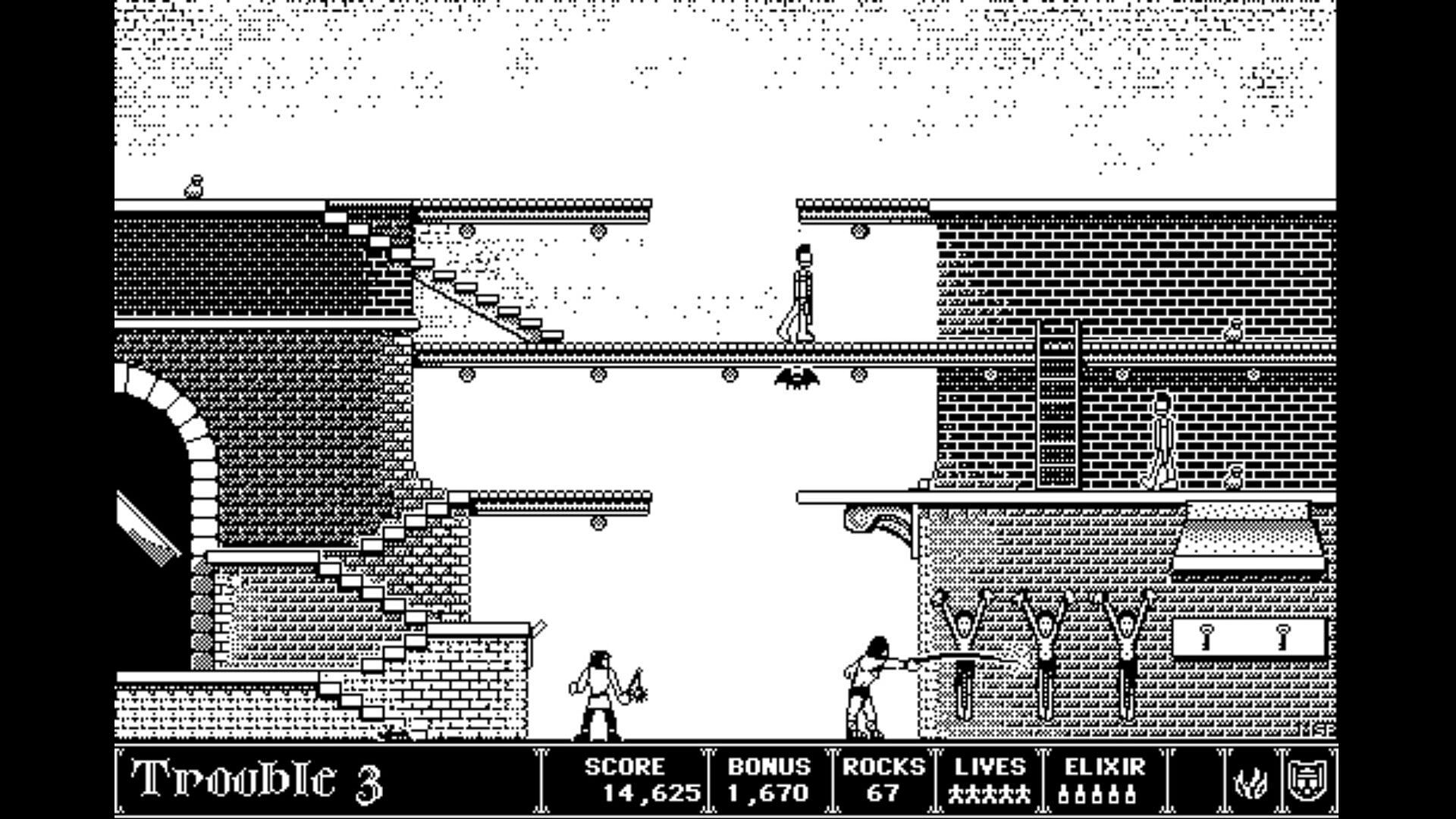
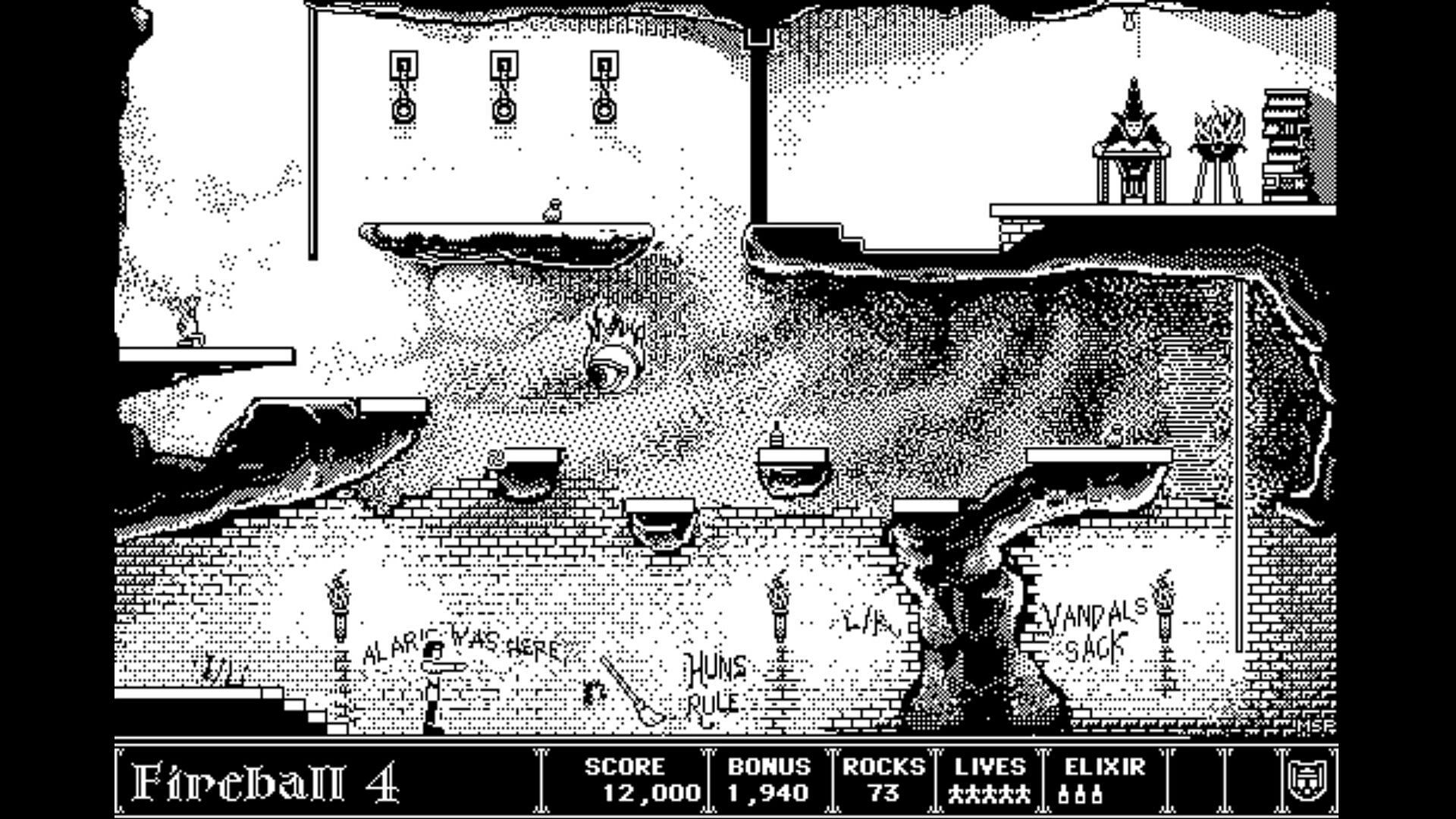
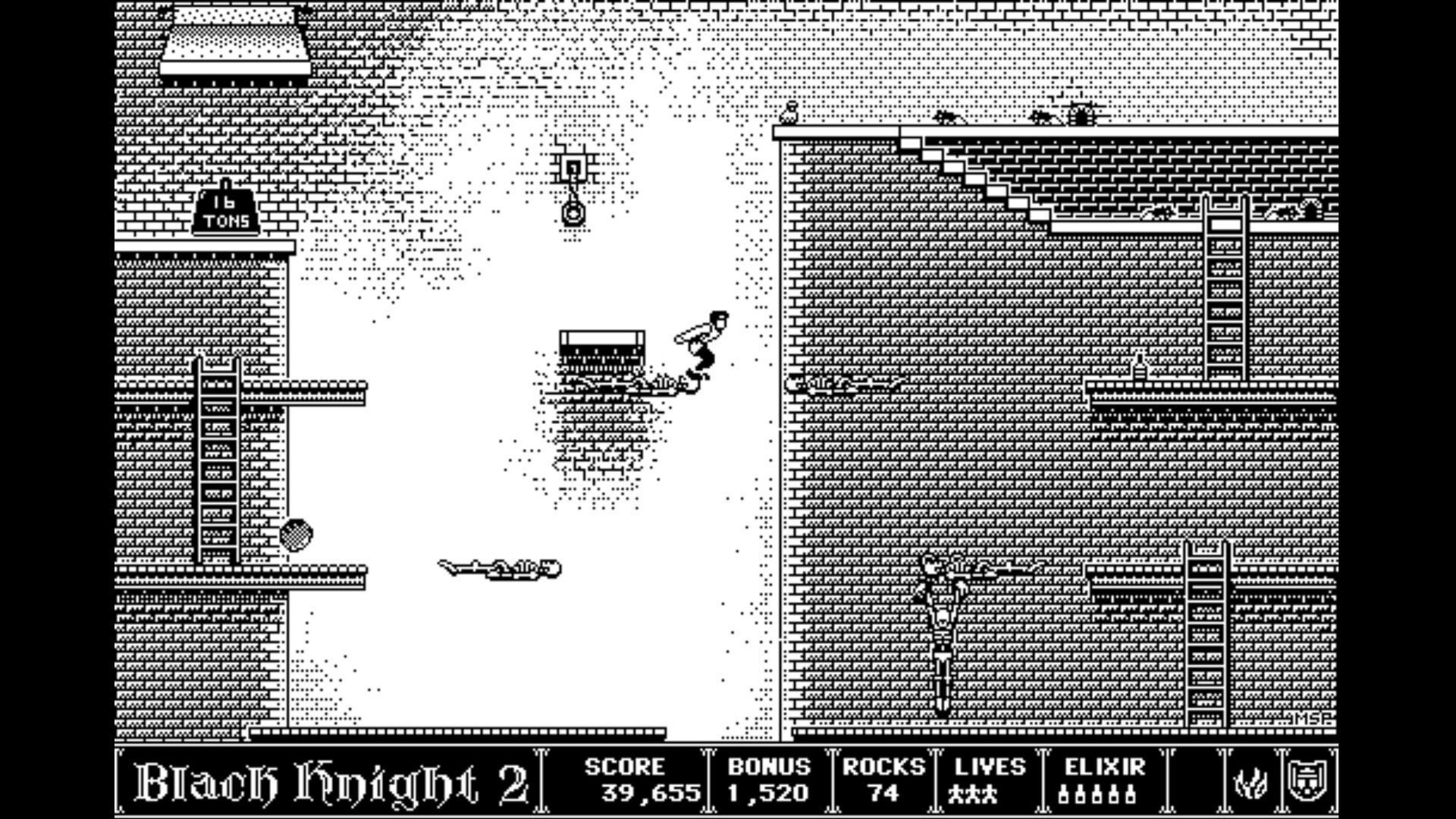
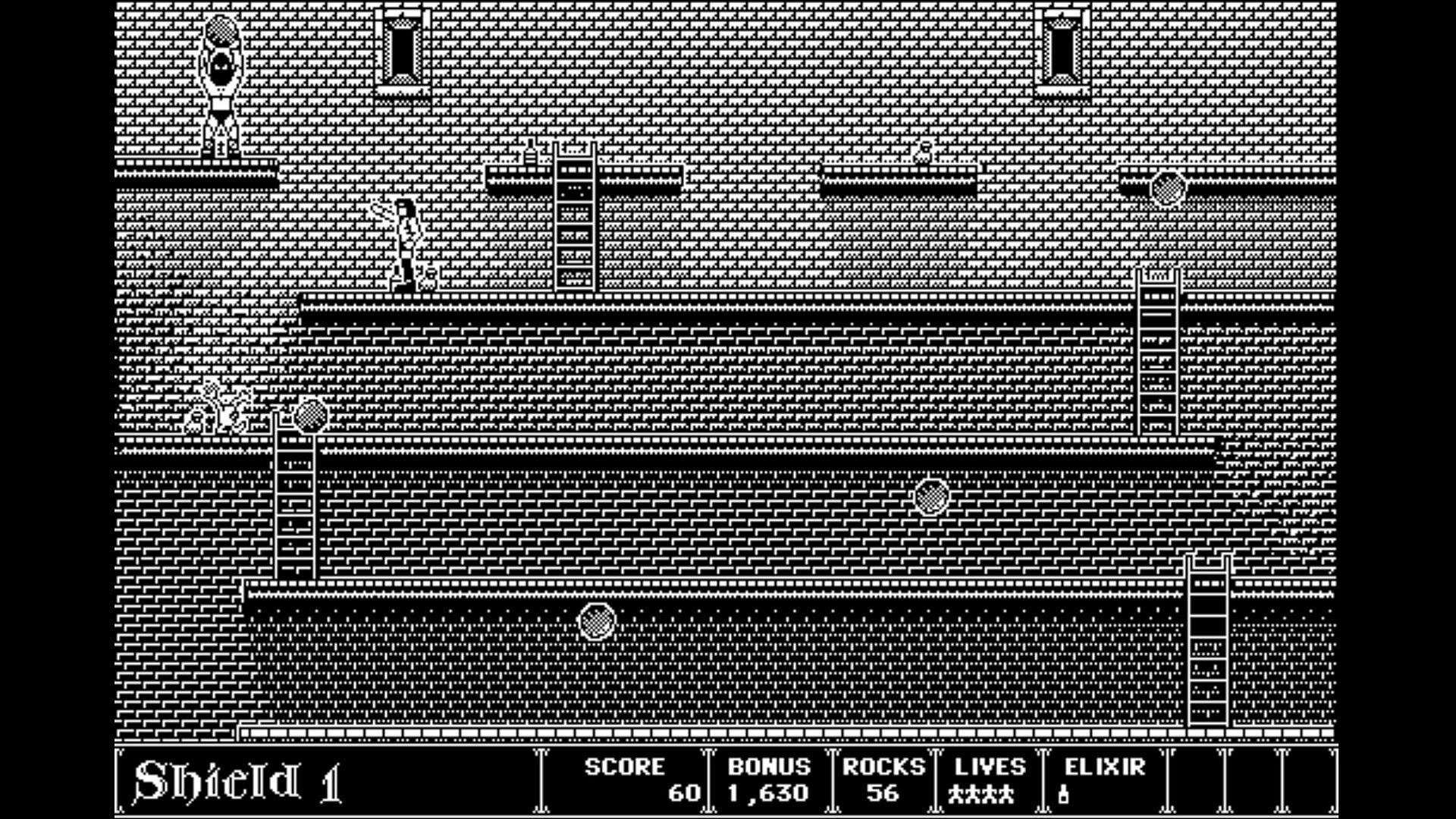
Il giocatore fa avanzare Duncan attraverso stanze anguste popolate da guardie, ratti, pipistrelli, corde, sporgenze e trappole. I movimenti esigono salti calcolati e un posizionamento accurato, mentre il combattimento consiste nel mirare e lanciare pietre contro i nemici. Ogni area funziona come una prova continua in cui un errore di tempismo porta al fallimento immediato, premiando i tentativi ripetuti e la capacità di riconoscere i pattern. La struttura a hub centrale permette diversi percorsi all'interno del castello, favorendo l'esplorazione senza modificare il ciclo fondamentale di piattaforme e risoluzione di puzzle. Le animazioni conferiscono un tocco comico a morti e interazioni, sottolineando l'equilibrio tra sfida e umorismo.
Modalità di gioco
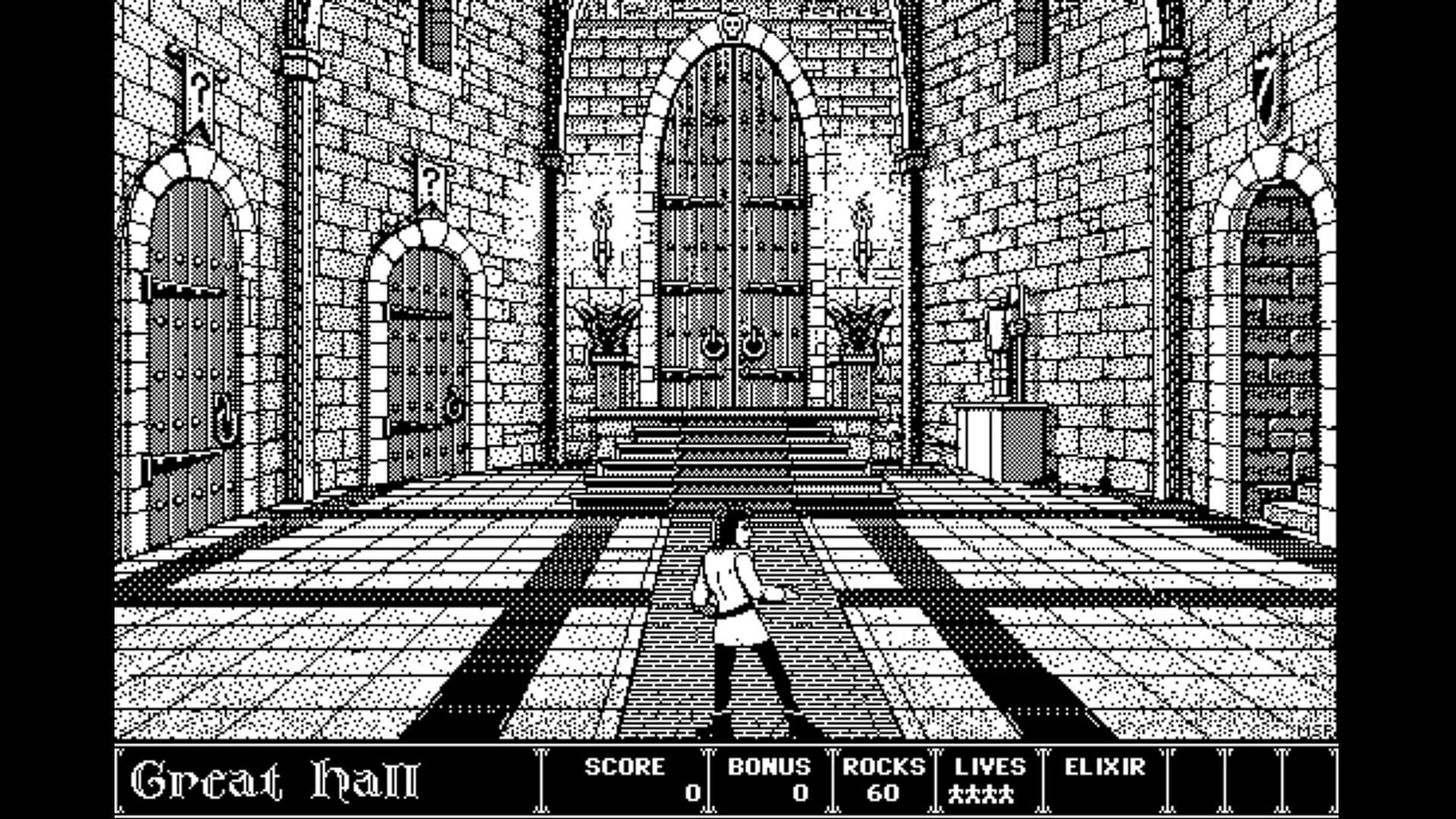
Dark Castle è un'esperienza single-player incentrata sul progresso attraverso livelli collegati tra loro a partire dall'hub centrale. Non sono previste modalità multigiocatore né varianti. Il progresso dipende dalla padronanza delle singole stanze e dalla scelta di percorsi adatti a diversi stili di tempismo e di approccio ai nemici. La struttura incoraggia i tentativi ripetuti sugli stessi livelli per affinare le strategie, pur mantenendo l'attenzione sulla perseveranza in una singola sessione attraverso le sfide del castello.
Meccaniche e sfide principali
L'osservazione è fondamentale per individuare schemi di trappole e comportamenti nemici prima di agire. Corde e sporgenze aggiungono una dimensione verticale che richiede tempismo preciso per evitare cadute o collisioni. Le munizioni di pietra sono limitate in ogni scontro, obbligando il giocatore a gestire le risorse mentre affronta minacce multiple. L'estetica 1-bit semplifica la grafica ma mette in risalto elementi critici come pericoli in movimento e oggetti interattivi. La perseveranza diventa indispensabile perché molte sezioni offrono margini di errore ridotti, rendendo ogni attraversamento riuscito un risultato meritato.
Vale la pena giocarci?
Dark Castle è adatto a chi apprezza i platform di precisione retrò e la soddisfazione di superare sfide basate sul tempismo. Il focus single-player e l'enfasi sull'osservazione lo rendono ideale per chi cerca un'esperienza compatta e rigiocabile, senza modalità aggiuntive né elementi online. La riedizione mantiene la difficoltà e l'umorismo dell'originale, attirando collezionisti e appassionati dei primi videogiochi per computer che preferiscono un ritmo deliberato rispetto alle comodità moderne. La disponibilità su PC attraverso questa implementazione fedele ne facilita l'accesso a un nuovo pubblico interessato alle origini del genere. Chi è attratto da pericoli comici e dalla presentazione in bianco e nero troverà un coinvolgimento costante in tutti i livelli.