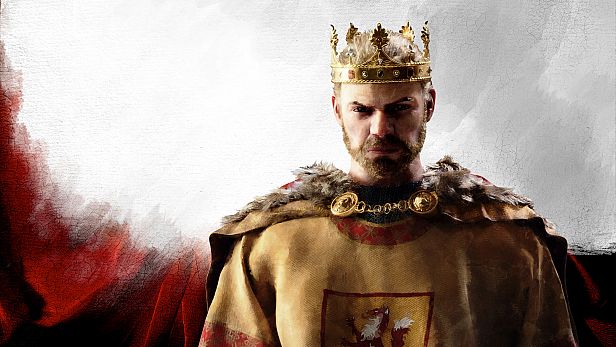



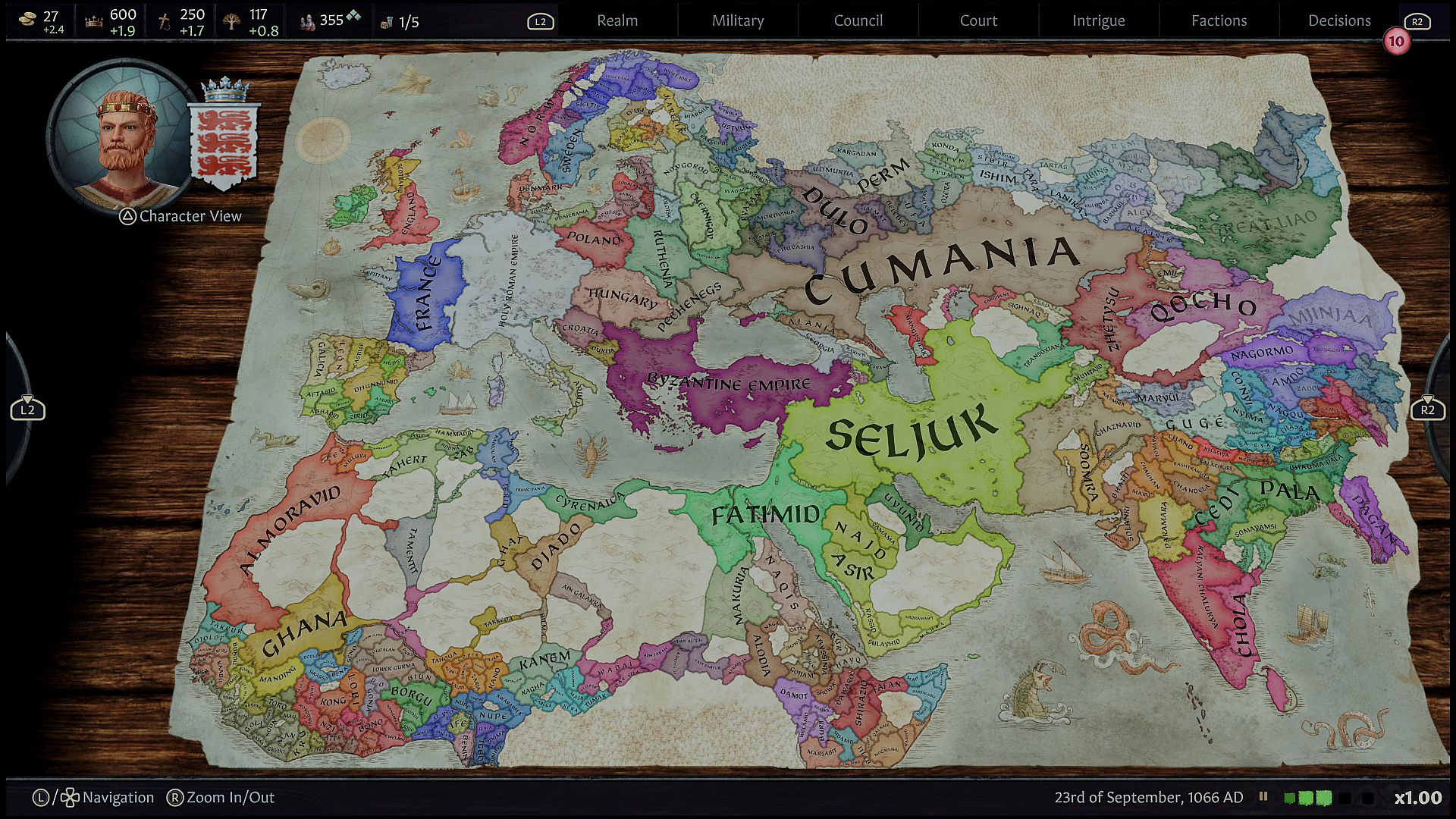
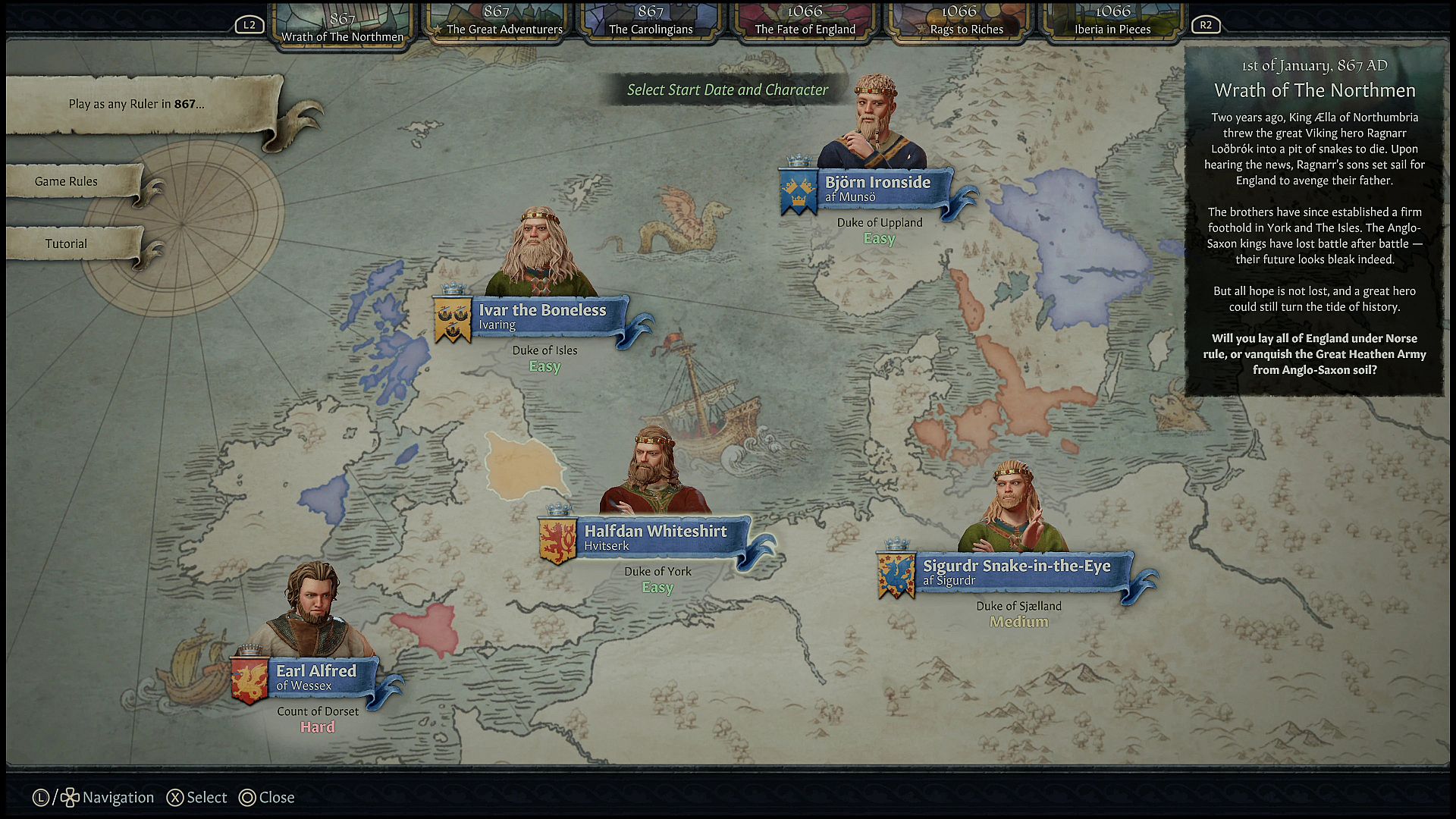
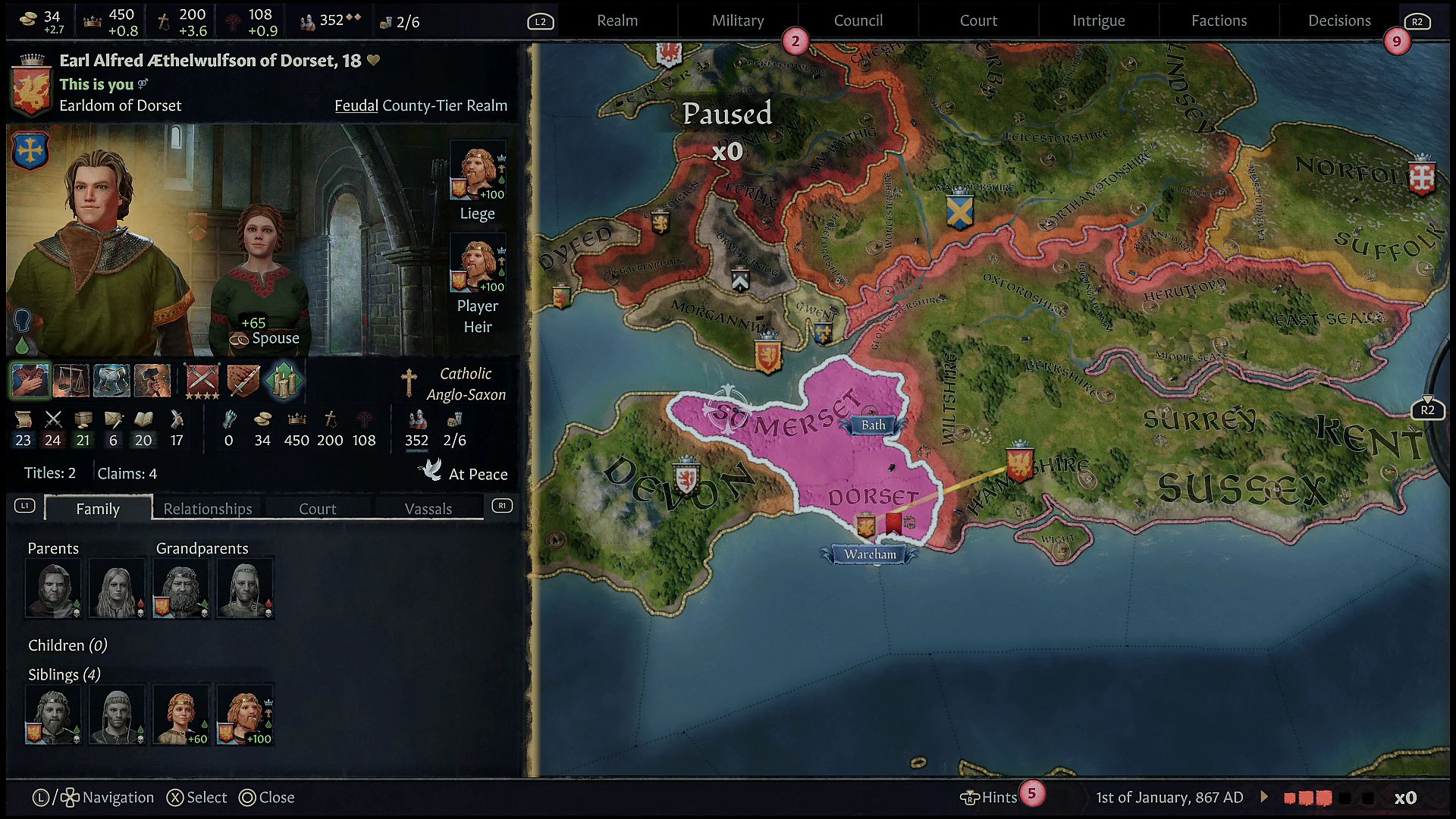
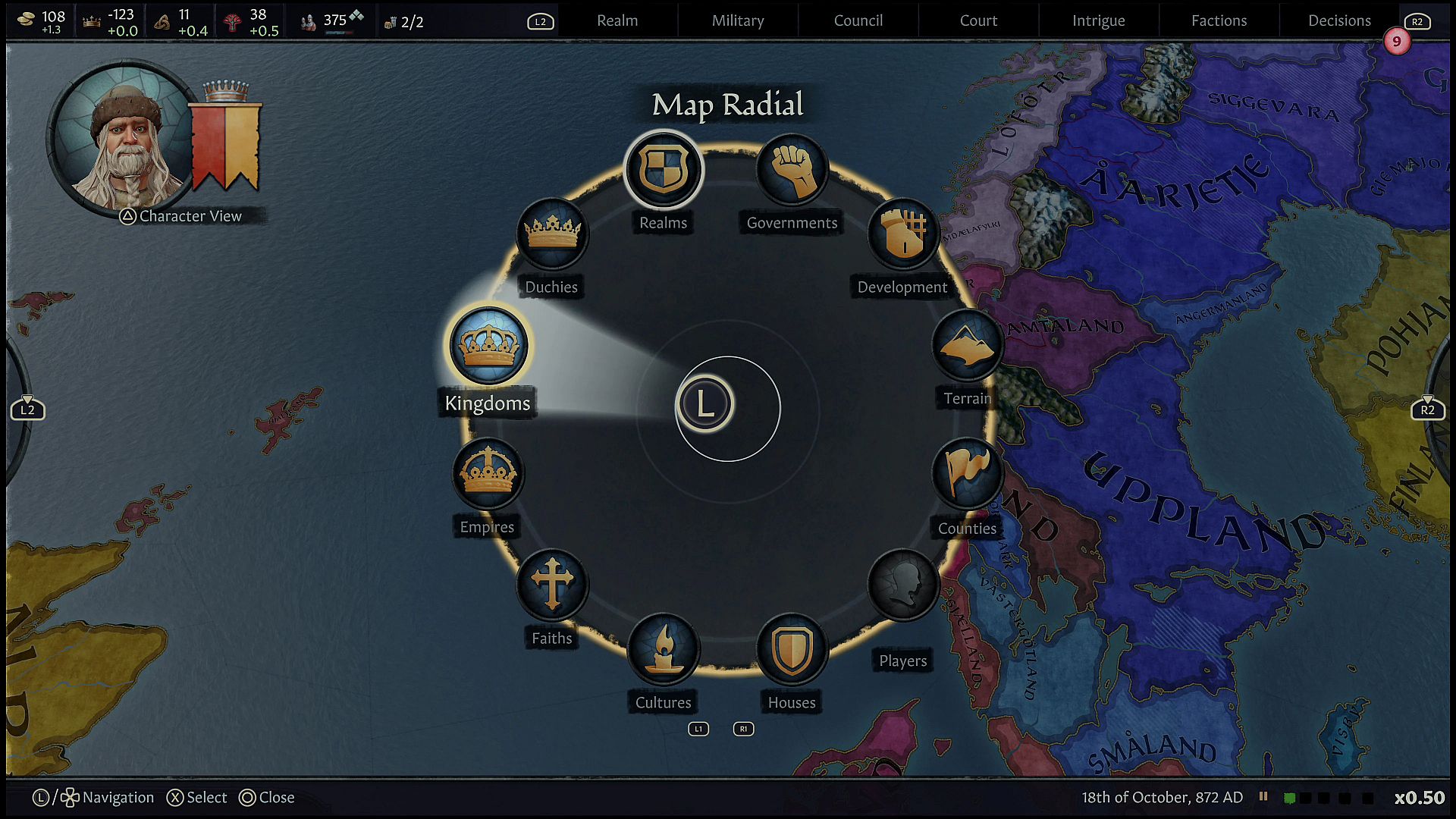
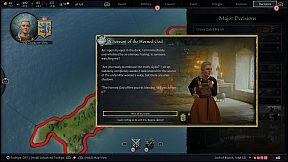
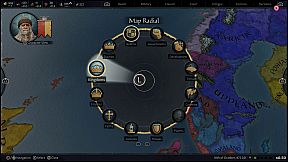
Crusader Kings III è un grand strategy con elementi di ruolo che vi mette alla guida di una dinastia medievale sulla PlayStation 5. Il gioco vi invita a gestire una casata nobile attraverso i secoli, espandendo il vostro potere con scelte ponderate in ambito politico, familiare e diplomatico, su una mappa che si estende dall'Islanda all'India e dal Circolo Polare Artico all'Africa centrale.
Gameplay
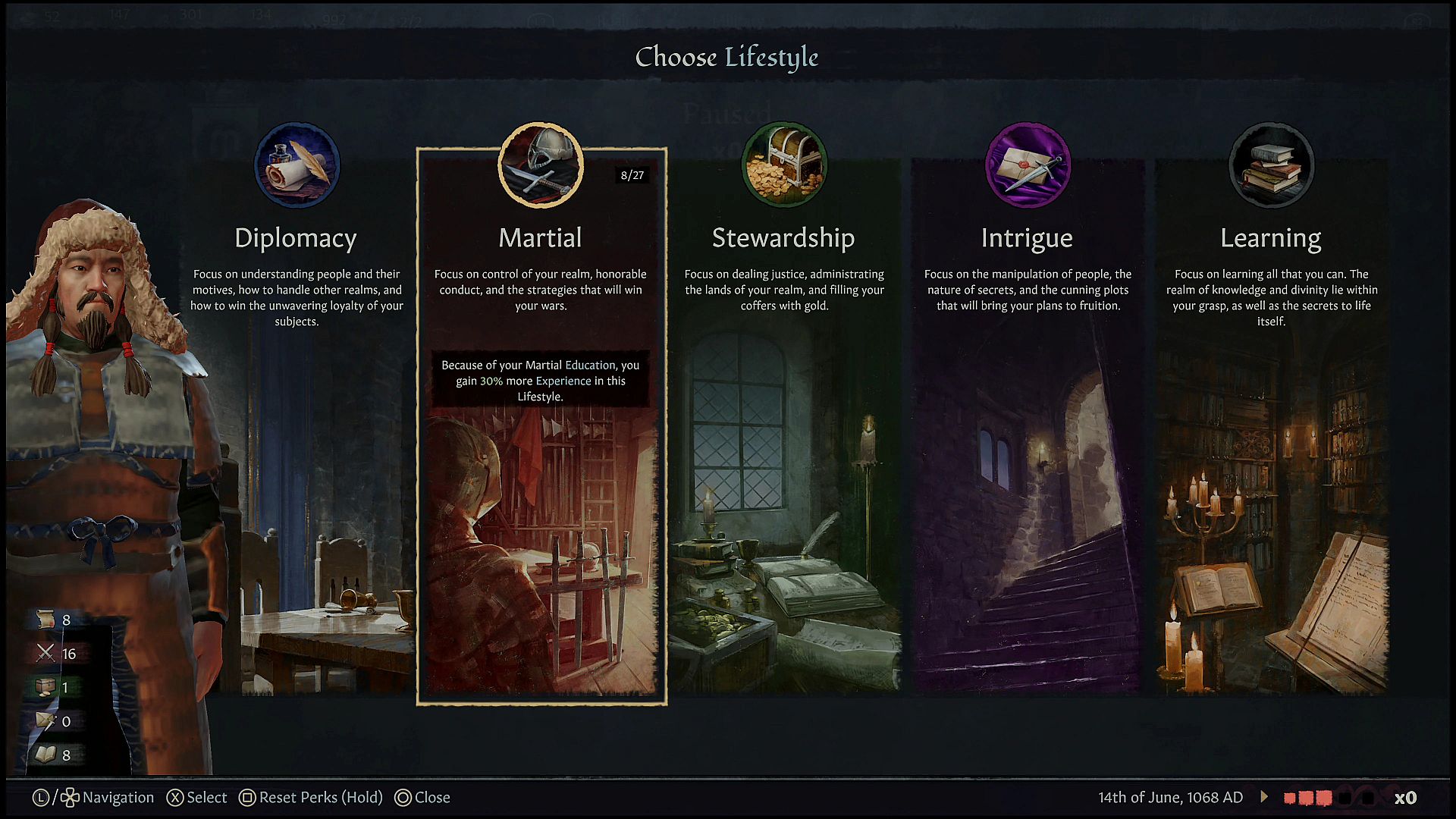
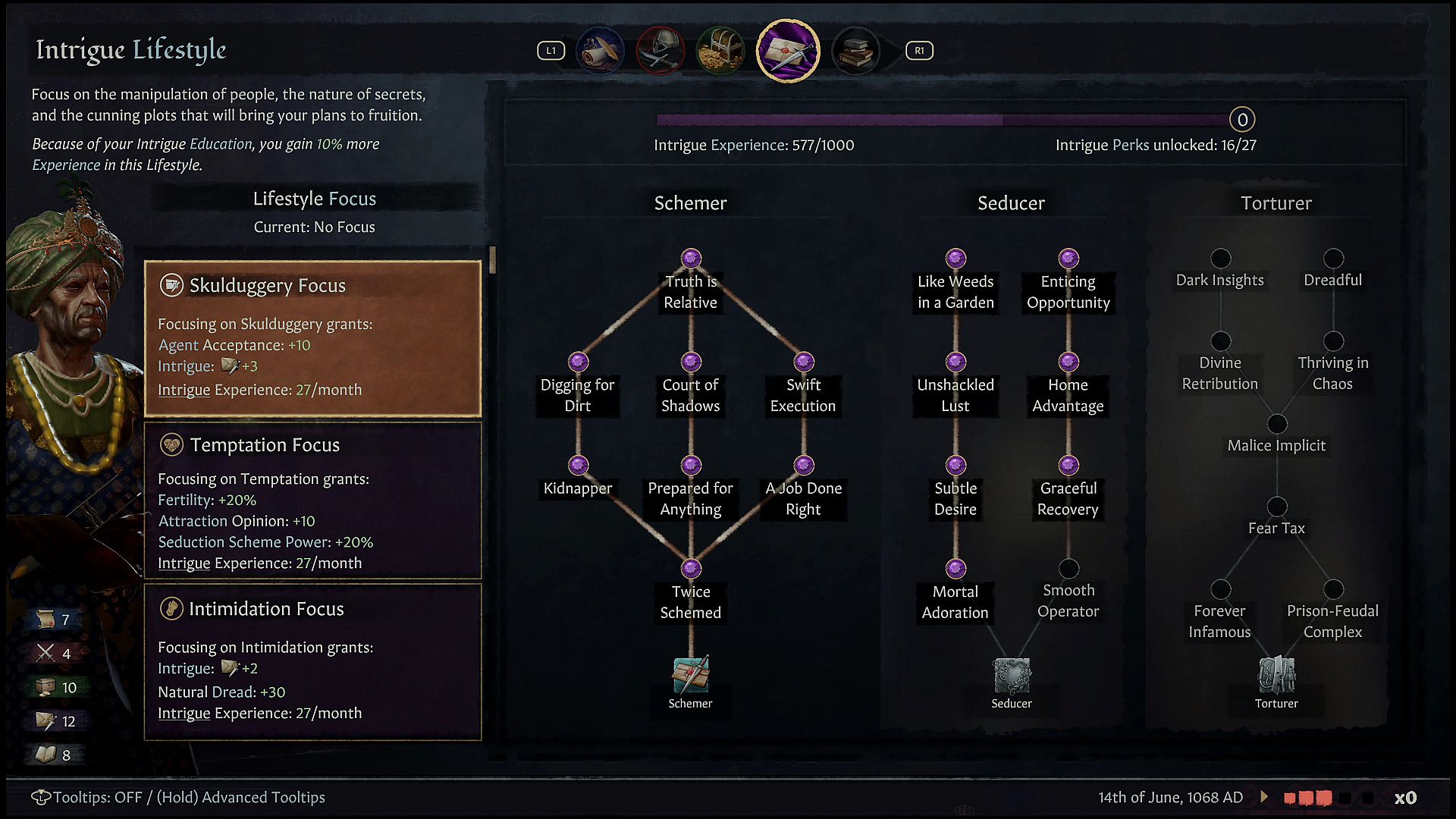
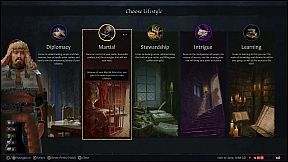
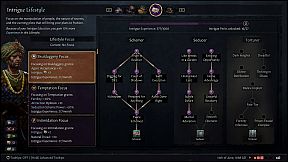
Il cuore dell'esperienza consiste nel guidare una successione di sovrani, ognuno con le proprie abilità e inclinazioni che influenzano la strategia a lungo termine. Potrete scegliere tra cinque stili di vita per orientare lo sviluppo del personaggio, perfezionando competenze militari o amministrative. I tratti caratteriali si sviluppano in base alle azioni compiute e possono condizionare le decisioni, ma ignorare la propria natura genera stress e possibili complicazioni.
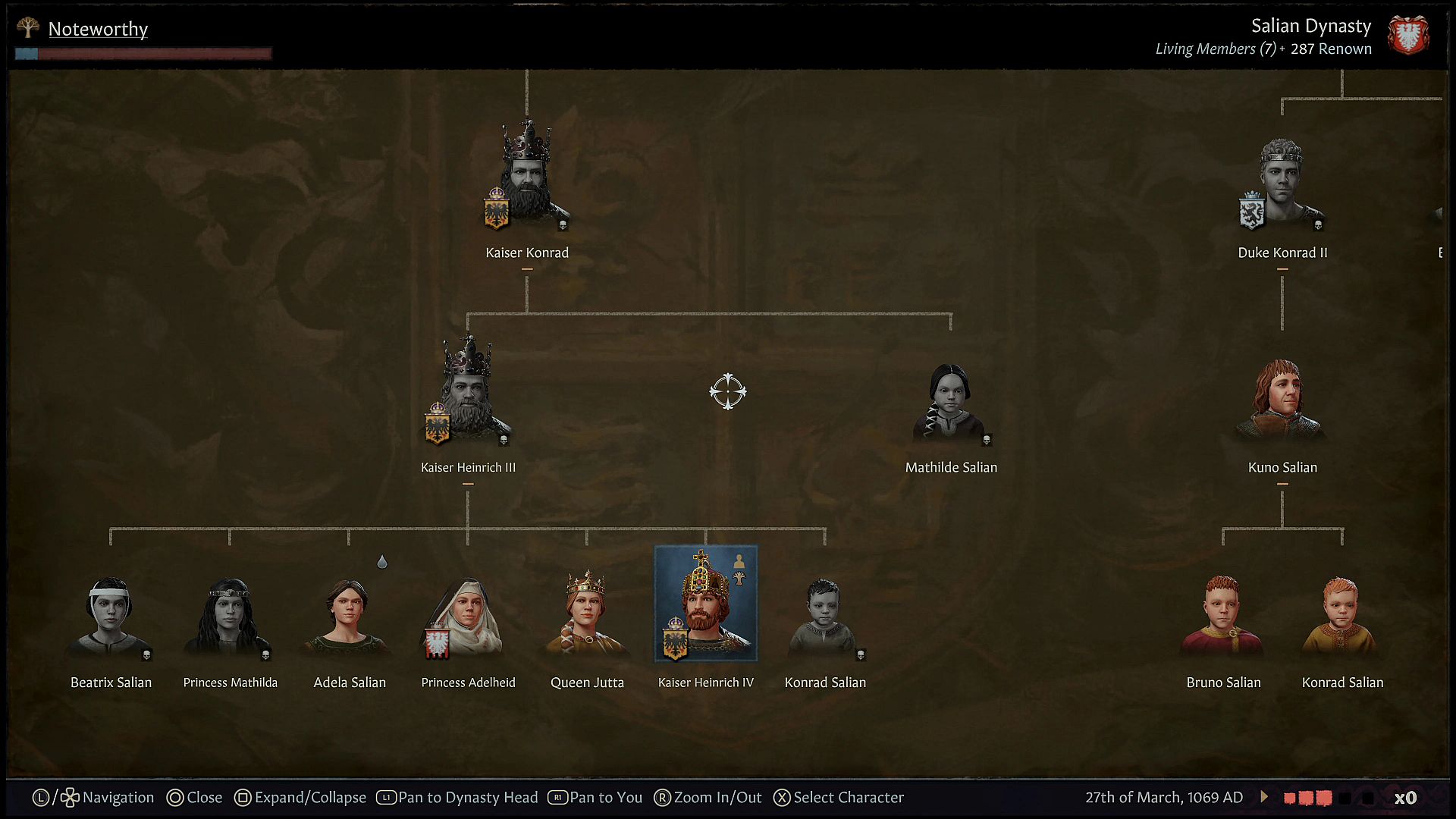
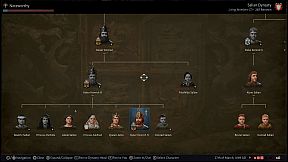
La pianificazione della successione è fondamentale: gli eredi vanno educati tramite tutori o addestramento diretto, e spetta a voi decidere come comportarvi quando il successore legittimo non risponde alle aspettative. La reputazione si costruisce attraverso i tratti visibili, permettendo ai personaggi più autoritari di incutere timore e consolidare il controllo sui sudditi.
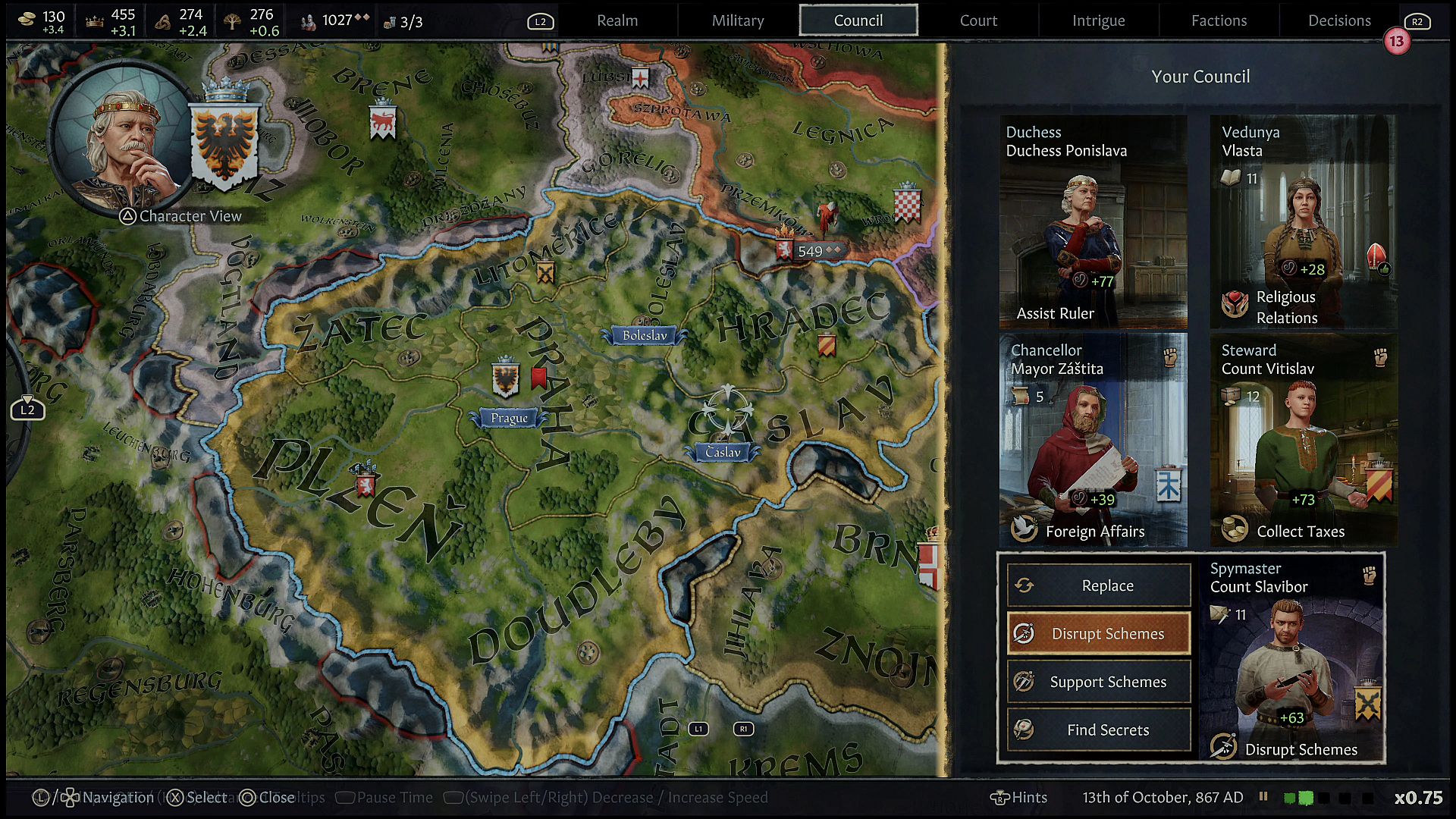
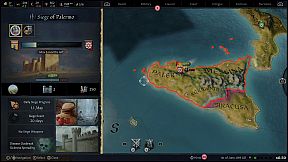
La gestione del regno prevede il reclutamento di uomini d'arme specializzati e cavalieri per rafforzare le leve, oltre alla ricerca di tecnologie che migliorano l'economia e la forza militare. In caso di conflitti più ampi si può ricorrere a mercenari o ordini religiosi, mentre le entrate possono derivare anche dal riscatto dei prigionieri o dalle incursioni nei territori vicini.
Modalità di gioco
Crusader Kings III offre sessioni in singolo, in cui un solo giocatore guida un'intera dinastia attraverso secoli di eventi, e una modalità multigiocatore in cui più partecipanti controllano ciascuno il proprio sovrano o vassallo all'interno dello stesso mondo condiviso.
Entrambe le modalità si basano sugli stessi sistemi, senza regole o varianti dedicate. Si inizia scegliendo una casata e un'epoca di partenza, per poi affrontare un'esperienza aperta che premia l'adattamento ai cambiamenti generazionali più che il perseguimento di obiettivi lineari.
Gestione del personaggio e della dinastia
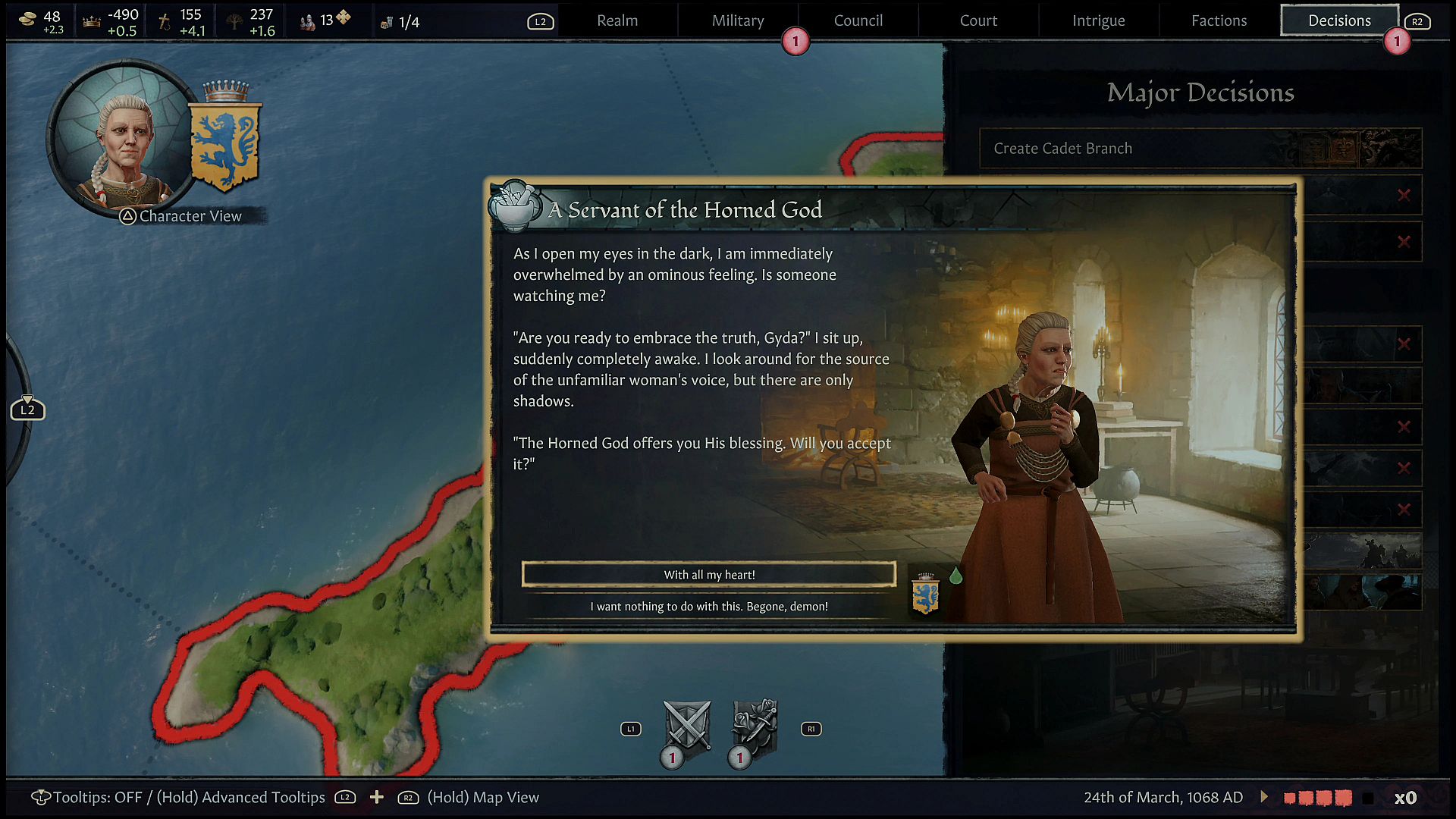
La personalità di ogni sovrano influenza le relazioni all'interno del regno. Il livello di pietà determina i rapporti con le autorità religiose, aprendo la strada a un allineamento con le fedi esistenti o alla creazione di nuove confessioni indipendenti, con conseguenze durature per il prestigio e l'eredità della dinastia.
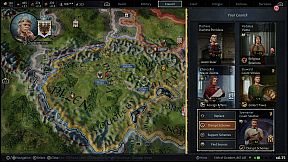
Le dinamiche familiari vanno oltre la successione immediata: i matrimoni assumono spesso finalità politiche, mentre intrighi e complotti permettono di influenzare indirettamente i rivali. Le informazioni raccolte tramite agenti possono essere usate per ricatti o favori, modificando gli equilibri di potere senza ricorrere allo scontro aperto.
Guerra e intrighi
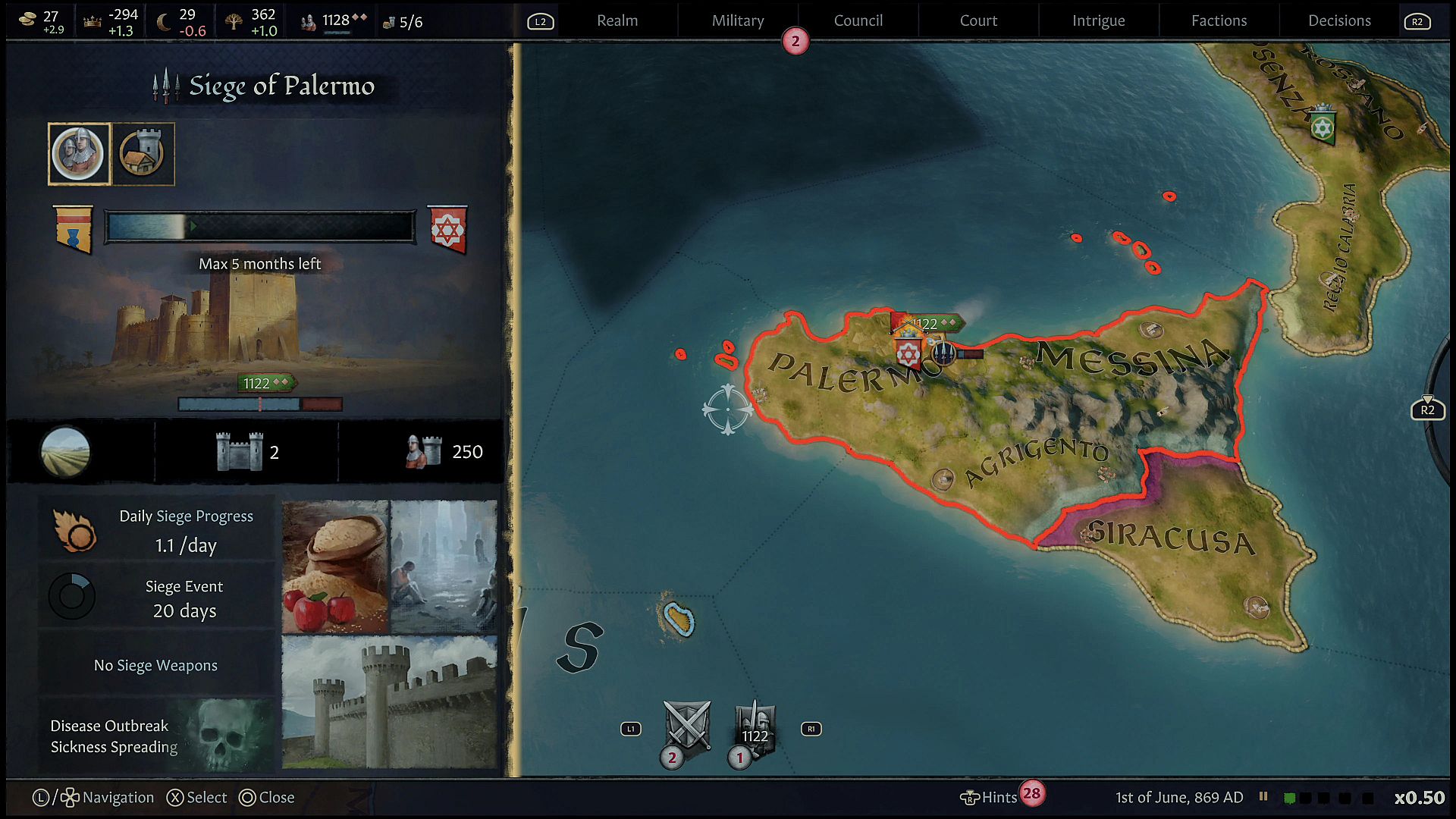
Il conflitto unisce azione militare e tattiche più sottili. Sul campo di battaglia si coordinano le leve e le unità d'élite, mentre l'intrigo si affida a un maestro delle spie per individuare minacce e reclutare agenti incaricati di eliminare o indebolire gli avversari.
Anche la seduzione può servire a stringere alleanze o ottenere leve, mentre pellegrinaggi e guerre sante arricchiscono le possibilità di espansione religiosa e territoriale. Tutti questi elementi coesistono all'interno di una singola partita, consentendo allo stesso sovrano di alternare conquista e operazioni segrete di generazione in generazione.
Vale la pena giocarci?
Crusader Kings III su PS5 offre un'esperienza strategica profonda, pensata per chi apprezza sistemi complessi e sessioni prolungate di pianificazione. La versione console include l'intera gamma di meccaniche del titolo originale, tra cui le eredità dinastiche, i progressi negli stili di vita e le interazioni dettagliate tra personaggi, anche se l'uso del controller richiede un periodo di adattamento.
La critica ha sottolineato la capacità del gioco di fondere simulazione e narrazione personale, rendendolo interessante per chi è affascinato dalla storia medievale, dalle manovre politiche e dalla pianificazione generazionale. Su PlayStation 5 le prestazioni sono stabili e gli aggiornamenti hanno risolto i problemi tecnici riscontrati nelle prime versioni.
Il titolo è indicato per gli appassionati di strategia che cercano longevità e varietà attraverso scelte di casate e stili di gioco differenti, piuttosto che partite rapide o un focus sull'azione. Chi preferisce esperienze più leggere potrebbe trovare il ritmo e la profondità impegnativi, mentre gli appassionati di gestione dinastica troveranno ampio spazio per guidare la propria casata attraverso secoli di sfide e opportunità.