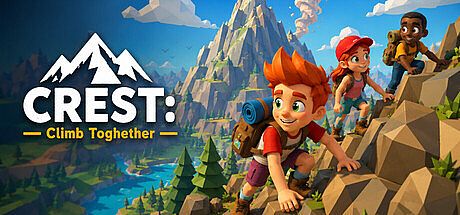


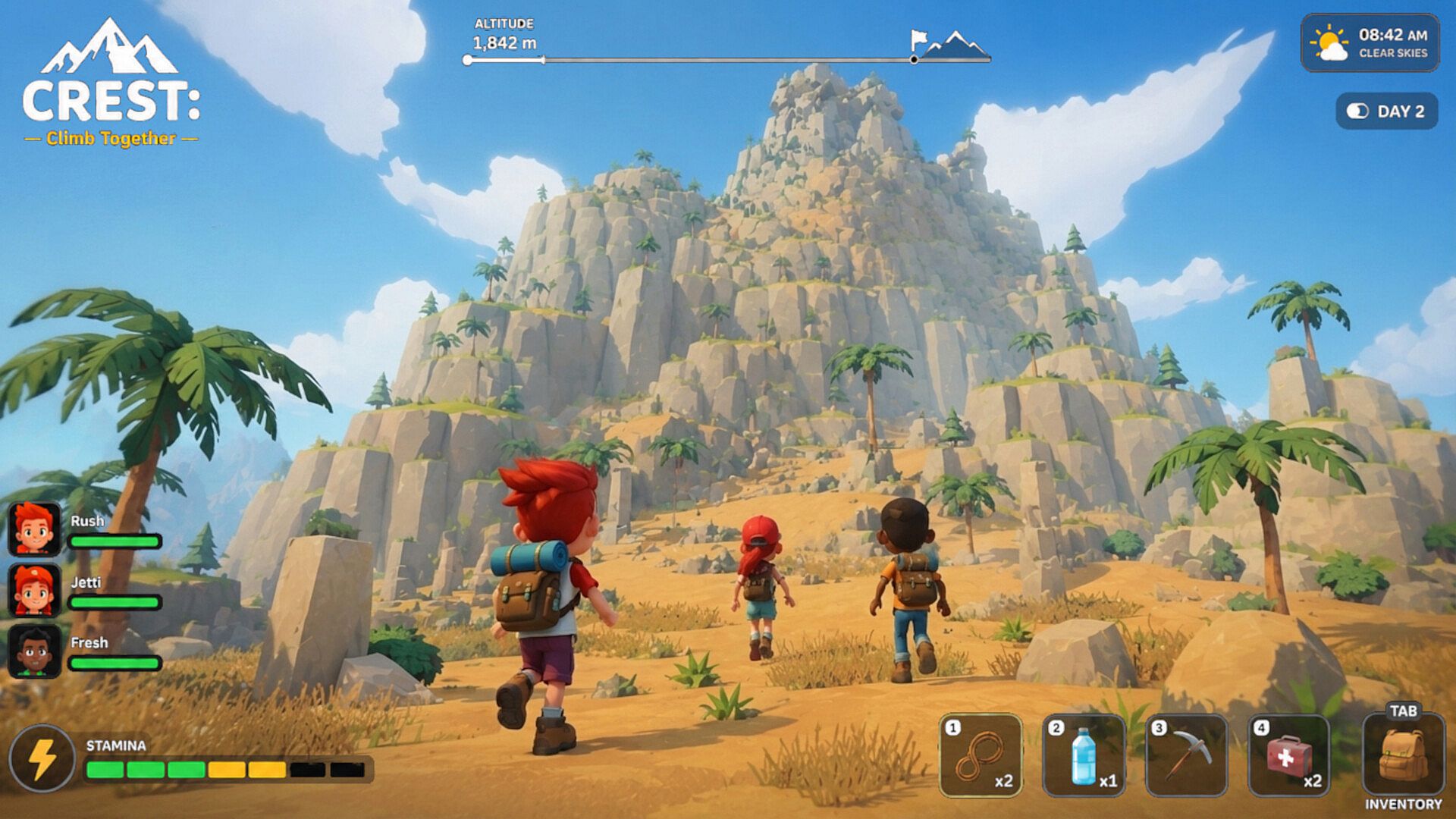
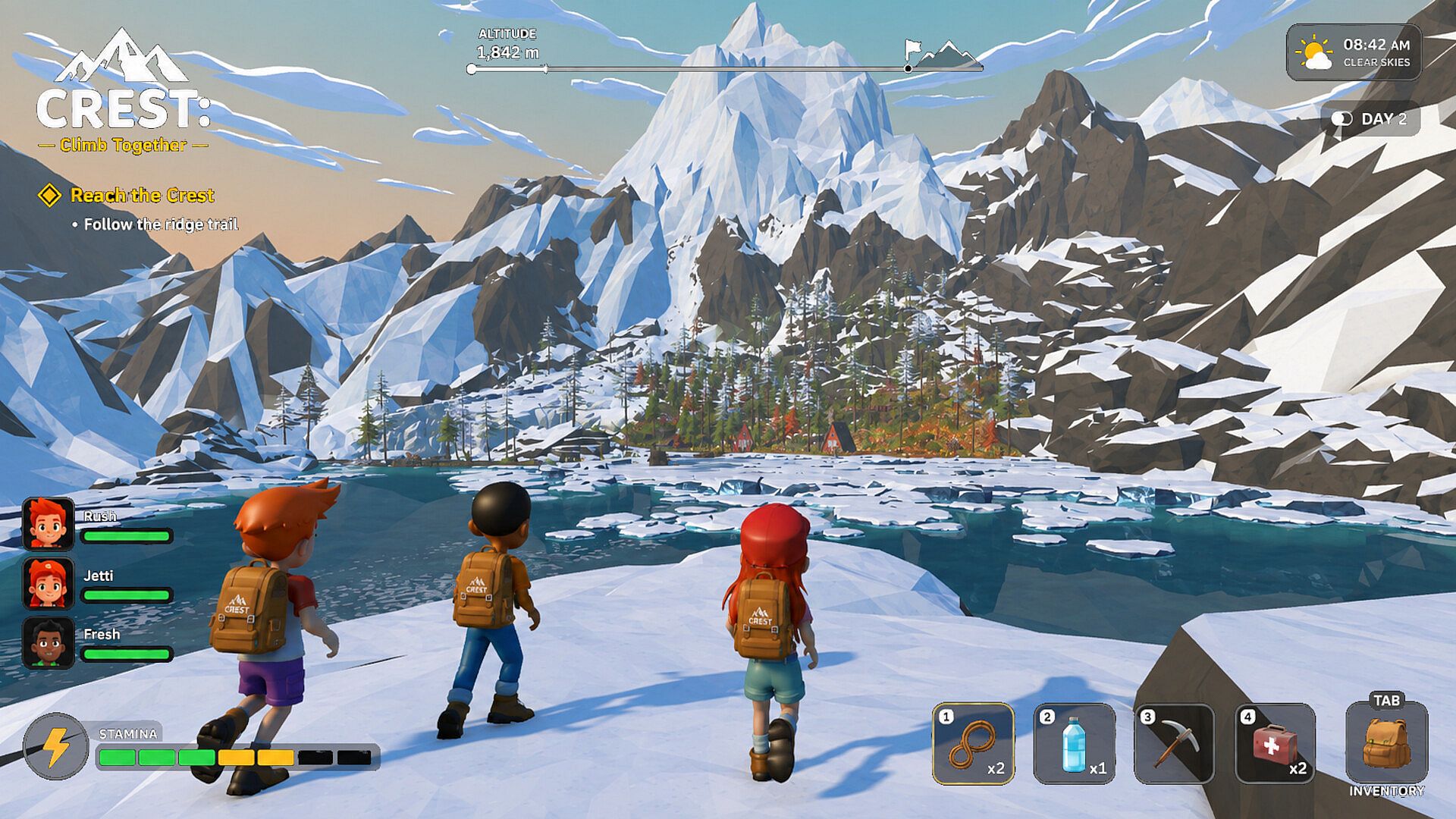
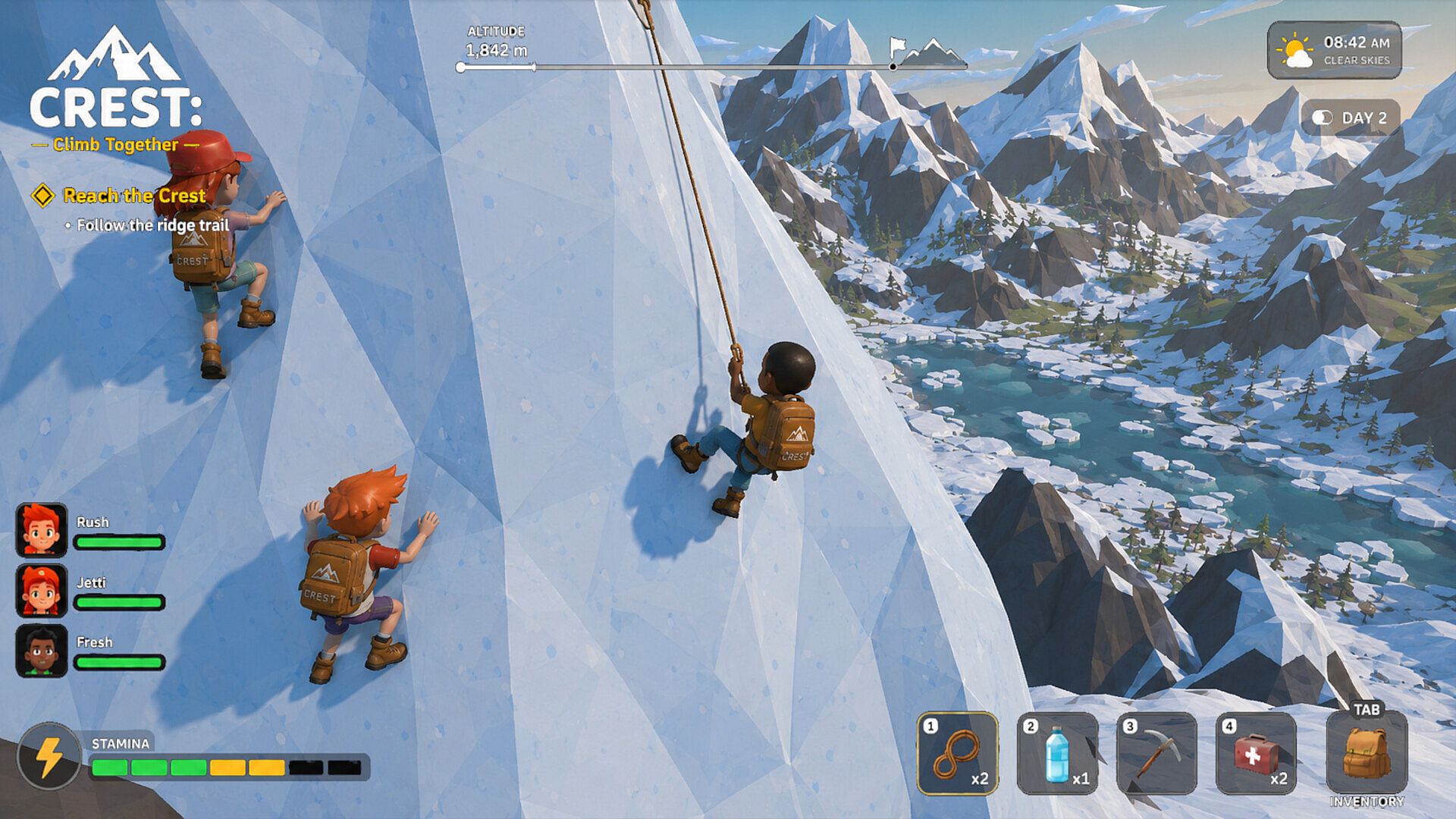
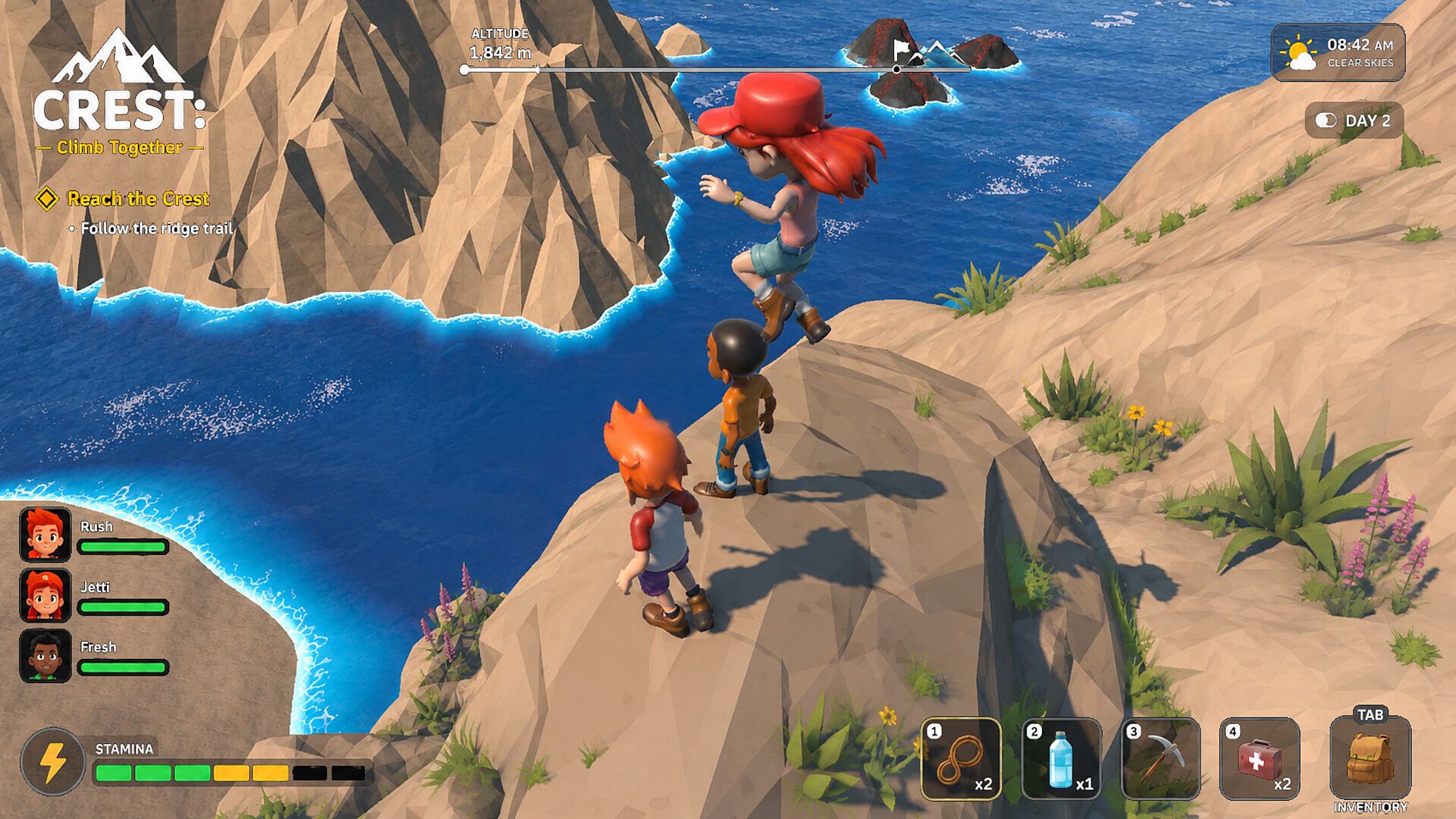
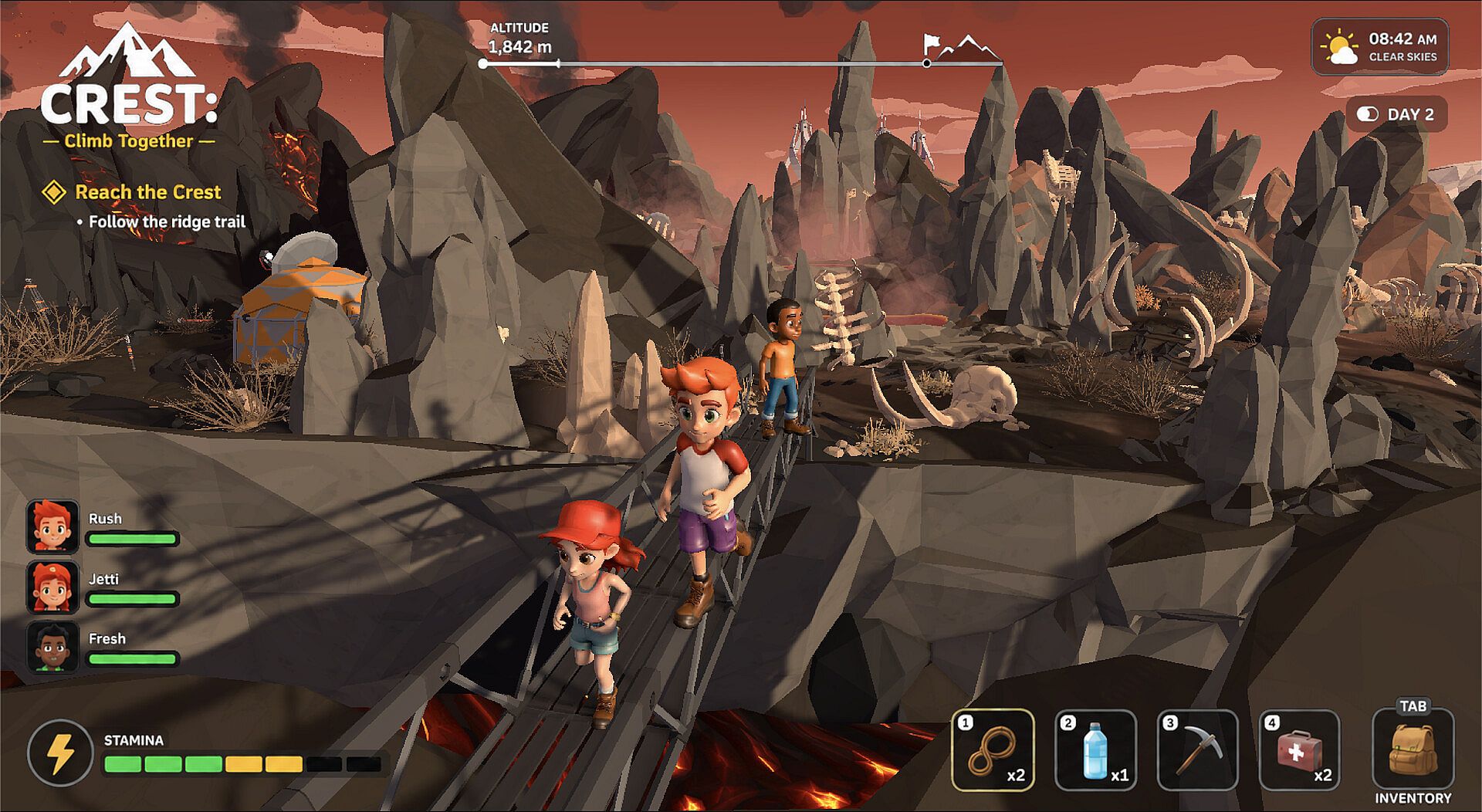
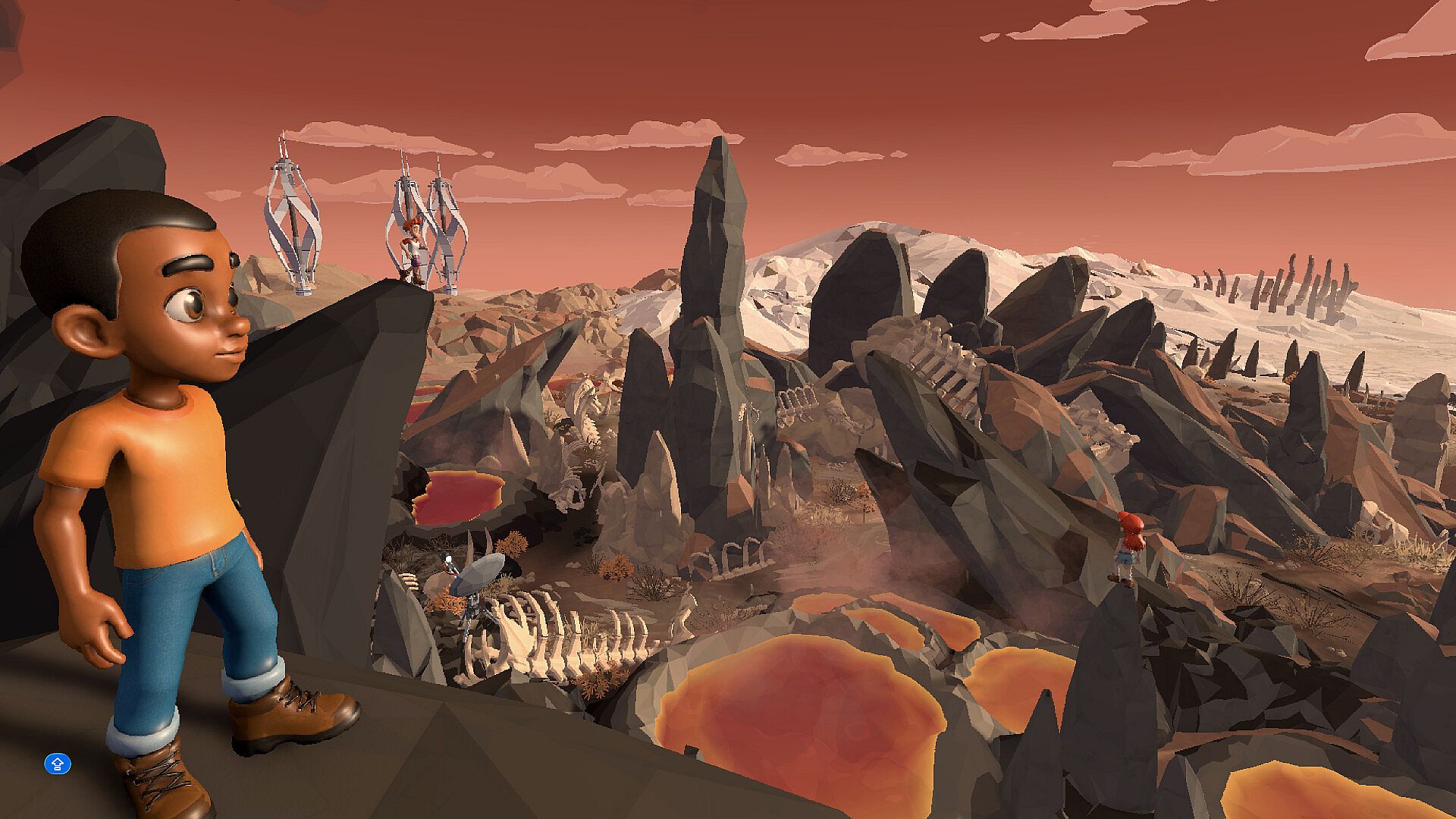
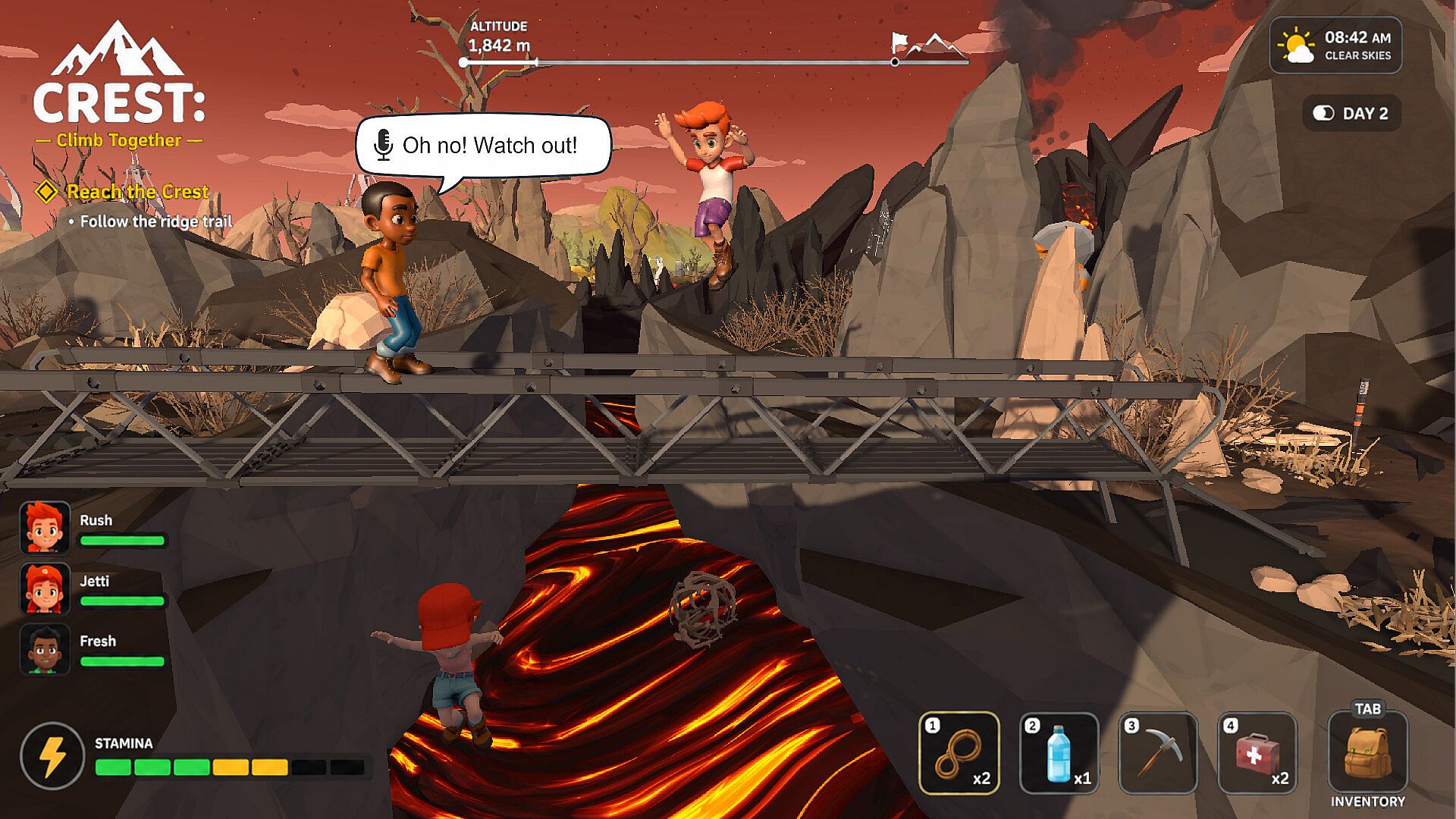
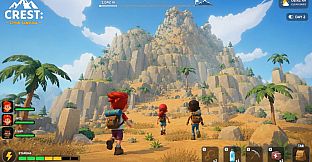
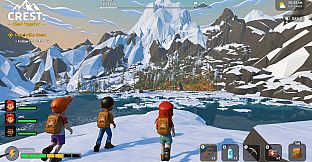
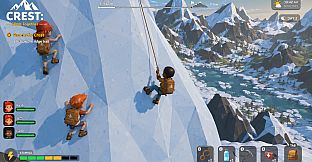
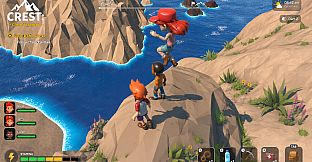
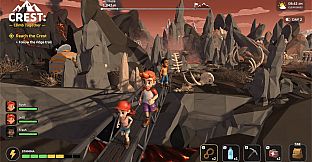
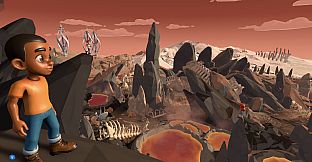
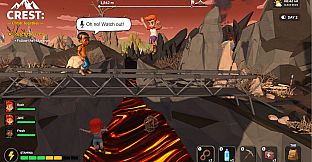
Crest: Climb Together è un'avventura cooperativa di scalata nei generi action, indie e adventure per PC. I giocatori collaborano per salire una montagna impegnativa grazie a una fisica realistica che premia coordinazione, tempismo e decisioni condivise fino a un massimo di quattro partecipanti.
Gameplay
Il ciclo di gioco ruota intorno alla scelta del percorso, alla gestione delle scorte e alla reazione alle minacce ambientali. Sporgenze scivolose, passaggi franosi e condizioni meteo variabili richiedono movimenti precisi e adattamenti rapidi. I giocatori esplorano campi abbandonati in cerca di attrezzature e strumenti utili a superare gli ostacoli, e ogni decisione tra sicurezza e velocità influenza direttamente il progresso del gruppo. Aiutare un compagno spesso comporta un rischio personale, perché un errore può ripercuotersi su tutti i membri della cordata.
La simulazione fisica regola ogni interazione con il terreno. La coordinazione diventa fondamentale quando più giocatori devono sincronizzare prese, spostamenti di peso e uso degli attrezzi per mantenere l'equilibrio. Le scorte si esauriscono durante la spedizione, rendendo necessaria una gestione costante delle risorse trovate lungo il percorso. Percorsi nascosti e scorciatoie rendono ogni tentativo diverso, mentre i pericoli dinamici garantiscono che nessuna ascesa si svolga allo stesso modo.
Modalità di gioco
Il titolo supporta sessioni cooperative online fino a quattro giocatori, con l'obiettivo di sopravvivere e orientarsi lungo il percorso. È disponibile anche una modalità single-player che permette di affrontare le stesse sfide senza compagni. Entrambe le esperienze si basano sugli stessi sistemi di raccolta equipaggiamento e reazione ai pericoli, anche se l'assenza di altri giocatori modifica il modo in cui si gestiscono rischi e aiuti reciproci.
Le spedizioni sono pensate per essere ripetute più volte, senza seguire una progressione lineare. Ogni tentativo offre la possibilità di scoprire nuovi percorsi o migliorare le strategie in base ai risultati precedenti: la struttura della montagna resta invariata, ma pericoli e scelte dei giocatori creano sempre situazioni diverse.
Meccaniche e caratteristiche principali
La gestione dell'equipaggiamento è un elemento centrale. I giocatori trovano e usano attrezzi nei campi sparsi per superare ostacoli specifici, bilanciando il peso degli oggetti trasportati con la necessità di muoversi agilmente. Il sistema premia la capacità di decidere cosa portare avanti e cosa lasciare per utilizzi futuri.
Le meccaniche di squadra vanno oltre il semplice aiuto reciproco. I giocatori comunicano attraverso le azioni: posizionamento e tempismo determinano se il gruppo avanza o precipita. Il design valorizza i momenti di tensione e il recupero dopo errori come parte integrante dell'esperienza.
- Scalata basata sulla fisica che richiede azioni sincronizzate
- Raccolta di risorse e decisioni sulla dotazione
- Pericoli variabili legati a meteo e terreno
- Esplorazione di percorsi alternativi e scorciatoie
Vale la pena giocarci?
Il gioco è ancora in fase pre-release e la data di lancio non è stata annunciata. Non esistono recensioni né valutazioni aggregate e il titolo non ha ancora avviato cicli di supporto come aggiornamenti stagionali. Il suo fascino risiede nel ciclo cooperativo di scalata basato sulla fisica, che premia pianificazione attenta e sostegno reciproco in un ambiente imprevedibile.
Chi cerca avventure incentrate sul lavoro di squadra, con conseguenze concrete in caso di errori di coordinazione, troverà nei sistemi descritti un'esperienza in linea con le proprie aspettative. Chi desidera subito un'esperienza multiplayer rifinita potrebbe preferire attendere l'uscita e il feedback della community prima di cimentarsi. L'enfasi su momenti condivisi, tra fallimenti e recuperi, lo colloca come proposta di nicchia nel panorama indie cooperativo una volta disponibile.