

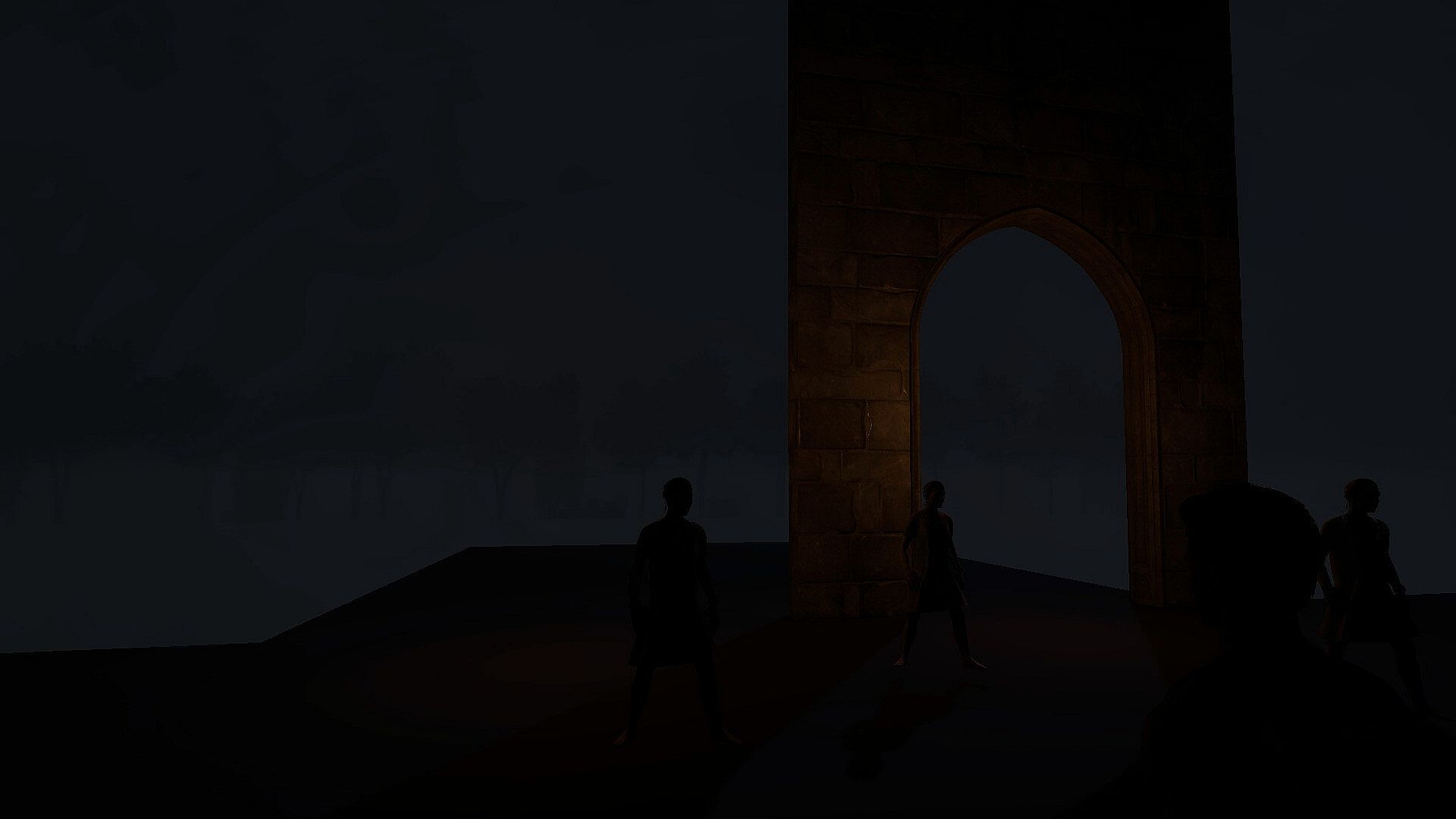
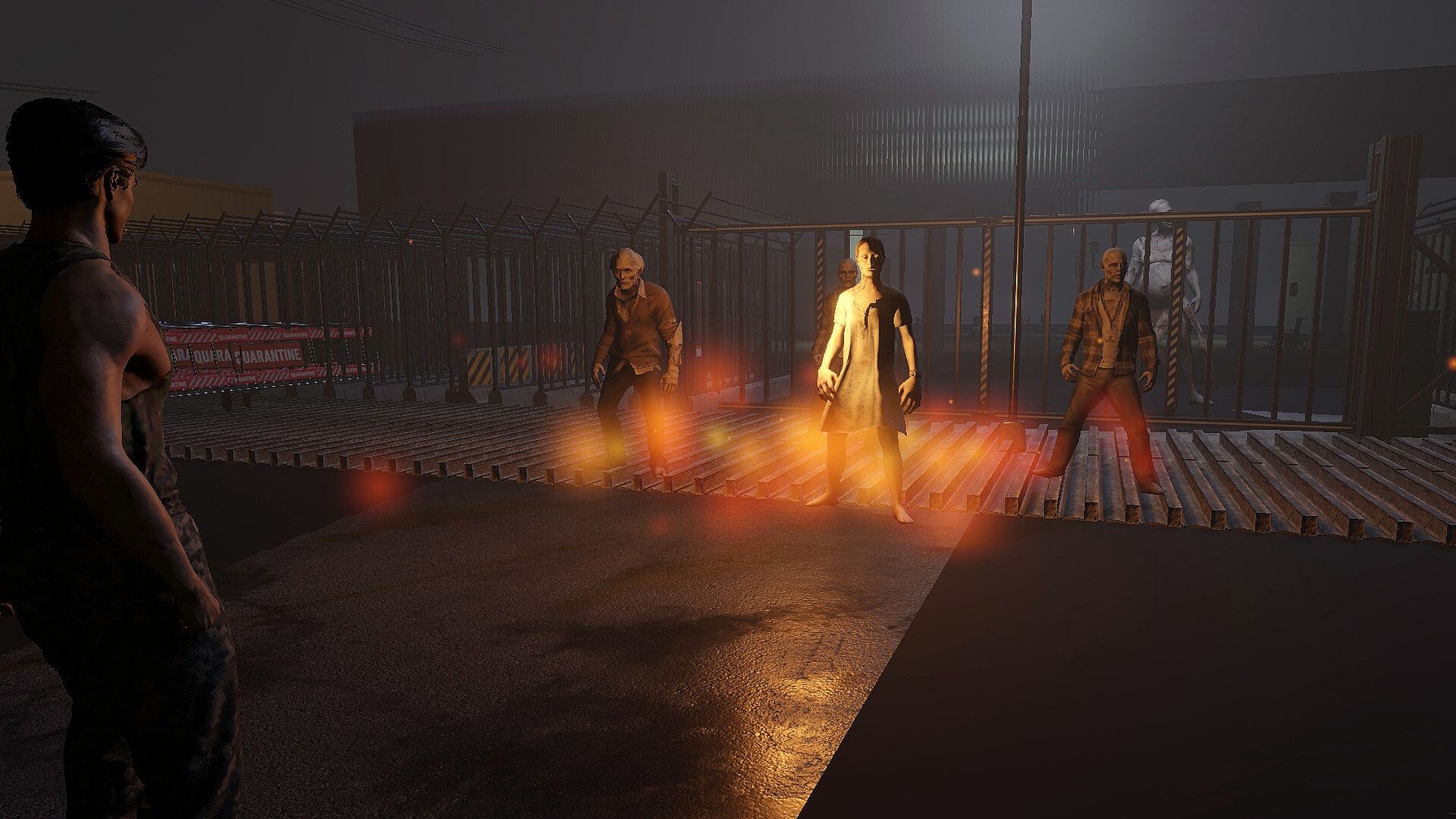
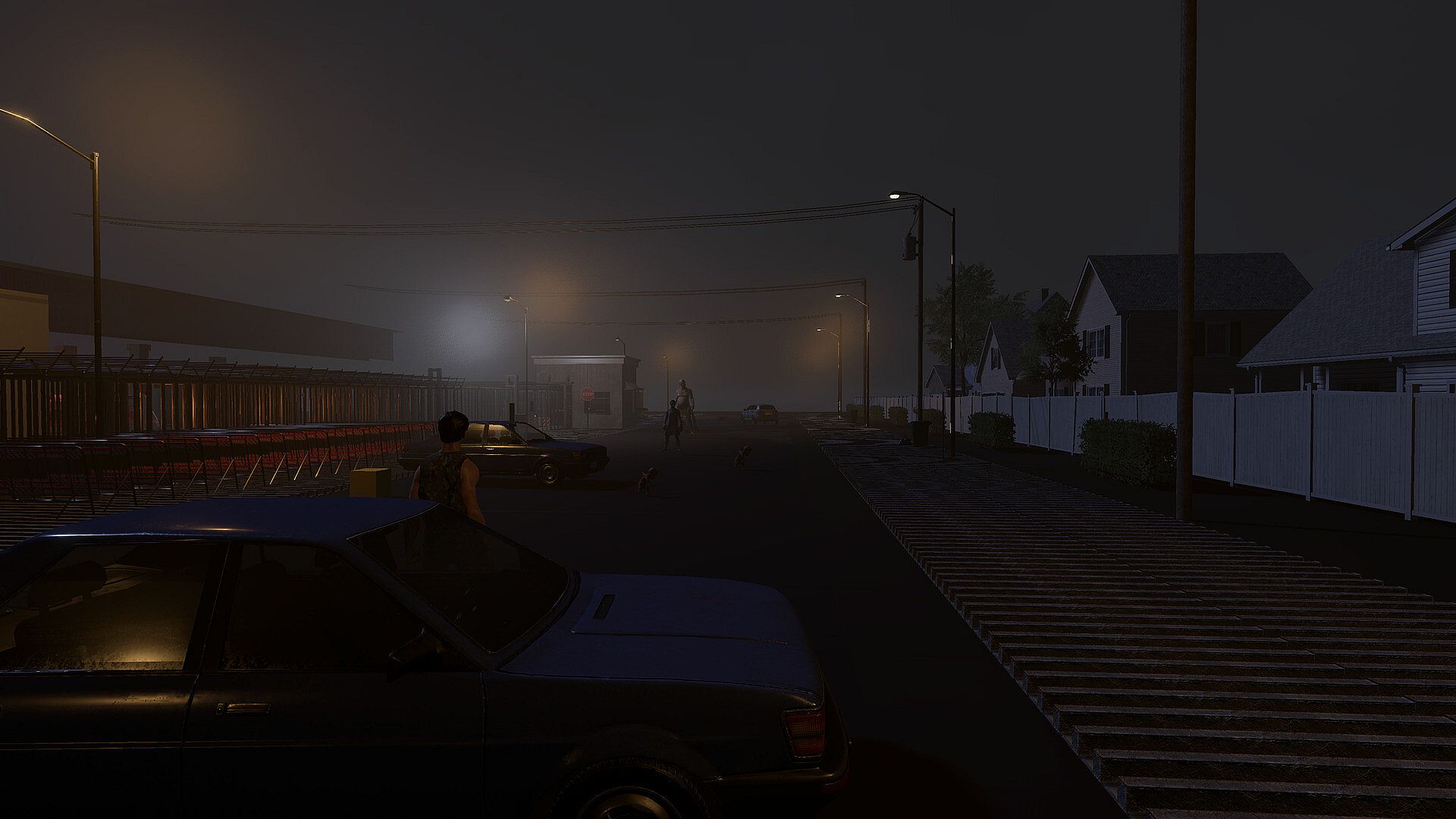
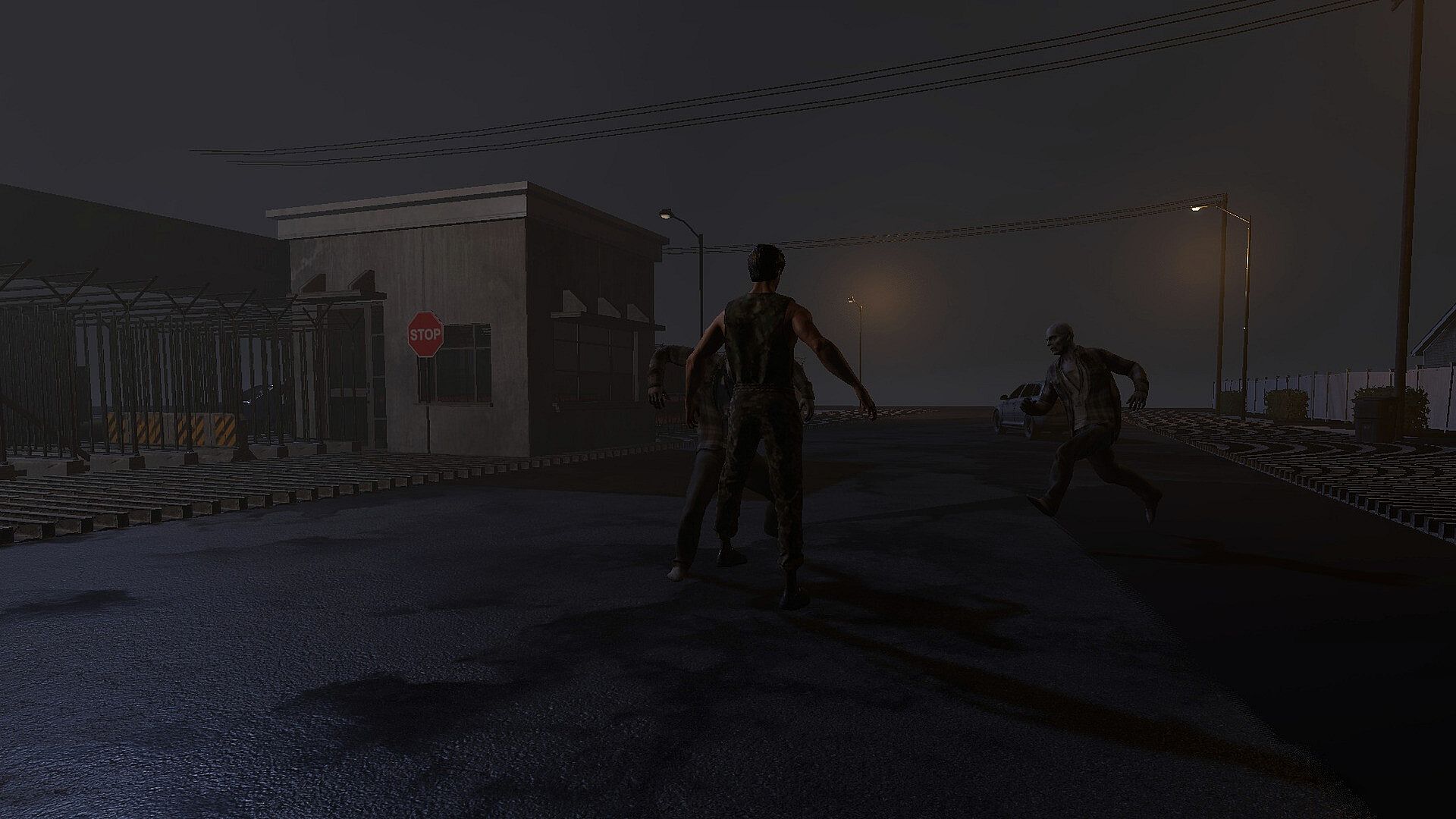
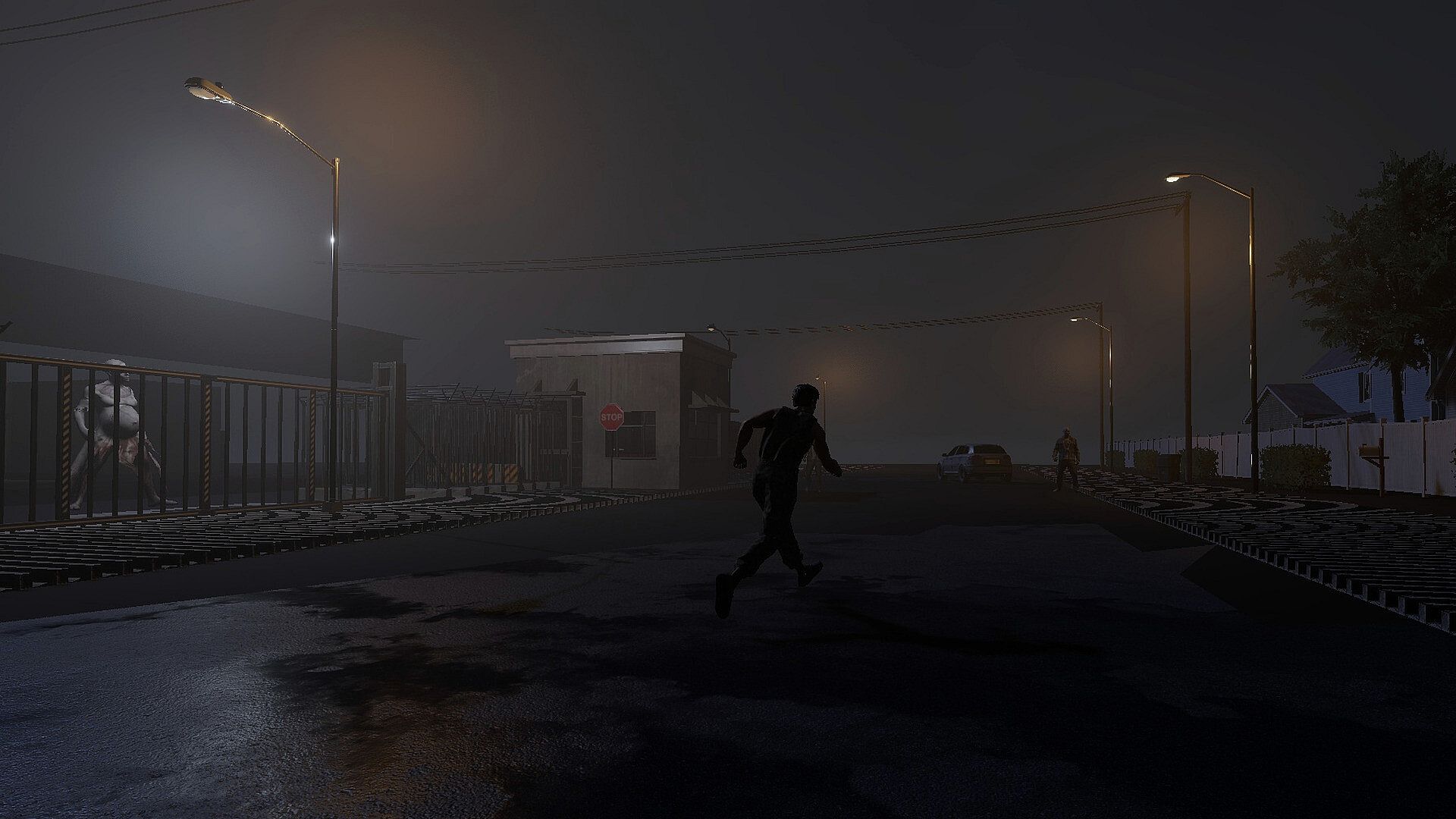

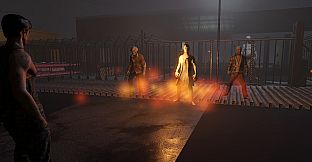
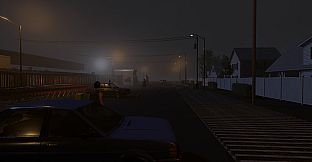
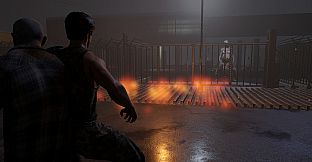
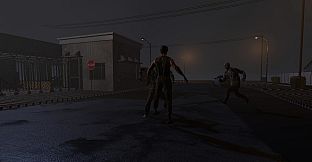
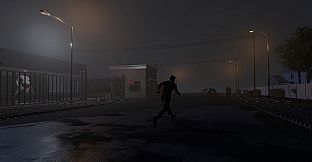
Cradle of Ash is an action adventure indie game set in a quarantined company town where the dead refuse to stay down. Players control one of four strangers who awaken in a wrecked coach outside Ashbrook, a place sealed behind a chemical spill that has turned residents into persistent threats. The core loop revolves around exploration, combat, and resource management in a horror-tinged environment where ordinary weapons only buy time.
Gameplay
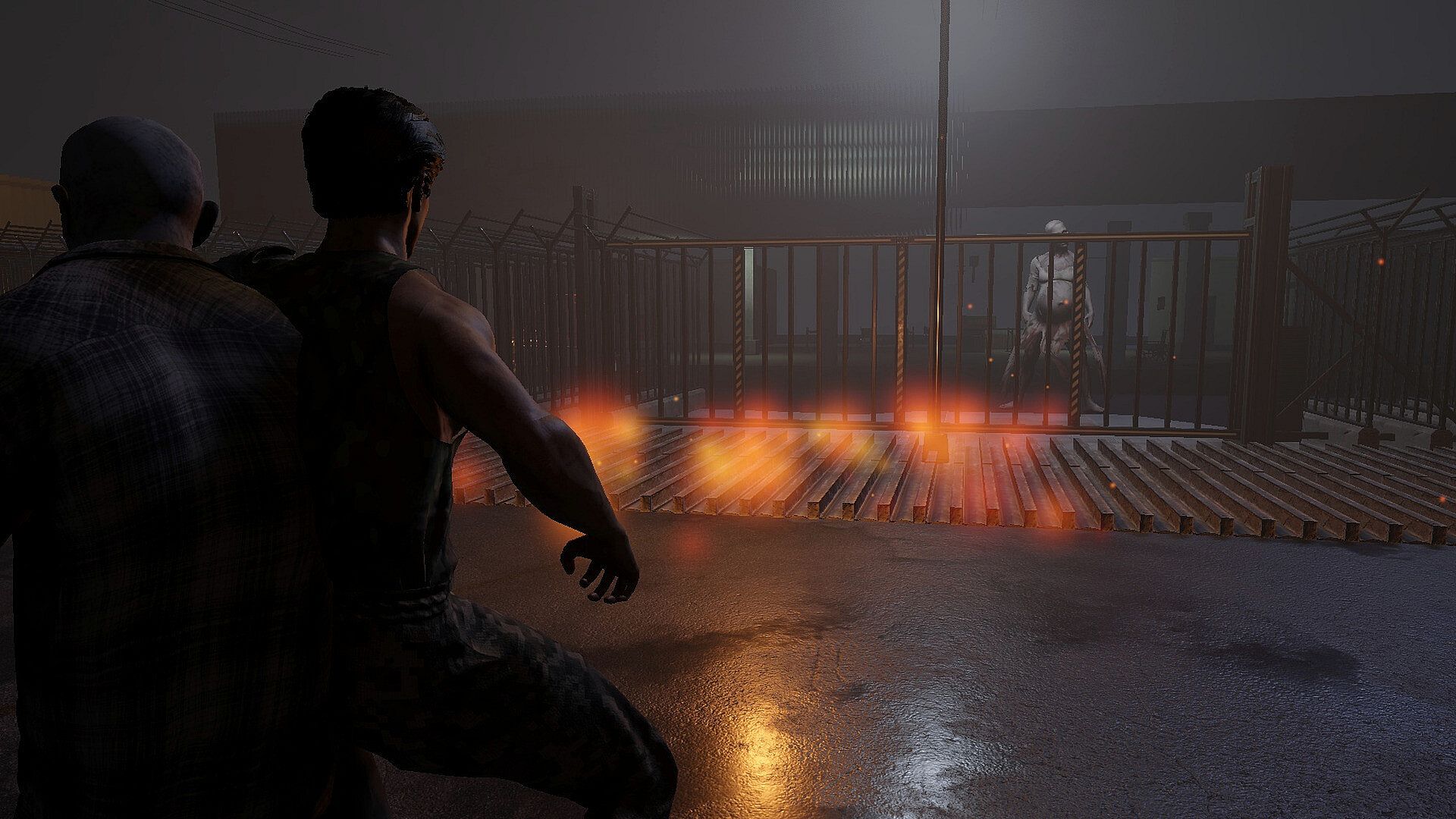
The experience centers on survival against enemies that revive stronger unless their bodies are burned. Guns and melee attacks knock threats down temporarily, but fire from lighters, improvised molotovs, or later tools finishes them permanently. Scavenging for bottles and rags becomes essential because fuel runs low and half-burned corpses return immune to flames. Audio cues guide movement through the town, with distant singing and enemy sounds revealing positions before visual contact. A director system monitors player noise, light use, fuel levels, and group spacing to spawn threats dynamically rather than on fixed loops. Friendly fire adds tension during close-quarters fights, as bullets and fire pools affect teammates. Downed players get dragged toward nests, forcing rescue efforts that shape personal stories in both solo and group play. The setting includes suburbs, a hospital with a hidden maternity ward threat, flooded districts, an old village, and a ridge abbey, where found documents and tapes reveal layers of backstory tied to the company and older events.
Game Modes
Players can tackle the full story campaign alone or with up to three others through online co-op. Drop-in support at safe rooms allows flexible joining, while a shared stash supports resource coordination across sessions. The campaign follows the same narrative path regardless of player count, progressing through Ashbrook's districts toward multiple endings determined by player choices and a final vote. Solo mode preserves the complete story without requiring others, and co-op emphasizes coordination around fire use and rescues. No separate competitive or endless modes appear in the current design focus.
Enemies and Threats
Ashbrook's residents manifest as distinct dangers. Carriers move slowly in groups, murmuring prayers and dragging victims home without climbing ability. The Vessel stands nine feet tall and maintains distance along key routes while carrying an unknown burden. The Midwife trails targets with a bassinet that players are warned never to examine, remaining unharmable and uncatchable. These entities, along with the assembling force beneath the hospital, respond to player actions and force constant vigilance. Environmental details reinforce the quarantine theme, with repeated assurances that water and air remain safe despite visible horrors.
Story and Atmosphere
Narrative unfolds through exploration rather than cutscenes, with collected items exposing a truth predating the quarantine. Children sing nursery rhymes somewhere in the sealed town despite no sightings since the lockdown. The director AI heightens dread by reacting to decisions instead of repeating scares. Multiple endings emerge from campaign progress and the concluding vote, rewarding attention to documents and environmental storytelling. The tone mixes action with persistent unease, where every room demands listening for directional audio tells.
Is It Worth Playing?
Cradle of Ash suits players who enjoy co-op survival horror with resource scarcity and reactive enemy systems. The emphasis on fire as the only permanent solution, combined with friendly fire and rescue mechanics, creates high-stakes group decisions that differ from standard shooter loops. Solo players receive the same campaign and story branches, making it accessible without a full party. As an in-development title, the experience remains subject to changes in visuals and systems, yet the described mechanics already point to a focused indie adventure for those drawn to atmospheric co-op campaigns and persistent threats. Those seeking straightforward action without management layers may find the revival and burning requirements demanding, while fans of deliberate pacing and audio-driven tension will likely appreciate the design priorities.