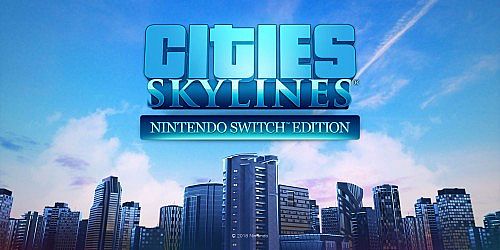


Cities: Skylines is a strategy and simulation game focused on city building and management, available on the Nintendo Switch. Players take on the role of mayor, starting from an undeveloped plot of land connected to a highway and expanding it into a functioning metropolis through careful planning and ongoing oversight.
Gameplay
The core loop centers on laying out roads, zoning land for residential, commercial, and industrial use, and providing essential services such as power, water, sewage, and waste management. Traffic flow receives detailed simulation, requiring players to design efficient road networks and public transit options to prevent congestion as the population grows. Pollution, citizen happiness, employment levels, and the city budget all demand attention, with tools available to adjust taxes, set policies, and create specialized districts that influence local development.
Building proceeds gradually, with new tools and structures unlocking as the city expands and meets basic needs. The Nintendo Switch version adapts the interface for controller use, supporting both docked and handheld play. This setup allows sessions to fit into short breaks or longer focused periods without interruption.
Game Modes
The experience remains single-player throughout, centered on an open-ended sandbox format. Players can choose to operate with a limited budget and progressive unlocks or disable those constraints for unrestricted creative building. The included expansions introduce additional layers: After Dark adds night-time activities and related infrastructure demands, while Snowfall incorporates winter weather effects along with heating systems and adjusted transit options.
These elements integrate directly into the main city-building process rather than functioning as separate modes. No multiplayer features appear in the Nintendo Switch edition.
Key Mechanics and Systems
Economy management involves balancing income from taxes against expenses for services and infrastructure. Transport networks extend beyond roads to include buses, trams, and other options once unlocked. Environmental factors such as pollution and noise levels affect residential zones, pushing players toward thoughtful placement of industrial areas and green spaces. The simulation tracks individual citizen needs and overall city metrics in real time, creating feedback loops that reward balanced growth.
Portability stands out as a strength on Nintendo Switch hardware. The game supports quick resume from sleep mode, making it practical for on-the-go adjustments to traffic patterns or service placements.
Current State on Nintendo Switch
The Nintendo Switch edition launched with the base game plus the After Dark and Snowfall expansions. Performance holds steady for smaller to medium cities but can drop during peak activity in larger, denser urban areas. Updates have focused on stability rather than major new content additions beyond the initial package.
Is It Worth Playing?
This version suits players who enjoy methodical city planning and simulation depth in a portable format. The controller controls handle most tasks adequately after a short adjustment period, and the ability to build and tweak a city anywhere adds convenience for fans of the genre. Those sensitive to frame rate dips during large-scale development may find the experience less smooth once cities reach significant size. It delivers a complete single-player city management simulation without requiring additional purchases for the core features and included expansions.