







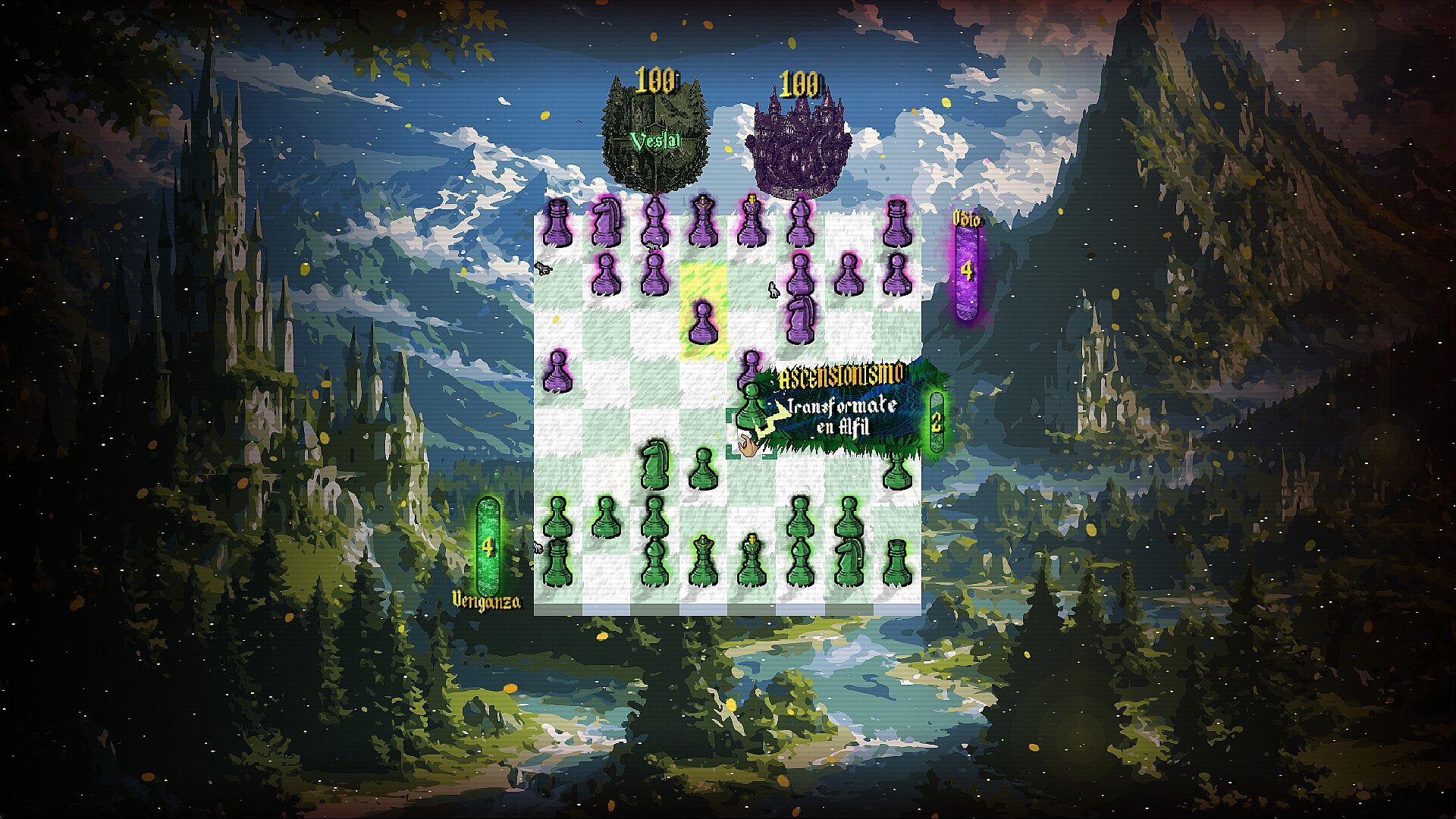


Checkmate: Chester stands out as an indie strategy game that merges classic chess rules with role-playing and adventure elements on PC. Players engage with asymmetric faction mechanics and a narrative-driven campaign while exploring customization options that reshape how matches unfold.
Gameplay
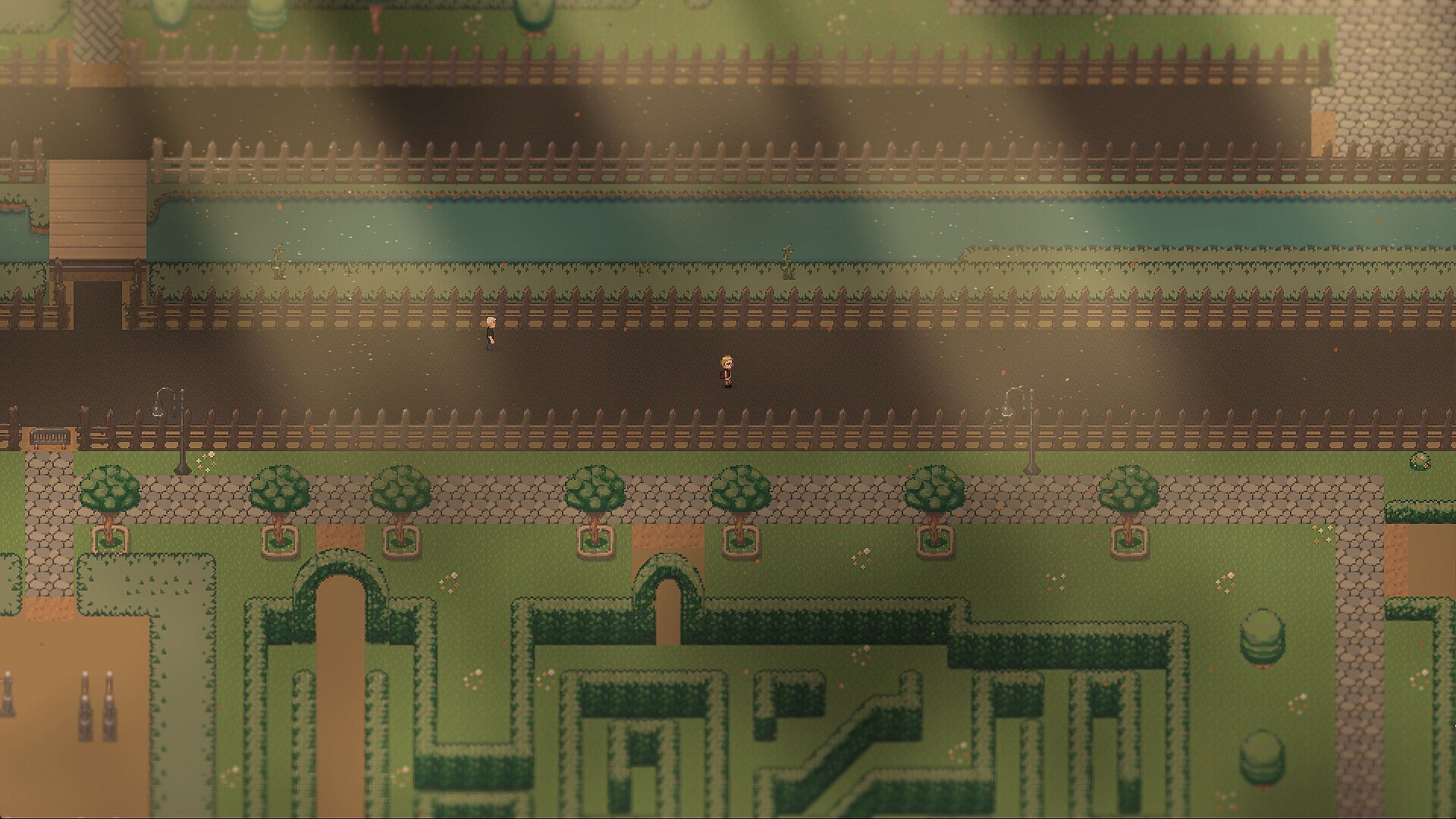
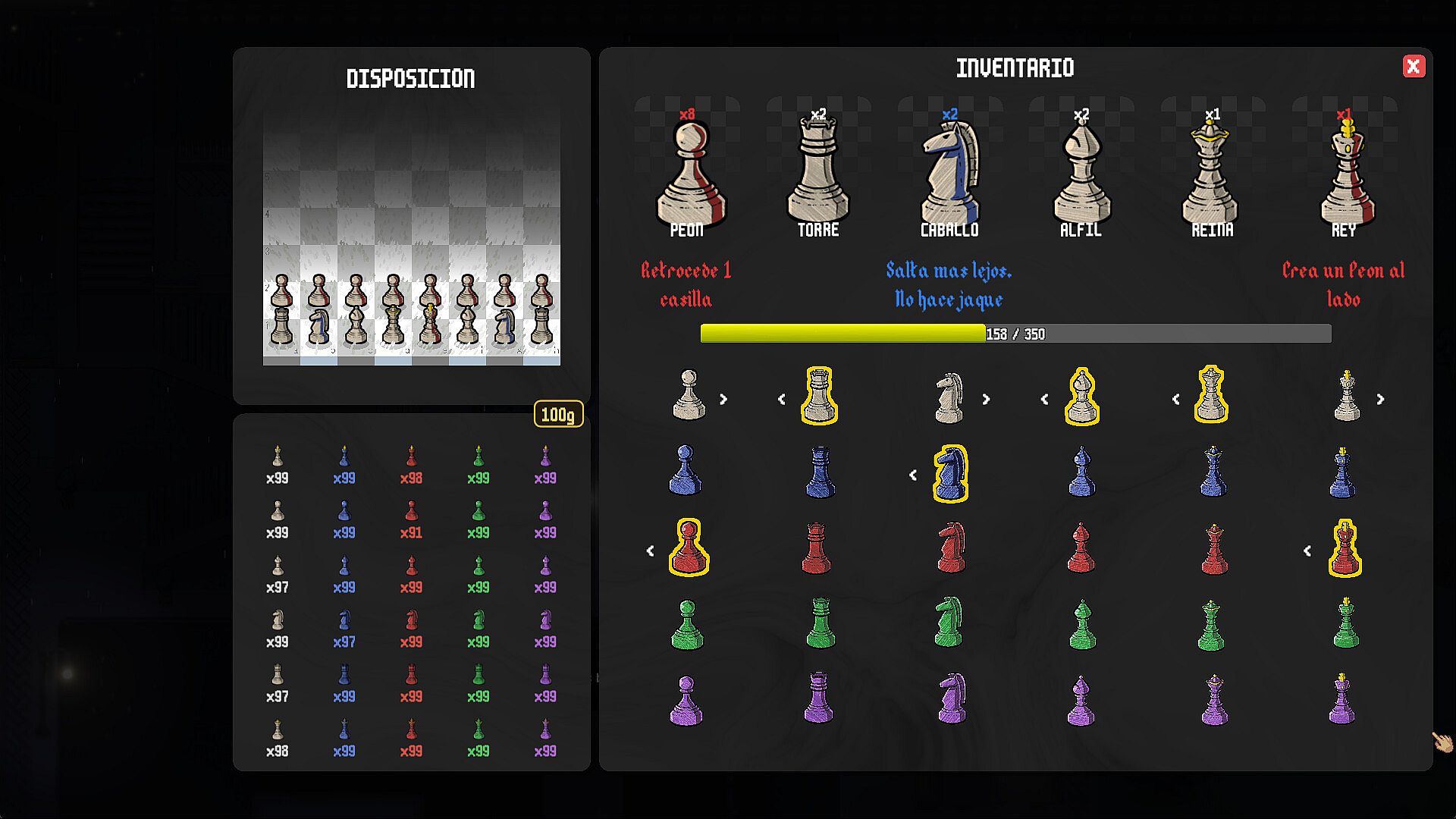
The core loop revolves around chess pieces that carry unique abilities tied to one of four factions. These abilities modify standard movement, capture, and victory conditions, so each faction demands its own approach to positioning and timing. In the single-player experience, progression occurs through a 2D RPG structure where the protagonist Chester travels between locations and interacts with faction stories. Leveling grants access to new characters and setup options that let players adjust their piece roster before entering conflicts.
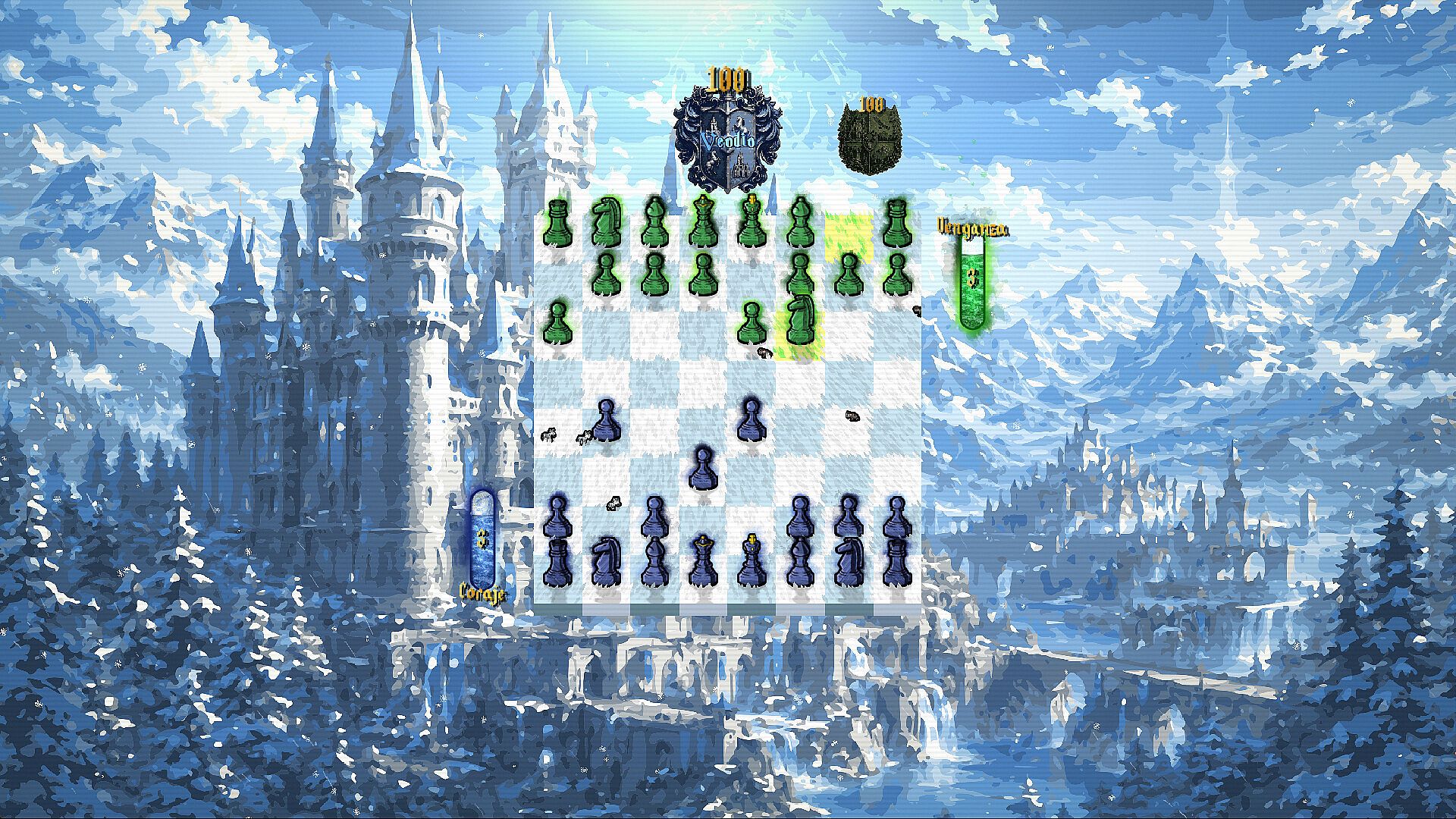
Combat remains turn-based on an 8x8 board, yet the added abilities create branching decision trees that reward foresight over rote memorization of openings. Character progression feeds directly into multiplayer preparation, allowing players to carry forward learned preferences into competitive matches without altering the fundamental chess foundation.
Game Modes
Two primary modes structure the experience. Campaign mode places players in the role of Chester as he navigates a world divided among four factions, encountering conflicts and allies that advance an integrated narrative. Matches within this mode serve story beats while providing opportunities to level up and refine piece configurations through repeated play.
Multiplayer mode supports both online matchmaking against remote opponents and local hotseat sessions on the same device. Each participant selects a faction at the start, locking in its distinct piece abilities for the duration of the match. The result is a series of asymmetric encounters where familiarity with one faction does not guarantee success against another, encouraging repeated sessions to master the full roster of options.
Faction Mechanics and Customization
Every faction alters chess in targeted ways that affect piece behavior and strategic priorities. One faction might emphasize mobility or defensive positioning while another rewards aggressive captures or area control. These differences ensure that switching factions changes the entire pace and feel of a game rather than simply reskinning the same pieces.
Customization extends beyond initial selection. As the campaign advances, players unlock additional pieces or variants that can be slotted into their setup. This system rewards experimentation, letting individuals tailor their roster to preferred playstyles while still respecting the asymmetric rules of whichever faction they choose in multiplayer.
Is It Worth Playing?
Checkmate: Chester appeals most to players who enjoy chess fundamentals paired with narrative context and ongoing progression. The combination of story-driven encounters and faction-specific rules creates variety that standard chess lacks, while the option for both solo campaign runs and head-to-head matches supports different session lengths. Those seeking pure competitive chess without RPG layers may find the added systems distracting, yet anyone interested in asymmetric strategy or character-driven board games will discover consistent depth across both modes. The game remains available on PC with no reported seasonal content or major balance patches at this time, keeping focus on the core mechanics described above.











