

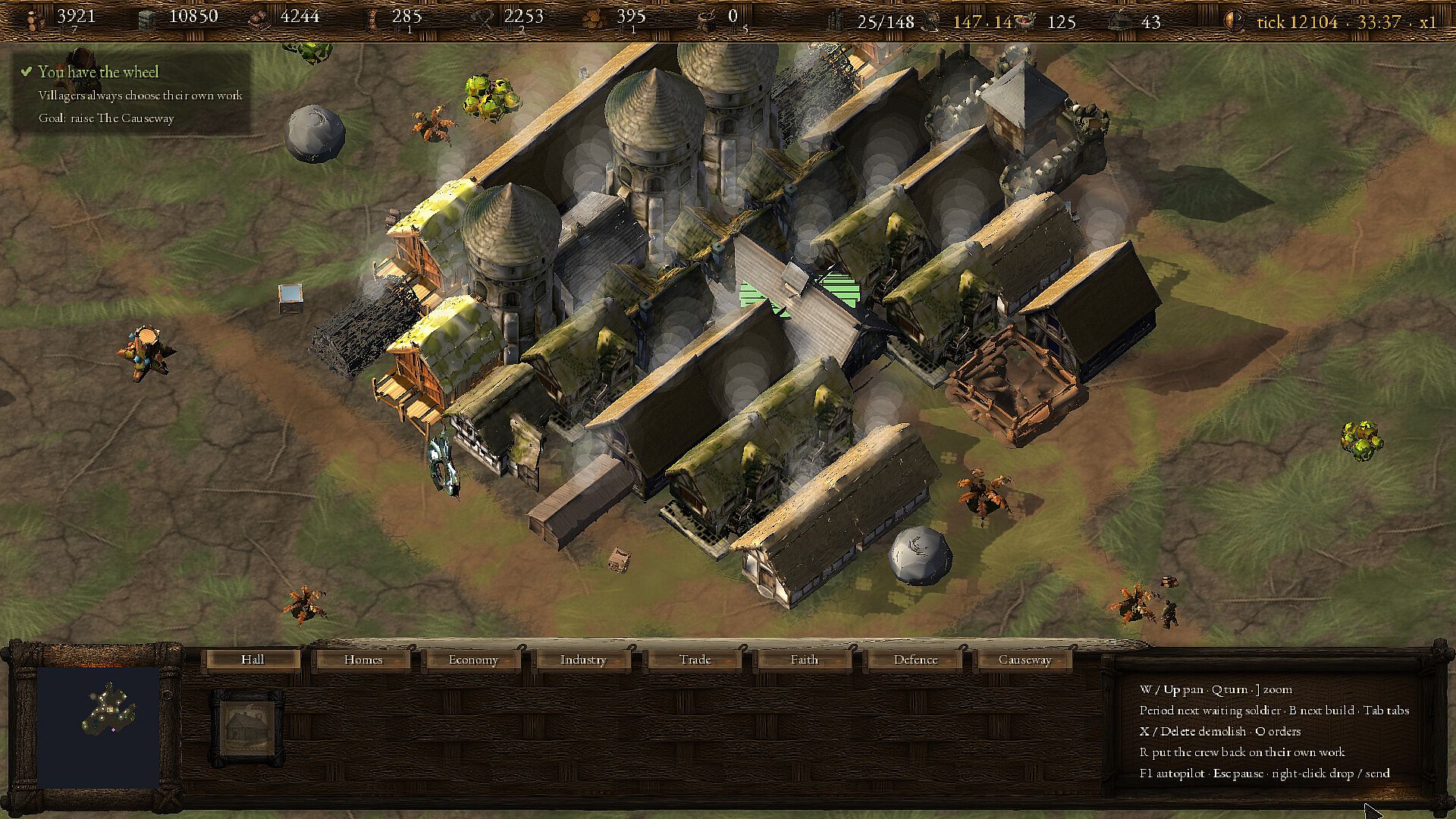
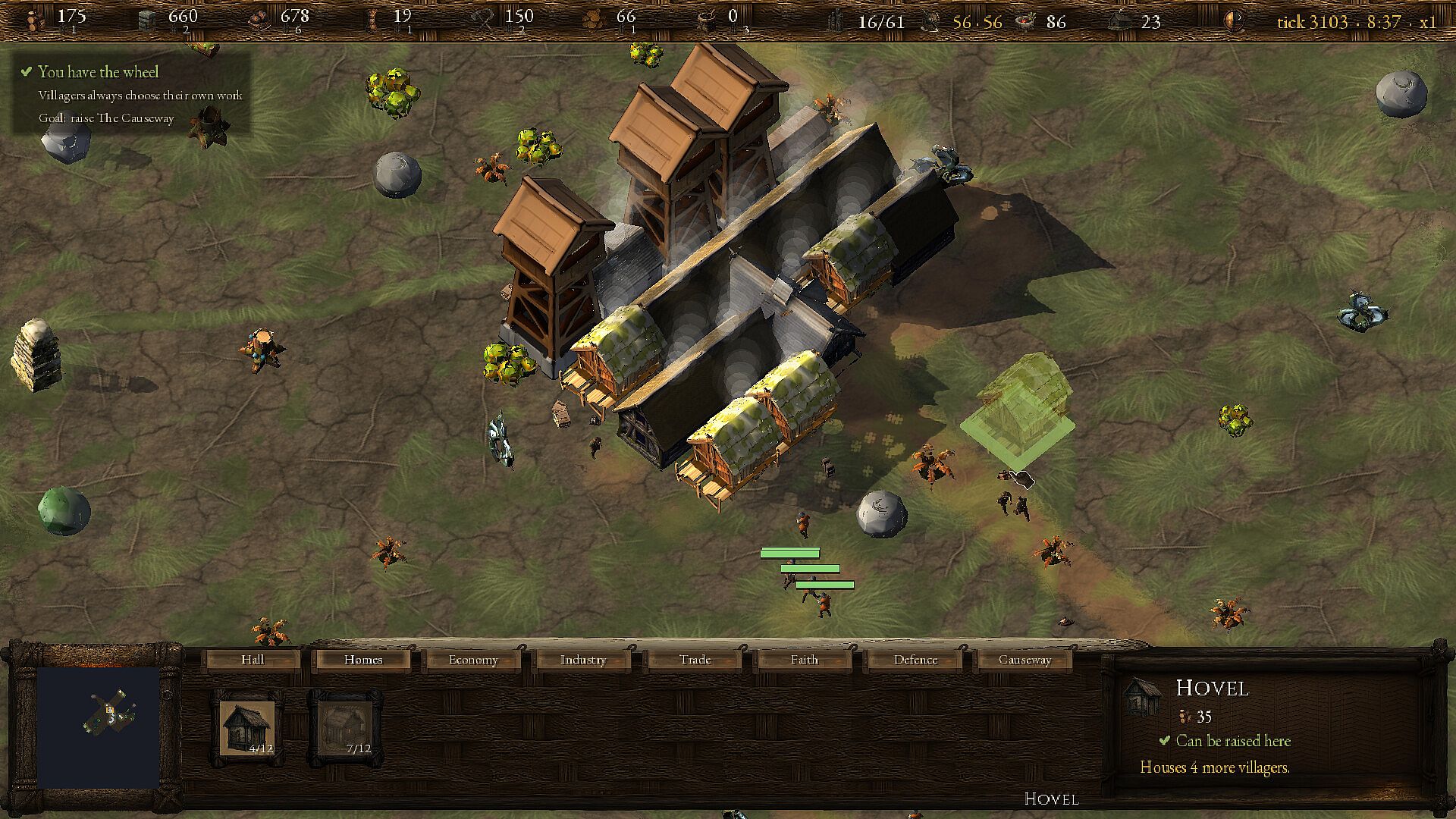
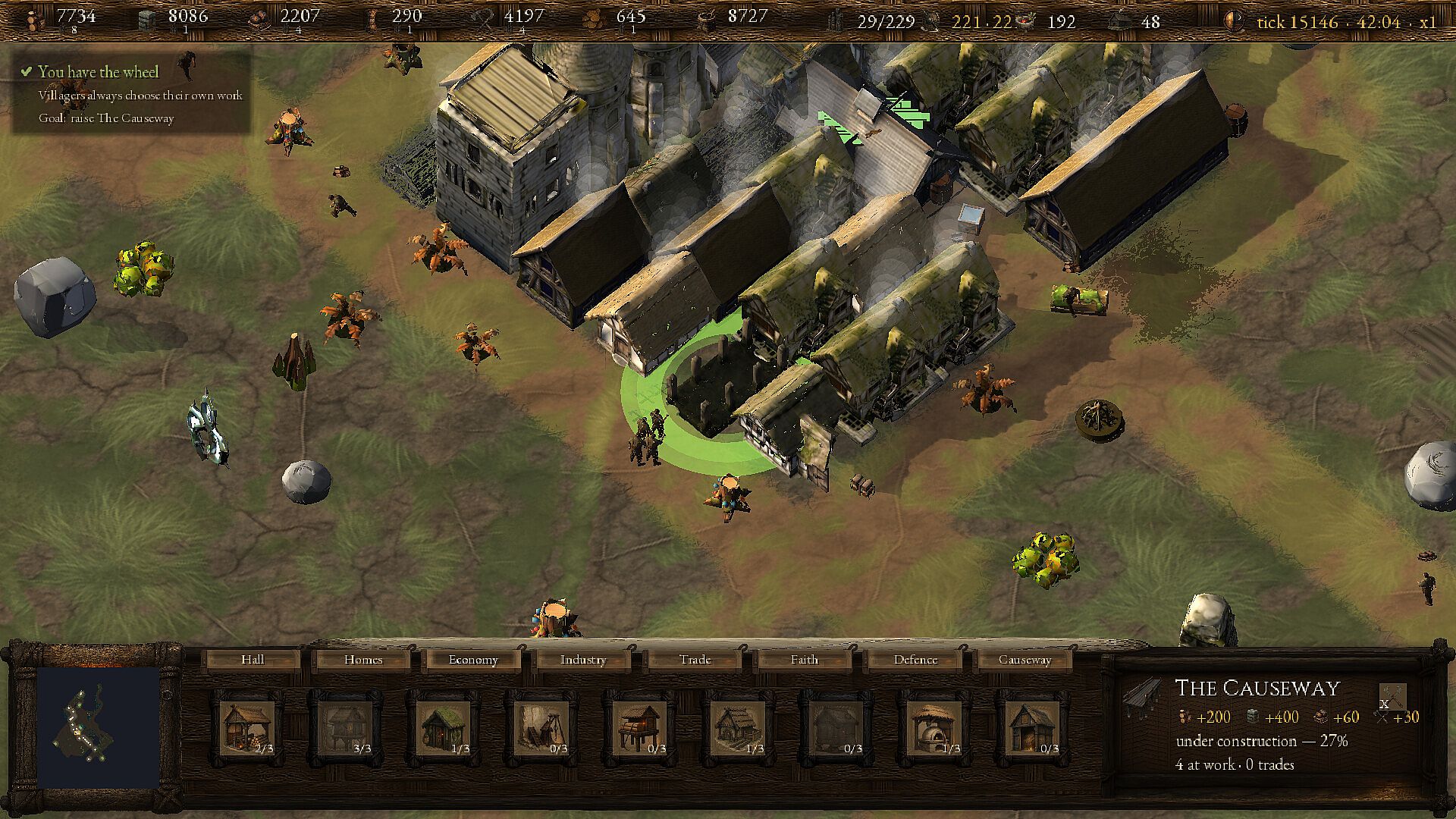
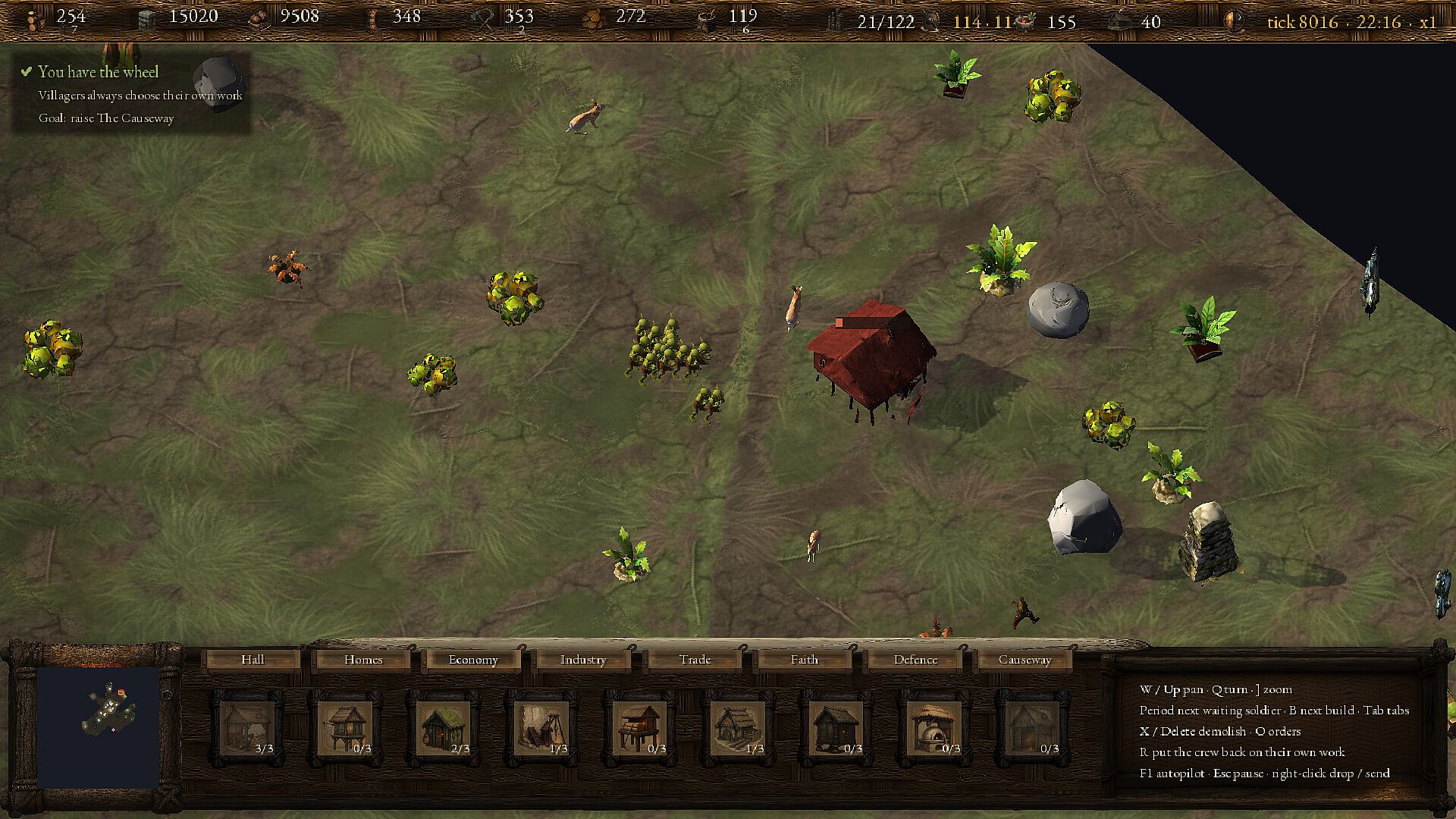
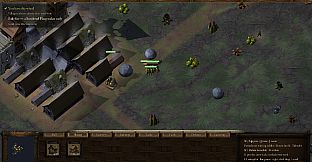
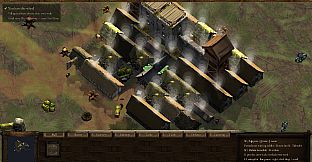
Bressnath is a strategy indie simulation game set in a harsh fen environment where players manage a growing settlement from a small group of villagers. The core challenge revolves around resource scarcity and expansion in a world that offers little forgiveness, with every decision tied to movement, labor, and survival against unseen threats.
Gameplay
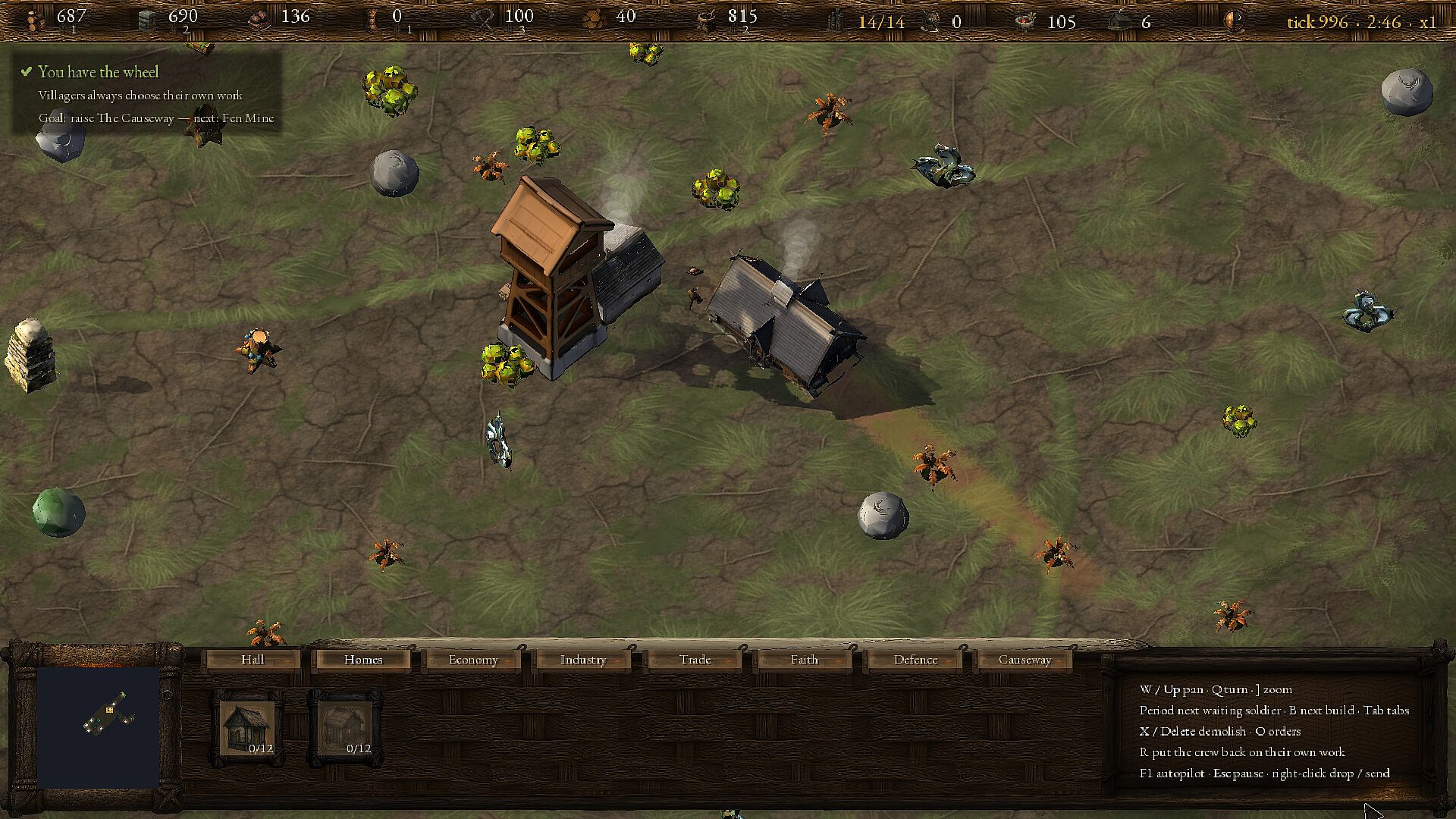
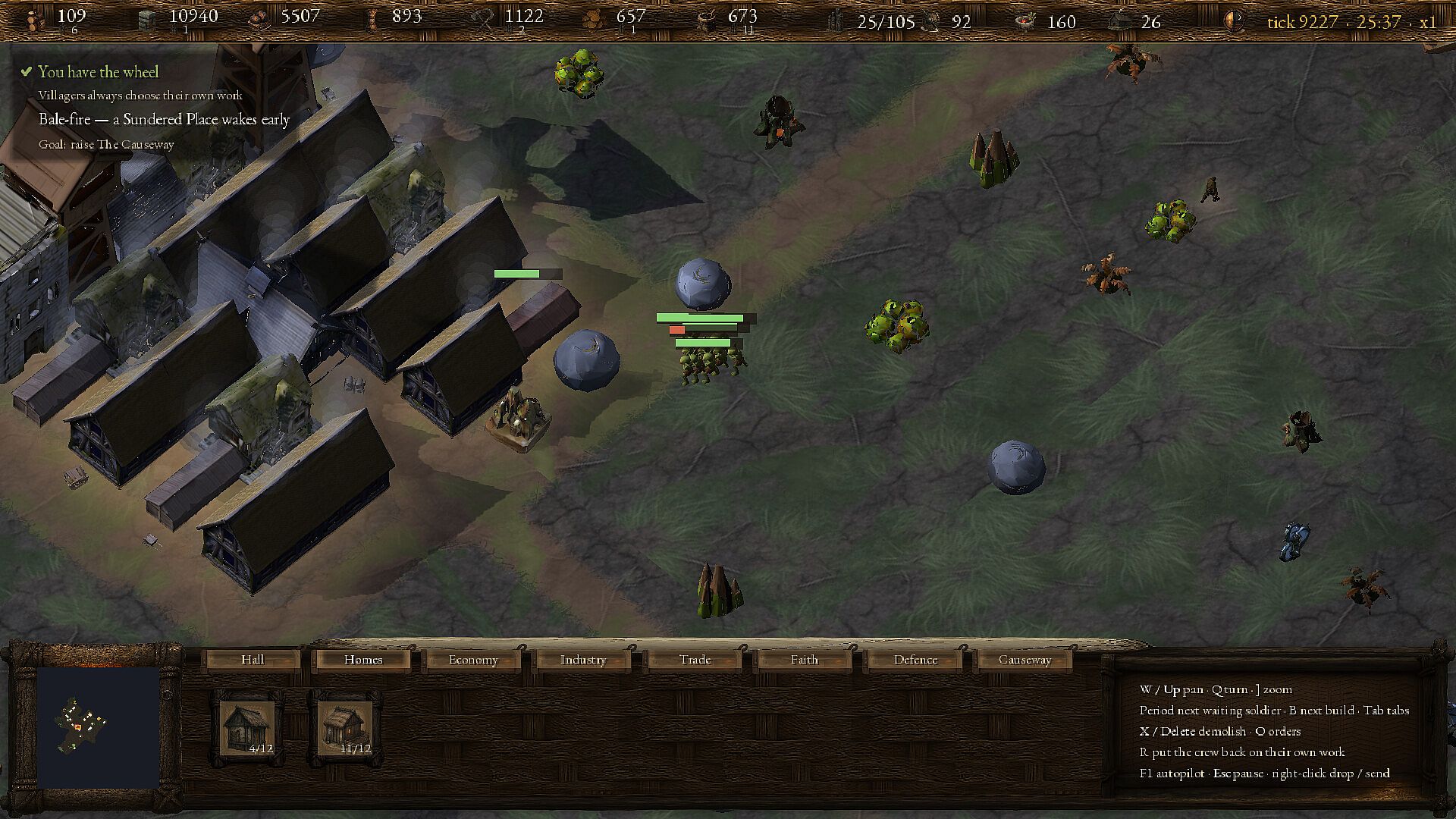
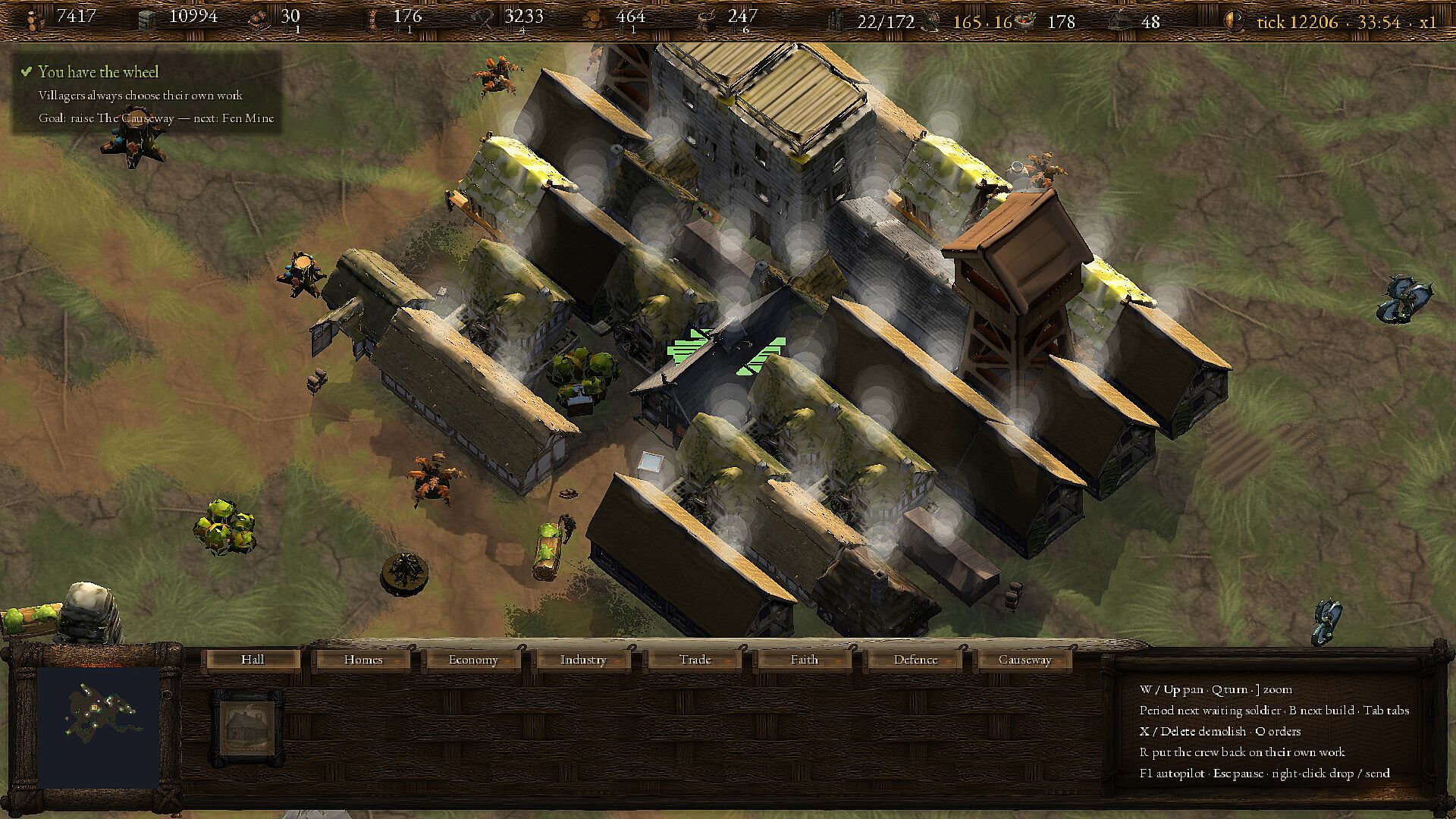
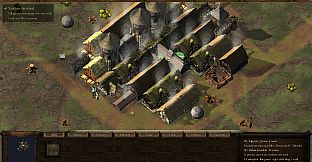
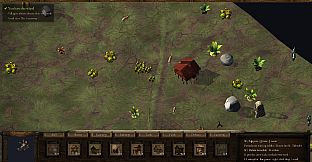
Players begin with a handful of villagers at a half-drowned holding in the Vreldsath fens during the years of the Rekindling. Resources such as timber, stone, and fish deplete without replenishing naturally, forcing constant outward expansion to better ground while contending with difficult neighbors. All materials must be carried by hand, so building placement directly affects efficiency as villagers walk long distances between reed beds, quarries, fishing pools, and home.
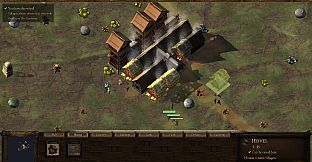
Twenty-three buildings form the foundation of development, many featuring upgrade tiers. These include lumber camps, fen farms, bakehouses, smithies, an eel wharf, a caravan market, a guildhall, watchtowers, barracks, and a castle. Three distinct food types influence contentment levels, with balanced diets allowing faster work rates compared to reliance on fish alone. Trade through the market provides shortfalls but always at a net loss, emphasizing self-sufficiency over easy gains.
Defense operates without timers or indicators. Attacks arrive on an unpredictable schedule that players learn through repeated play. Eight families of horrors emerge from the Sundered Places across the map, with milder threats near starting areas and greater dangers at the edges. Watchtowers, the castle, and fed soldiers provide static protection, while players may also assemble armies to assault lairs directly. Ruin-caches buried under fog of war yield variable rewards, with many interactions and unlocks revealed only through experimentation.
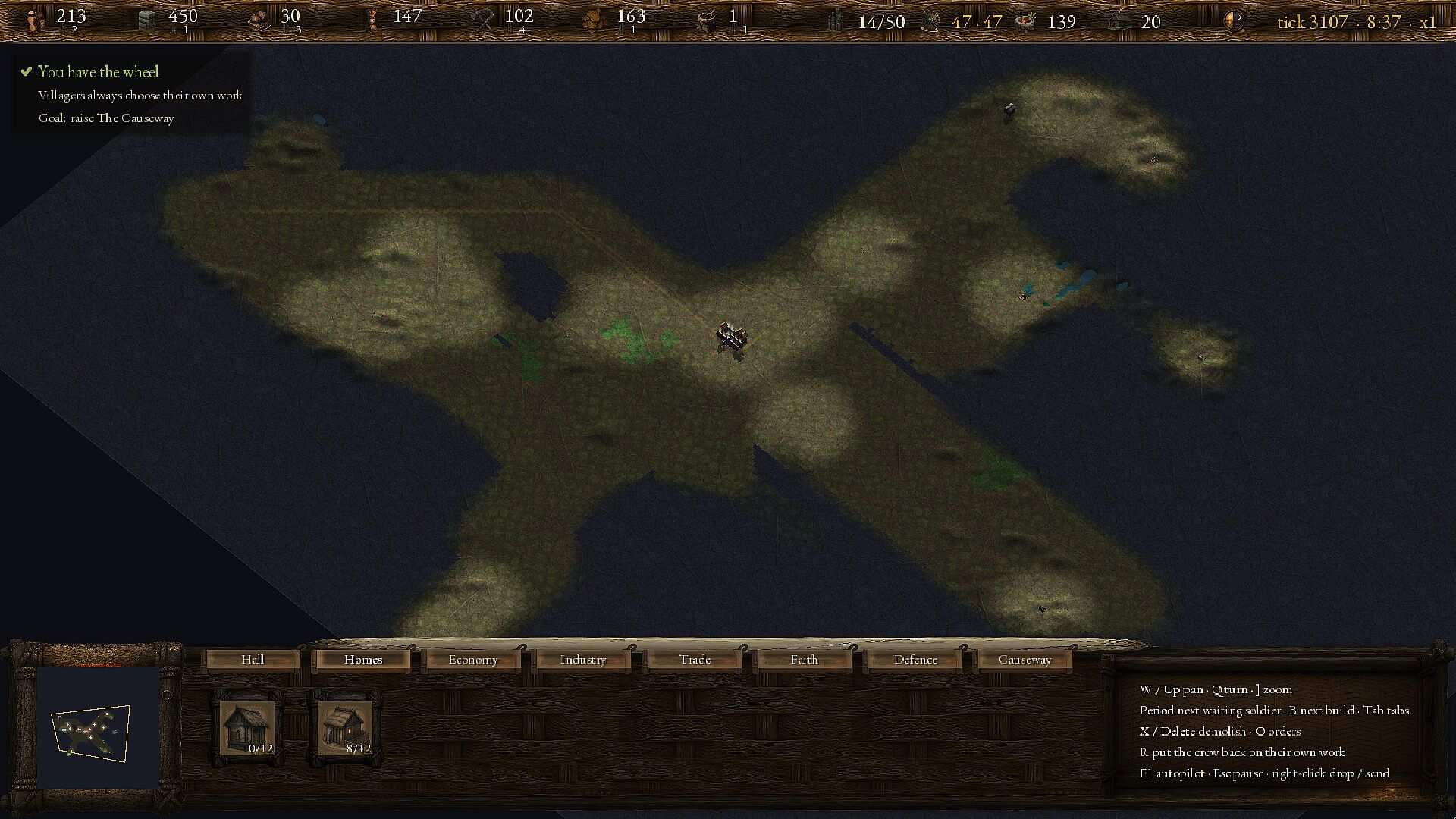
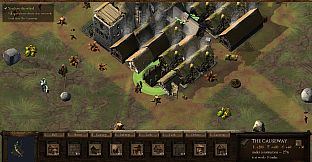
The sole victory condition requires completing a massive causeway, a raised timber road built on driven piles across open water. This project draws the fen's full opposition during construction. Each run generates a new, expansive fen map, supported by one hundred achievements and a complete absence of meta-progression so every attempt begins from scratch. Controls use keyboard and mouse, with support for English and Czech languages in a setting drawn from the world of Orenvalt.
Game Modes
Bressnath centers on a single-player procedural experience where each session presents a fresh generated fen for players to develop from initial villagers toward the causeway objective. The structure emphasizes repeated runs without carryover progress, allowing focus on different building priorities, defense strategies, or exploration paths in each attempt. No separate multiplayer or alternate named modes appear in the design, keeping emphasis on the core loop of settlement management, resource hauling, and timed defensive responses within the generated environment.
Building and Resource Systems
Settlement growth depends on careful positioning because villagers physically transport every load. Proximity to work sites reduces wasted time, while distant placements slow overall progress. Food variety directly boosts productivity, and the market serves as a costly safety net rather than a reliable profit source. Upgrades across the building roster allow incremental improvements to output and resilience as the holding expands.
Defense and Exploration
Threats emerge without advance notice, training players to recognize patterns through experience rather than explicit cues. Static defenses combine with mobile forces that require ongoing feeding and housing. Buried caches encourage map exploration under persistent fog of war, where prior discoveries remain visible but new areas stay hidden until visited. This system rewards careful scouting alongside main construction goals.
Is It Worth Playing?
Bressnath suits players who enjoy deliberate strategy simulations focused on logistics, placement efficiency, and procedural challenge without hand-holding or persistent unlocks. The emphasis on physical carrying, unpredictable attacks, and a single major construction goal creates a focused loop that rewards observation and adaptation across multiple runs. Those drawn to indie titles with detailed building tiers, food management, and defensive preparation in a bleak setting will find the mechanics align closely with that preference. The lack of meta-progression keeps each session self-contained, appealing to those who value fresh starts over long-term accumulation. Availability remains limited to PC with keyboard and mouse controls.