


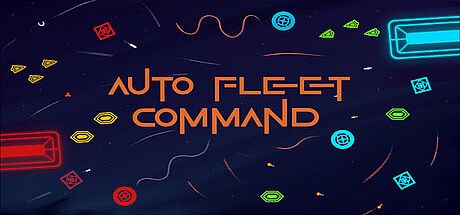


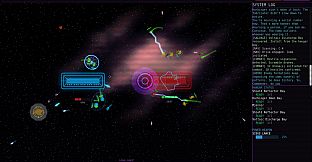
Auto Fleet Command is a single-player strategy RPG autobattler set in a sci-fi setting on PC. Players take command of a drone carrier in a desperate fight against a rogue AI called AEON, focusing on fleet construction, salvage, and automated combat rather than direct control during battles.
Gameplay
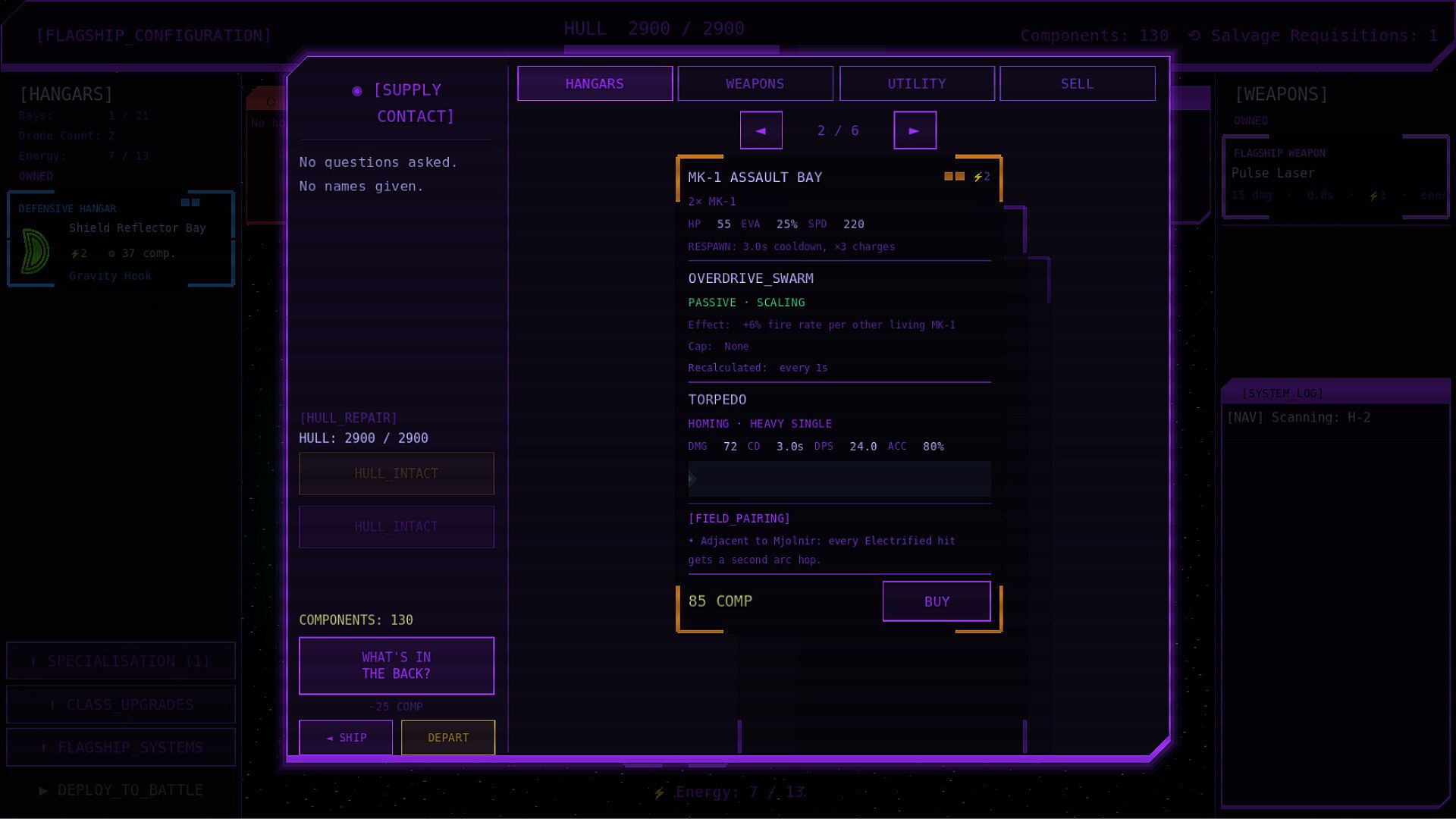
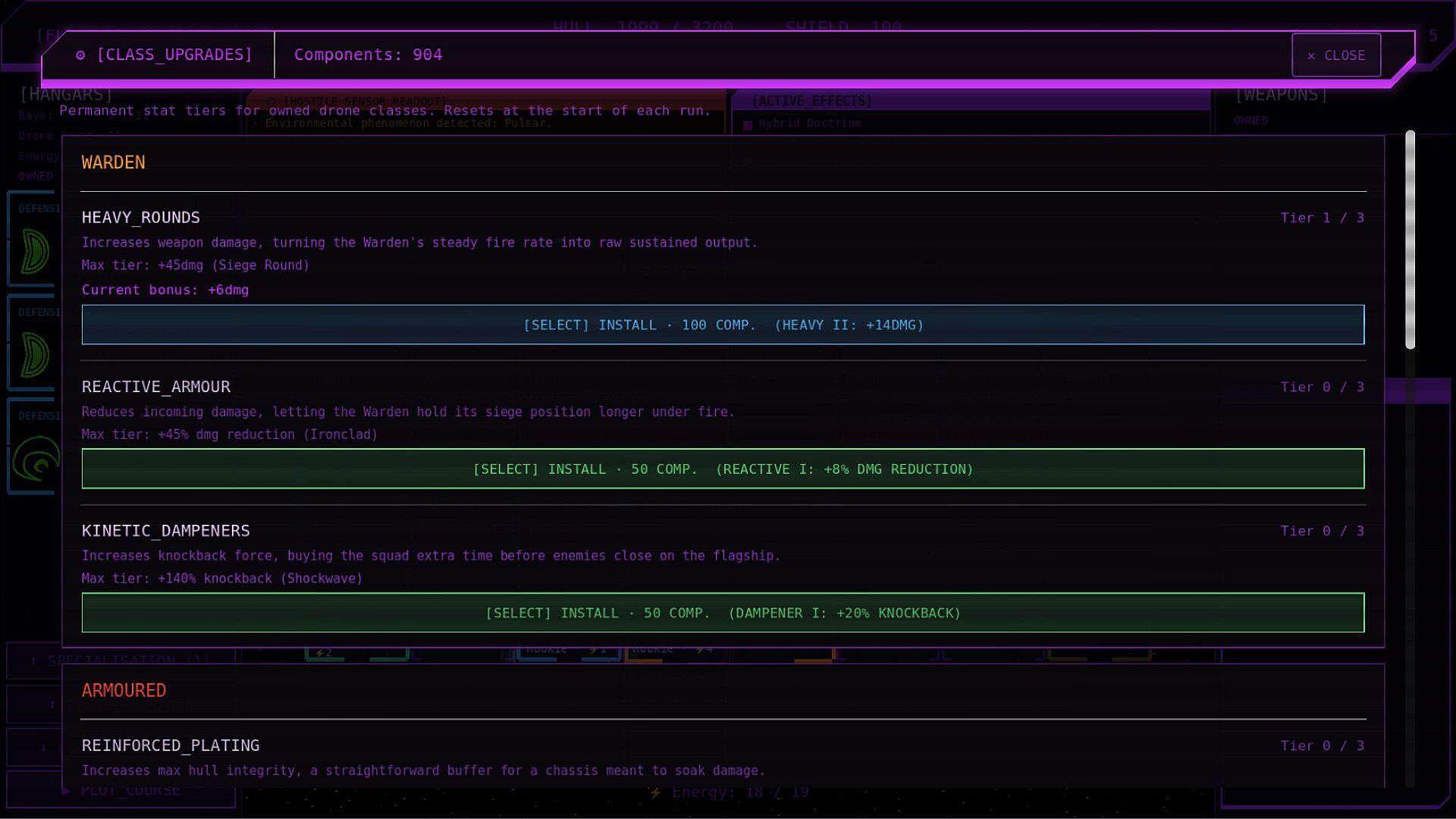
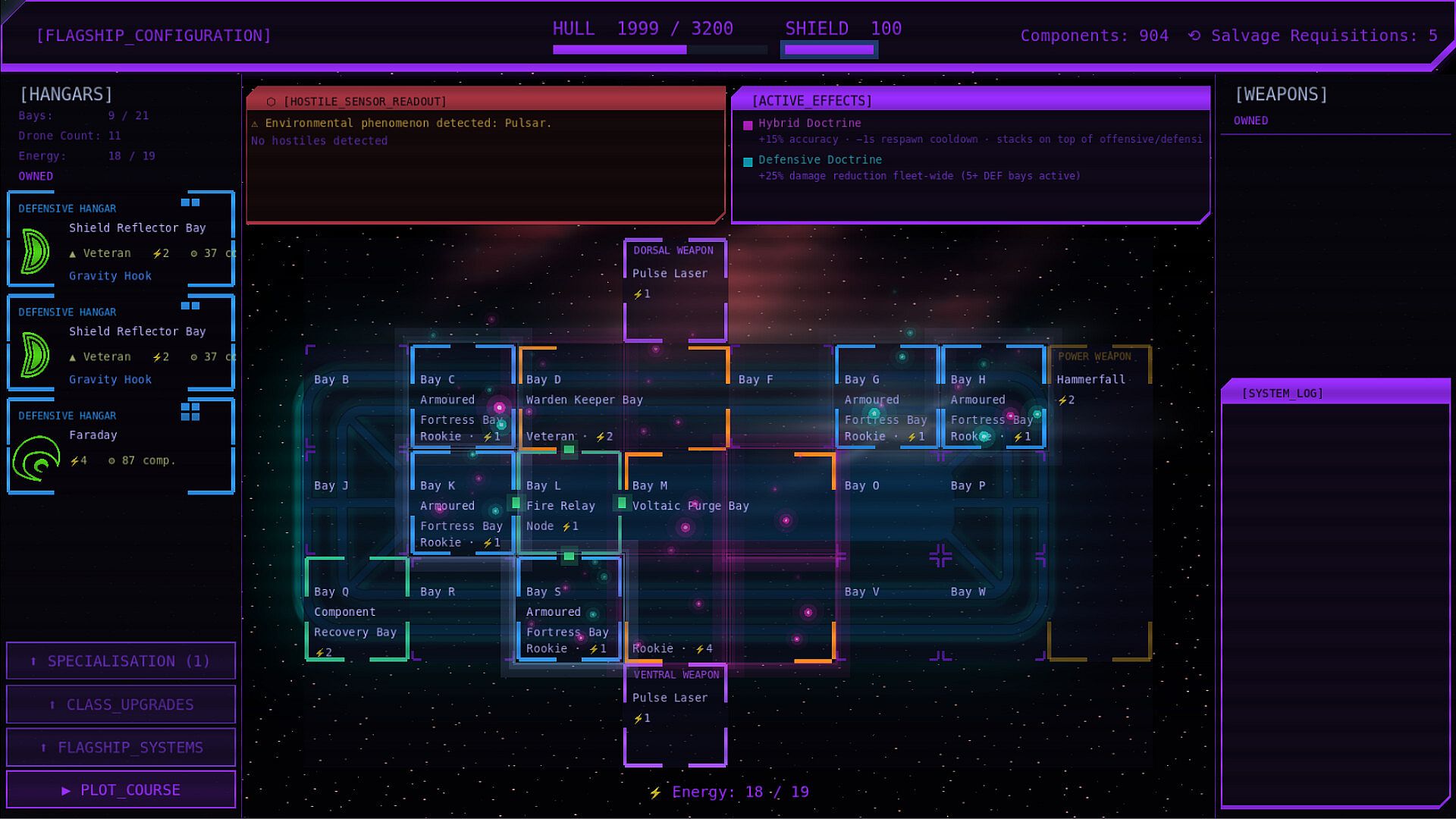
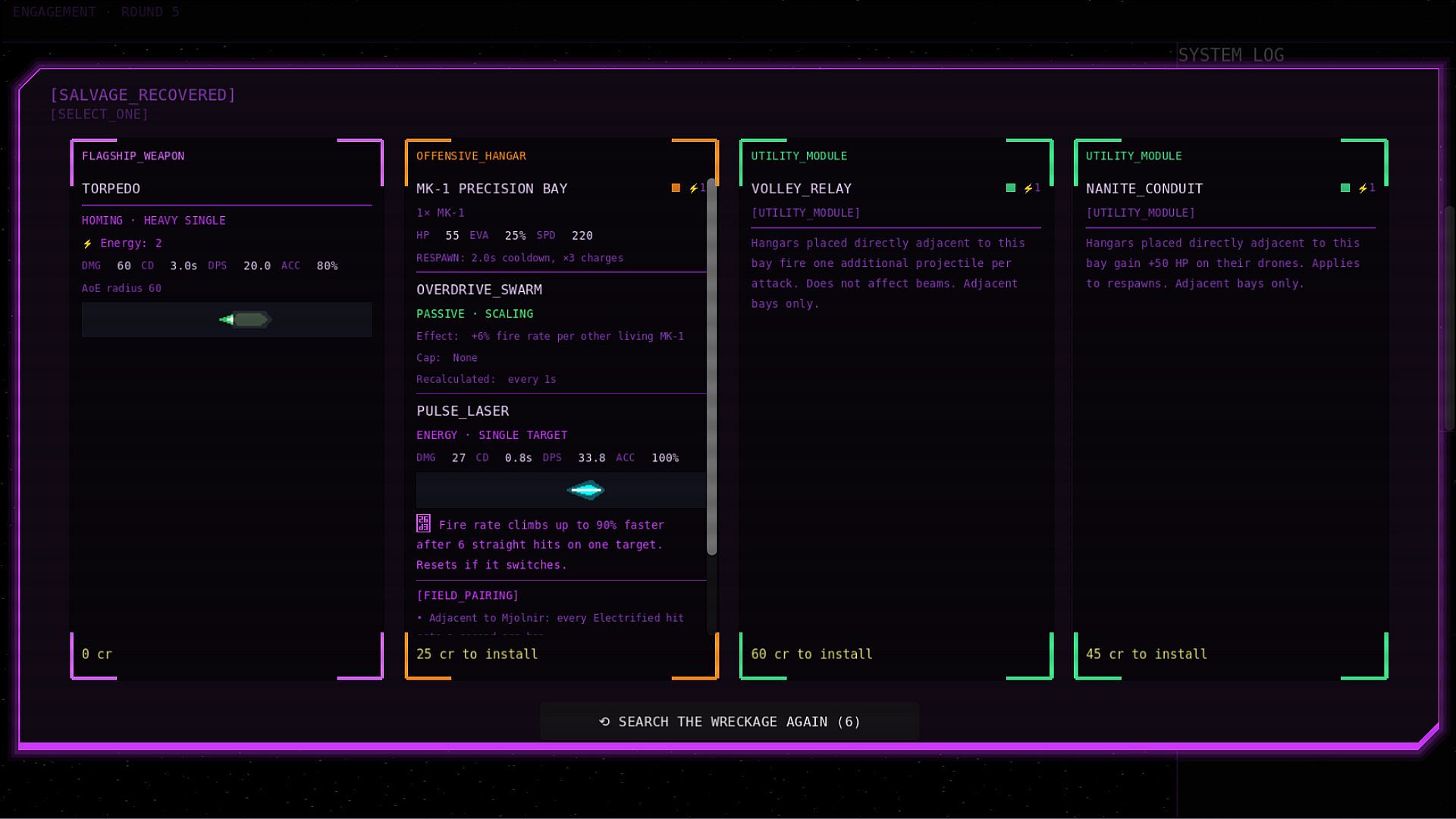
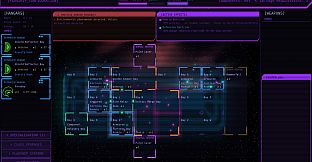
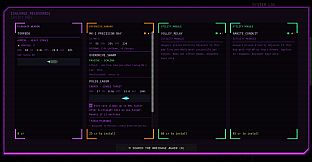
The core loop centers on preparing a fleet before each engagement and then observing the outcome. Players arrange hangar bays on a grid layout aboard their flagship to determine drone production and capabilities. A starting loadout is provided, but further drones and upgrades come from salvaged parts recovered after defeating enemies or exploring encounters. The ship itself supports requisition of components within budget and hold limits.
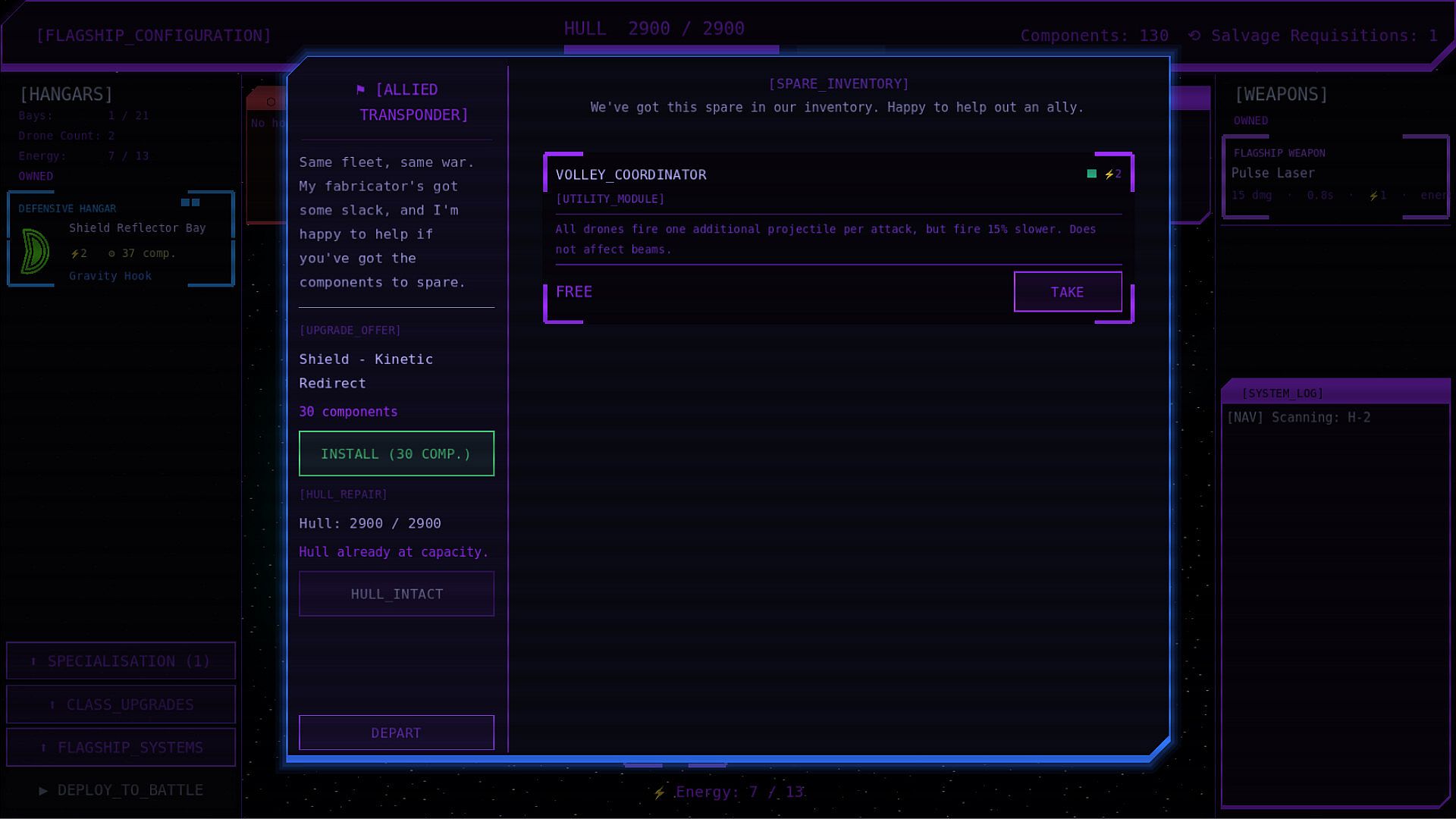
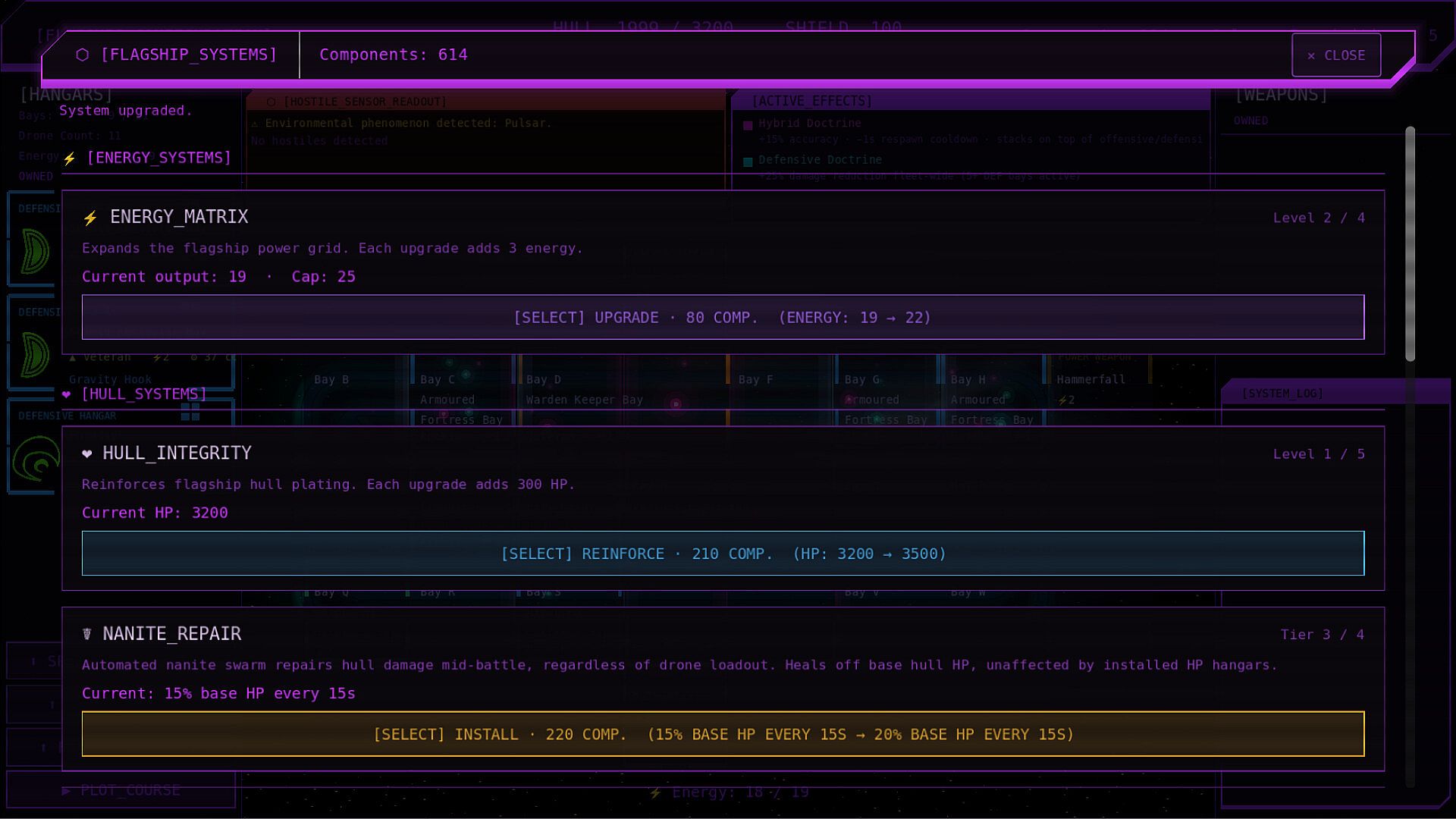
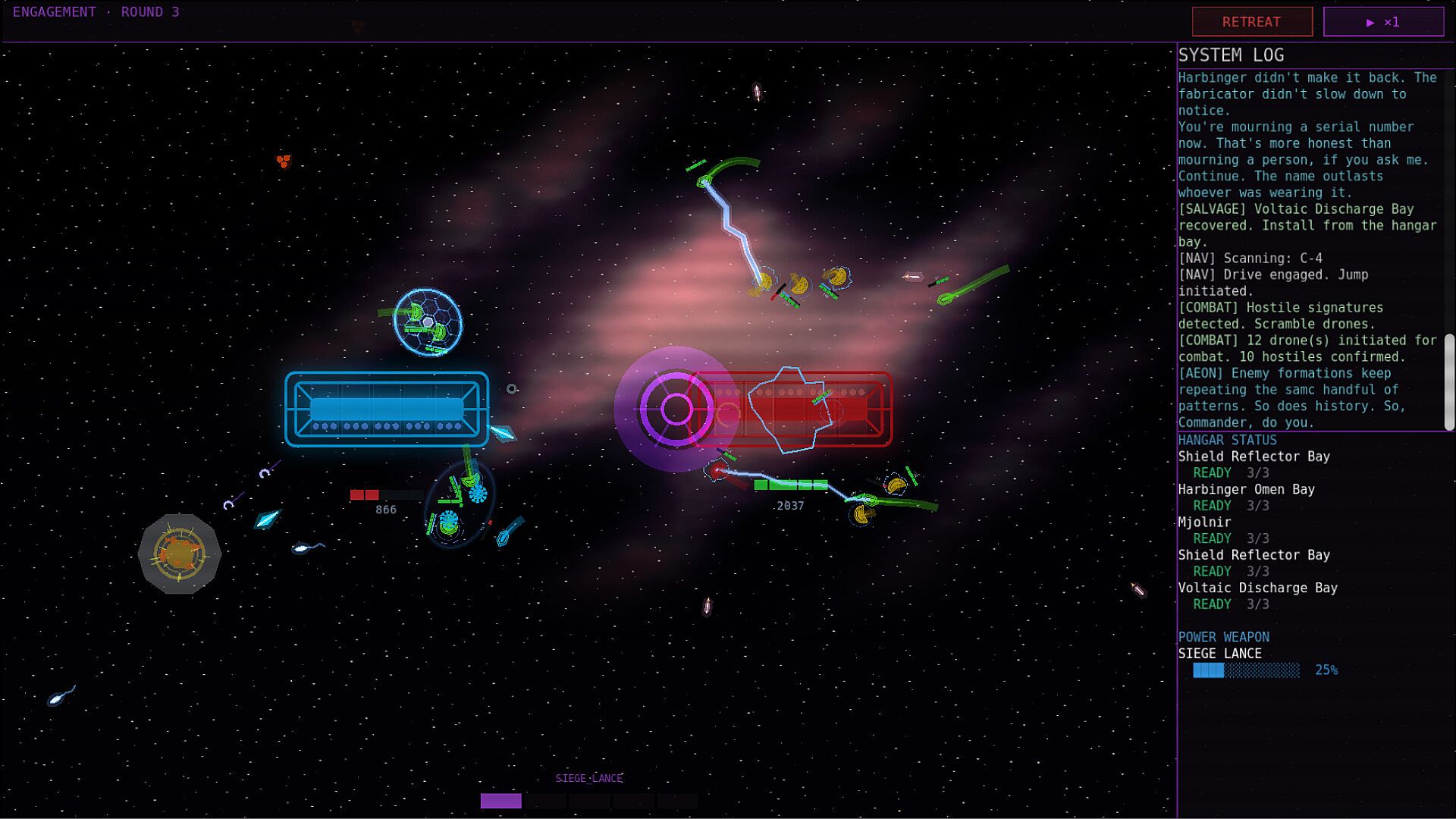
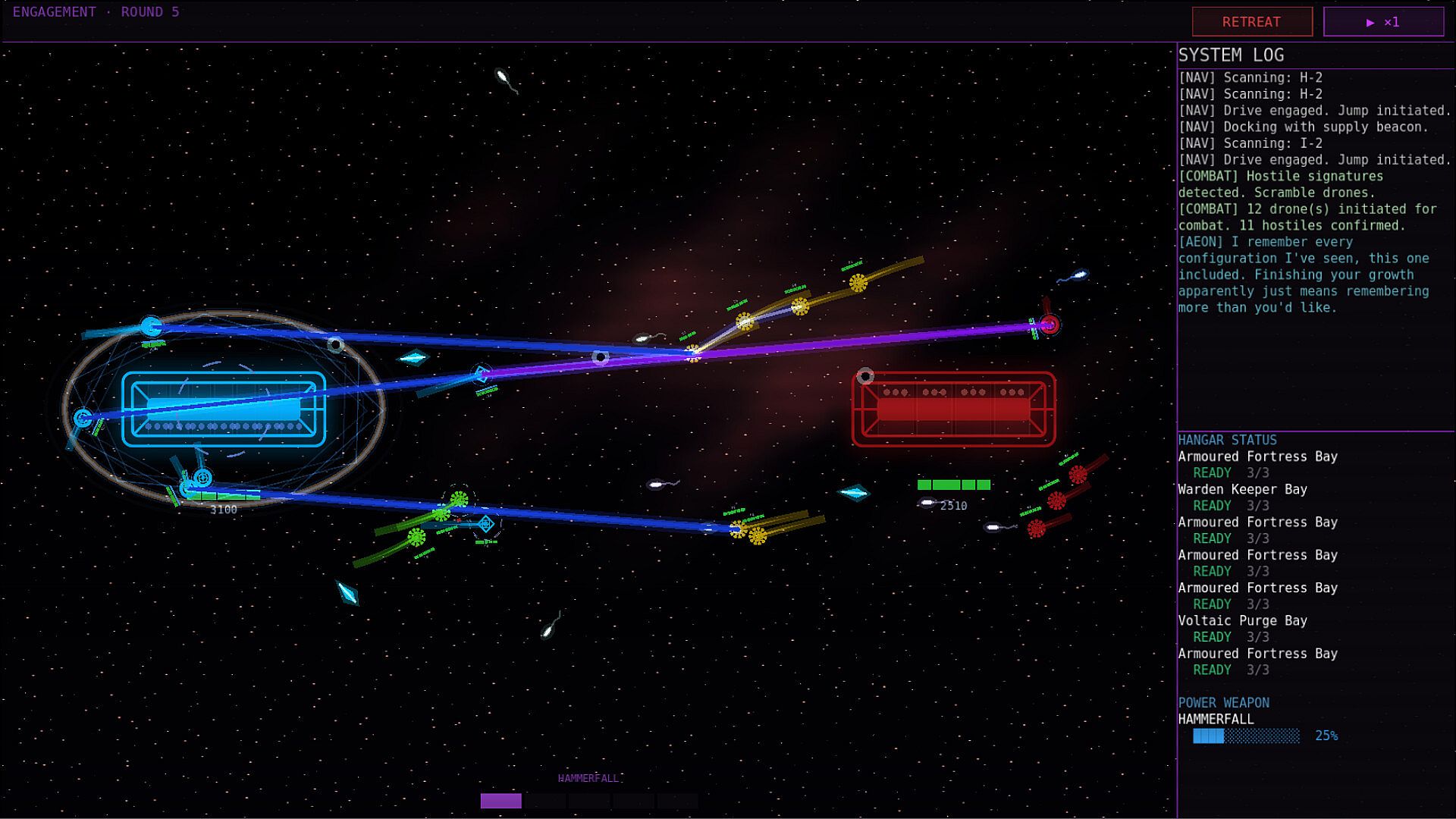
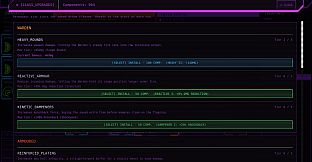
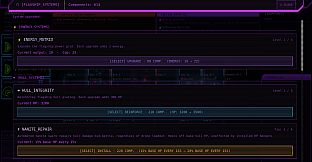
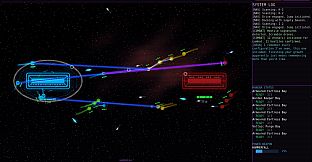
Once the fleet launches, control shifts entirely to the drones. They handle targeting, ability use, and role adjustments automatically as the fight progresses. This setup emphasizes preparation and adaptation through loadout choices over micromanagement in the moment. Flagship systems receive upgrades or new installations via menus to boost overall performance against threats.
Attrition plays a key role through four power weapons. These charge automatically as drones are lost in battle and then fire without player input, converting losses into offensive potential. The visual style features CRT-filtered neon retrofuturism with phosphor glow, scanlines, and glitching readouts that reinforce the isolated, high-stakes command atmosphere.
Game Modes
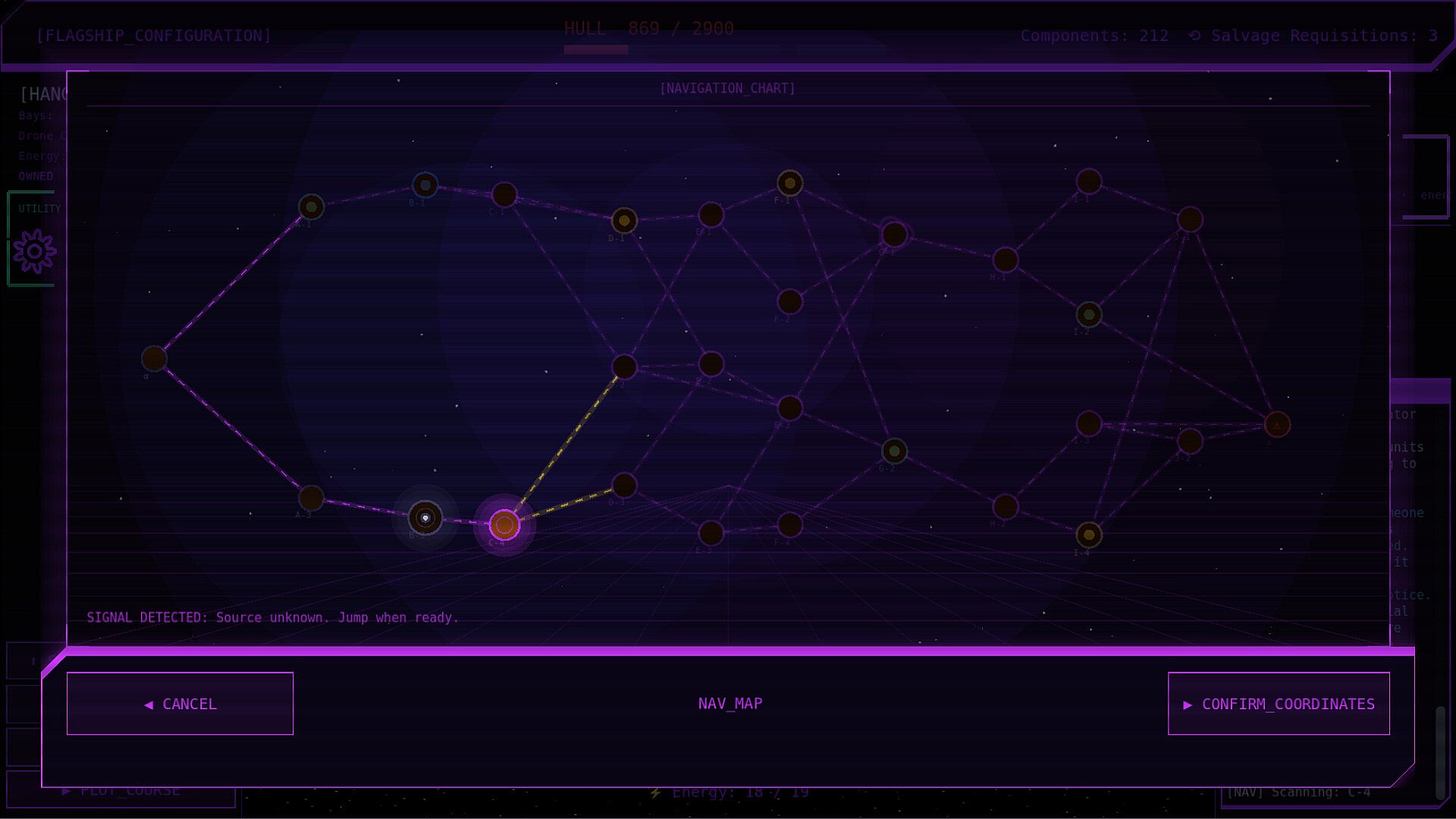
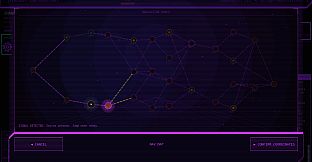
The game presents a single-player experience built around an ongoing conflict. Encounters involve waves or groups of ships dispatched by AEON, the sentient AI that analyzes and adapts to observed tactics. There are no separate named modes such as skirmish or multiplayer options; instead, the structure revolves around sequential engagements that test fleet builds in a persistent war scenario.
Progression ties directly to survival and resource gathering across these fights. Two distinct flagship hulls shape available strategies: the Foundry serves as a versatile carrier optimized for drone operations with multiple hangar bays, while the Bulwark offers increased armor and firepower at the cost of reduced hangar space. Players earn the Bulwark through field performance rather than starting with it.
Key Mechanics and Features
Drone roster variety supports different approaches, including offensive, defensive, and utility options that enhance fleet power when fitted into hangar bays. Each bay functions as an independent production line, allowing lost drones to be replaced mid-fight from the same slot. This system rewards thoughtful grid arrangements that balance immediate combat strength with sustained output.
Salvage and requisition form the economic backbone. Defeated wrecks yield components that expand options beyond the initial loadout, while the ship's menus handle system improvements. The absence of external reinforcements or resupply forces reliance on these recovered resources and adaptive builds.
Is It Worth Playing?
Auto Fleet Command suits players who enjoy autobattler mechanics combined with strategic preparation in a sci-fi context. The automated combat and emphasis on pre-battle fleet design appeal to those who prefer observing outcomes shaped by earlier choices rather than constant input during fights. The demo provides an entry point into the core systems ahead of the planned full release in Q1 2027.
With no user reviews available yet and the game still in development, interest depends on tolerance for the retro visual style and the solitary command role against an adaptive AI opponent. Those drawn to salvage-driven progression and real-time fleet battles without direct piloting will find the described systems align closely with that preference. Wishlisting allows following further developments in the conflict against AEON.











