

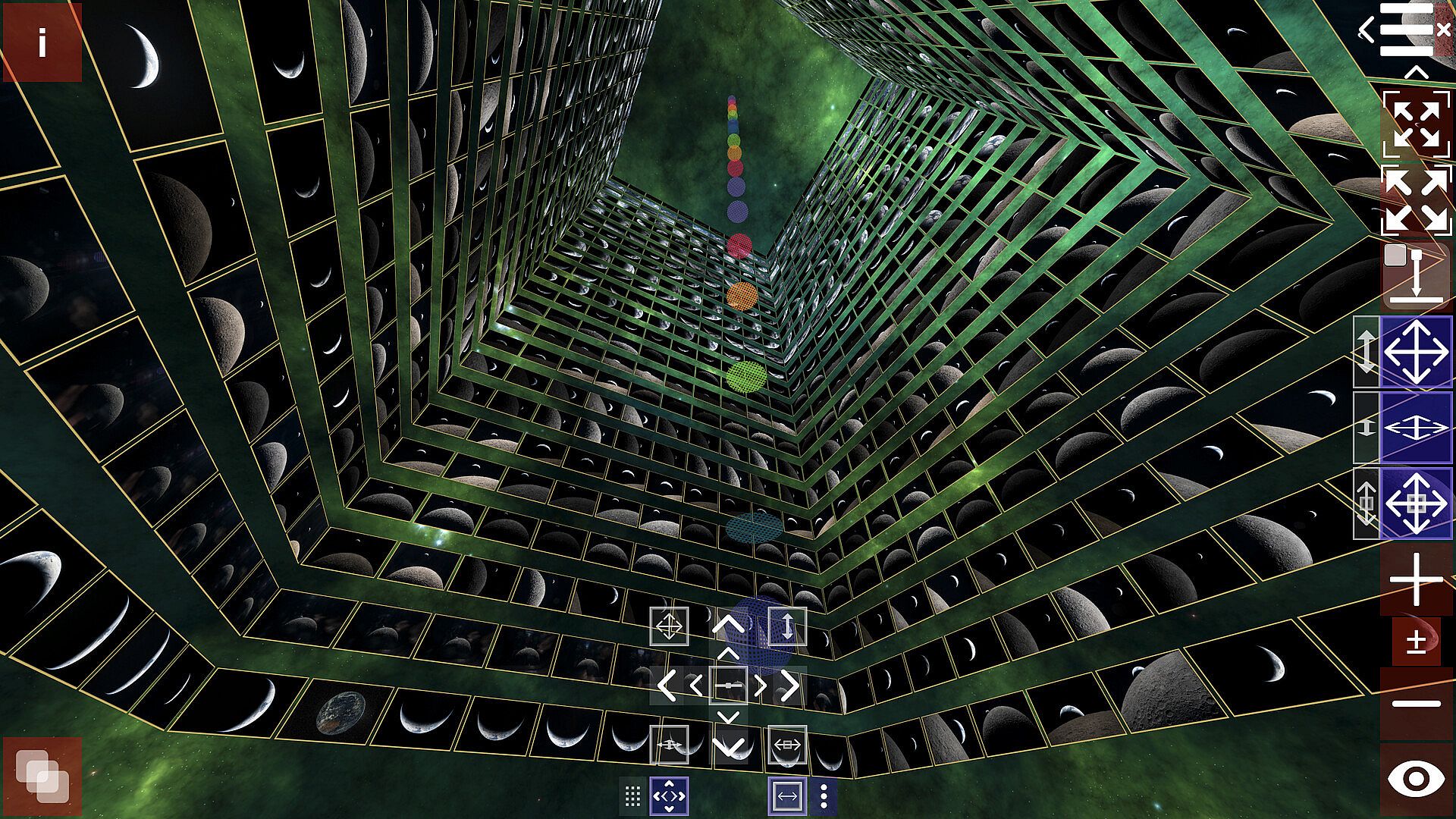
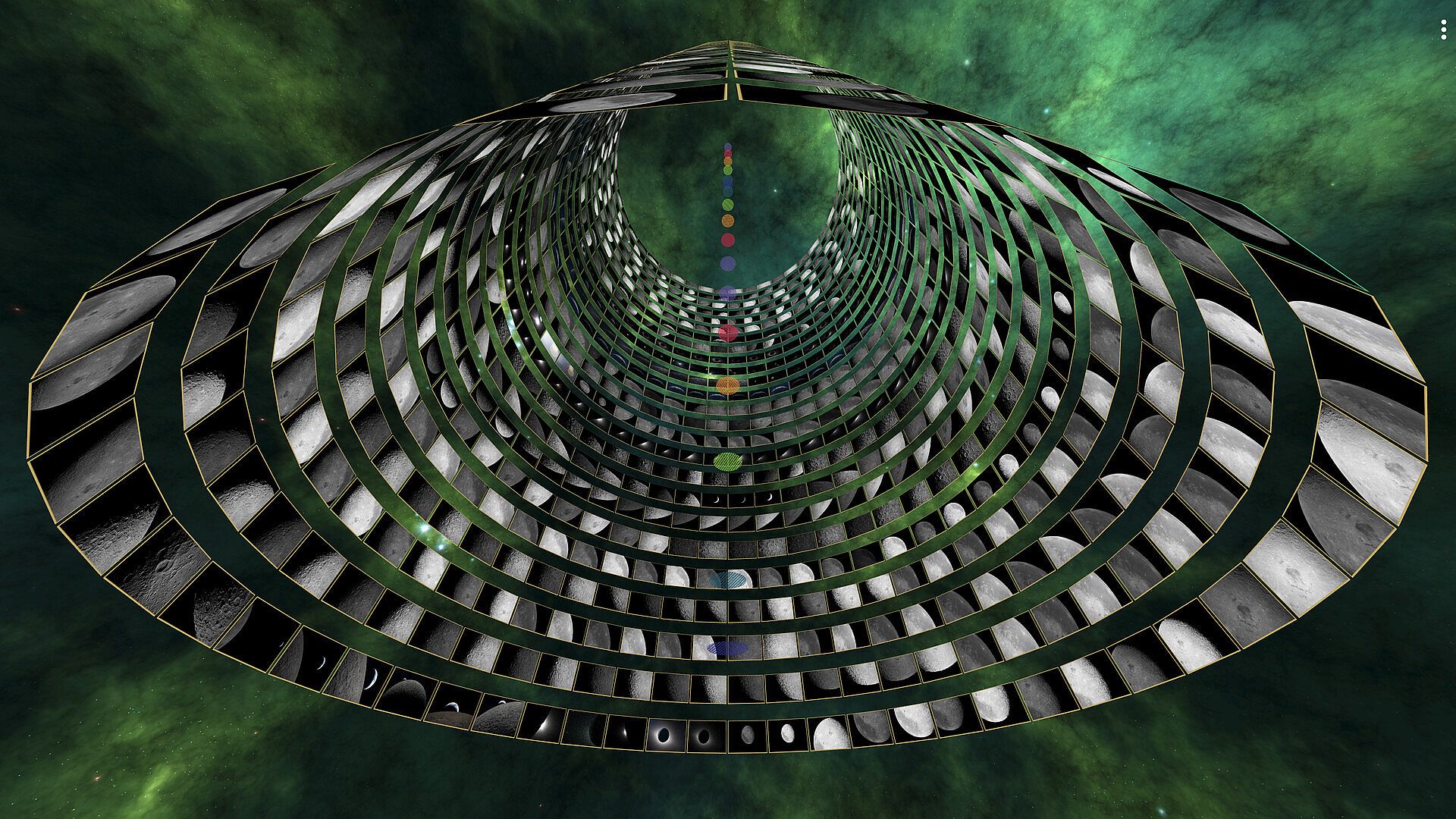
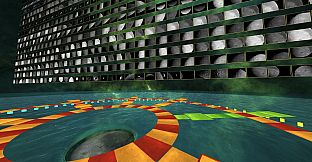
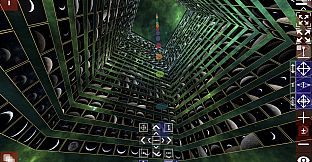
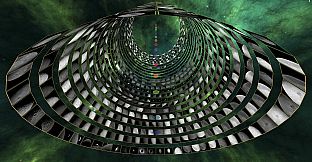
Astronomy3D: Artemis II is an indie simulation and adventure title built for PC that lets users explore a curated collection of more than 2,900 photographs from the Artemis II mission in an interactive three-dimensional environment. The experience transforms static mission imagery into navigable space where viewers move freely among distant views of Earth, the Moon's far side, ancient craters, earthrise and earthset scenes, and a solar eclipse captured during the nearly ten-day journey in April 2026.
Gameplay
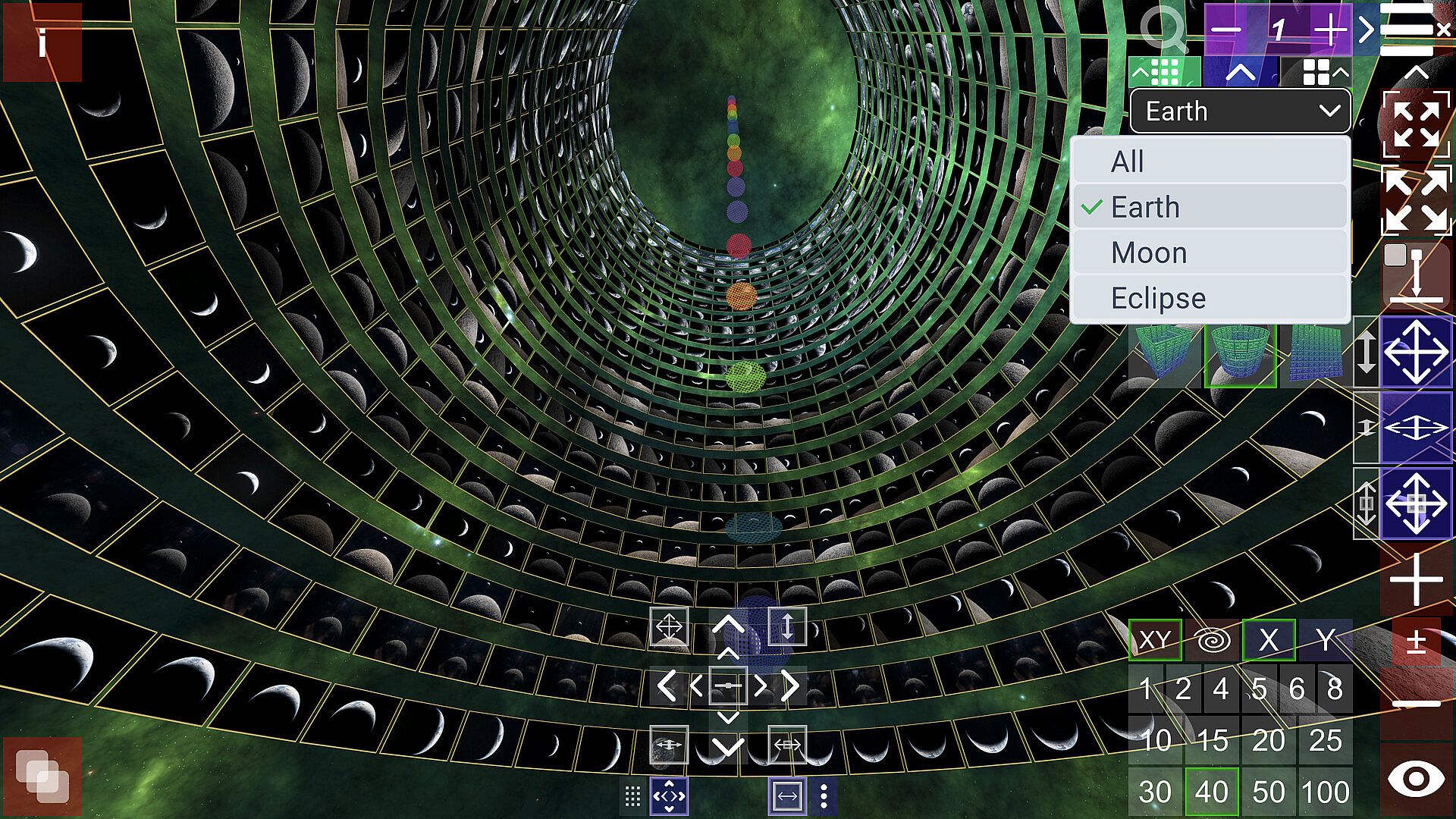
The core loop centers on free-form movement through a spatial arrangement of high-resolution images. Players begin with low-resolution previews visible across the entire collection, then approach individual photographs to trigger full detail loading in the background. This system keeps navigation smooth while revealing finer textures and clarity only when needed. Pointing at any image in the current view triggers an instant flight path to that location, eliminating the need for manual thumbnail browsing or sequential clicking.
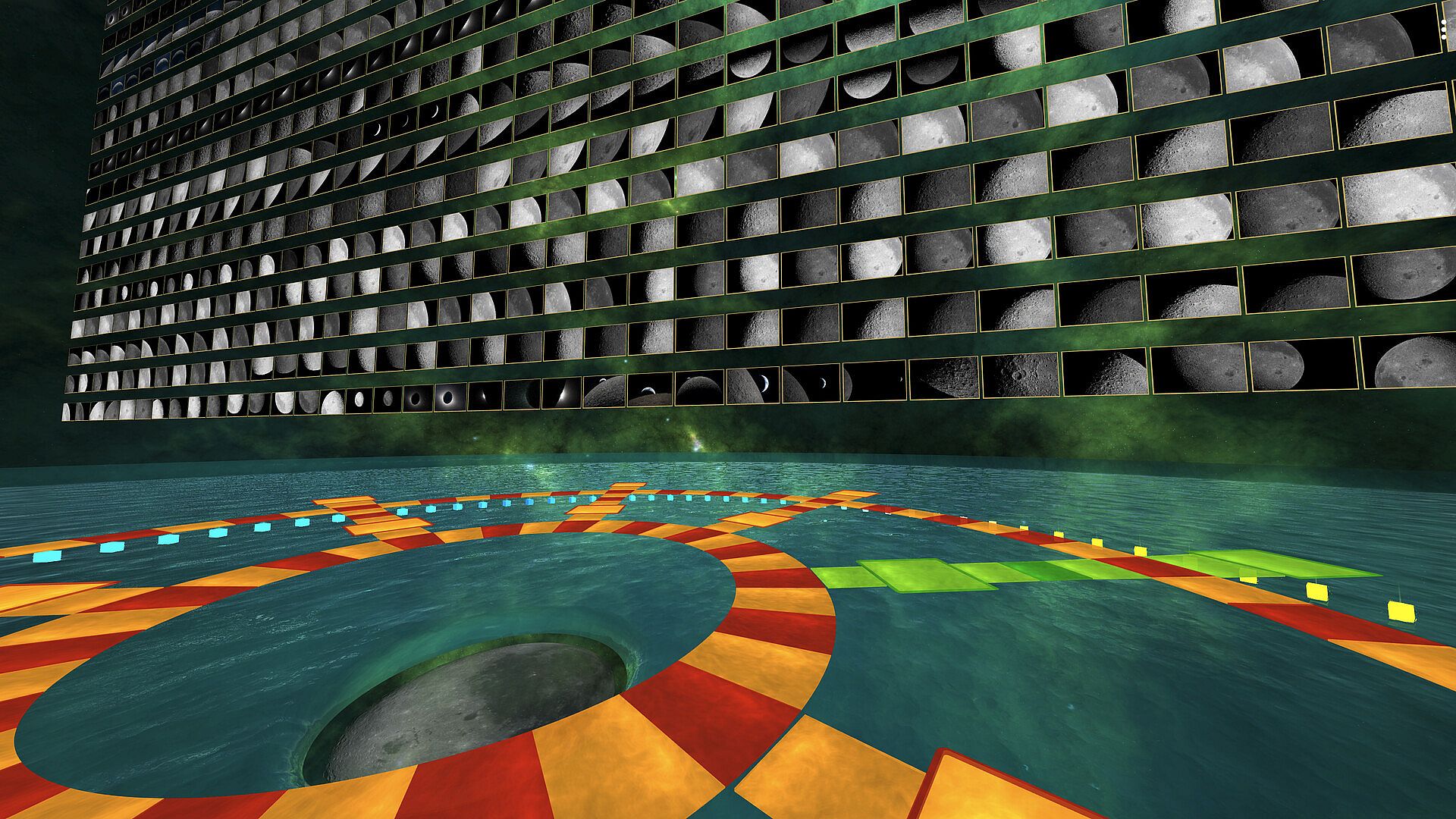
Adjustable settings cover UI scale, display quality, transition speeds, and overall performance options so the experience matches different hardware capabilities and personal preferences. The technology behind the viewer maintains continuous 3D space rather than discrete pages, allowing the full set of photographs to appear as a cohesive environment from a distance before resolving into sharp individual captures up close.
Game Modes
Three primary interaction styles are available. Manual mode supports unrestricted exploration with full control over movement and camera positioning. Slideshow mode advances through the collection at a user-defined pace for a guided yet self-timed progression. Flythrough mode runs an automated camera path that traverses the spatial layouts without input, presenting the photographs in sequence from varying angles.
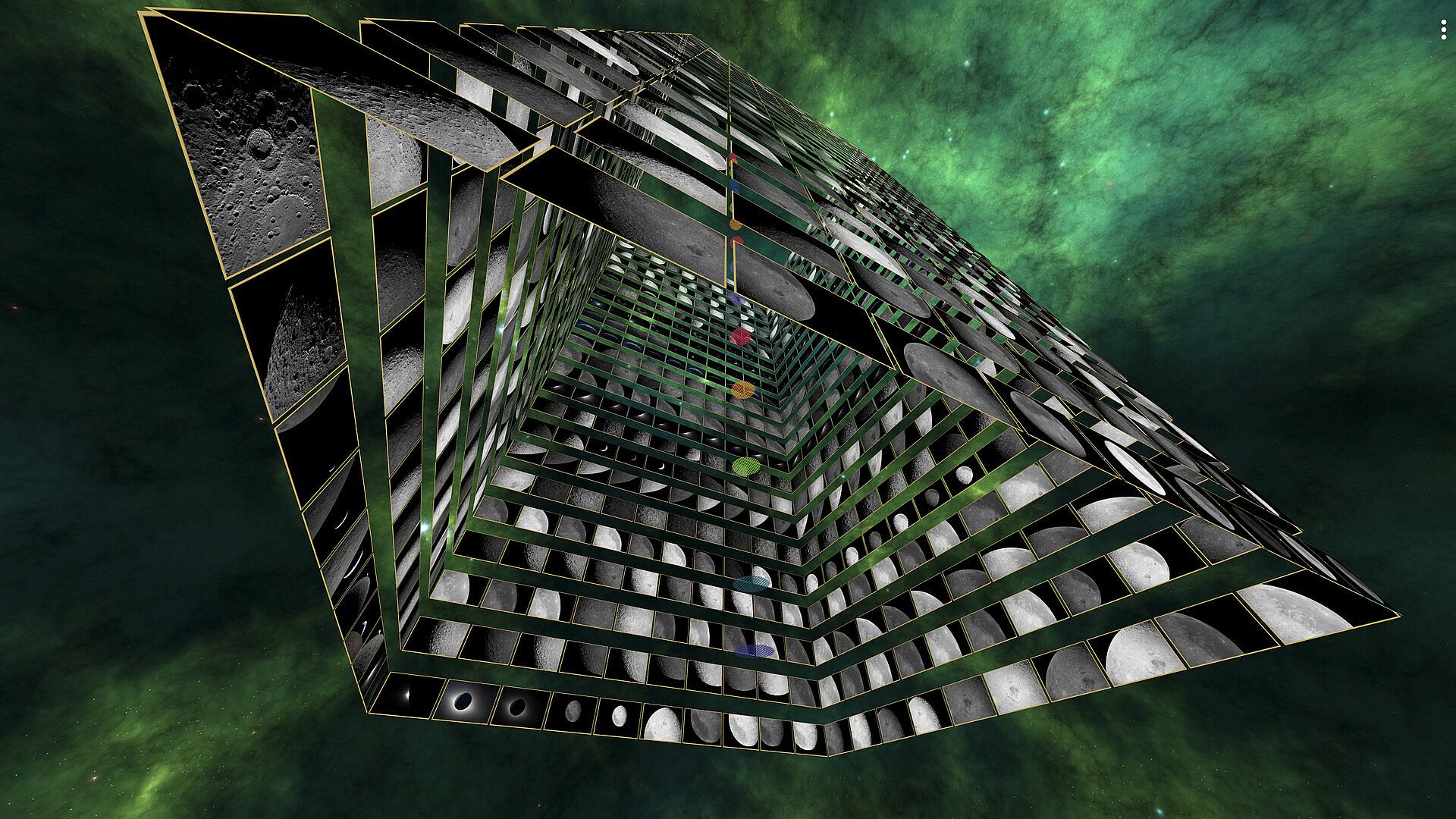
Multiple 3D views and layouts can be switched at any time, rearranging the same photographs into new spatial configurations for fresh perspectives on the mission imagery. These options keep repeated visits engaging by changing how the collection is organized in three dimensions.
Collection and Presentation
The included photographs span launch through lunar flyby and return, selected from thousands captured during the historic flight. Content ranges from wide Earth vistas to close lunar terrain details never visible from the planet's surface. Progressive loading ensures the viewer handles the volume of images without interruption, with higher-resolution files resolving quietly while movement continues.
Customization extends to visual and interface preferences, letting users tailor the presentation for comfort during longer sessions. The focus remains strictly on the provided mission photography, with no tools for importing personal images or modifying the existing set.
Is It Worth Playing?
This title suits players interested in space exploration history and high-quality photography presented through interactive 3D navigation rather than traditional galleries. The combination of manual control, automated options, and rearrangeable layouts provides variety for single sessions or repeated viewings. Those seeking a mission simulator or creative photo tools will find the scope intentionally limited to the curated Artemis II collection. The experience delivers a focused, low-pressure way to examine mission documentation at a level of detail and freedom not available in standard image viewers.