




Astrolander is an action adventure game built around precise descent and landing mechanics on PC. Players guide a descent module through increasingly difficult planetary approaches, balancing thrust, speed, and limited fuel while avoiding obstacles like mountains. The core loop centers on successful landings that unlock resources for ship improvements, allowing further exploration across procedurally generated planets.
Gameplay
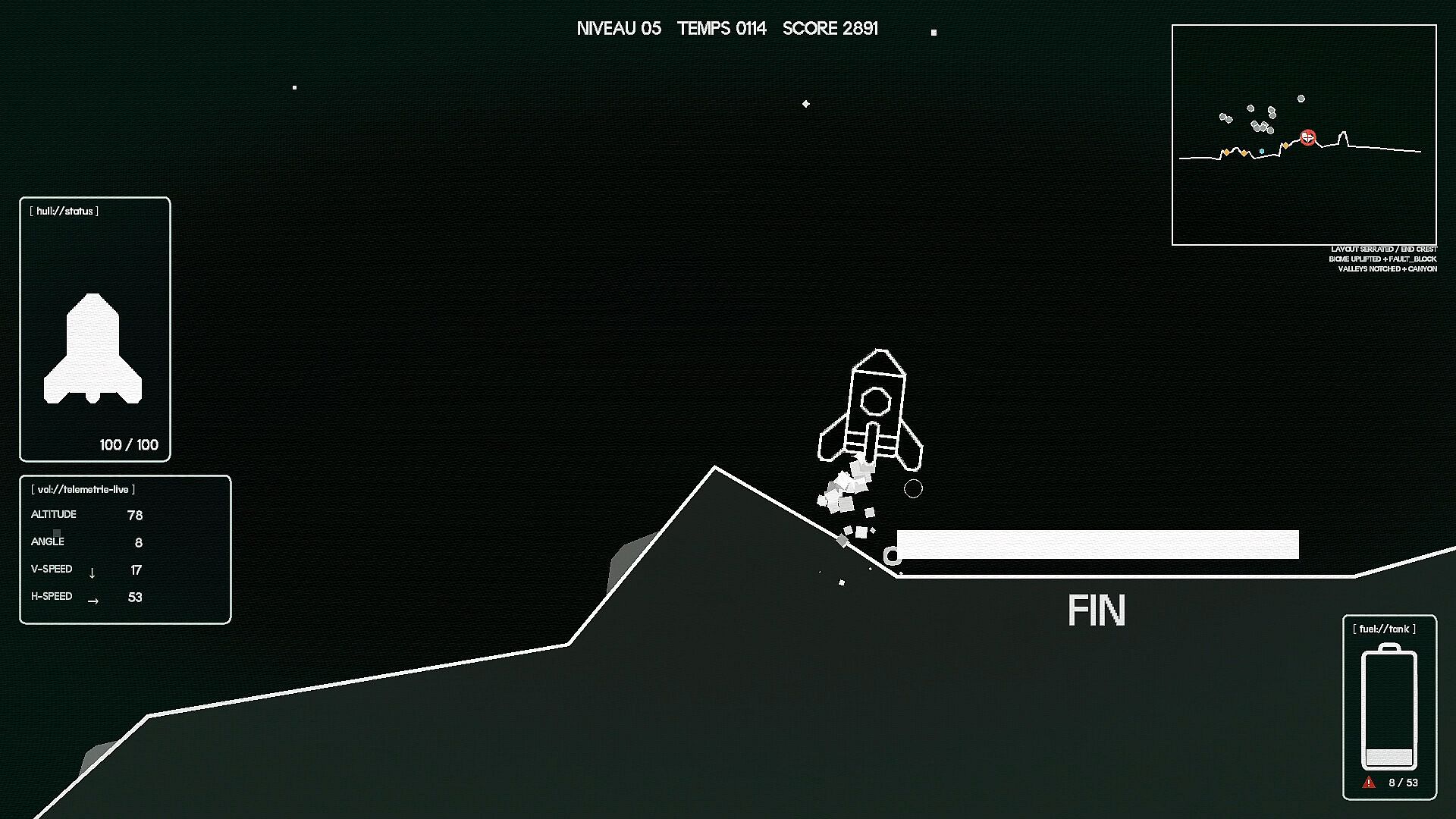
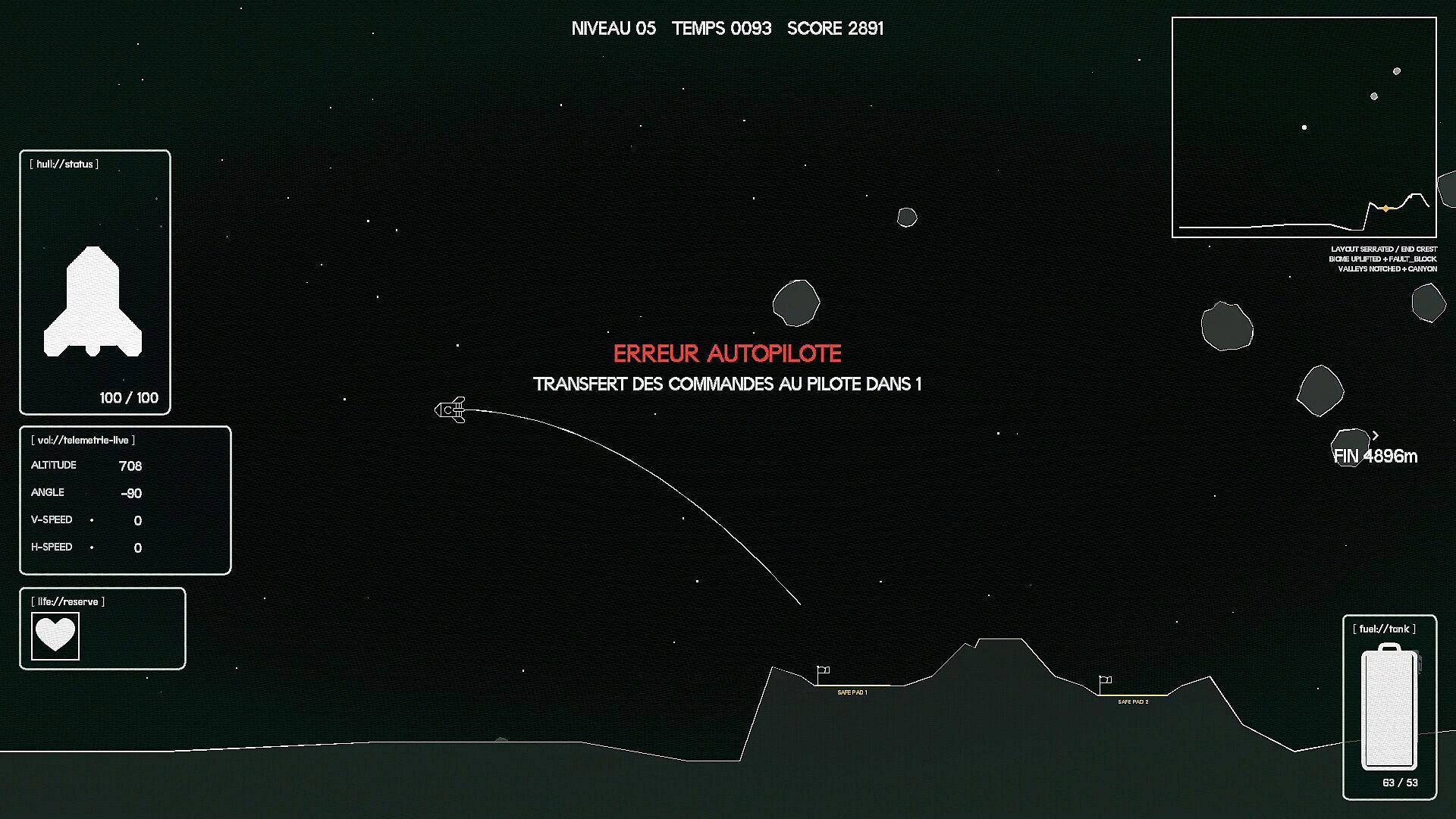
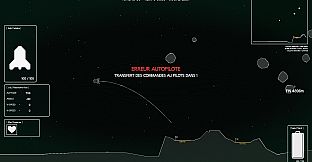
The experience begins with straightforward controls that quickly demand careful management. Players fire thrusters to control descent, monitor fuel levels, and adjust trajectory to hit landing platforms without crashing. Early stages introduce basic terrain challenges, but later expeditions feature smaller platforms and more erratic surfaces that test timing and precision.
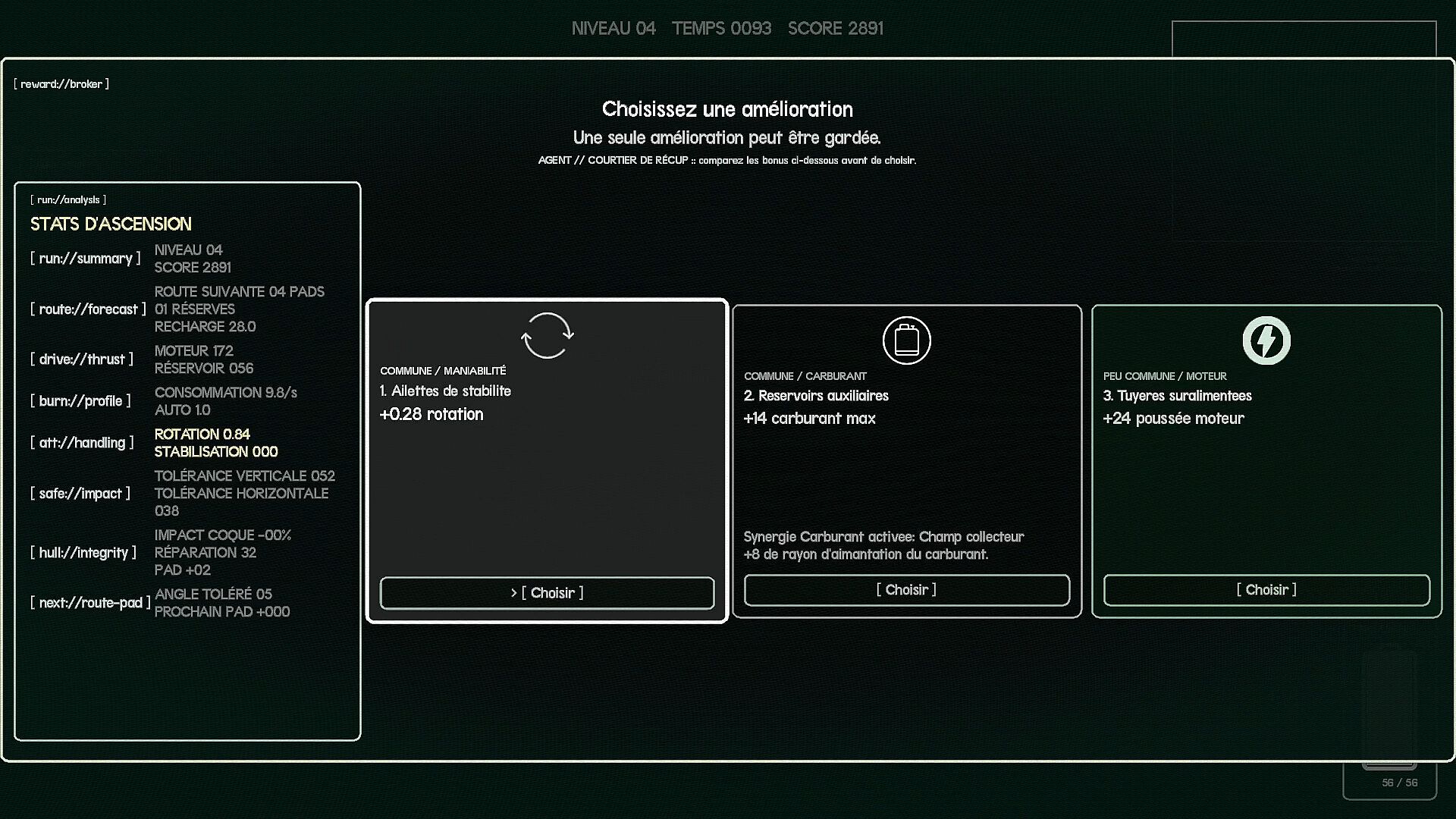
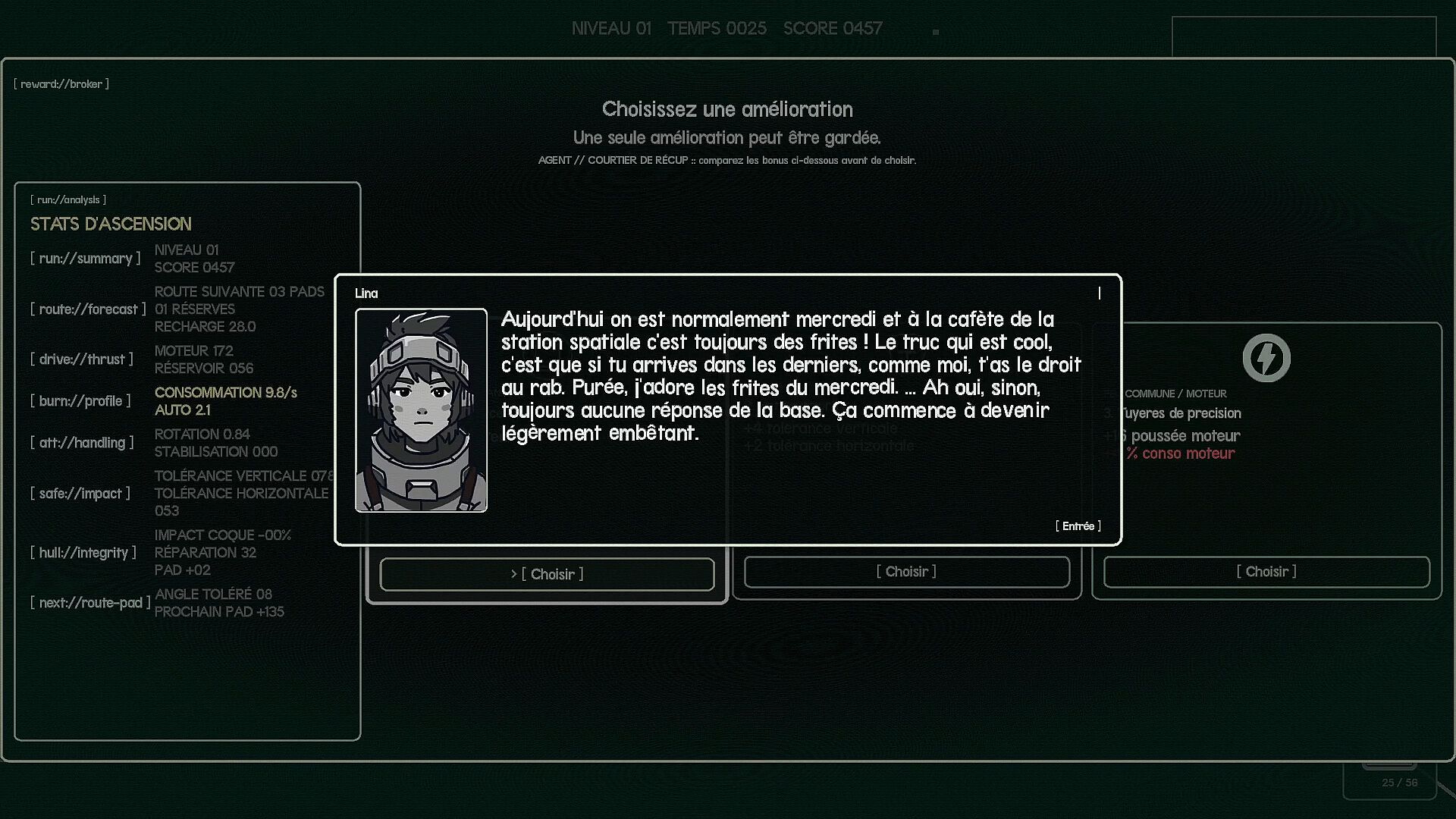
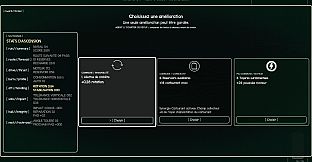
After each successful run, collected parts feed into upgrade choices. Options include increased thrust for better maneuverability, improved stability to handle rough landings, expanded fuel capacity for longer approaches, or reinforced landing gear that offers more forgiveness on impact. These modifications directly extend the distance players can travel and the complexity of new planets they can reach.
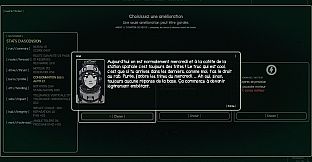
A co-pilot named Lina provides ongoing commentary during flights. Her remarks range from practical advice on approach angles to pointed observations about crashes or near-misses, adding personality without altering core controls. The single-player structure emphasizes repeated attempts at the same landing zones to refine technique before pushing onward.
Game Modes
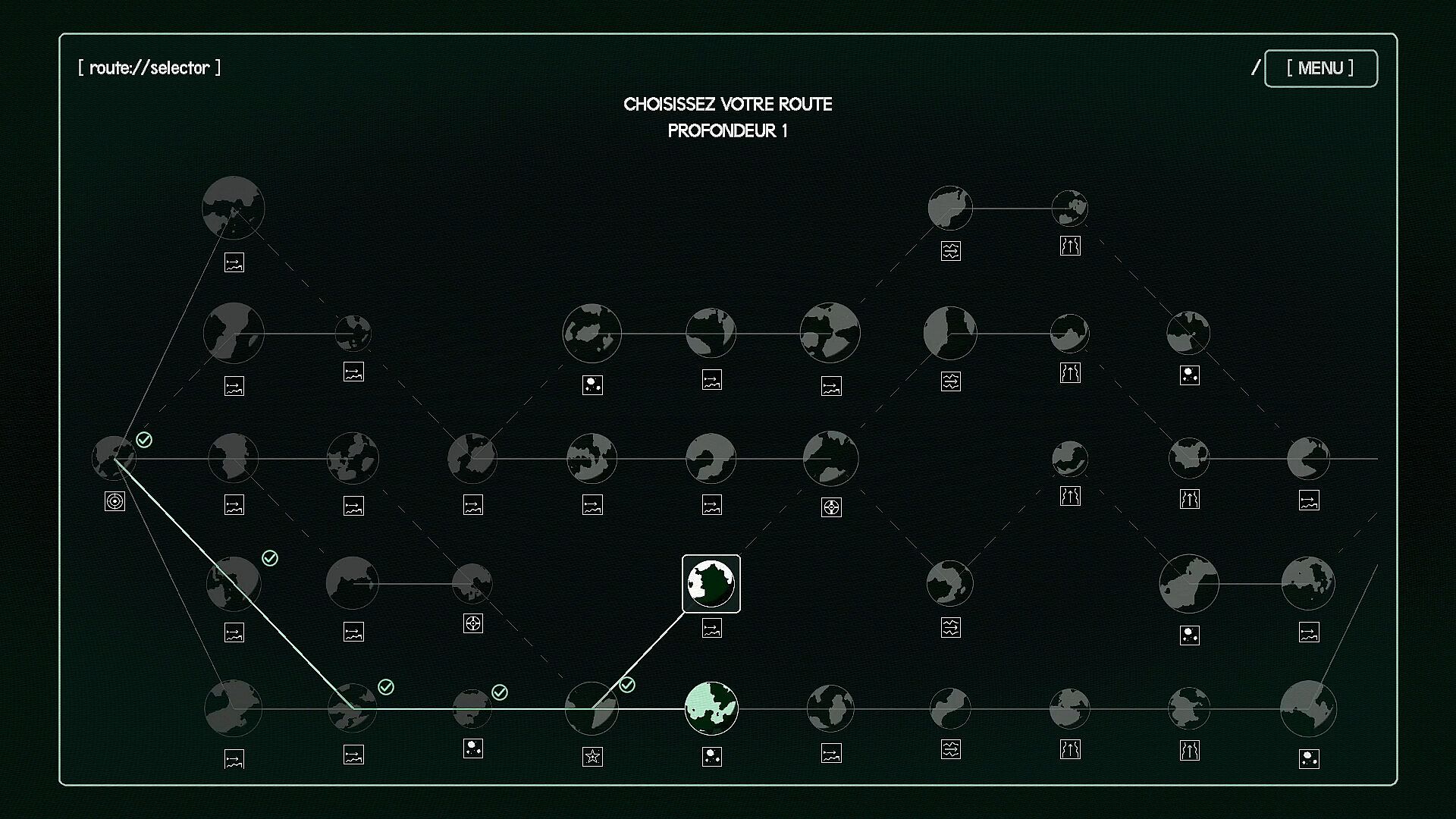
Astrolander operates as a single-player arcade experience with no separate multiplayer options. Progression occurs through sequential expeditions where each completed landing opens access to new, more distant planets. The focus remains on mastering the descent loop rather than branching paths or competitive elements.
Players advance by surviving successive landings and investing upgrades wisely. There are no timed challenges, score attacks, or alternative rulesets described; the emphasis stays on the core loop of fuel management, obstacle avoidance, and precise touchdown across expanding planetary variety.
Progression and Upgrades
Ship customization forms the main long-term incentive. Each expedition yields parts that players allocate across four primary upgrade categories. Thrust improvements help correct course mid-descent, stability upgrades reduce the risk of tipping on uneven ground, larger fuel tanks support extended flights, and better landing gear absorbs harder impacts. Strategic choices determine how far the module can travel before running out of resources.
Planets themselves generate as players progress, introducing fresh terrain layouts and tighter landing requirements. The system rewards consistent performance with incremental reach, turning early simple landings into demanding sequences that combine speed control with spatial awareness.
Is It Worth Playing?
Astrolander suits players who enjoy challenging arcade-style landing games that reward patience and repeated practice. The straightforward controls make the initial sessions accessible, while escalating difficulty and upgrade decisions create a satisfying sense of gradual mastery. Those who appreciate precise physics-based gameplay paired with light narrative flavor through Lina's commentary will find the loop engaging for short sessions or extended runs.
The game offers no free modes, trials, or ongoing seasonal content based on available details. Its strength lies in the focused single-player progression rather than broad appeal or multiplayer features. Players seeking a compact, skill-driven adventure centered on descent mechanics may find it a worthwhile addition to their library.












