


Algorithms è un titolo indie casual di simulazione per PC che offre un ambiente offline per esercitarsi con gli algoritmi in linguaggio C. Permette di risolvere problemi, analizzare l'esecuzione del codice a basso livello e mantenere le proprie competenze di programmazione senza bisogno di strumenti esterni né connessione internet.
Gameplay
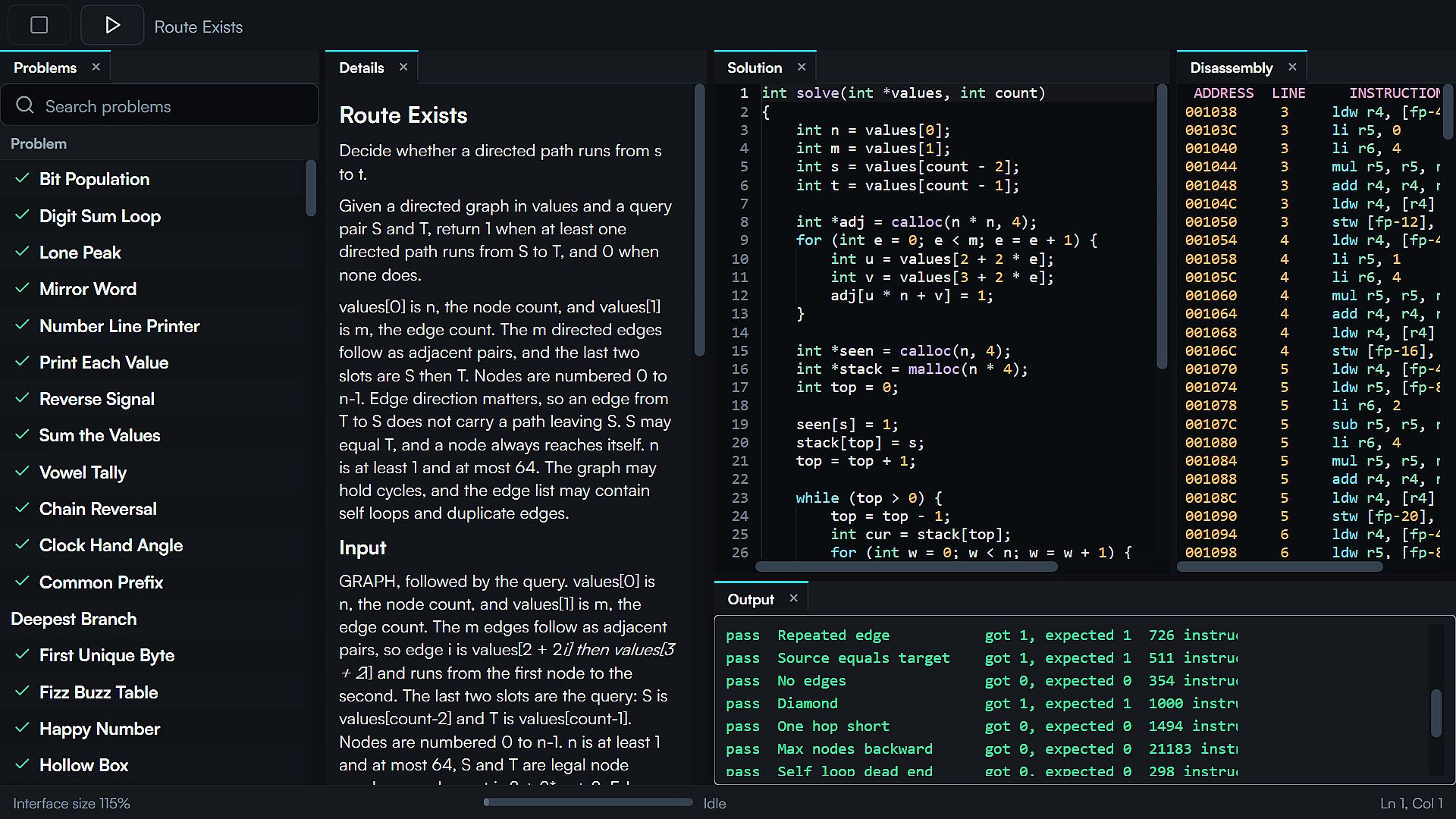
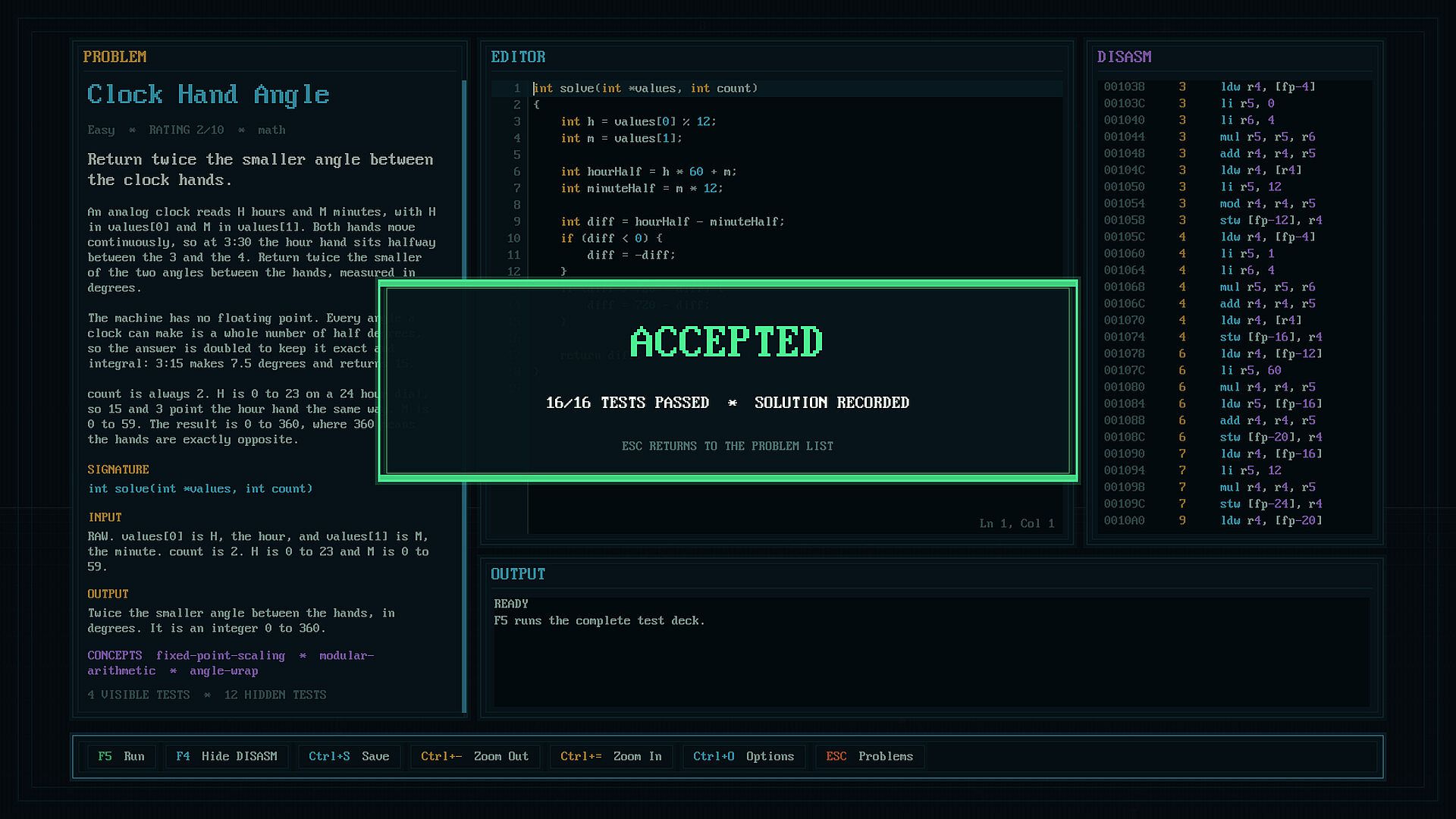
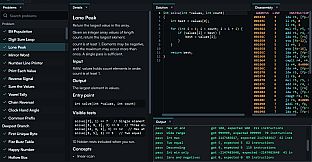
Il ciclo di gioco si basa sulla scelta di sfide algoritmiche da un catalogo ricercabile, ordinato per difficoltà, categoria e stato di completamento. Ogni problema presenta una descrizione, esempi di input e output e, se necessario, suggerimenti. Le soluzioni si scrivono direttamente in C tramite il compilatore integrato e vengono verificate su suite di test complete, inclusi casi nascosti.
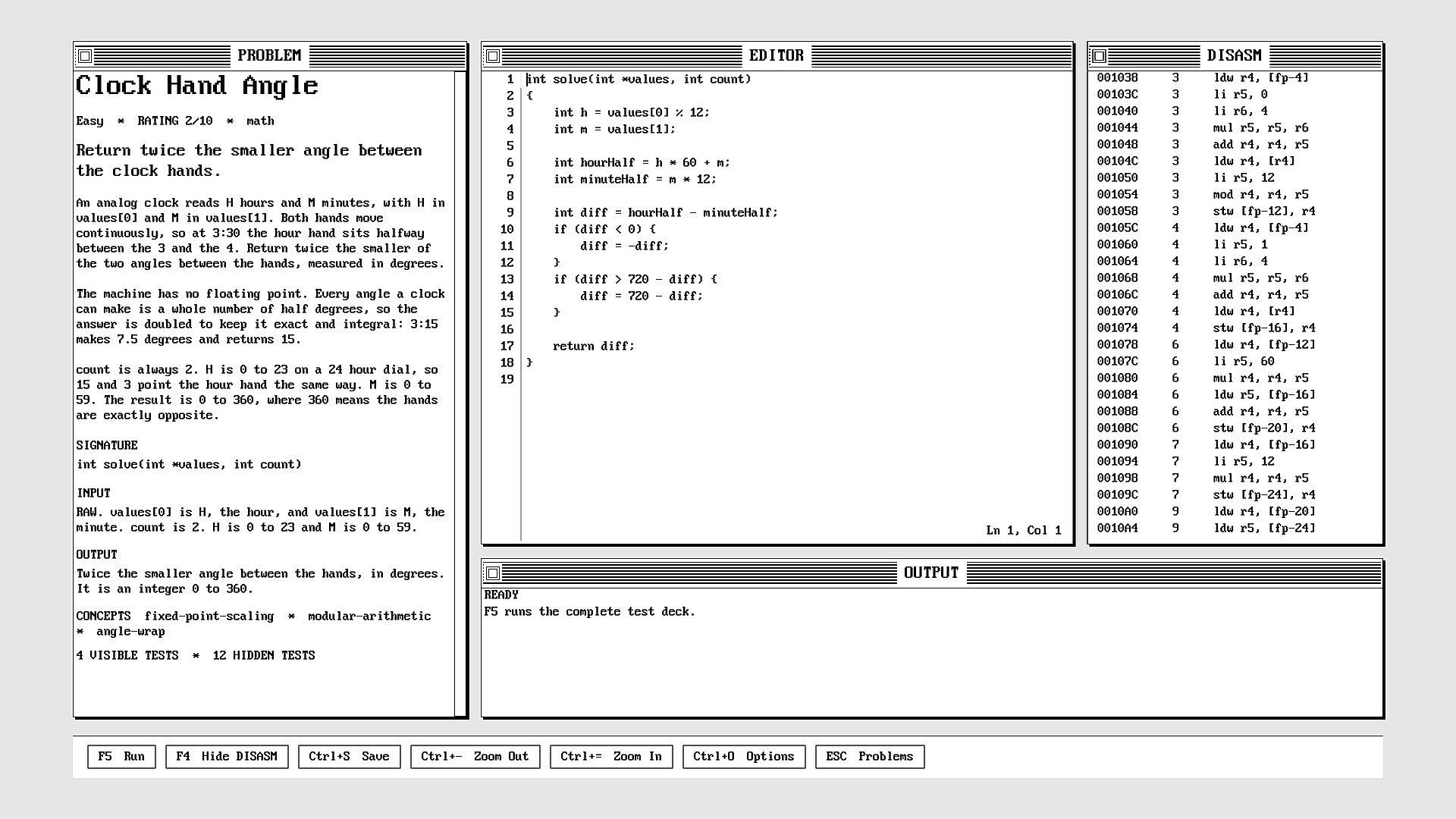
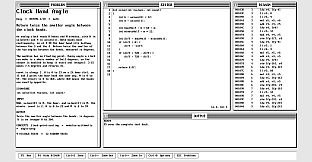
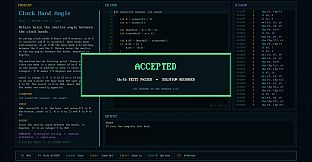
Una vista in tempo reale del disassembly mostra come il codice C si traduce in istruzioni macchina, favorendo l'analisi di efficienza e struttura. Per chi vuole approfondire, è possibile lavorare direttamente in assembly tramite blocchi asm. Le soluzioni vengono valutate in base ai test superati, al numero totale di istruzioni eseguite e alla dimensione finale del codice; i tentativi corretti vengono salvati per il confronto.
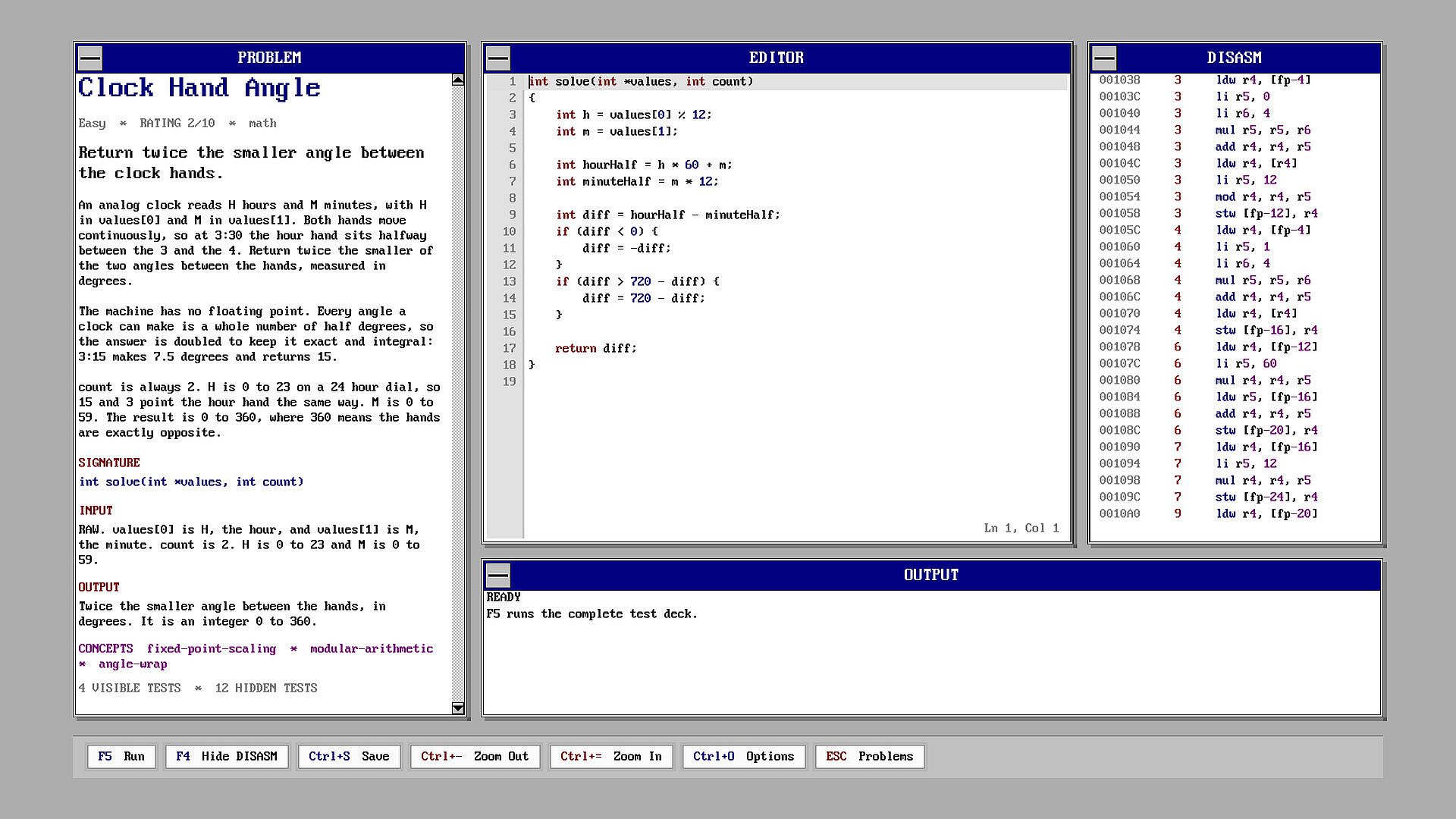
L'ambiente opera all'interno di una macchina virtuale sandbox che garantisce un comportamento costante, eliminando variabili come temporizzazione o casualità. In questo modo ogni soluzione produce sempre lo stesso conteggio di istruzioni, rendendo i record di performance affidabili per l'autovalutazione. Sono disponibili due interfacce: un editor moderno e raffinato o una simulazione retro che riproduce le interfacce grafiche degli anni Ottanta.
Modalità di gioco
La modalità Pratica propone sessioni strutturate di problem-solving basate su oltre 150 sfide distribuite in venti categorie. Il catalogo completo è sempre consultabile e filtrabile per concentrarsi su aree specifiche o rivedere i problemi già risolti.
Indipendentemente dai contenuti, il titolo offre due stili di presentazione diversi per l'area di lavoro: uno con un layout contemporaneo pulito, ottimizzato per leggibilità e concentrazione, l'altro che riproduce l'estetica dei vecchi computer per un'esperienza visiva e operativa differente.
Tutte le attività restano locali e prive di dipendenze esterne, consentendo un utilizzo continuo anche senza connessione. L'assenza di account o funzioni cloud mantiene l'esperienza interamente sul dispositivo dell'utente.
Funzionalità e meccaniche principali
I sistemi chiave mettono in risalto la comprensione della traduzione del codice e dell'ottimizzazione. Lo strumento di disassembly si aggiorna dinamicamente mentre il cursore si muove nell'editor, evidenziando le operazioni corrispondenti a livello macchina. L'esecuzione dei test copre tutti i casi, inclusi quelli non mostrati nella descrizione del problema, per verificare la robustezza della soluzione.
I tentativi riusciti vengono registrati con statistiche dettagliate consultabili in seguito. Il conteggio delle istruzioni resta invariato per lo stesso codice su istanze hardware diverse grazie alla progettazione della macchina virtuale, garantendo un'autovalutazione coerente nel tempo.
È richiesta una conoscenza di base della sintassi C, poiché l'applicazione non supporta C++ né altri linguaggi. Questa specializzazione mantiene lo strumento focalizzato sull'allenamento algoritmico e sulla preparazione ai colloqui in un unico pacchetto autosufficiente.
Vale la pena giocarci?
Algorithms è indicato per programmatori che cercano uno strumento offline dedicato alla risoluzione di problemi algoritmici in C. La combinazione di compilatore integrato, visualizzazione del disassembly e test completi lo rende pratico per esercitarsi in vista di colloqui o per mantenere le proprie abilità senza distrazioni da servizi online o abbonamenti.
Il titolo attira soprattutto chi è a proprio agio con il C e apprezza metriche di performance costanti e la possibilità di lavorare con interfacce moderne o in stile retrò. Poiché tutto gira localmente su un sistema sandbox, offre un accesso affidabile in qualsiasi contesto.
Chi cerca una simulazione educativa incentrata sull'analisi del codice a basso livello e sulla risoluzione di problemi troverà che le meccaniche verificate corrispondono esattamente a questi obiettivi. L'assenza di multiplayer o livelli di contenuto aggiuntivi mantiene l'esperienza mirata e funzionale per il pubblico a cui è destinata.