


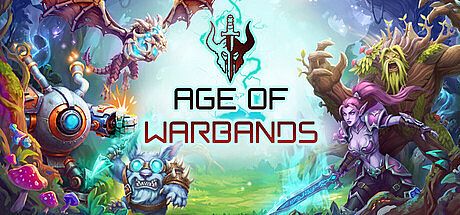


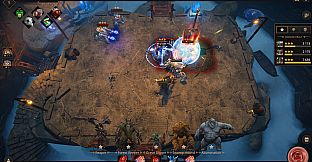
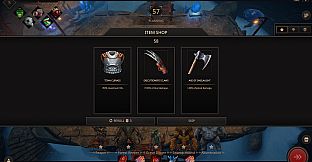
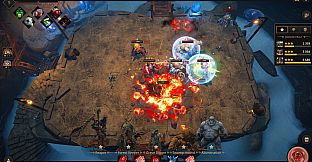
Age of Warbands is an indie action strategy game for PC that places players in command of customizable warbands in a world where a fallen empire has left behind ruins filled with ancient magic and lost technology. Heroes drawn from races such as demons, vampires, werewolves, golems, and robots form the core of each warband, and success depends on careful recruitment, team synergy, and real-time tactical adjustments during automatically resolved battles.
Gameplay
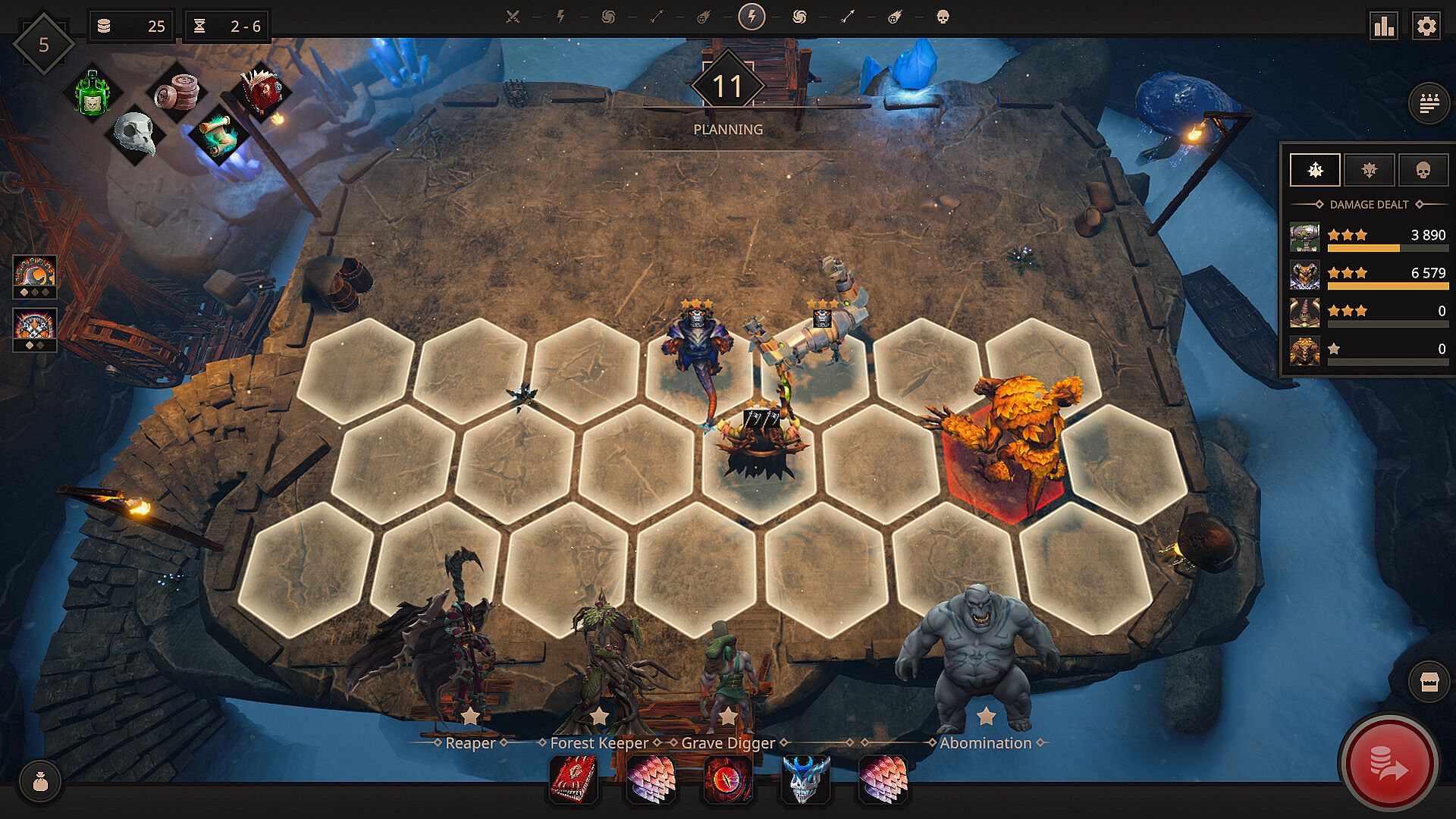
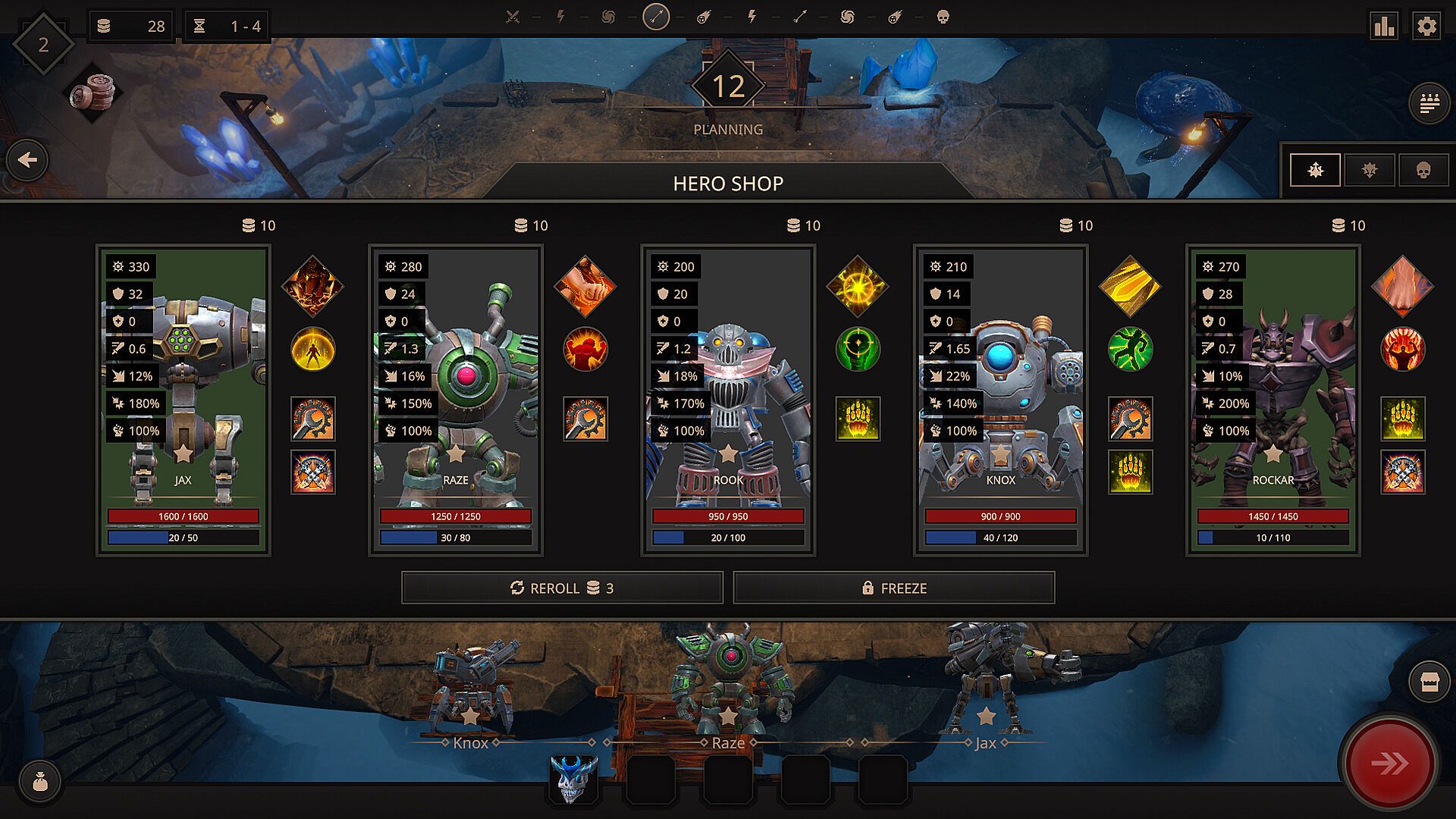
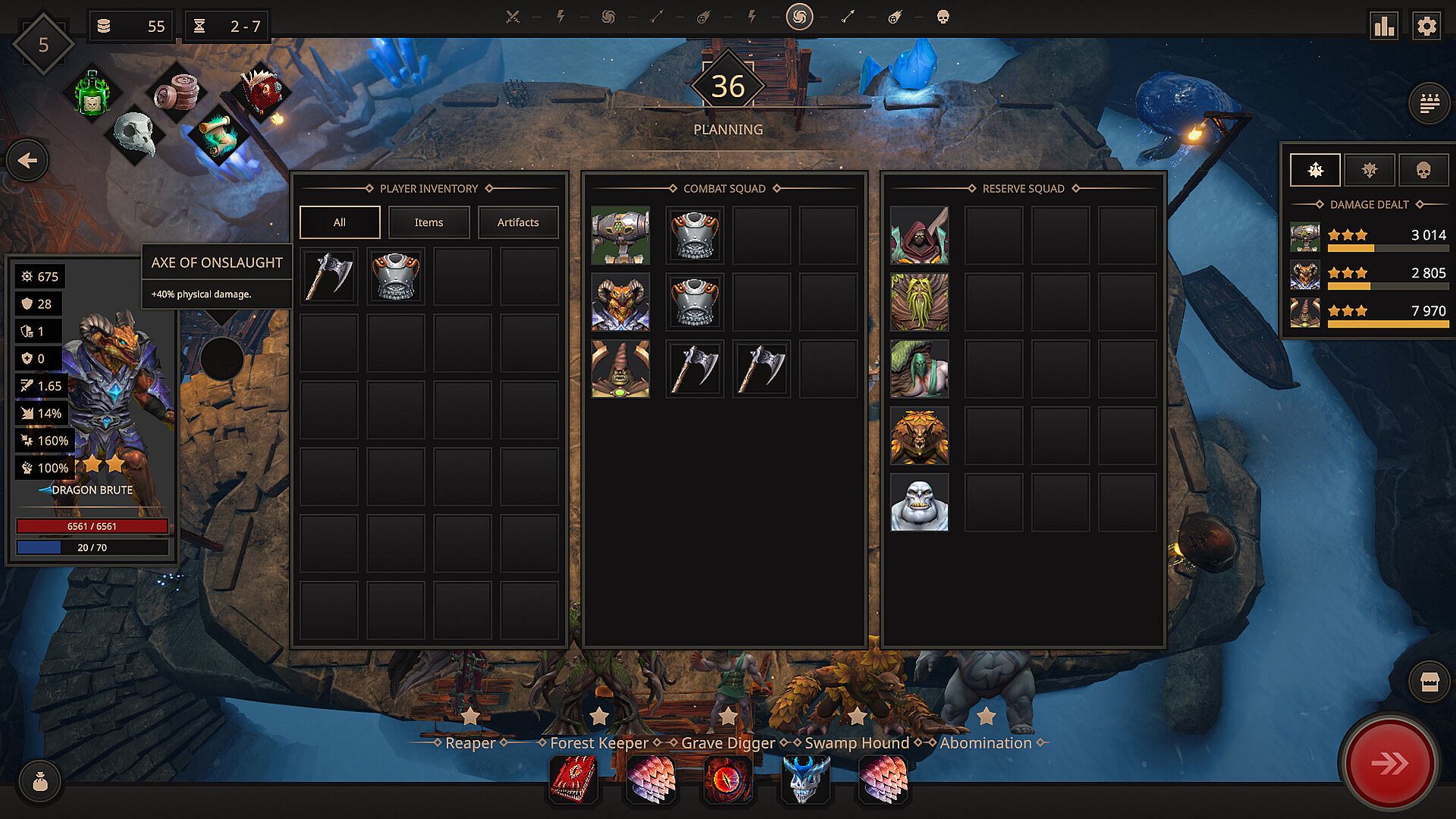
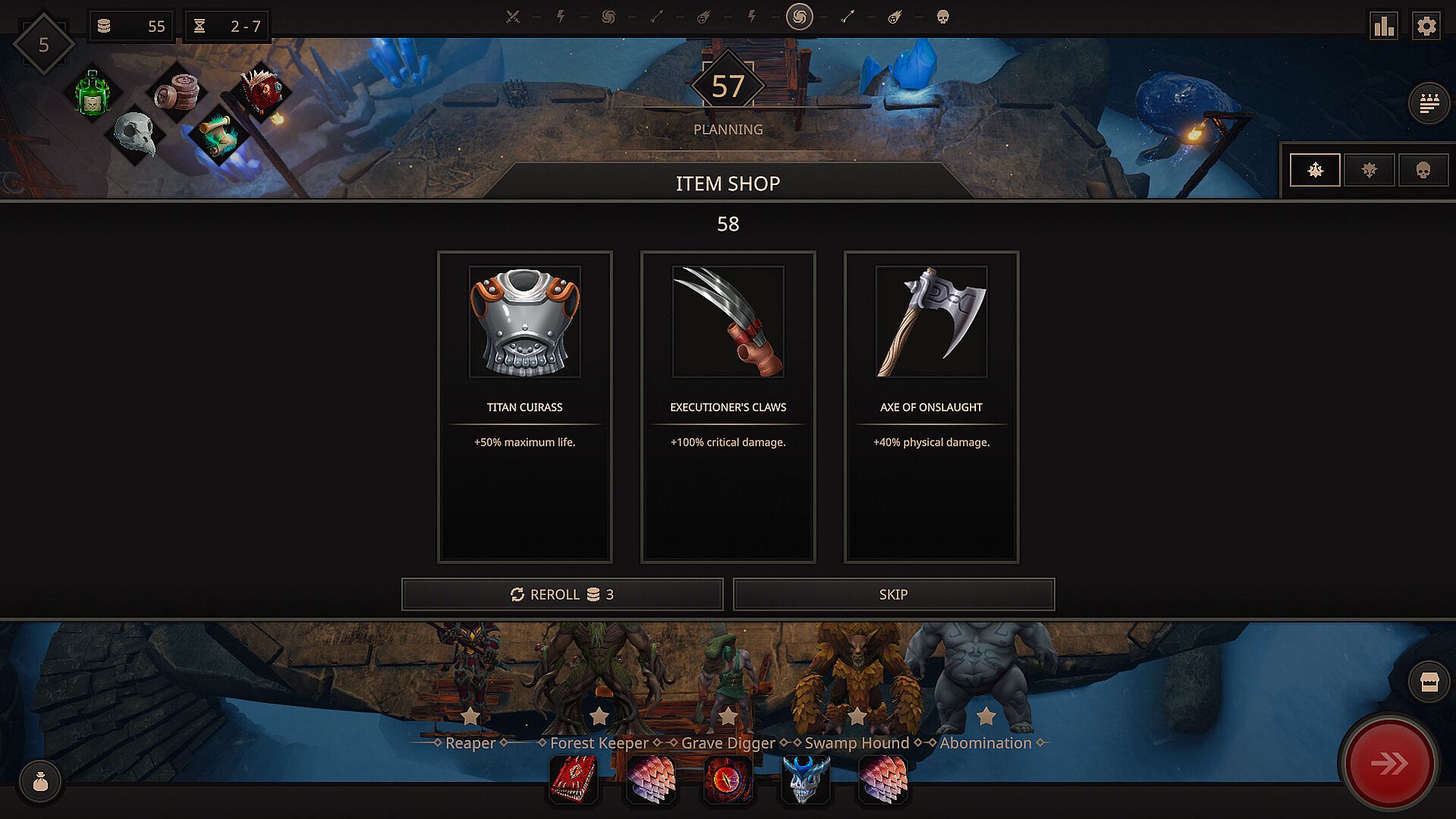
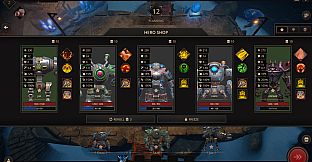
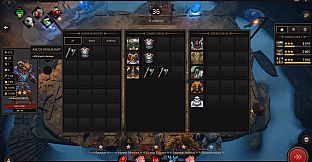
Players recruit heroes who fill distinct combat roles and then arrange them into a lineup before each encounter. Front-line tanks absorb damage while damage dealers and support units contribute from safer positions. Identical heroes can be merged to raise their star level, permanently boosting key stats and unlocking stronger abilities for the most important members of the group. Equipment, relics, and artifacts drop during runs and provide new synergies that reward experimentation rather than rigid pre-planned builds.
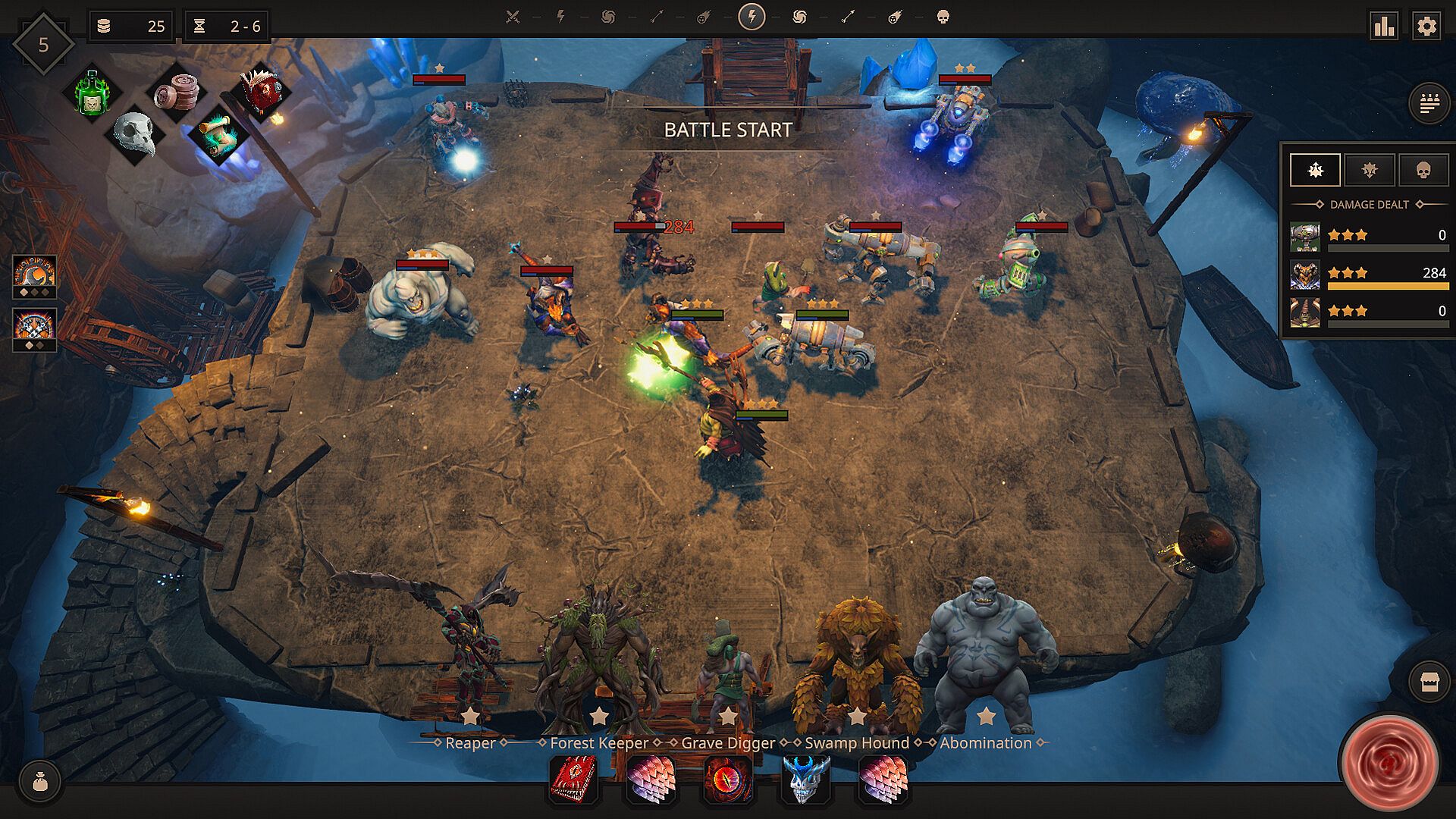
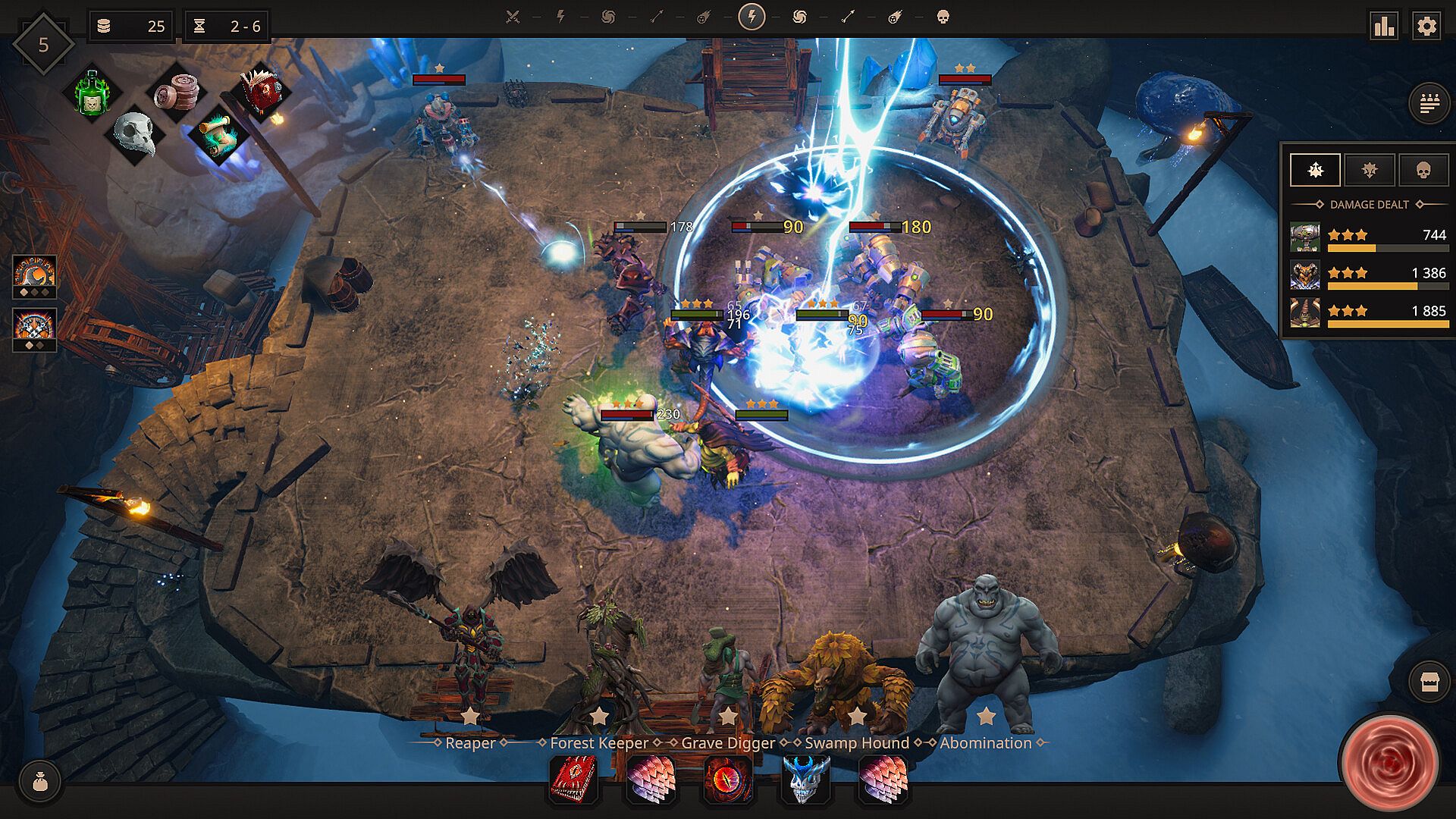
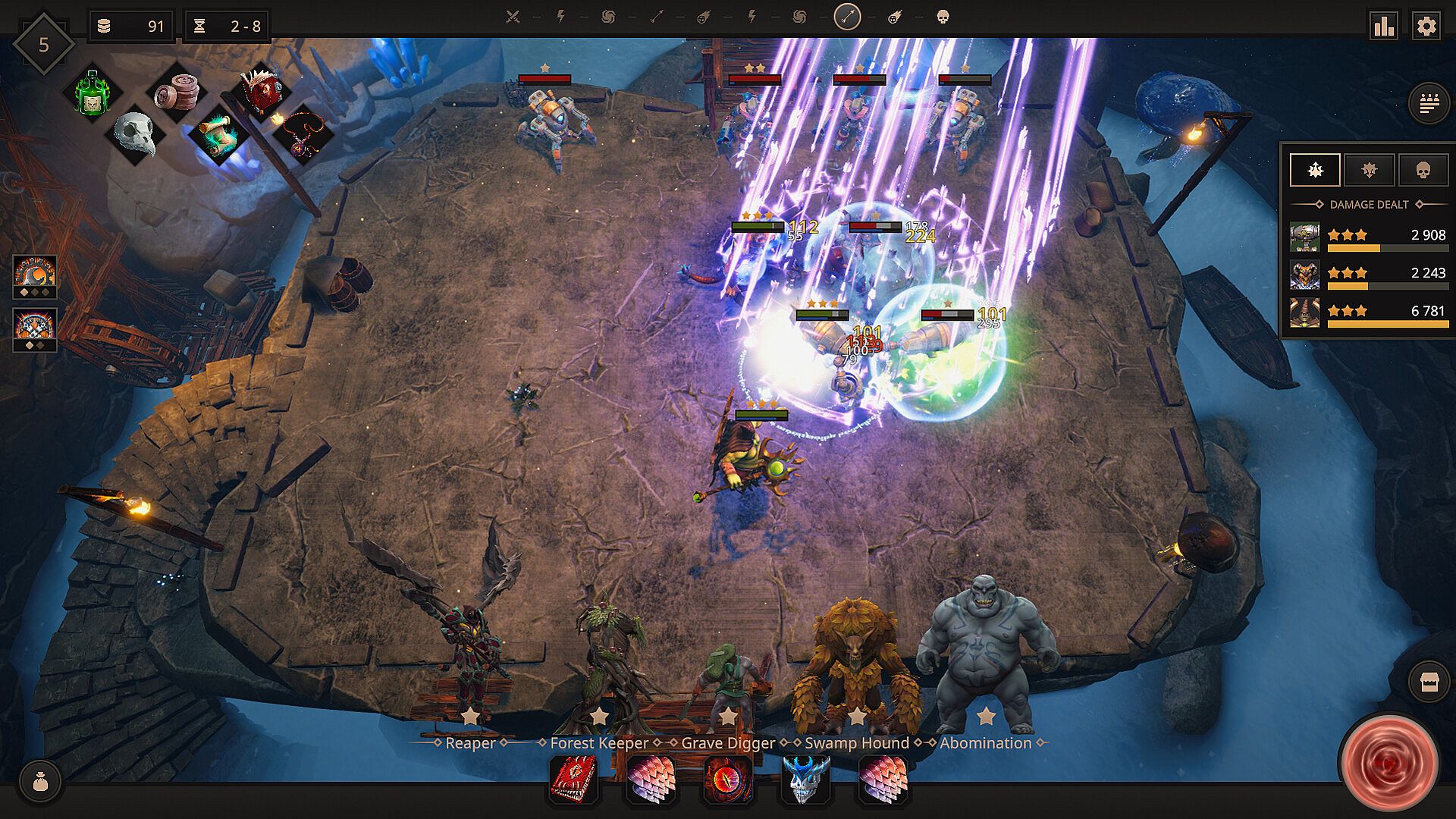
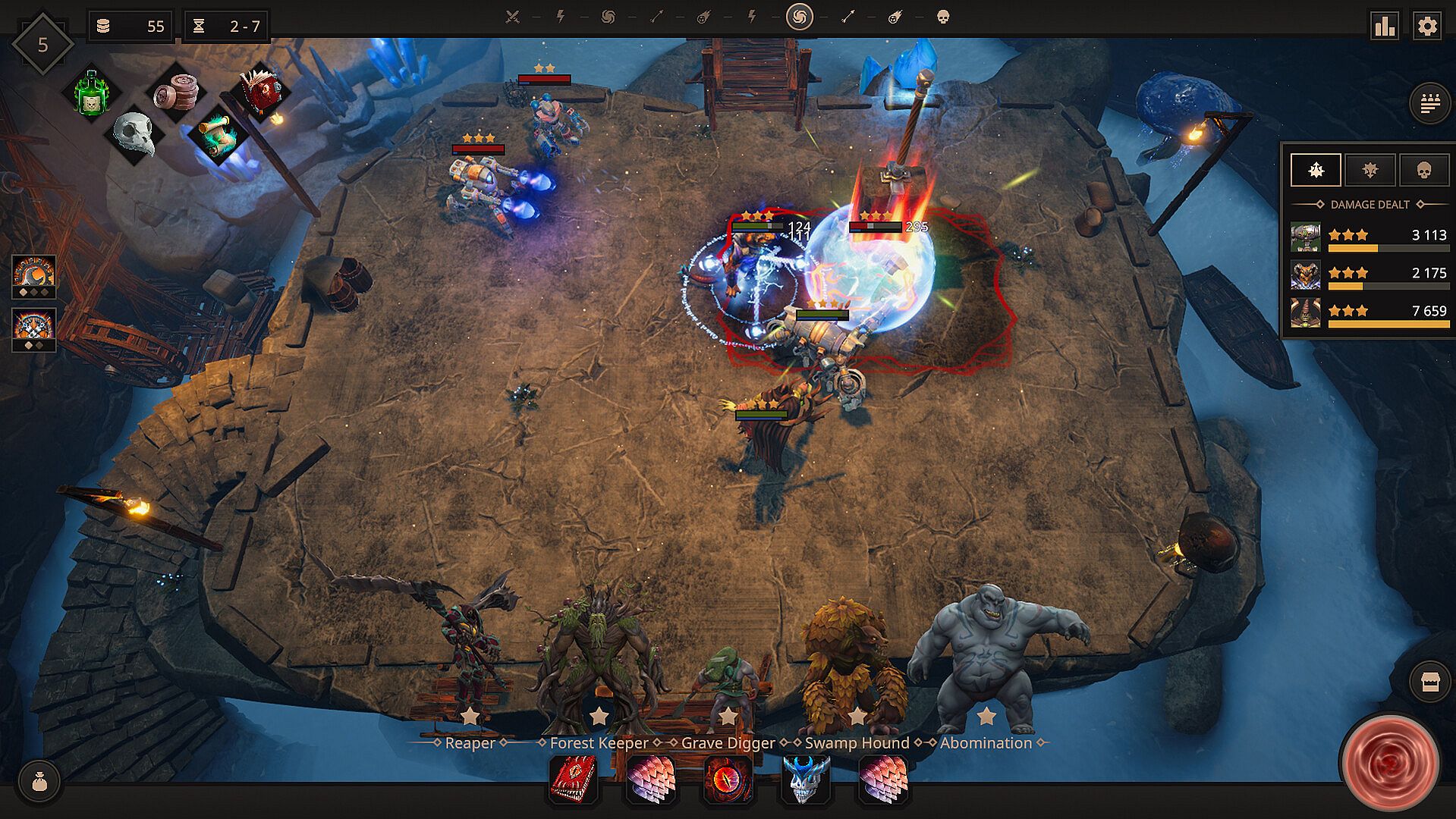
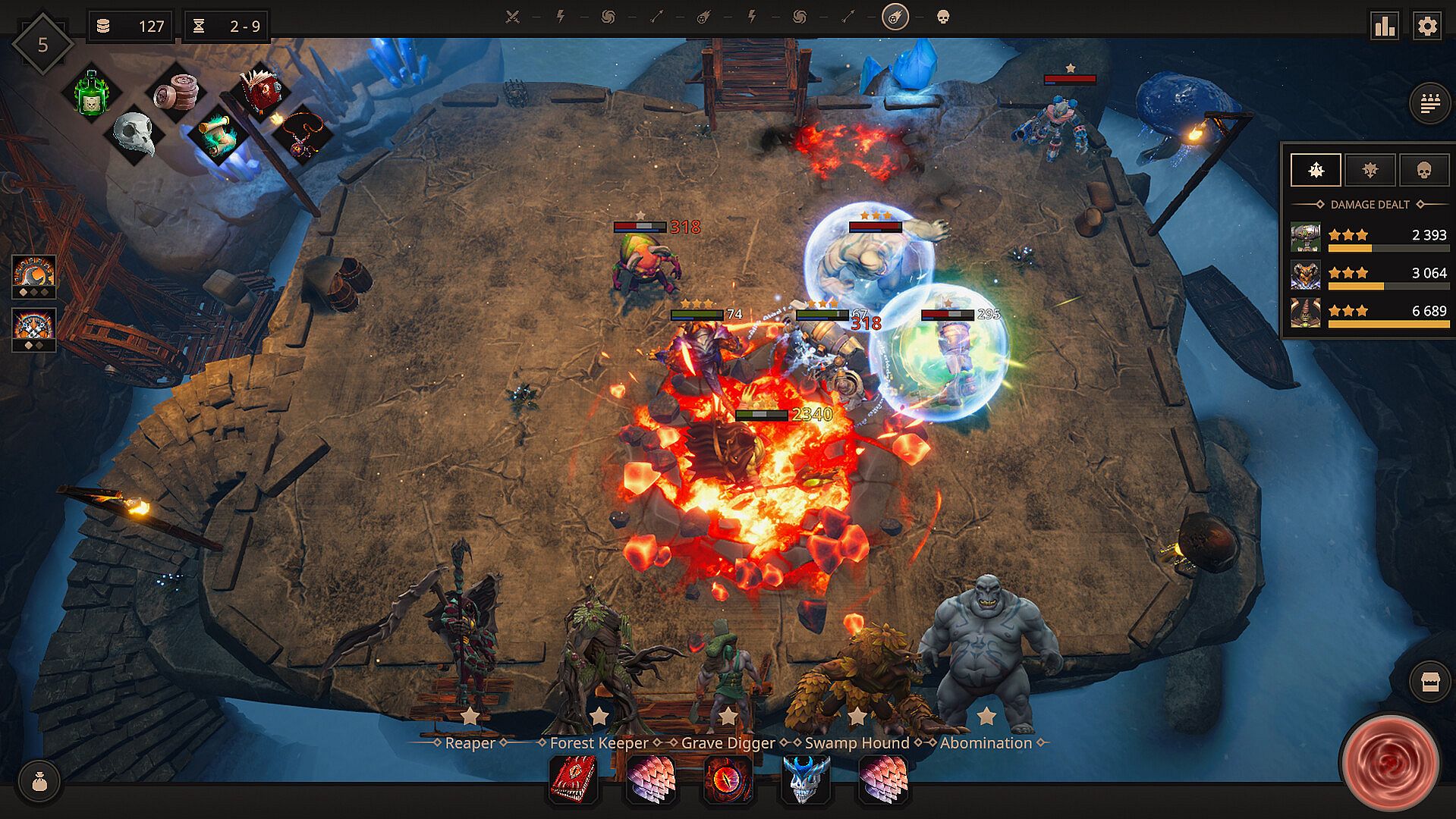
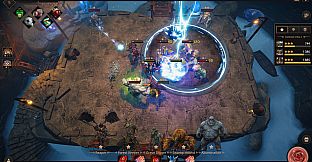
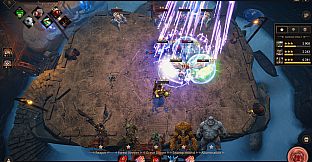
Combat itself runs automatically once the lineup is set. Heroes move, select targets, and activate abilities on their own according to the positioning chosen beforehand. This design shifts the focus to preparation and adaptation. Between fights, players manage gold to recruit additional heroes, purchase upgrades, or save resources for later opportunities. Unexpected combinations often prove more effective than initial strategies, forcing constant reevaluation as enemy strength and event conditions change.
Artifacts serve as the main source of player agency during battles. A well-timed activation can heal an ally, weaken a priority target, or briefly disable a dangerous threat. These interventions become increasingly important as stages grow more difficult and mistakes carry heavier consequences. The loop of recruiting, equipping, positioning, and intervening creates a rhythm that rewards both long-term planning and quick reactions to shifting battlefield conditions.
Game Modes
The primary experience centers on run-based progression through successive stages of increasing difficulty. Each attempt begins with a fresh roster and new discoveries, ending only when the warband is defeated. Events scattered throughout a run alter standard battle rules and push players to adjust their approach on the fly. Key stages feature especially powerful opponents that test whether the current build can survive the escalating pressure.
Resource decisions made between battles directly influence how the run develops. Players may hunt for a specific hero to complete a powerful combination, invest in immediate power spikes, or preserve gold for future flexibility. Because every run resets on failure, the structure encourages repeated attempts with different lineups and upgrade paths. The absence of persistent progression outside individual runs keeps the emphasis on moment-to-moment adaptation and creative problem solving within each attempt.
Hero Synergies and Adaptation
Team composition extends beyond raw power levels. The way heroes interact through positioning and ability combinations determines overall effectiveness. A strong front line might enable aggressive damage dealers to survive longer, while certain relics amplify particular roles or create new tactical options when paired with the right artifacts. Because combat resolves automatically, the quality of these pre-battle choices determines the outcome more than moment-to-moment control.
Adaptation remains essential throughout a run. What succeeded in early stages may falter against later enemies or event-modified conditions. Players must decide whether to double down on an emerging strength or pivot toward a different strategy when the offered rewards and enemy compositions change. This constant need to reassess keeps each run distinct even when similar heroes appear across multiple attempts.
Is It Worth Playing?
Age of Warbands suits players who enjoy strategic depth in a single-player format with automatic combat and roguelike run structure. The emphasis on hero merging, artifact timing, and adaptive team building provides meaningful decision points without requiring direct unit control during fights. Those who appreciate experimenting with synergies and recovering from unexpected setbacks will find the core loop engaging. The indie scope means the experience stays focused on these systems rather than expanding into unrelated features. If the described mechanics align with your preferences for thoughtful preparation and flexible strategy, the game offers a distinctive take on warband management worth exploring on PC.












