


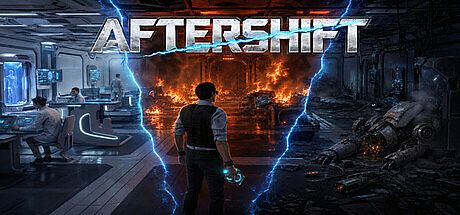


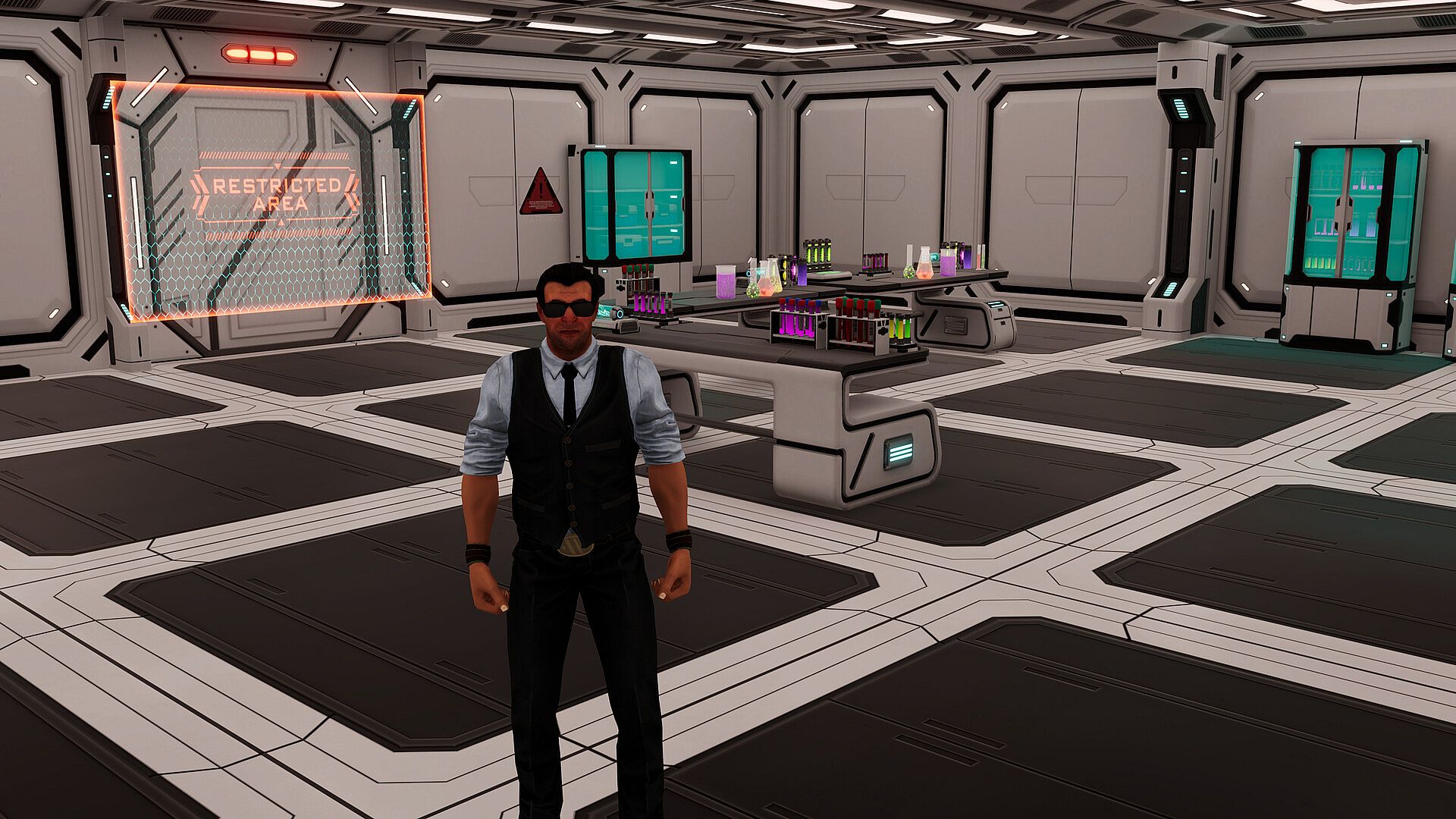
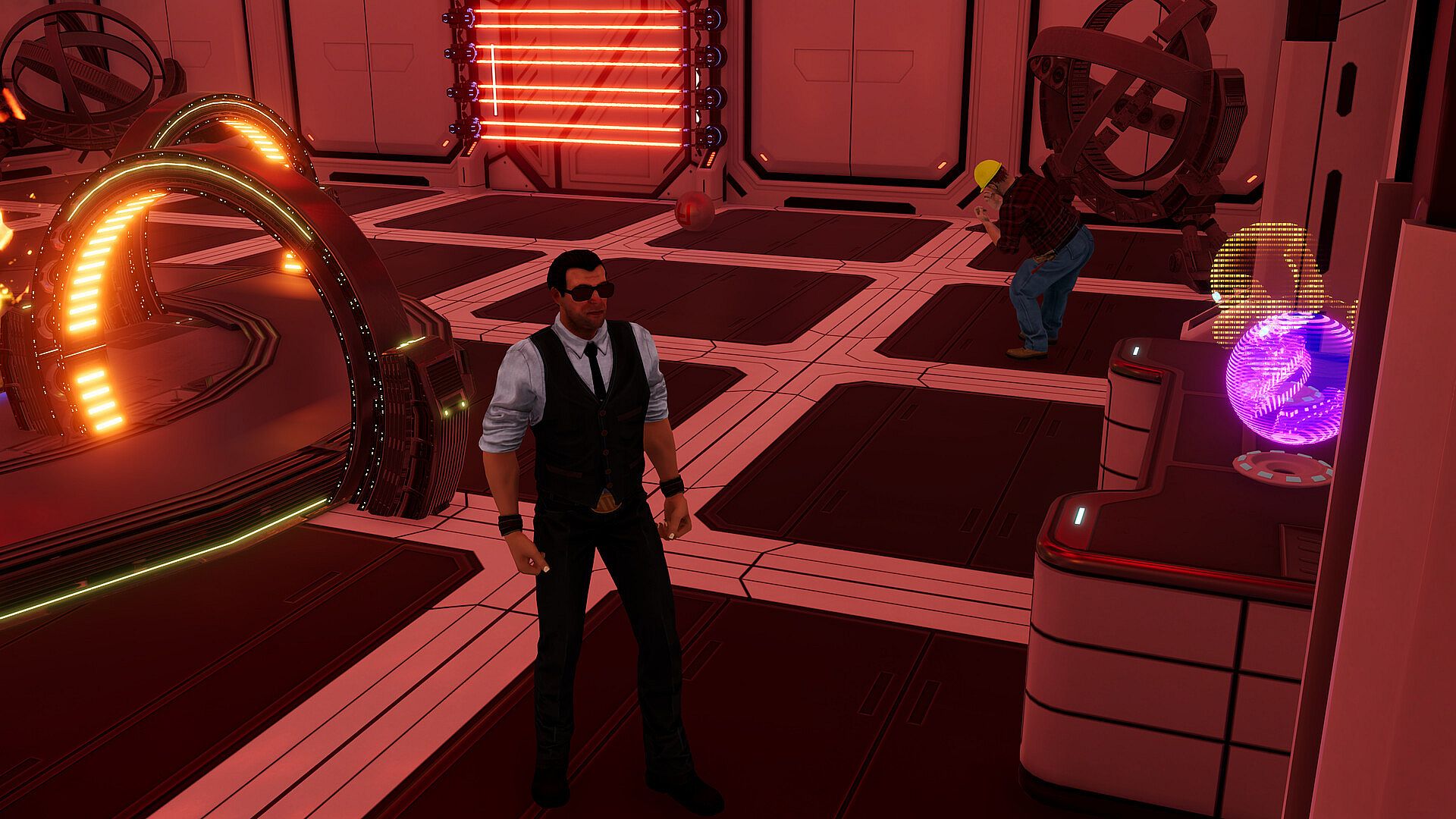
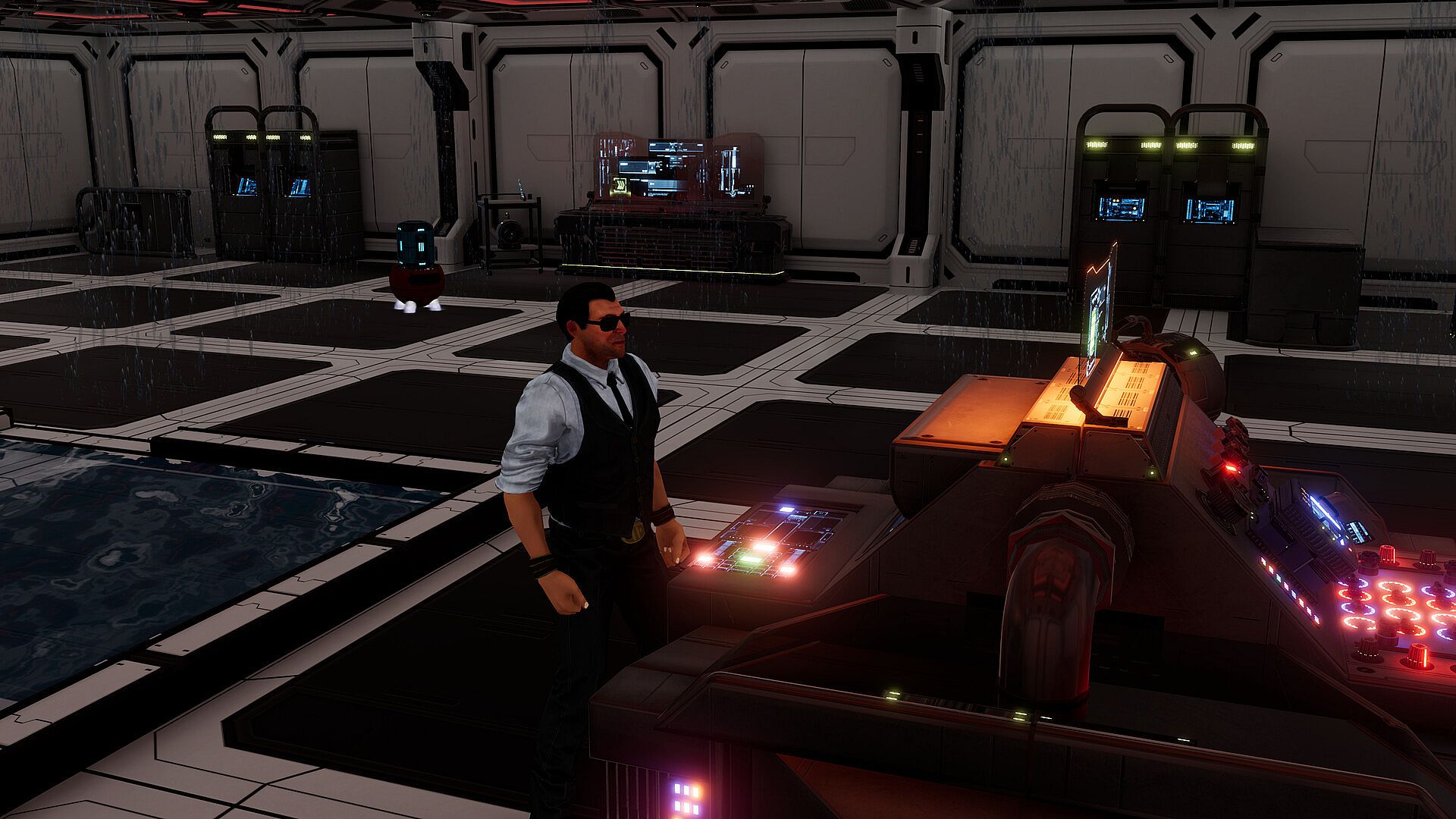
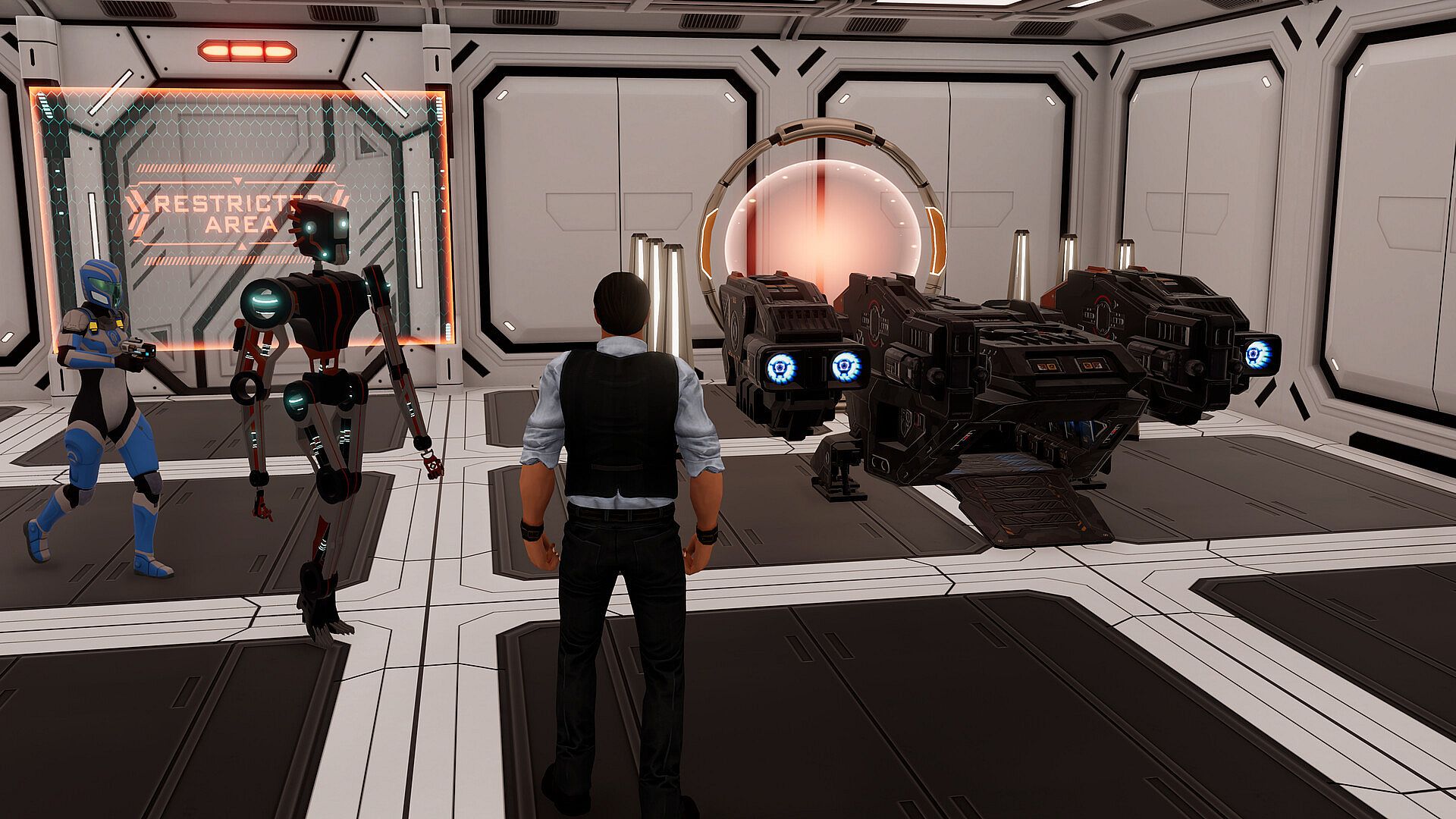
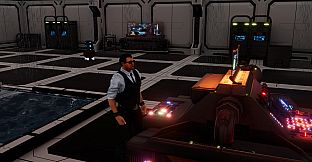
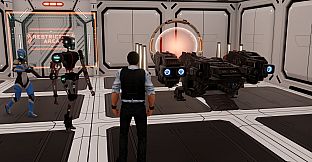
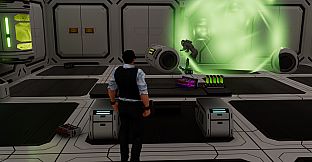
AfterShift is a single-player 3D puzzle adventure game set in the ruins of a secretive facility following a major disaster. Players take on the role of someone who can move between three distinct points in the same day to alter events and influence outcomes for trapped coworkers.
Gameplay
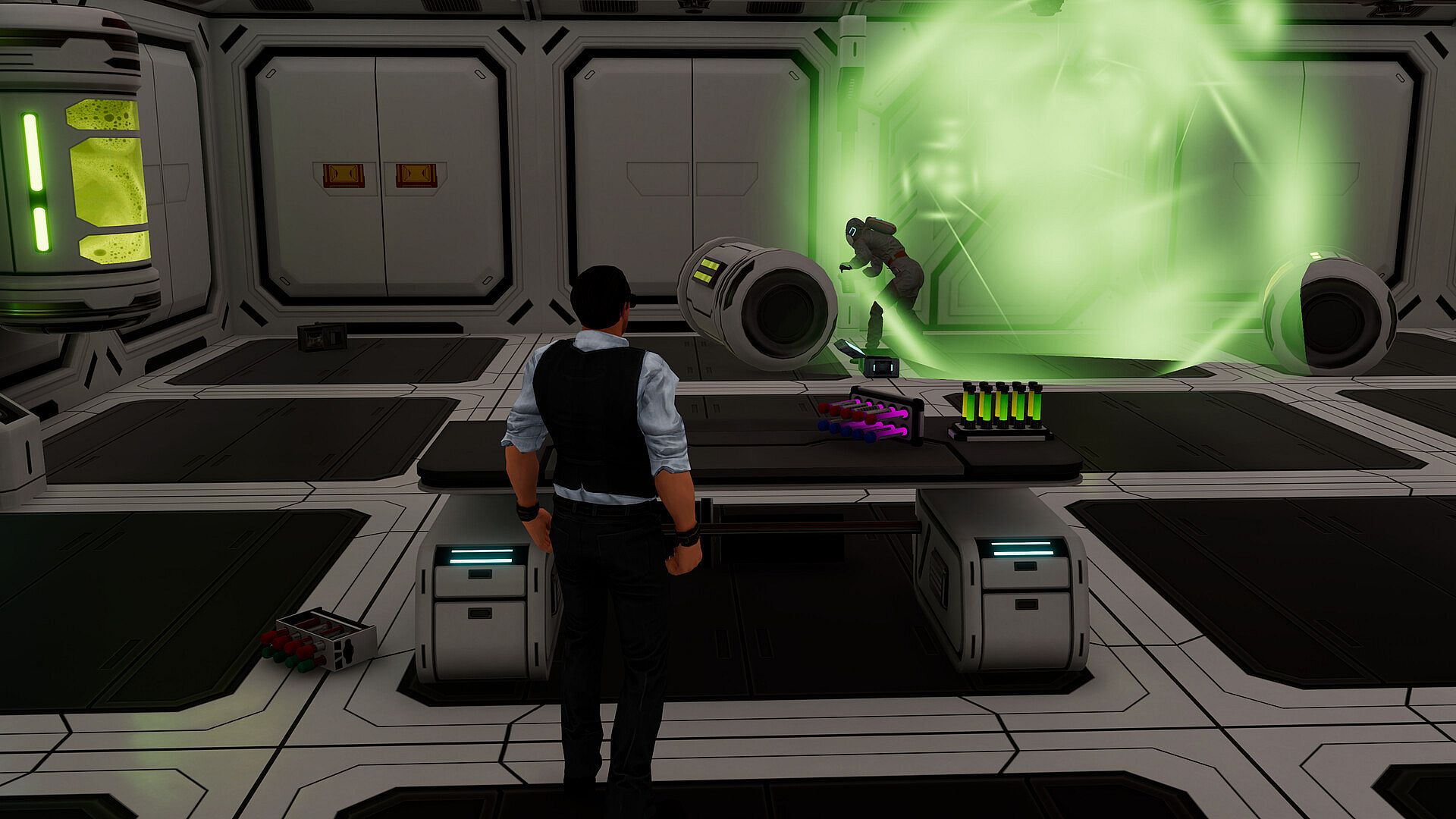
The core loop centers on shifting between the Before, During, and After phases of the accident. Actions taken in one timeline create ripple effects that change the state of the facility in others. A blocked corridor in the present might become passable after an earlier intervention, or a hazard could be neutralized by repositioning an object hours earlier. Exploration involves navigating damaged corridors filled with strange machinery while piecing together clues about the incident's cause. Each shift requires careful planning because every change carries consequences for survival chances and the overall story path.
Players interact with desperate coworkers by opening routes, disabling dangers, or providing tools that only become available through prior timeline adjustments. The puzzle design emphasizes cause-and-effect reasoning rather than trial-and-error alone. Strange machinery and environmental details reward close inspection, as small alterations can unlock new areas or reveal hidden information about the facility. The darkly comic tone surfaces through absurd situations that still produce serious results, keeping the focus on thoughtful decision-making amid the chaos.
Game Modes
AfterShift operates entirely as a single-player experience with no multiplayer components. The gameplay revolves around a continuous campaign structure where progress builds across repeated shifts through the same facility. There are no separate competitive or cooperative modes, allowing the entire focus to remain on the time-editing mechanics and narrative consequences within one cohesive playthrough.
Story and Setting
The narrative unfolds through environmental storytelling and interactions within the burning facility. Secrets about the accident emerge gradually as players connect events across the three timelines. Coworkers appear in varying states of distress depending on prior choices, and uncovering the full picture requires revisiting altered locations to observe how interventions played out. The setting blends industrial ruins with unusual machinery, creating a contained world where every room holds potential for both puzzle solutions and revelations about what went wrong.
Is It Worth Playing?
AfterShift targets players who enjoy deliberate puzzle-solving built around time manipulation and branching consequences. Its single-player focus and emphasis on hard choices make it suitable for those who appreciate games where planning and observation drive progress rather than reflexes or combat. With a planned release in March 2027 and a demo available for testing the core shifting system, interested players can evaluate the mechanics firsthand before the full launch. The indie adventure style suits anyone drawn to cause-and-effect puzzles in a compact, story-driven environment without additional modes or ongoing seasonal content. Those who value thoughtful rescue scenarios and uncovering layered facility secrets will find the approach aligns closely with the described experience.












