


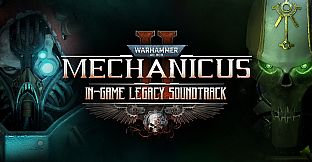
Warhammer 40,000: Mechanicus II è uno strategico a turni con elementi di progressione RPG ambientato nell'universo cupo e oscuro del quarantunesimo millennio. Il giocatore guida le forze dell'Adeptus Mechanicus e dei Necron in un conflitto planetario su un mondo conteso tra complessi tombali antichi e vasti impianti industriali. L'esperienza ruota attorno alla gestione degli eserciti, combinando decisioni tattiche sul campo con scelte strategiche a lungo termine.
Gameplay
Il cuore del gioco sono gli scontri tattici a turni, in cui posizionamento, ruoli delle unità e gestione delle risorse determinano l'esito delle battaglie. Ogni fazione utilizza meccaniche distinte per produrre e spendere risorse. L'Adeptus Mechanicus sfrutta un sistema di cognizione: le unità generano punti eseguendo le loro funzioni specializzate, come il fuoco a lunga gittata o la scansione dei nemici, e i comandanti possono usare questi punti per attivare abilità o potenziare le truppe. I Necron, invece, accumulano livelli di dominio attraverso le azioni in combattimento, sbloccando bonus o spendendo energia accumulata per alimentare le proprie capacità e modificare dinamicamente la loro potenza complessiva.
L'interazione con l'ambiente aggiunge profondità: il terreno distruttibile offre copertura alle unità Mechanicus, mentre i Necron possono abbattere ostacoli per aprire linee di tiro o migliorare la mobilità. Eroi e unità progrediscono tramite alberi di potenziamento e ricerca tecnologica tra una missione e l'altra, mantenendo un roster ampio e utile per tutta la campagna. Le scelte narrative prima degli scontri possono modificare le forze disponibili o gli obiettivi, spingendo il giocatore ad adattarsi ai punti di forza e ai limiti di ciascuna fazione.
Modalità di gioco
La struttura principale prevede due campagne narrative separate, una per fazione, che raccontano lo stesso conflitto da prospettive opposte. Ogni campagna unisce missioni tattiche a una fase strategica dedicata all'allocazione di risorse, alla composizione degli eserciti e alla progressione tra le varie operazioni. Completare entrambe le campagne sblocca un epilogo che conclude la storia principale.
Le opzioni di difficoltà vanno da preset predefiniti a cursori completamente personalizzabili che regolano il comportamento nemico, la disponibilità di risorse e altri parametri. Questa flessibilità permette di adattare l'esperienza a stili di gioco diversi senza modificare il ciclo di combattimento a turni né la necessità di padroneggiare le meccaniche specifiche di ogni fazione.
Fazioni e progressione
La campagna dell'Adeptus Mechanicus si concentra sul fermare il risveglio Necron e consolidare il controllo grazie a unità disciplinate, specializzate nel tiro a distanza e nel supporto, guidate da tech-priest con alberi di abilità unici. La campagna Necron ribalta la prospettiva, puntando su costrutti resistenti, scalatura del potere basata sul dominio e dinamiche interne di dinastia che influenzano gli eventi delle missioni. Entrambe le fazioni offrono roster e stili di gioco distinti, incentivando partite multiple per sperimentare build di eroi e composizioni d'armata diverse.
I sistemi di progressione sono strettamente legati al livello tattico: le prestazioni sul campo influenzano la generazione di risorse e i percorsi di potenziamento, creando un ciclo in cui le decisioni in battaglia condizionano il successo della campagna e viceversa.
Audio e atmosfera
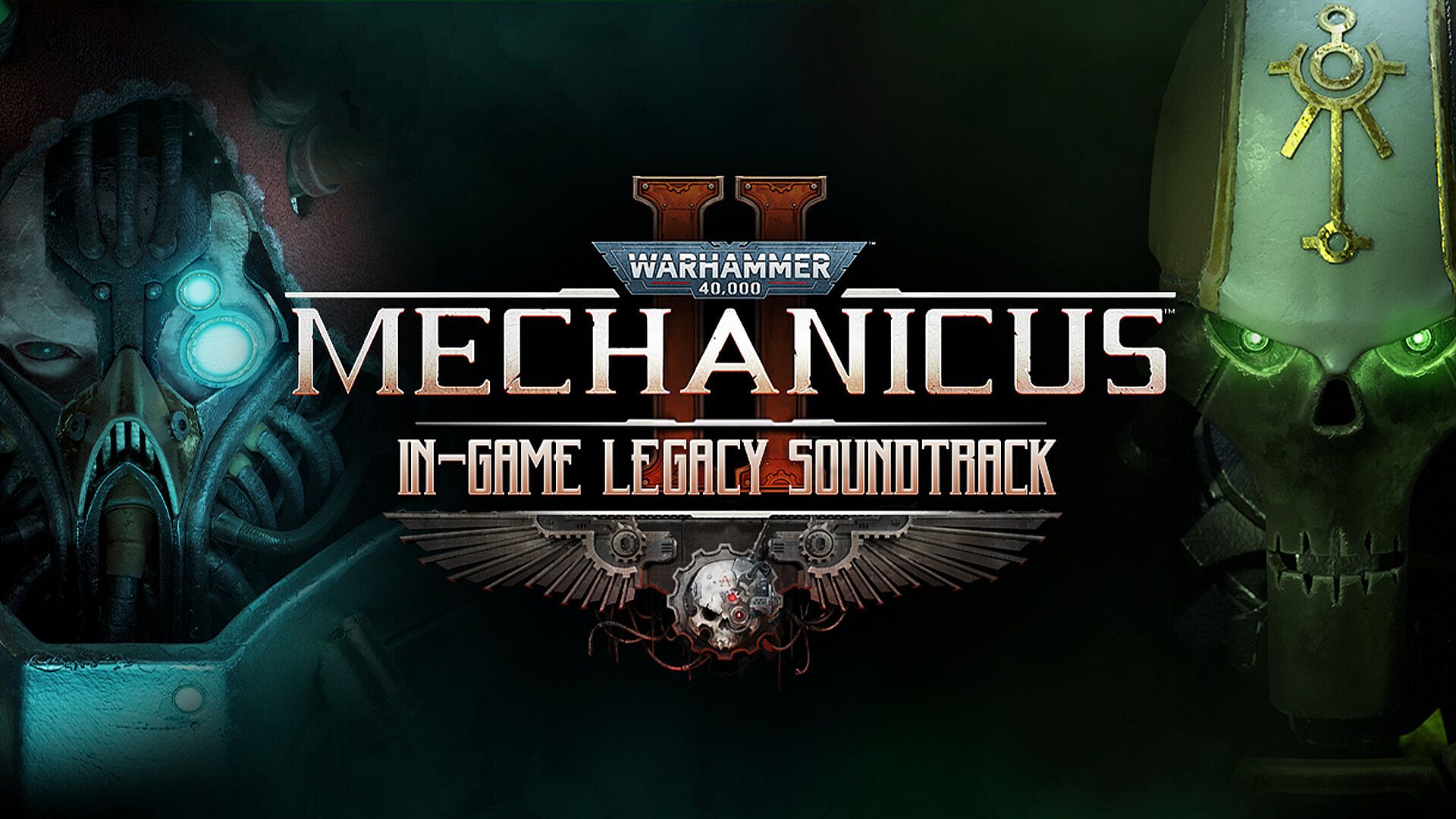
Il comparto sonoro rafforza i temi industriali e tecnologici antichi del gioco attraverso una colonna sonora integrata che accompagna il conflitto ad alta tensione. Ulteriori tracce musicali espandono la selezione disponibile durante le missioni, consentendo di miscelare liberamente i brani o riprodurre composizioni classiche per modulare l'intensità degli scontri.
Vale la pena giocarci?
Warhammer 40,000: Mechanicus II è uscito il 21 maggio 2026 e attualmente registra un'accoglienza mista sulla piattaforma principale, con circa il 53% di recensioni positive su oltre 1.600 valutazioni. Chi apprezza gli strategici a turni con forte asimmetria tra le fazioni e una progressione significativa tende a lodare la struttura a due campagne e i sistemi di risorse raffinati, che aumentano il valore rigiocabile. Chi cerca missioni molto variate o un ritmo più rapido segnala invece una certa ripetitività negli scontri principali.
Il titolo è indicato per chi cerca esperienze strategiche singleplayer nell'universo Warhammer 40,000 e apprezza la pianificazione metodica e le decisioni legate alla singola fazione. Gli strumenti di difficoltà personalizzabile lo rendono accessibile ai nuovi giocatori e impegnativo per i veterani. Lo stato attuale include miglioramenti post-lancio basati sui feedback iniziali, rendendolo adatto a chi è attratto dalla profondità tattica e dalla narrazione a doppia prospettiva.