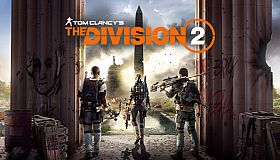





Tom Clancy's The Division 2 is a third-person tactical shooter that blends action, RPG progression, and adventure elements in an open-world setting. Players take on the role of a Division agent tasked with restoring order in a post-outbreak Washington, D.C., through cover-based combat, gear collection, and cooperative or competitive play. The experience centers on building an agent with specialized skills and equipment while navigating hostile environments filled with rival factions and environmental hazards.
Gameplay
Core gameplay revolves around third-person cover shooting combined with loot-driven RPG systems. Agents select from a range of firearms and deploy skills such as turrets, drones, and seeker mines to gain tactical advantages in firefights. Combat emphasizes positioning, weak-point targeting, and ability timing, with gear drops providing new weapons, armor, and talents that alter playstyles. Progression involves leveling an agent, unlocking specializations that grant signature weapons and bonuses, and refining builds through attribute optimization and recalibration. The open world supports exploration of districts in D.C., where control points and activities yield resources and influence territory control. Co-op supports up to four players for shared missions, while solo play remains viable with scalable difficulty.
Game Modes
The game offers distinct modes that cater to different preferences. The campaign delivers a narrative-driven sequence of missions focused on reclaiming key locations and confronting major threats. Co-op expands these missions into group challenges that reward teamwork and coordinated skill use. Conflict provides structured player-versus-player matches on dedicated maps, including Skirmish for team deathmatch-style encounters and Domination for objective-based control of zones. Dark Zones function as high-stakes PvEvP areas where agents extract valuable loot while contending with both AI enemies and other players who may turn hostile. Additional endgame activities include Escalation for tiered mission replays with increasing difficulty and Retaliation events that involve reclaiming territory from aggressive factions.
Endgame Systems
After completing the main story, agents access layered endgame features designed for long-term engagement. Specializations expand combat options with unique weapons and passive effects. Systems such as Prototype Gear and Expertise allow fine-tuning of equipment through targeted upgrades rather than pure randomization. Seasonal content introduces rotating modifiers, new activities, and balance adjustments that keep the loop fresh. Clans provide social and progression benefits through member contributions. The game maintains ongoing support with regular title updates that add missions, gear, and quality-of-life improvements.
Is It Worth Playing?
The Division 2 continues to receive active development years after launch, with Year 8 seasons delivering new story content, crossplay preparations between PC and consoles, and expansions such as Echoes of Central Park. Steam reviews stand at 78 percent positive across tens of thousands of ratings, reflecting steady player interest and an average playtime exceeding 40 hours for many. The mix of cover-based shooting, deep gear customization, and varied multiplayer options appeals to those who enjoy tactical looter shooters with both cooperative and competitive elements. Players seeking a persistent world with regular updates and meaningful progression will find substantial value, particularly if they prefer methodical combat and build experimentation over fast-paced arcade action. The title remains accessible on PC with healthy concurrent player numbers that support matchmaking across modes.