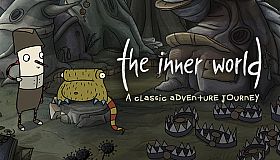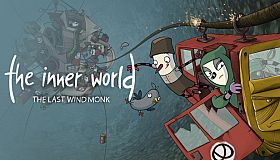



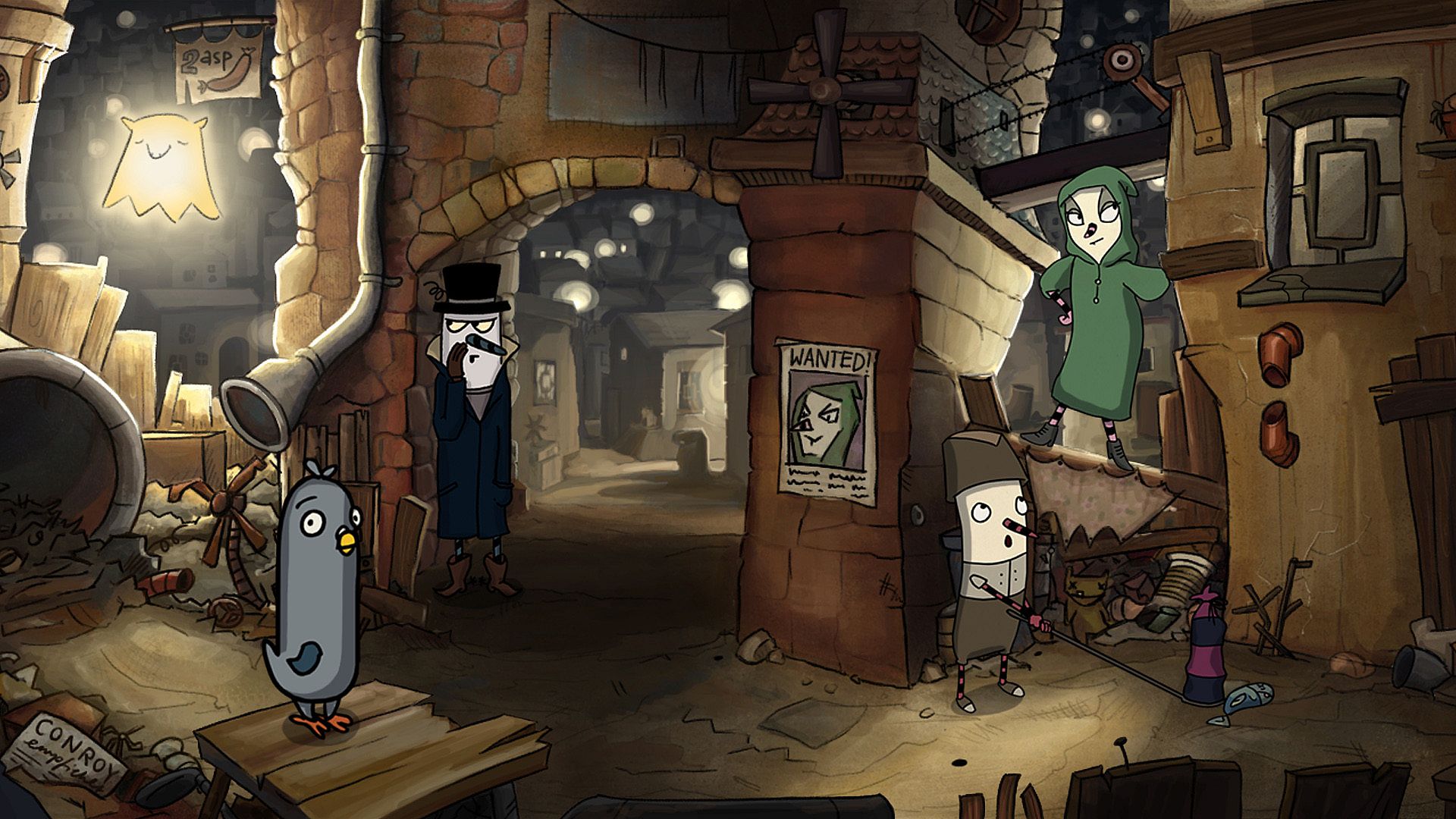
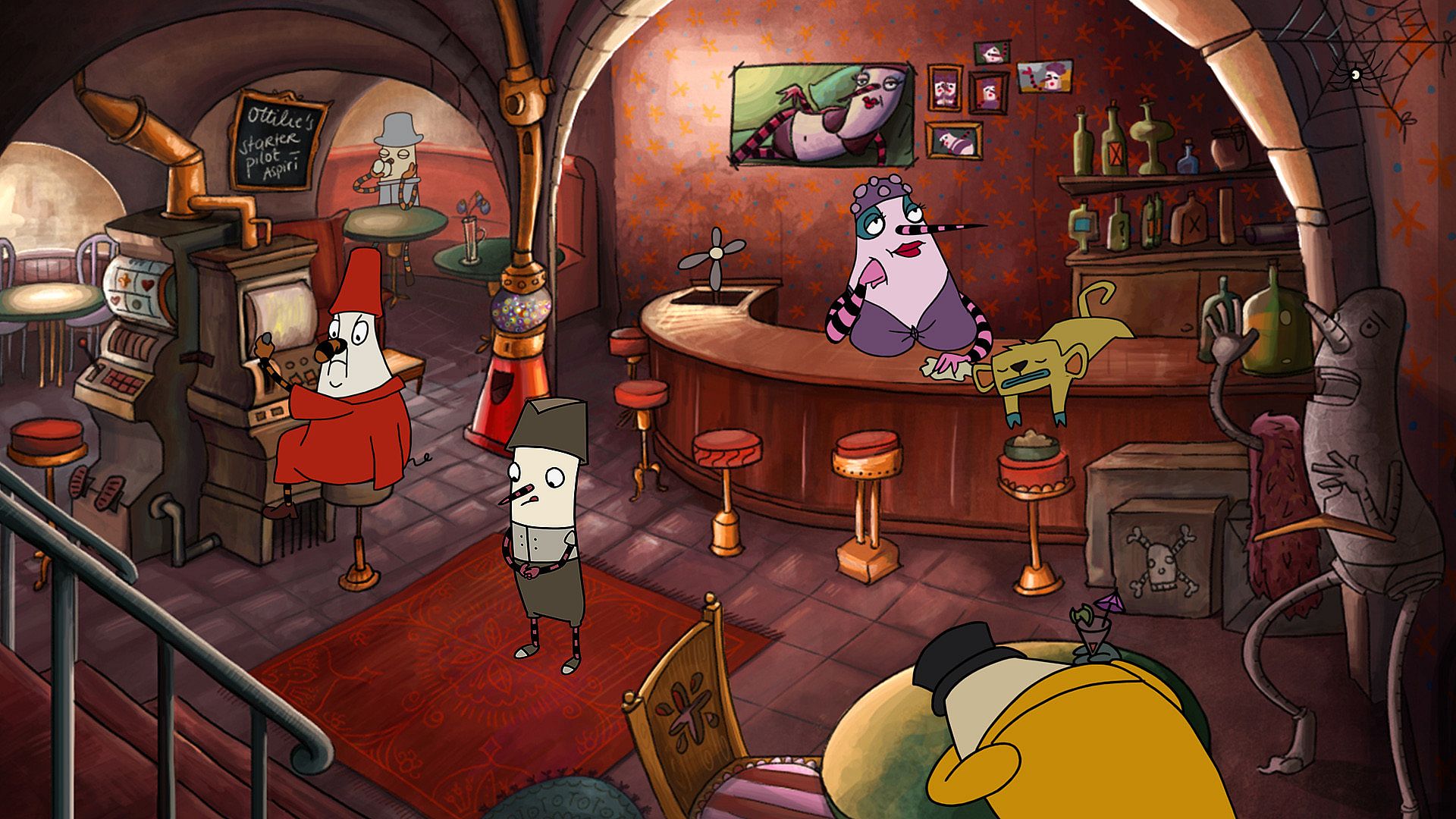
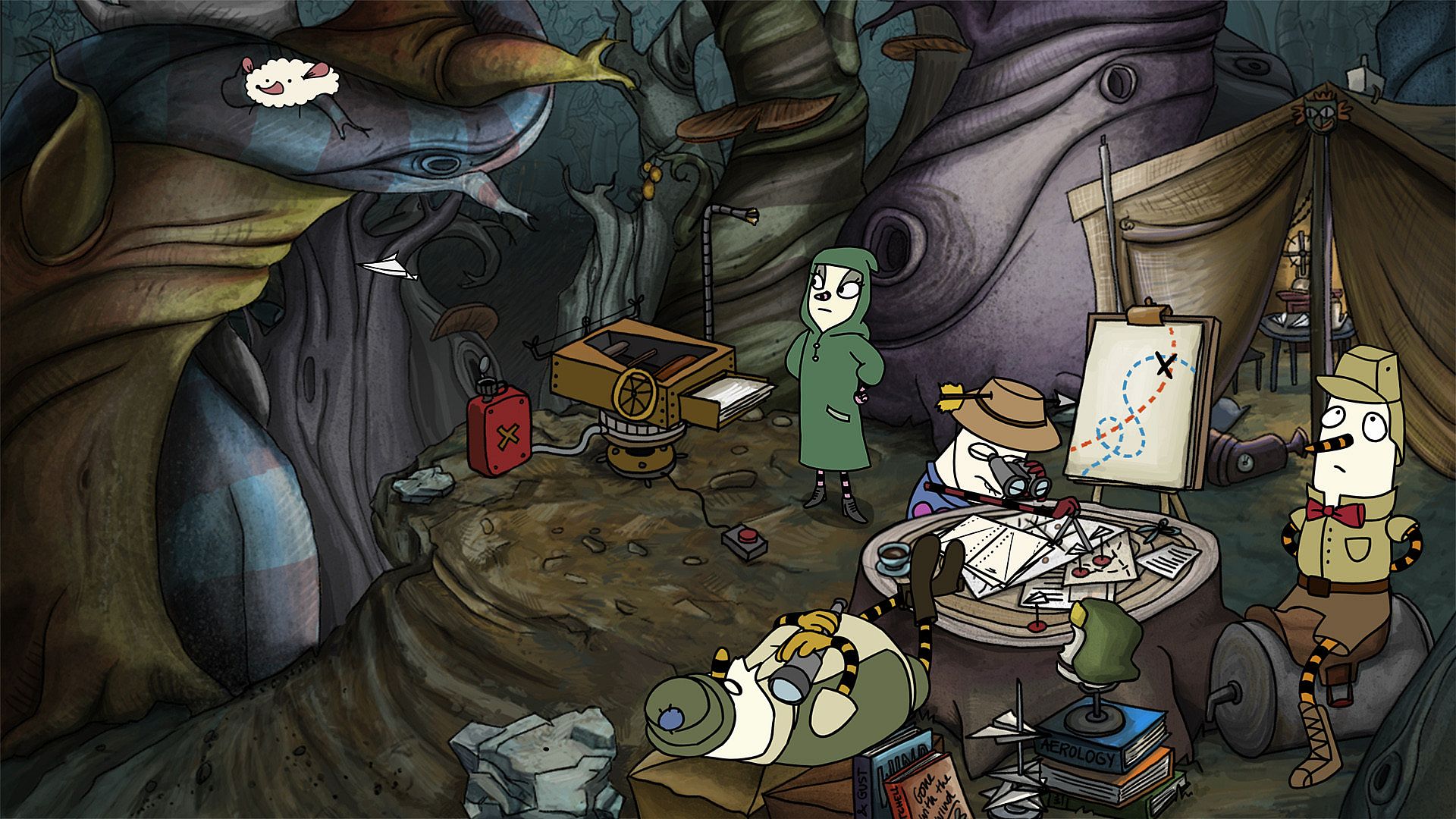

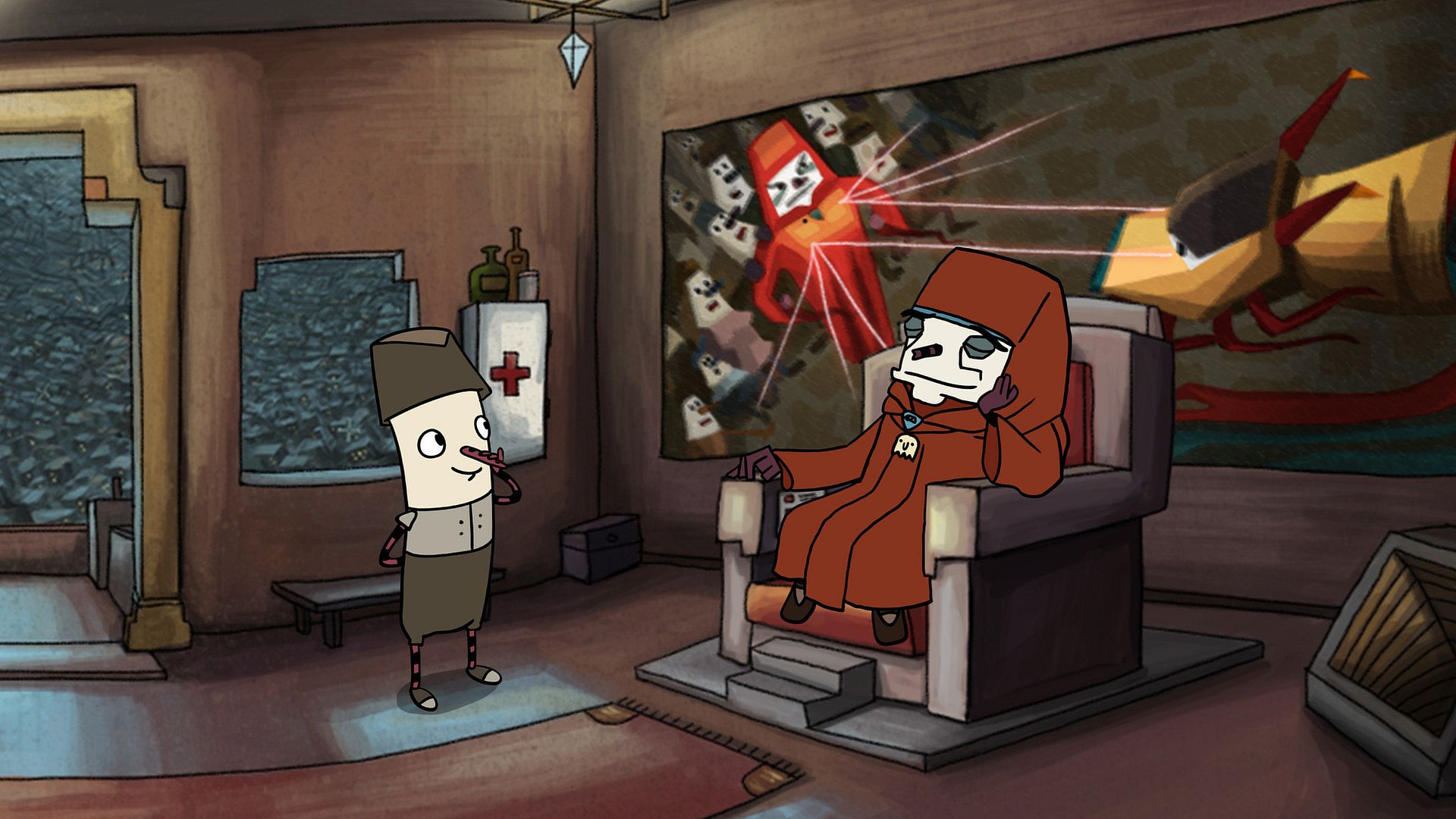
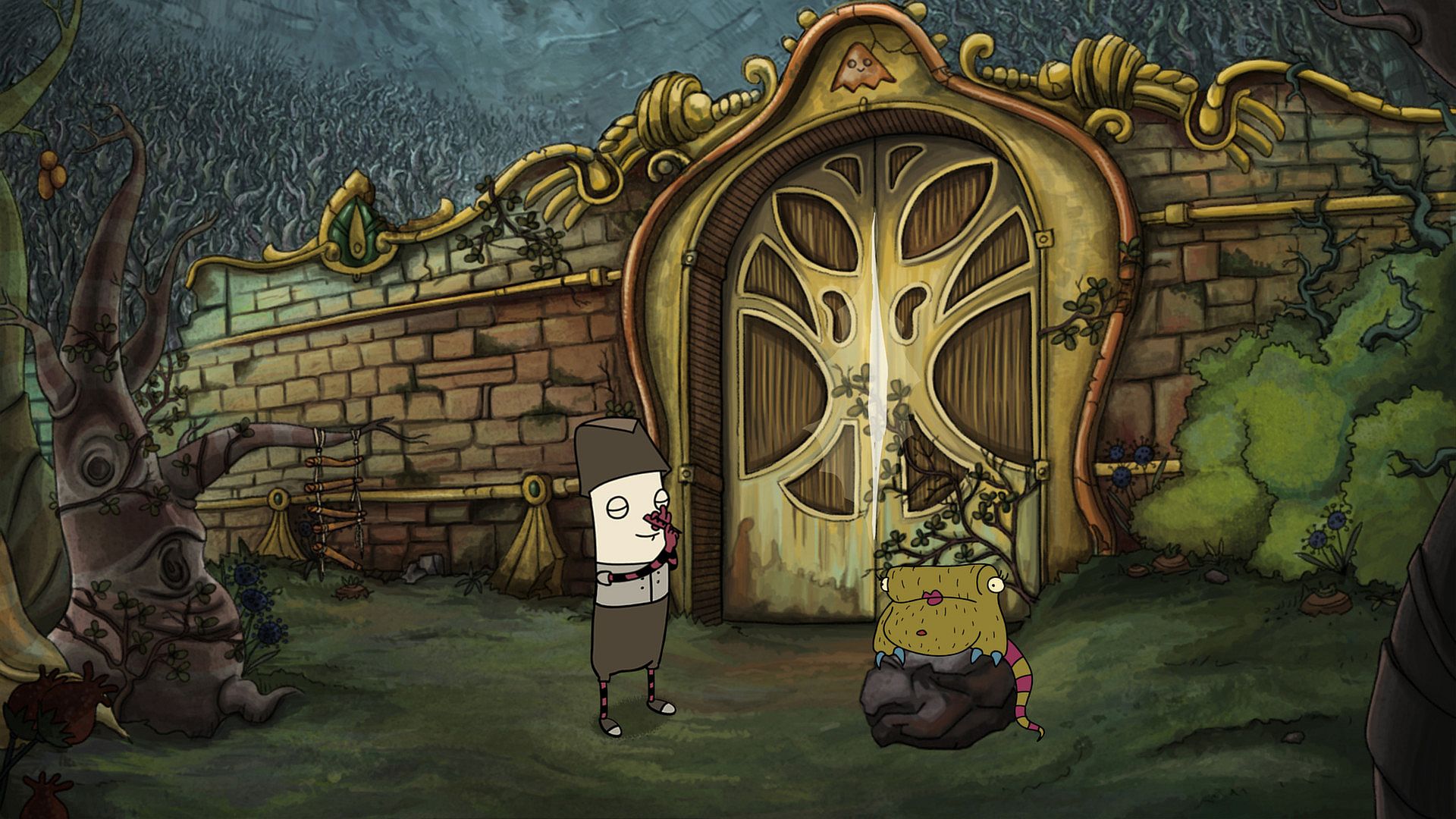
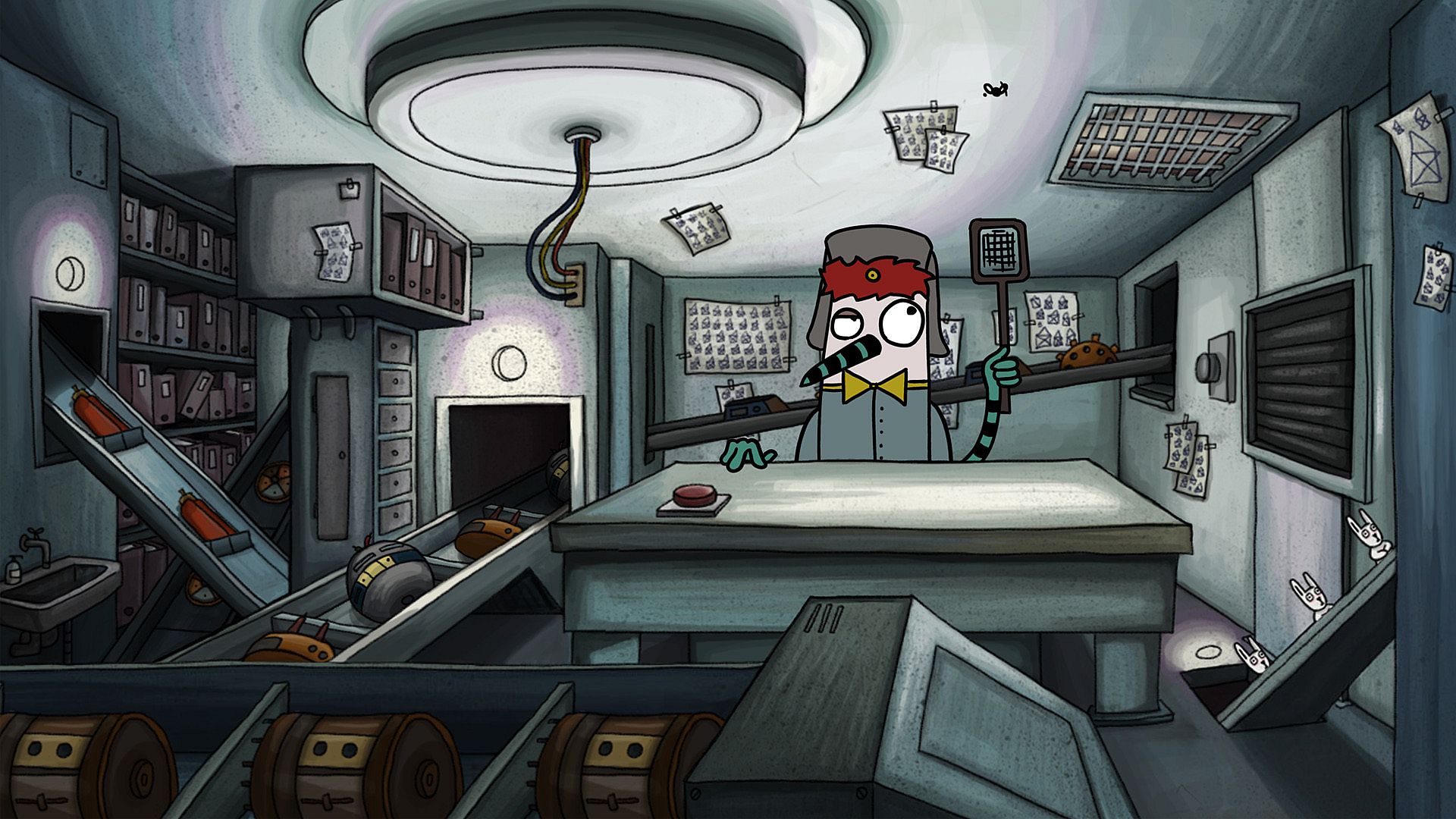
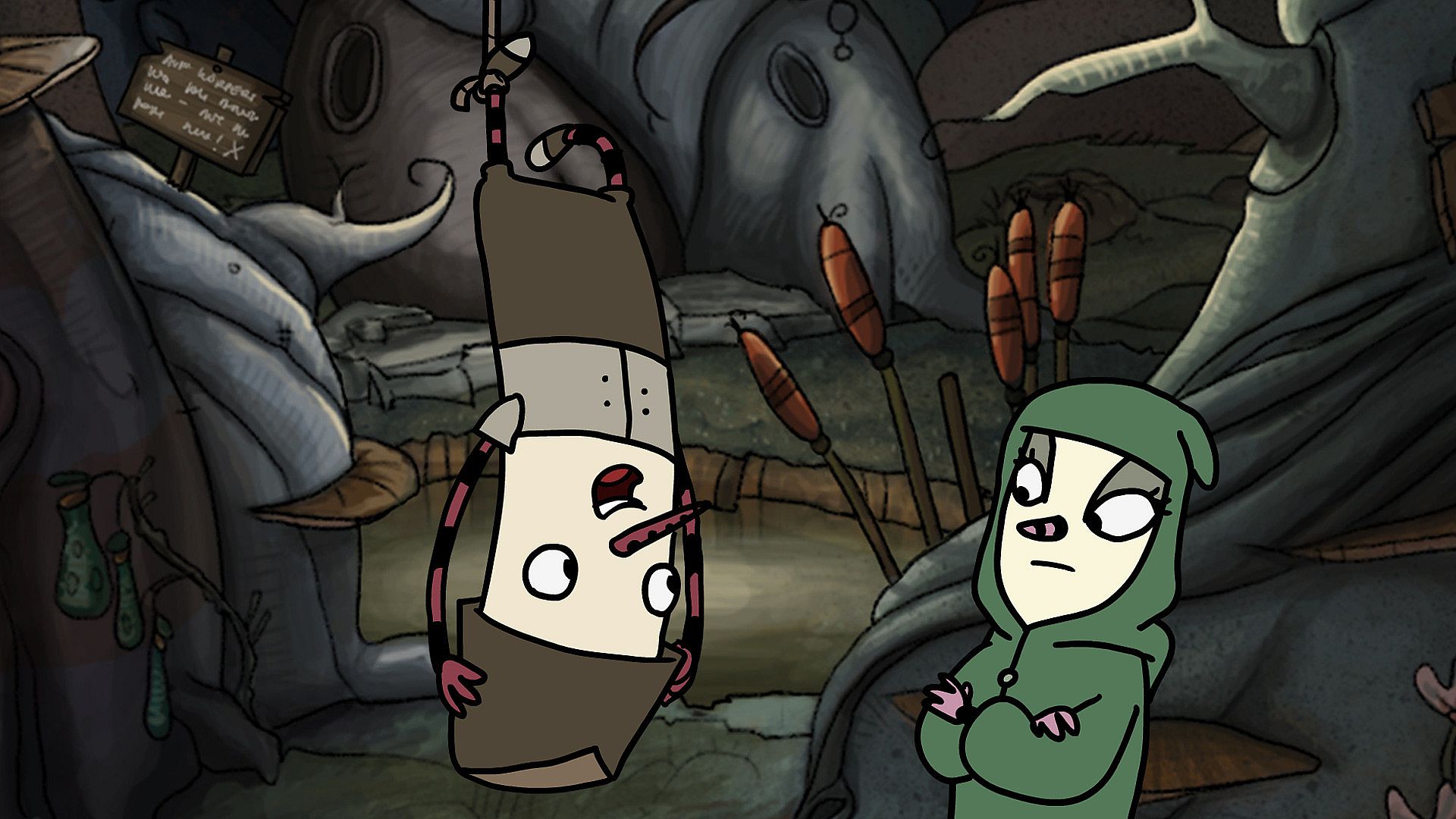
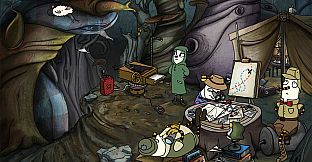

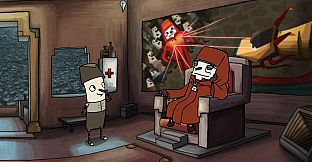
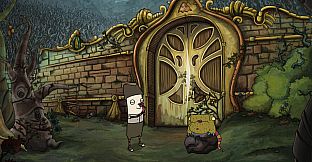
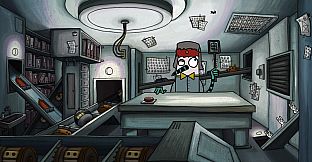
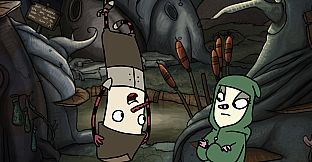
The Inner World is a point-and-click adventure game set in the unusual hollow world of Asposia. Players take on the role of Robert, a novice musician living in a wind monastery, as he navigates a story involving disappearing wind sources and unexpected alliances. The experience centers on exploration, dialogue, and puzzle solving within hand-drawn environments filled with quirky characters and detailed backgrounds.
Gameplay
Core mechanics revolve around interacting with objects and people through a simple interface. Players examine items, combine them in an inventory, and apply them to the environment or other characters to progress. Dialogue trees play a major role, with conversations often revealing clues or new objectives. Robert possesses a distinctive flute-like nose that can be played to interact with certain elements, adding a musical layer to select puzzles. A built-in hint system offers progressive guidance, starting with subtle nudges and escalating only if needed, which helps maintain flow without removing challenge entirely. Backtracking between connected locations is common, and the game encourages thorough investigation of each area before moving forward.
Game Modes
The game operates entirely as a single-player experience with no multiplayer components or competitive elements. Progress unfolds across five distinct chapters, each focusing on specific locations and objectives that build toward the overall narrative. There are no separate difficulty settings, alternate campaigns, or optional modes; the structure remains linear with opportunities to revisit areas for missed interactions or items. The emphasis stays on story progression and puzzle completion within this contained format.
Story and Setting
Asposia exists as an enclosed space surrounded by endless soil, relying on wind fountains for air and energy. Robert begins his journey with limited understanding of larger events, teaming up with the thief Laura and other memorable figures along the way. The narrative blends humor, mystery, and light-hearted moments through extensive voice acting and animated cutscenes. Puzzles often tie directly into the plot, such as preparing for performances, navigating restricted areas, or deciphering ancient mechanisms, creating a sense of purpose behind each solution.
Soundtrack
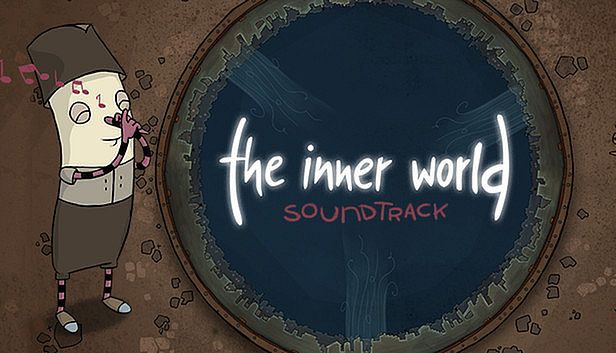
The accompanying original soundtrack enhances the atmosphere with thirteen tracks composed and arranged by Christian Barth and produced by Philipp Kobilke. Pieces range from short atmospheric cues like Anticipation to longer explorations such as Maintenance Hangar and The Wind Dies. The music captures the bizarre, soil-bound universe through melodic and sometimes whimsical arrangements, allowing listeners to revisit the journey independently of gameplay. A bonus track, The Wind Song, rounds out the collection.
Is It Worth Playing?
Player feedback highlights the charming characters, witty dialogue, and consistent art style as standout elements that make the adventure memorable. The hint system receives frequent praise for reducing frustration during obscure puzzle moments while preserving a sense of accomplishment. Some reviewers note that certain solutions require creative or unconventional thinking, which suits fans of classic point-and-click design but may test patience for others. The game remains available on PC with its soundtrack as optional additional content, offering a self-contained story that appeals to those who enjoy inventory-based puzzles and light narrative focus. It suits players seeking a shorter, character-driven indie adventure rather than expansive open worlds or action sequences.