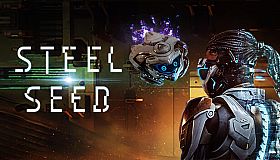












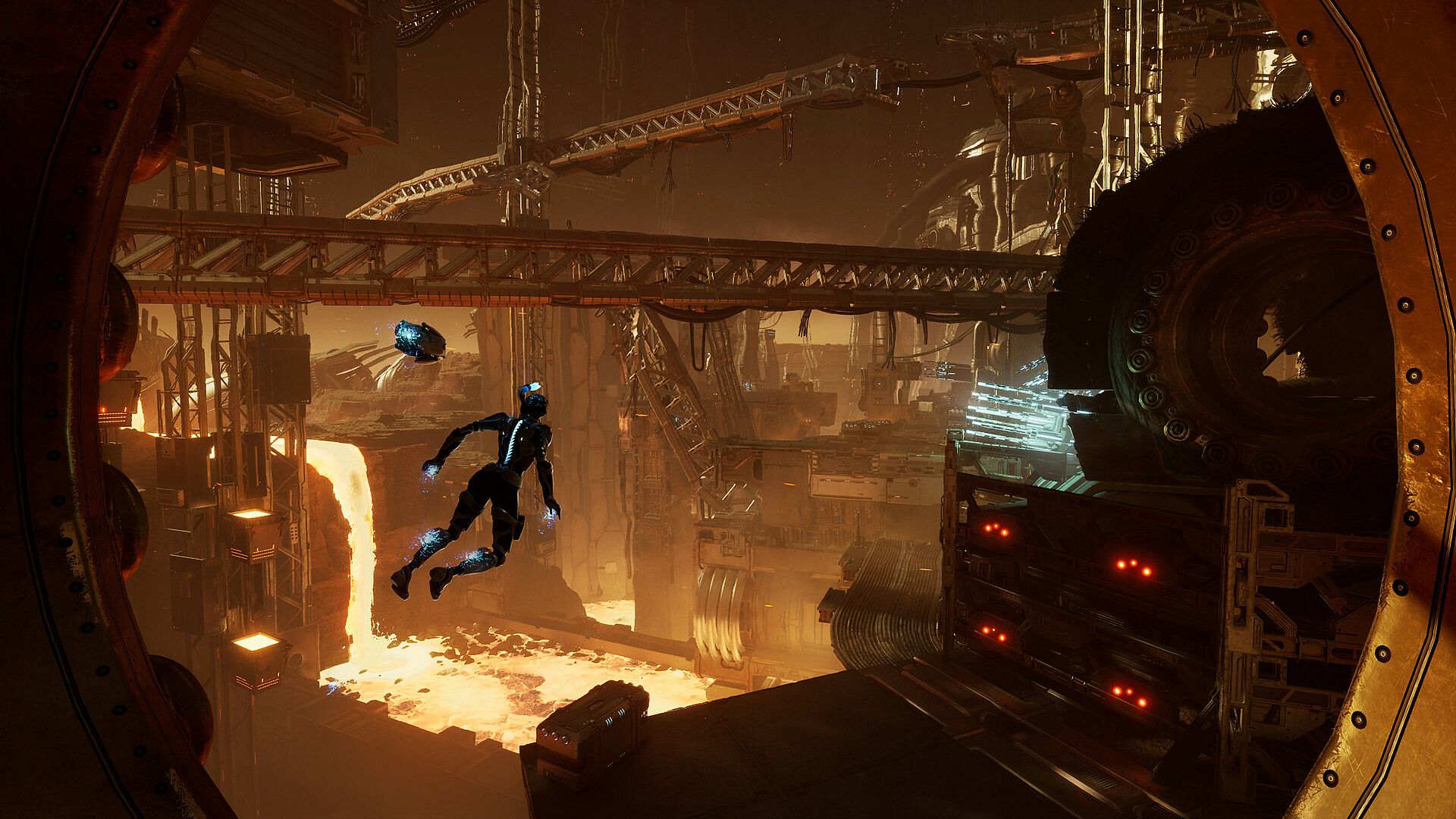
Steel Seed è un'avventura single-player di stealth e azione ambientata in un cupo universo fantascientifico dove l'umanità è sull'orlo dell'estinzione. Il giocatore interpreta Zoe, che esplora un ostile complesso sotterraneo insieme al drone compagno Koby. L'esperienza ruota attorno all'esplorazione, all'elusione dei nemici e alla sopravvivenza in un ambiente industriale disseminato di tracce di una civiltà ormai scomparsa.
Gameplay
Il ciclo di gioco si basa su meccaniche stealth che richiedono movimenti precisi tra le ombre e l'uso di distrazioni ambientali per non farsi scoprire. Zoe si muove sfruttando parkour e platforming per scalare pareti, superare dislivelli e attraversare strutture su più livelli. Koby interviene con azioni mirate, come attivare interruttori lontani o fornire supporto durante gli scontri.
Quando lo stealth non basta, è possibile ricorrere al combattimento contro diversi tipi di nemici e boss di maggiori dimensioni, che richiedono attenzione ai pattern e al posizionamento. Tre alberi delle abilità permettono di potenziare le capacità in stealth, mobilità e combattimento, offrendo circa quaranta upgrade per personalizzare il proprio stile di gioco. Elementi di puzzle leggeri si integrano nel percorso, spesso risolvibili combinando le abilità di Zoe e quelle di Koby.
Alcune sequenze di traversal mettono alla prova con situazioni ad alto rischio, come scivolare su superfici instabili o schivare colpi, all'interno di un design che privilegia la navigazione strategica rispetto allo scontro diretto. Ogni area invita ad adattare l'approccio in base agli strumenti a disposizione e alla struttura del complesso.
Modalità di gioco
Steel Seed propone una campagna single-player come struttura principale, senza modalità multiplayer o competitive. Il progresso si sviluppa attraverso l'esplorazione sequenziale di diverse sezioni del complesso, ciascuna con sfide ambientali e incontri specifici. La narrazione resta lineare, ma lascia libertà nel modo in cui affrontare ogni zona, scegliendo tra approccio furtivo o scontro diretto.
Platforming e puzzle-solving sono integrati nel percorso principale, senza attività secondarie né modalità alternative. Questa struttura compatta è pensata per chi cerca un'avventura concentrata su atmosfera e meccaniche, senza replay o contenuti online.
Il mondo e l'atmosfera
Il gioco si svolge in un vasto complesso sotterraneo, ultimo rifugio dei sopravvissuti in un mondo dominato dalle macchine. Gli ambienti variano da stretti corridoi a grandi sale, tutti caratterizzati da un design industriale decadente e da un forte senso di isolamento. Durante il viaggio Zoe raccoglie frammenti di informazioni che rivelano le cause della situazione attuale.
L'interazione con l'ambiente è fondamentale: molti spazi richiedono soluzioni creative per superare ostacoli e accedere a nuove aree. La presenza di entità robotiche contribuisce a mantenere alta la tensione tra elusione e confronto.
Colonna sonora e immersione
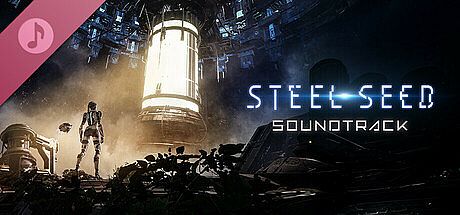
La colonna sonora originale, composta da Andrea Remini, comprende quindici tracce che accompagnano gli aspetti emotivi e atmosferici della storia. Ogni brano riflette il tono del complesso sotterraneo, i resti della presenza umana e il peso della sopravvivenza contro le forze meccaniche. I brani sono in formato MP3 e si integrano con l'aspetto visivo e le meccaniche di gioco senza sovrastarli.
Questo strato audio accentua il senso di isolamento e urgenza durante le fasi di traversal e nei momenti più tranquilli di esplorazione, rafforzando l'atmosfera fantascientifica di un mondo in declino.
Vale la pena giocarci?
Steel Seed è rivolto a chi apprezza i giochi stealth-action che uniscono platforming, elusione strategica e combattimenti occasionali. La sua struttura single-player e l'attenzione all'interazione ambientale lo rendono adatto a chi cerca esperienze narrative fantascientifiche ambientate in luoghi chiusi e ricchi di atmosfera. Il sistema di upgrade e le meccaniche del compagno offrono diversi livelli di personalizzazione, premiando la sperimentazione.
Le recensioni evidenziano i punti di forza nei sistemi di stealth e traversal, pur segnalando qualche riserva su ritmo e profondità del mondo. Il gioco è disponibile su PC e offre una campagna completa, senza contenuti stagionali né modalità aggiuntive. Chi cerca un'esplorazione metodica e una narrazione atmosferica può trovarlo coinvolgente, mentre chi preferisce azione frenetica o multiplayer potrebbe orientarsi altrove.