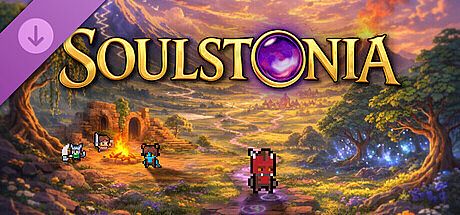


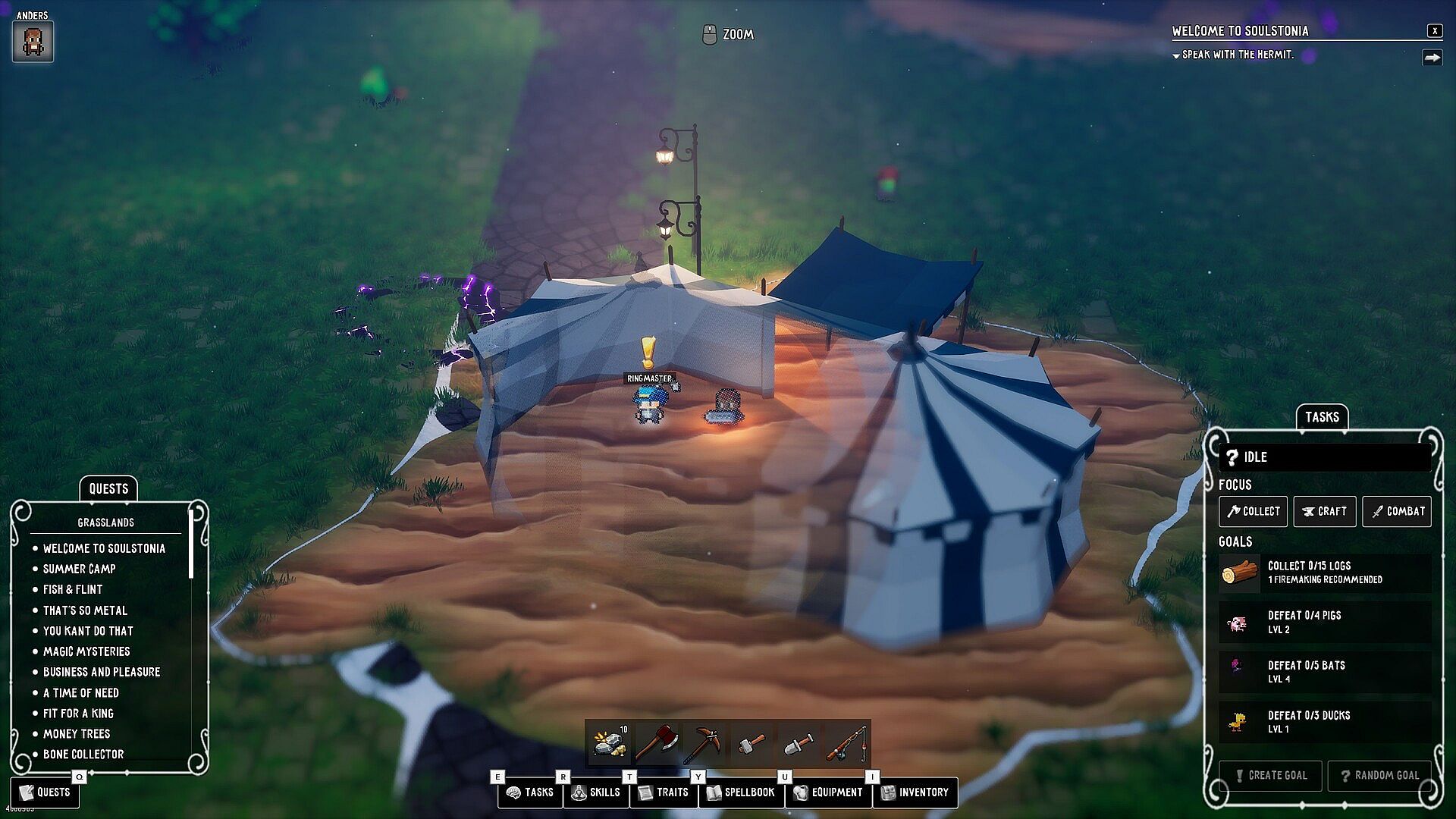
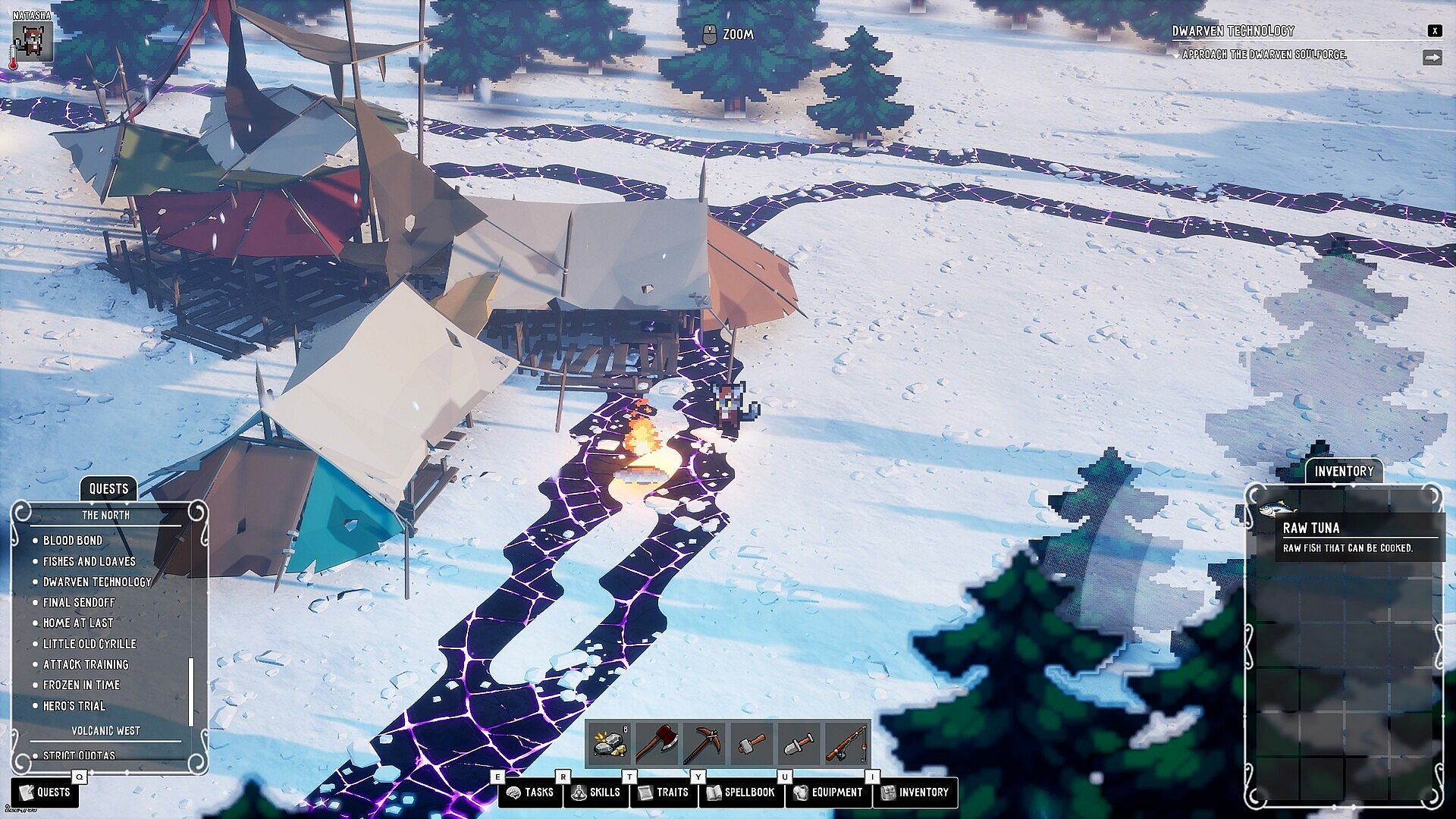
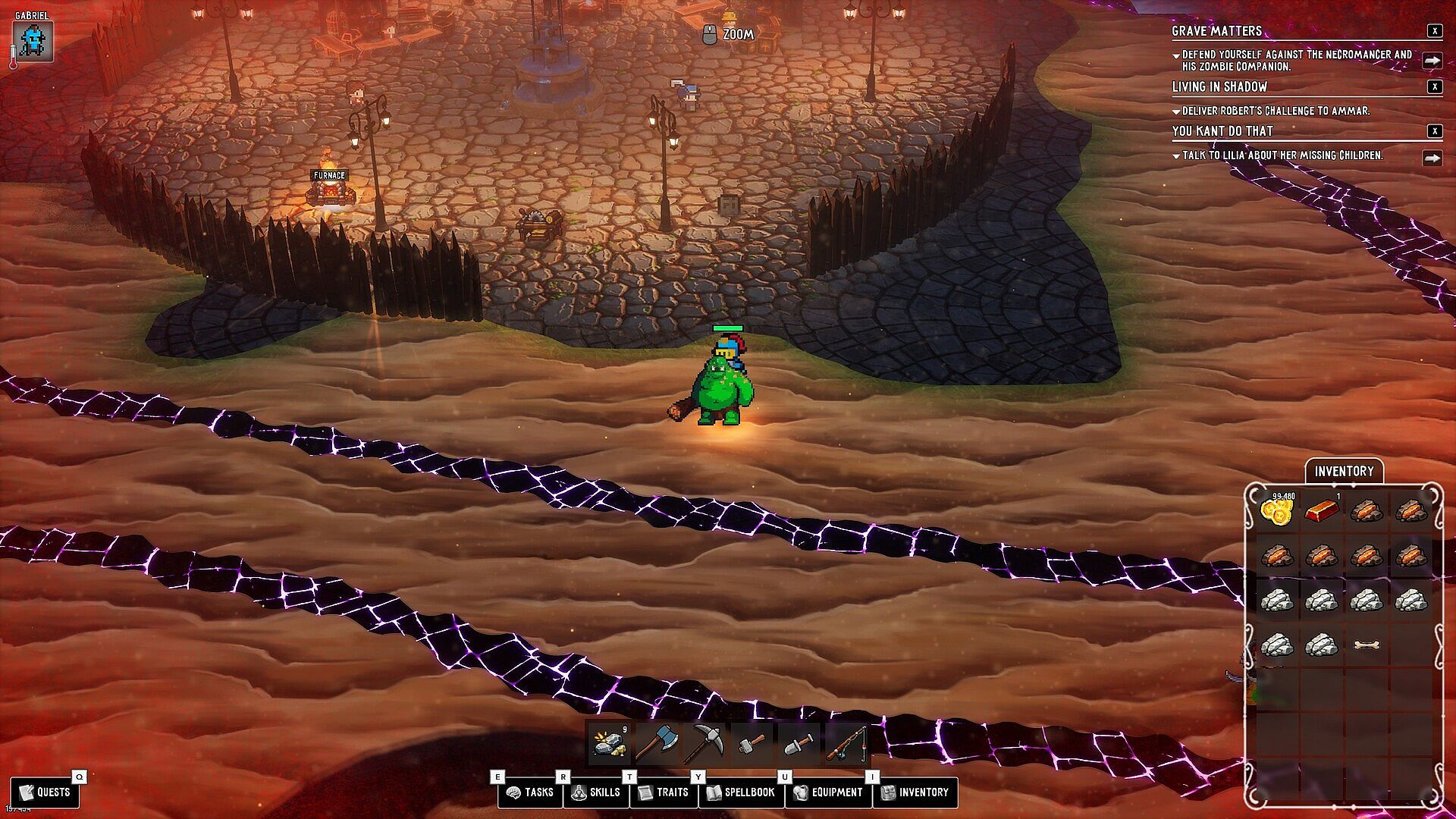

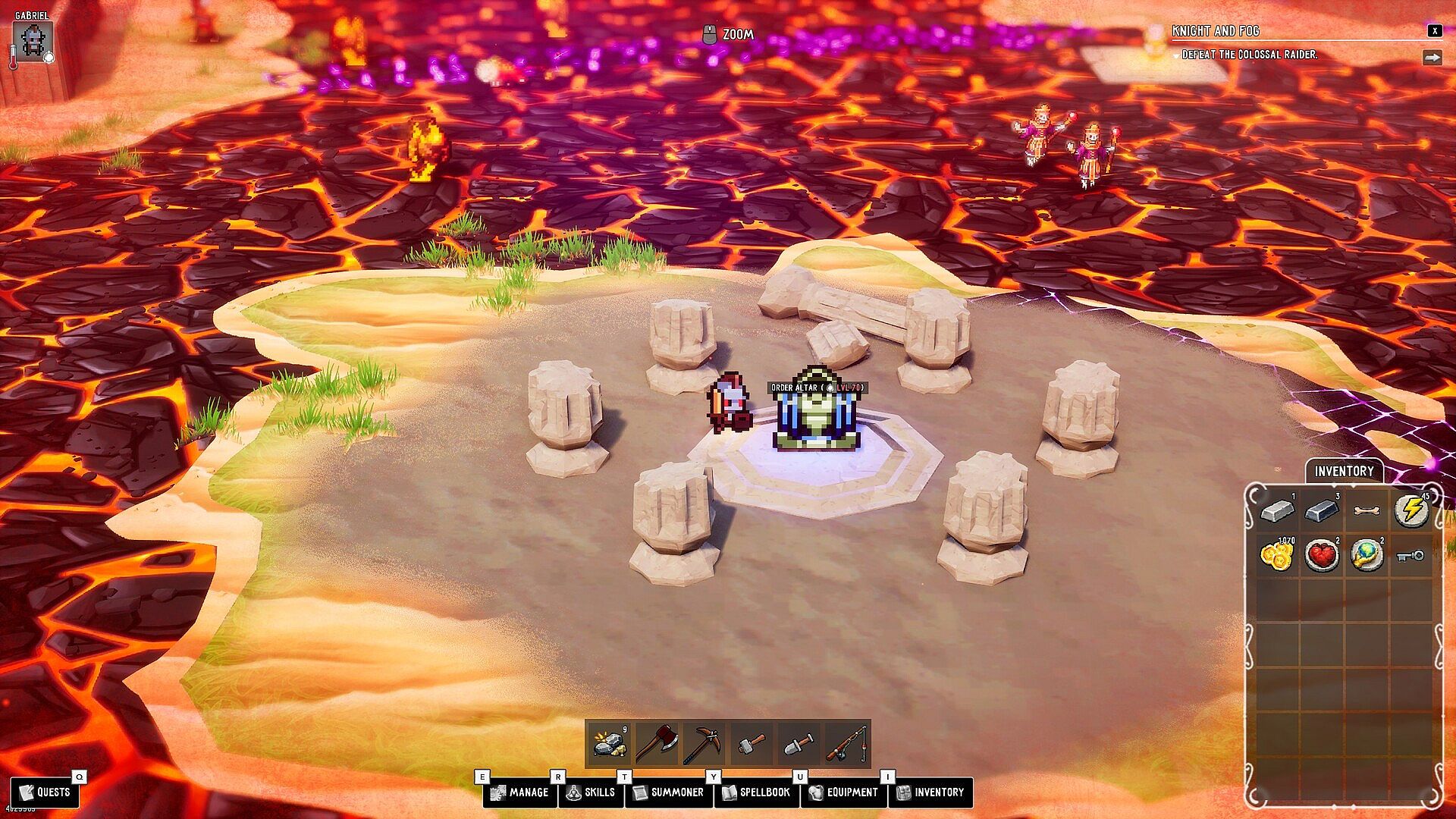
Soulstonia is a free to play indie RPG that blends active control with idle simulation elements in a procedurally generated fantasy setting. Players create and manage parties of Summoners who explore, gather resources, craft items, complete quests, and battle enemies while also pursuing independent activities when left unsupervised. The Summoner Expansion adds ten new playable species that expand options in the character creator and increase variety among recruitable companions encountered during play.
Gameplay
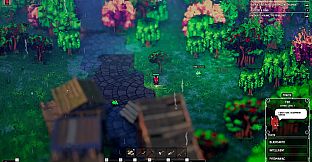
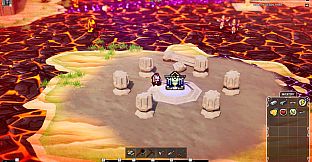
The core loop centers on building and directing a party of up to five Summoners across five distinct regions that generate differently with each new save. Exploration reveals villages, landmarks, resources, and enemies in a world that changes layout every time. Summoners can be controlled directly for precise actions or allowed to operate on their own, handling tasks such as resource collection, skill training, or local exploration based on their individual traits and surroundings.
More than twenty skills cover combat, crafting, and gathering disciplines including mining, fishing, woodcutting, thieving, smithing, magic, and summoning. Equipment and personal dreams further differentiate each Summoner, influencing priorities and effectiveness in different situations. Soulstones collected during adventures allow the summoning of creatures that assist both in fights and in resource gathering tasks.
The Summoner Expansion integrates directly into these systems by unlocking ten additional species for character creation. These species also join the pool of potential recruits found throughout the campaign, enabling greater party diversity across multiple saves without altering the permanent unlock structure of the base game.
Game Modes
Soulstonia operates as a single player experience focused on campaign progression through quests and world exploration rather than separate competitive or multiplayer modes. The procedural generation ensures each playthrough presents unique layouts of settlements, roads, and points of interest, supporting repeated runs with fresh party compositions.
Players balance hands on direction of their Summoners during key events with periods of idle automation where the party continues activities independently. This hybrid approach forms the primary way to engage with the game, allowing for both focused sessions and longer term progression without constant input.
Species Variety and Recruitment
Species selection shapes starting capabilities and appearance options in the character creator while also affecting how recruits appear in the world. The ten new species from the expansion broaden these choices, supporting more distinct party builds and visual variety without requiring repeated purchases.
Recruitment draws from an expanded pool once the expansion is active, so new companions encountered in villages or during quests can include the additional species. This change encourages experimentation with different group synergies across saves while keeping all unlocks permanent after the one time acquisition.
Is It Worth Playing?
Soulstonia targets players who enjoy cozy idle RPG mechanics combined with direct party management and procedural world discovery. The free to play model in Early Access removes financial barriers to entry, and the playtest period offers an early opportunity to experience the core systems before the November 5 launch.
Development continues with planned content additions and balance adjustments based on feedback, which supports ongoing improvements to the skill progression, summoning features, and idle behaviors. Those drawn to simulation style progression, species customization, and flexible active or automated play will find the most alignment with the current design.
The expansion enhances long term replayability by increasing species options and recruitment diversity, making it a relevant addition for anyone planning multiple campaigns. Availability on PC aligns with the stated platform focus, and the blend of quest completion, crafting, and creature summoning provides consistent activities without reliance on external modes or seasonal events at this stage.