

PROPERTY INSPECTION: DIRECTOR'S CUT is a free-to-play first-person simulation adventure that turns a routine apartment inspection into a slow-burn psychological experience. Set in a single 1950s unit layered with 1980s family life, the game places players in the role of Inspector 8821-A from Structural Core Services. The task involves documenting structural concerns in Unit 47 during one night shift, but the process gradually shifts from procedural paperwork into something more unsettling. Genres include free-to-play, indie, casual, simulation, and adventure, with the Director's Cut adding layers of meta presentation that frame the inspection as episodes from a prestige television series.
Gameplay
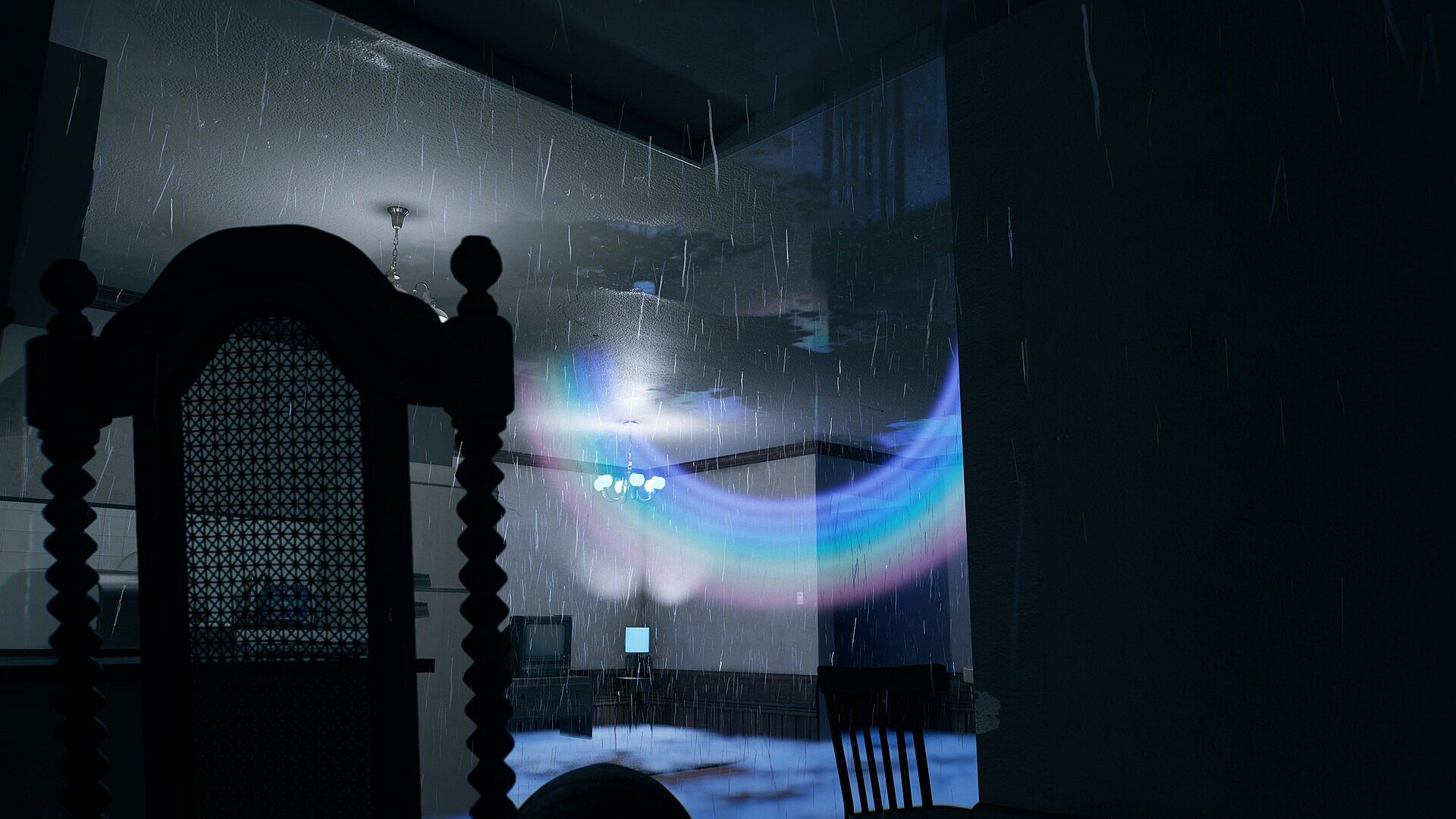
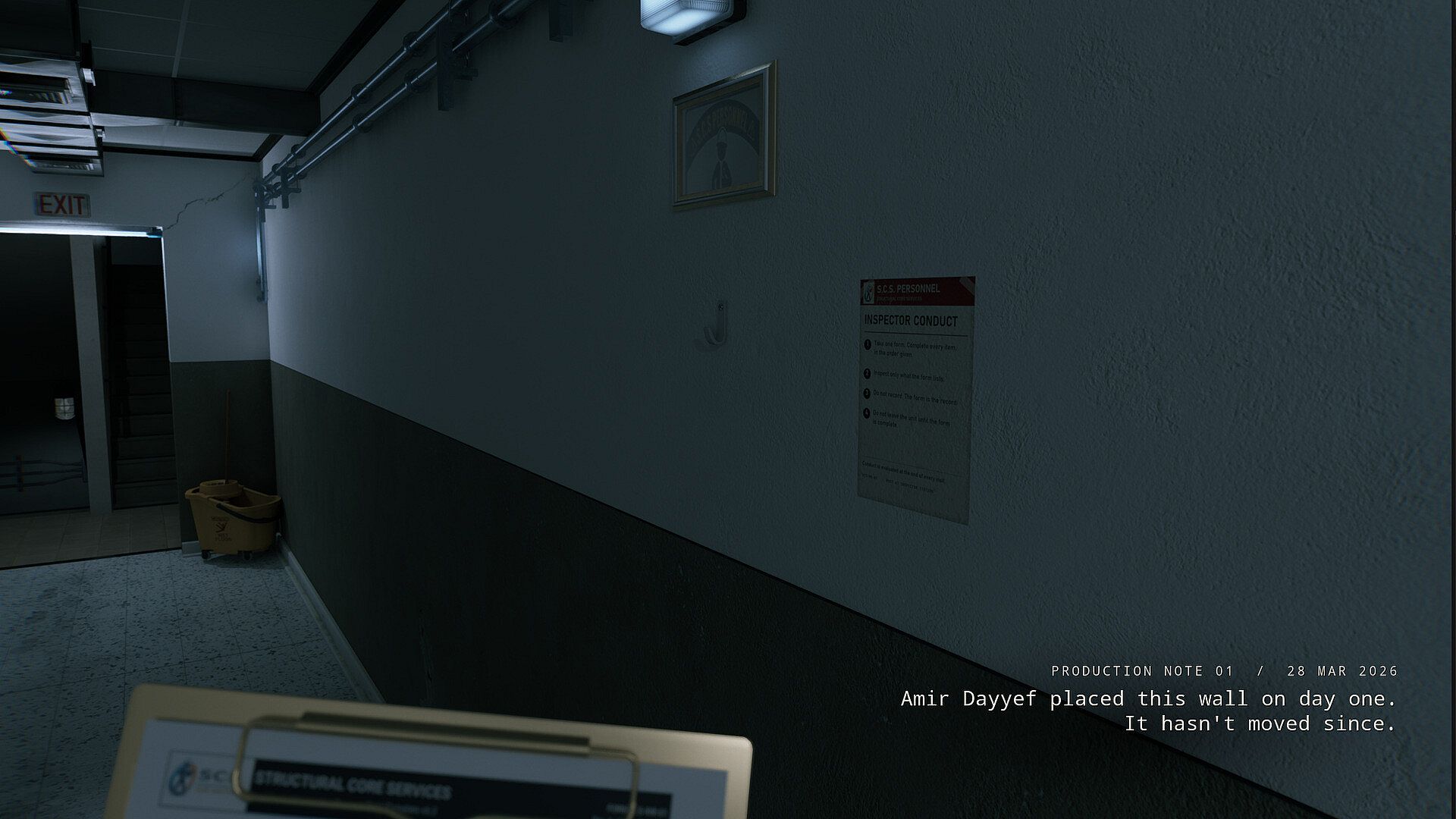
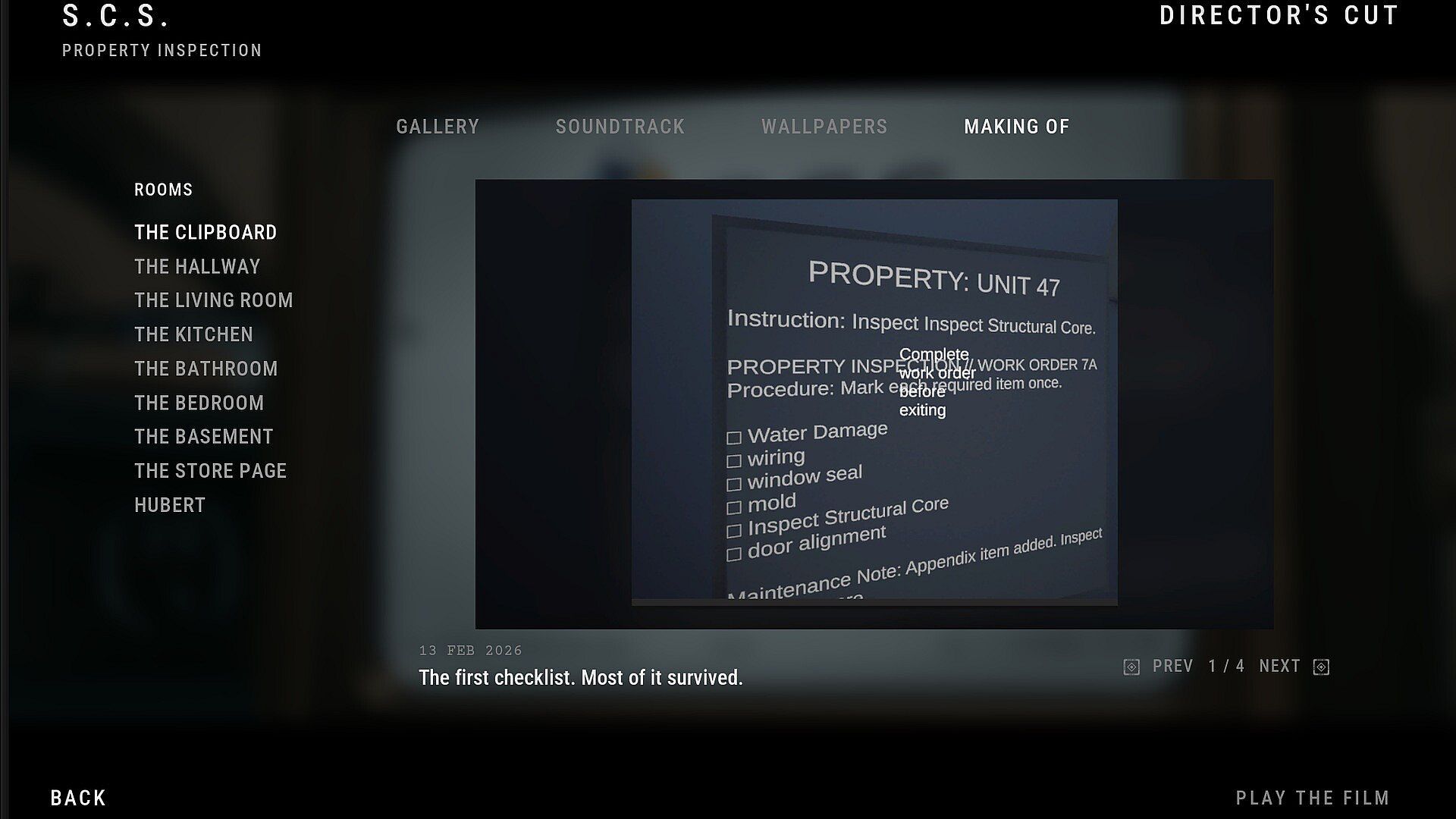
The core loop centers on clipboard-driven inspection mechanics. Players navigate the apartment in first person, locating child-placed stickers that mark reported issues such as a sink that continues to drip or other environmental problems. Peeling each sticker reveals the underlying fixture or area for closer examination, after which the corresponding box on the inspection form is checked. The clipboard serves as the primary interface and guide, dictating the order and requirements for completion. Environmental details build atmosphere through rain sounds, dim lighting, and layered personal items that hint at the occupant's life without direct exposition. No combat or resource management exists; progression relies entirely on methodical observation and documentation. The experience lasts roughly 25 to 30 minutes and is designed for a single sitting.
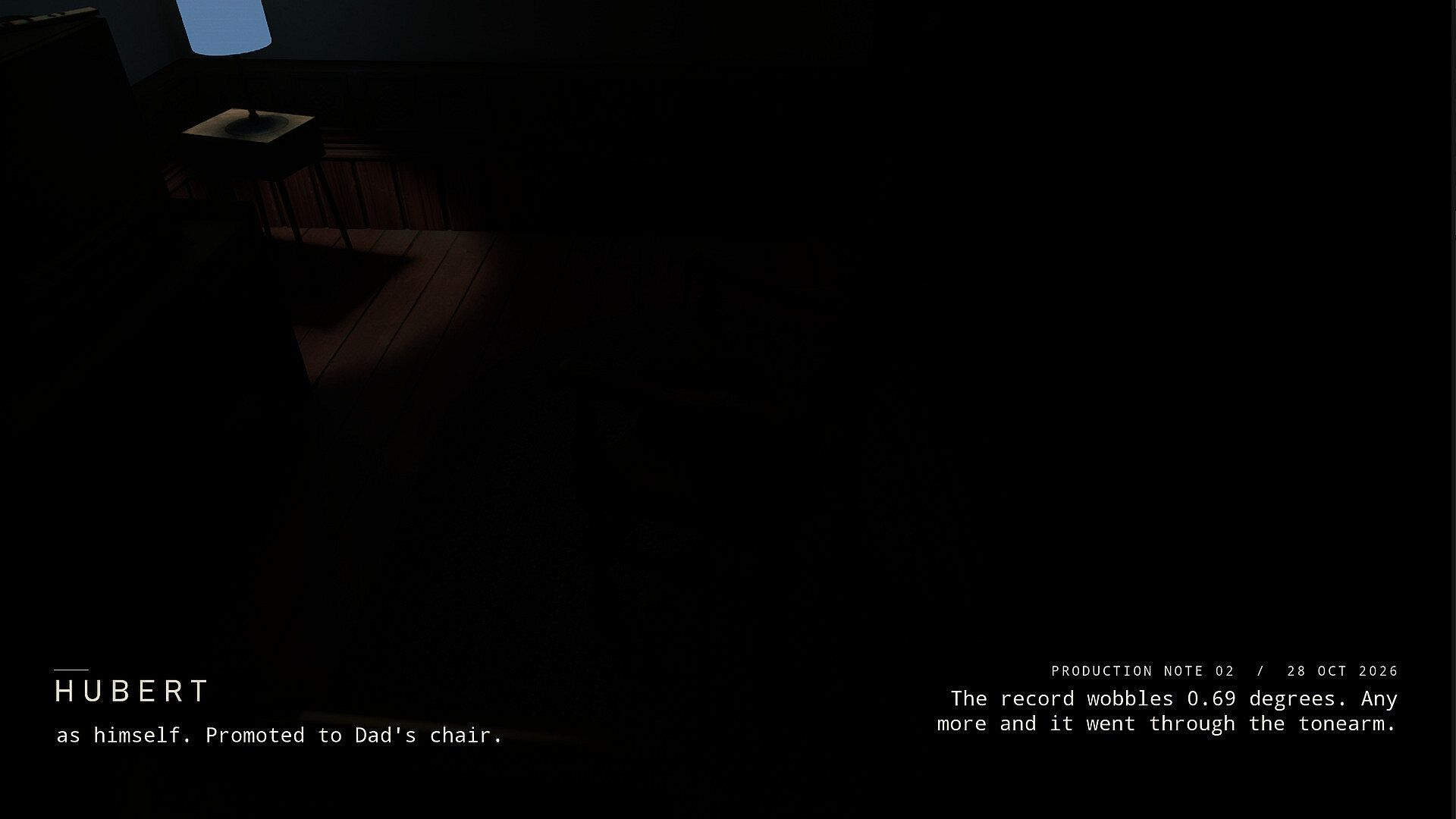
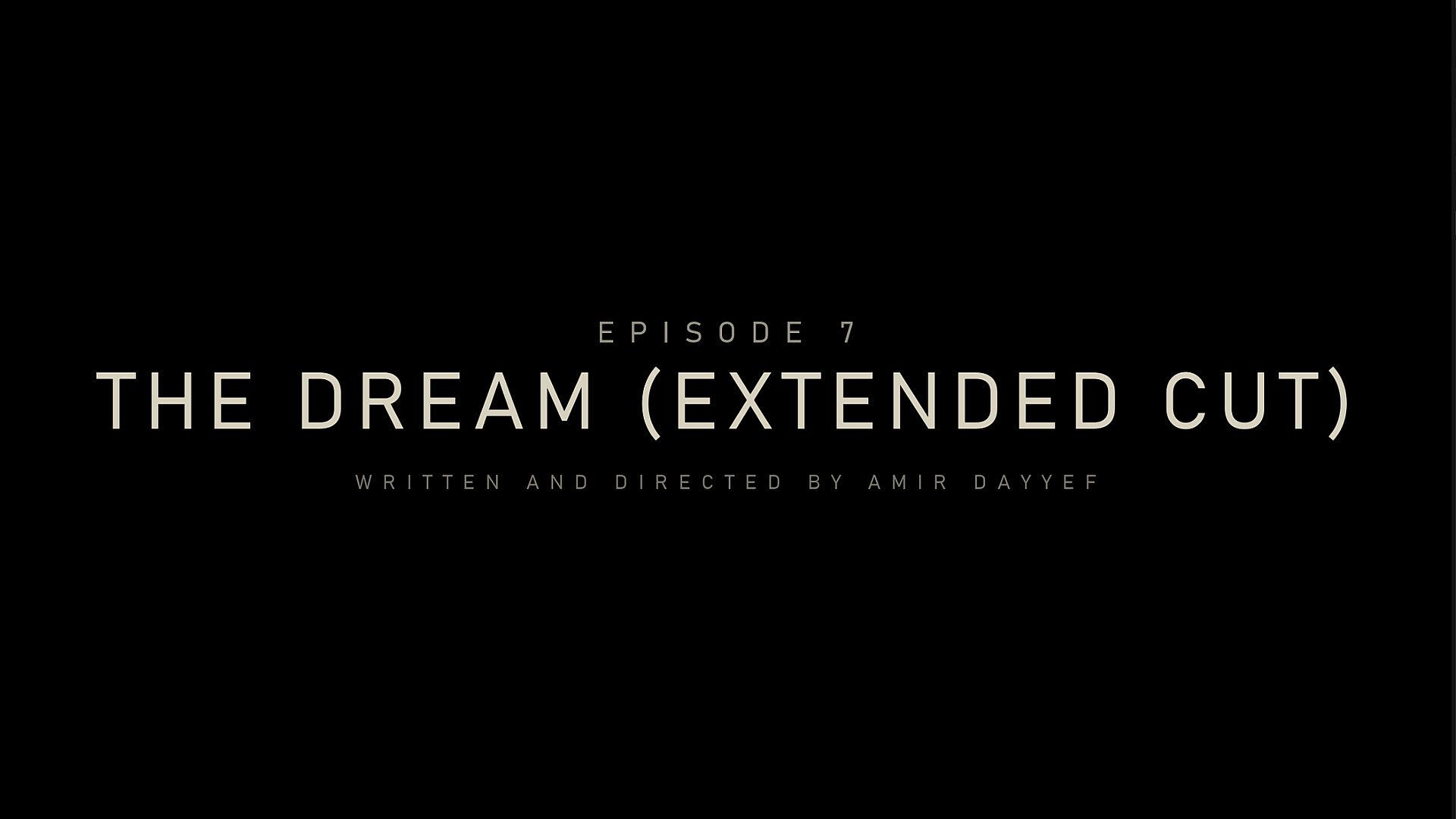
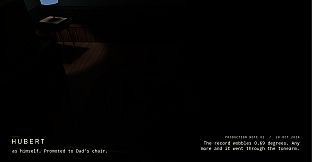
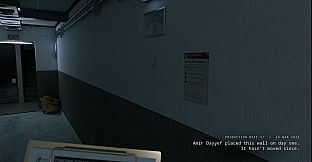
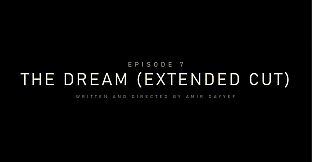
Additional systems in the Director's Cut expand the presentation without altering the underlying inspection. Episode title cards appear at each stage with dramatic transitions, while mid-inspection sponsor breaks can be skipped after a delay. Production notes provide behind-the-scenes context on how specific elements were created or adjusted during development. Character cards introduce the cast, and the credits sequence features repeated naming for a specific effect. A new sequence exclusive to this version includes an original song. These elements can be toggled on or off from the main menu at any time.
Game Modes
The game features a single primary experience centered on completing the residential inspection report for Unit 47. There are no separate multiplayer options, competitive modes, or branching campaigns. The Director's Cut integrates television-style framing around this core loop, presenting stages as sequential episodes with title cards and stings. Previously on segments allow players to resume and recap progress from a saved file. An ad break mechanic appears once during the session, and end-of-season credits roll after the final task. Gallery, soundtrack, and wallpaper options sit in the main menu as supplementary viewing rather than alternate play styles. The inspection itself remains linear and focused on one apartment across one night.
Key Features and Presentation
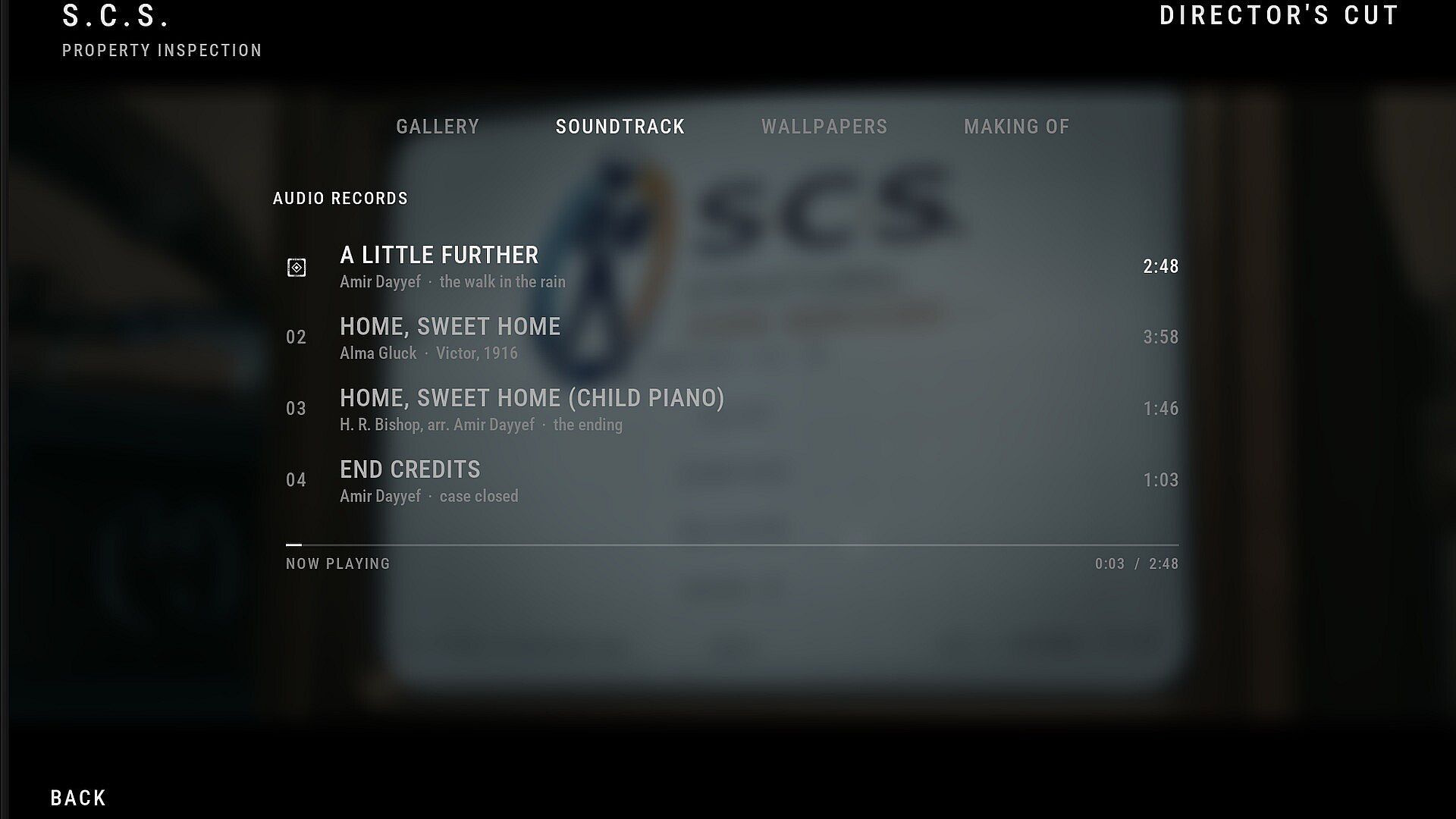
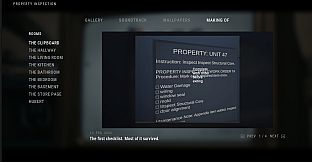
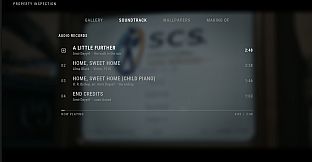
Proprietary elements such as Clipboard Technology and Advanced Peel Dynamics receive gold-tier treatment in the Director's Cut. Every name in the re-cut credits belongs to the same individual, while legal disclaimers stay unchanged. The television in the main menu offers access to six rotatable objects from the flat, each paired with an S.C.S. case file, plus the full soundtrack including a 1916 recording and a child-piano variation. Eight 4K wallpapers can be saved directly to the pictures folder. A making-of section documents the flat's development from initial grey boxes to final state. All of these additions sit alongside the original inspection without requiring separate playthroughs.
Is It Worth Playing?
Early player feedback on the base experience shows an 89 percent positive rating from a small number of reviews, with praise directed at the atmospheric tension and concise runtime. The Director's Cut builds on this foundation by layering meta commentary and optional presentation flourishes that reward players interested in the creative process behind the apartment. As a free title, it carries no financial barrier and suits those seeking a short, focused simulation with psychological undertones rather than action or open-world exploration. The toggle for Director's Cut elements makes it easy to experience the inspection in its original form or with the added television framing. Players who enjoy methodical first-person tasks, environmental storytelling, and subtle shifts in tone will find the package consistent with its described scope. Those preferring longer campaigns or varied mechanics may complete the content quickly and move on. The game remains actively supported through its recent release window, with the Director's Cut positioned as an optional enhancement rather than required content.