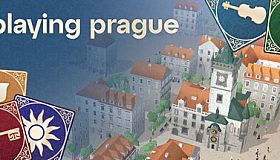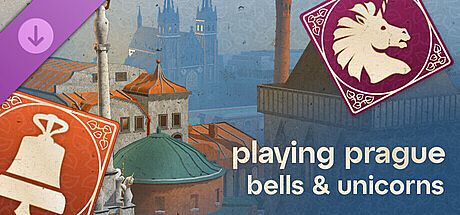



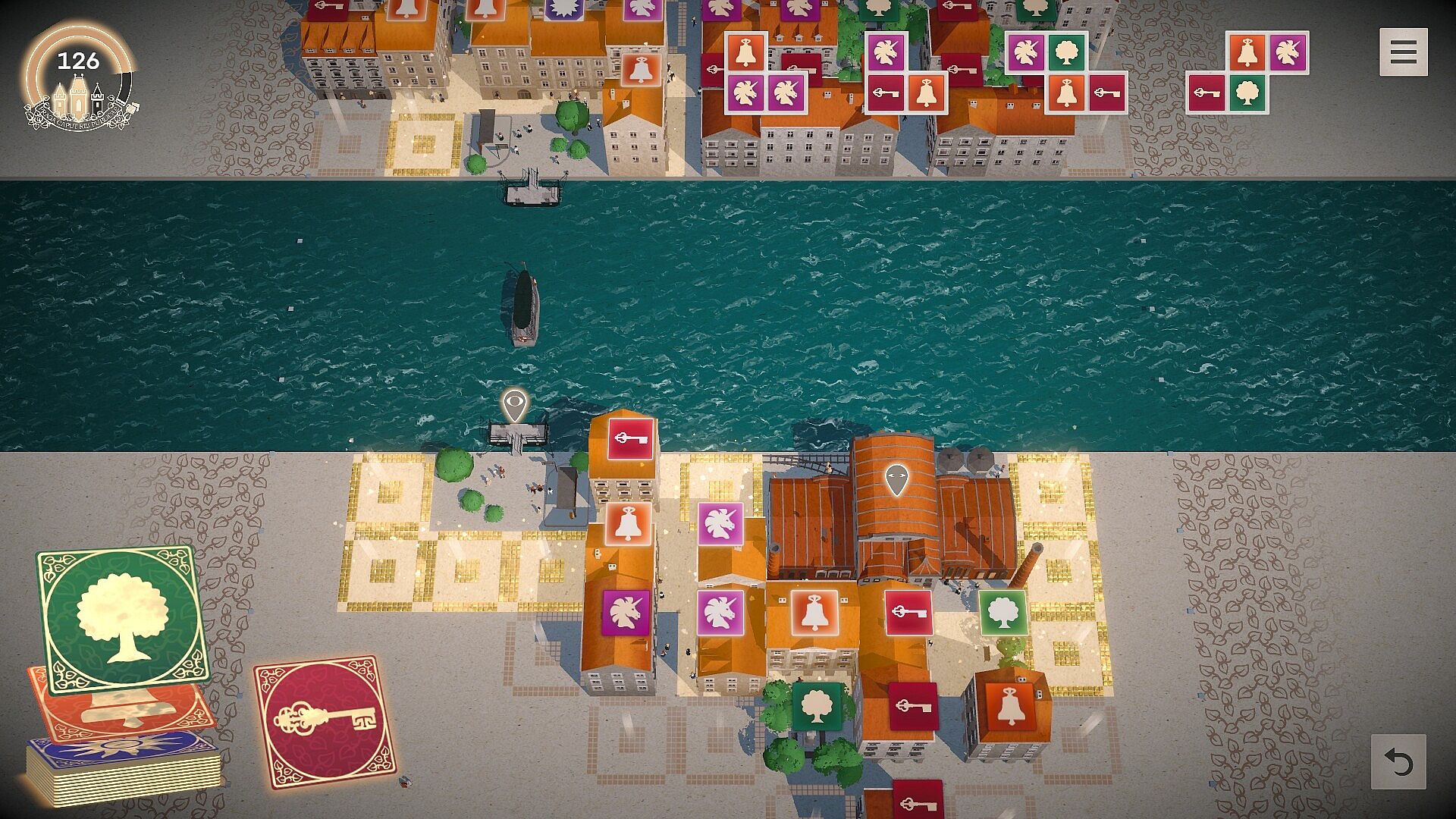
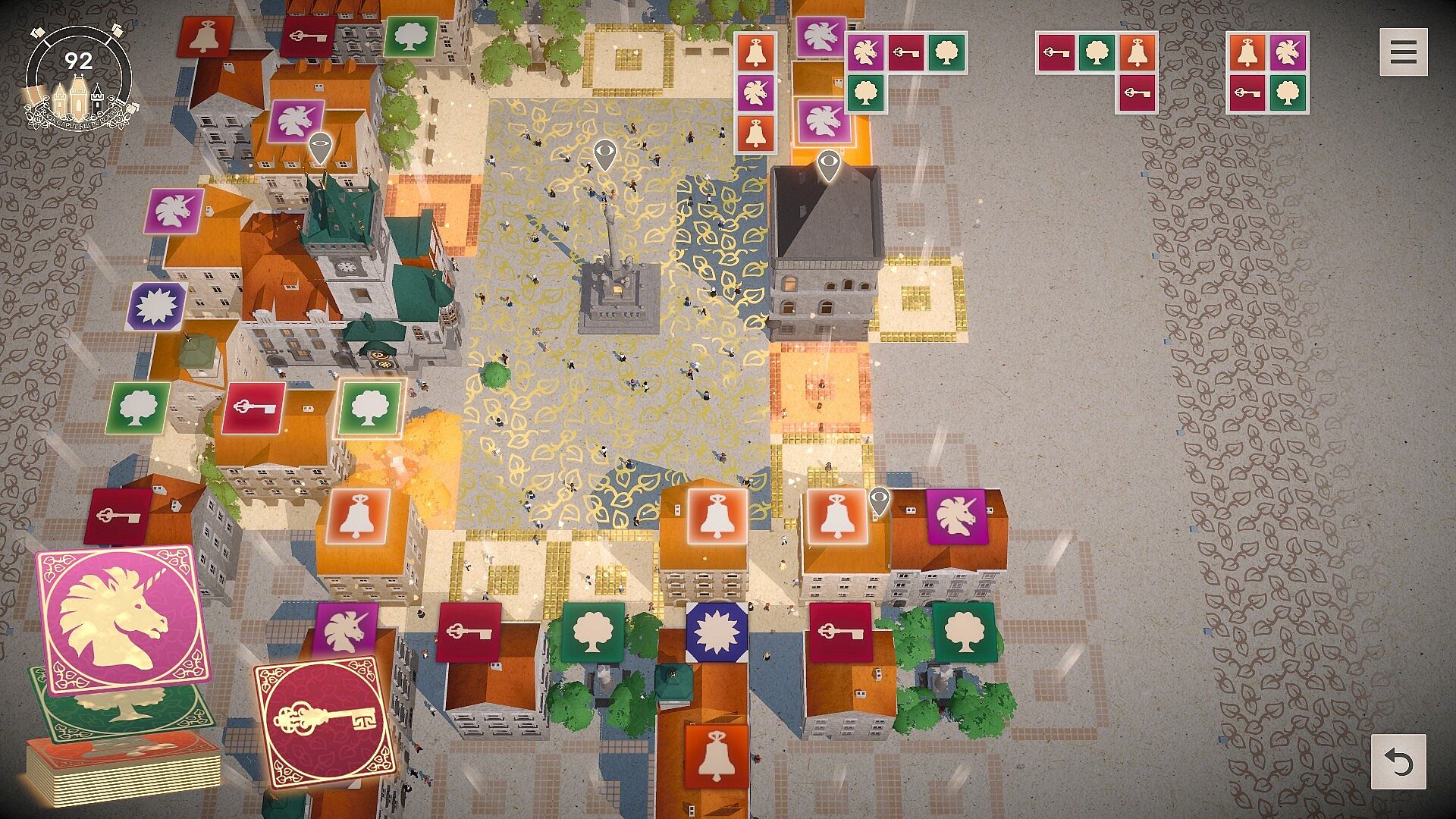
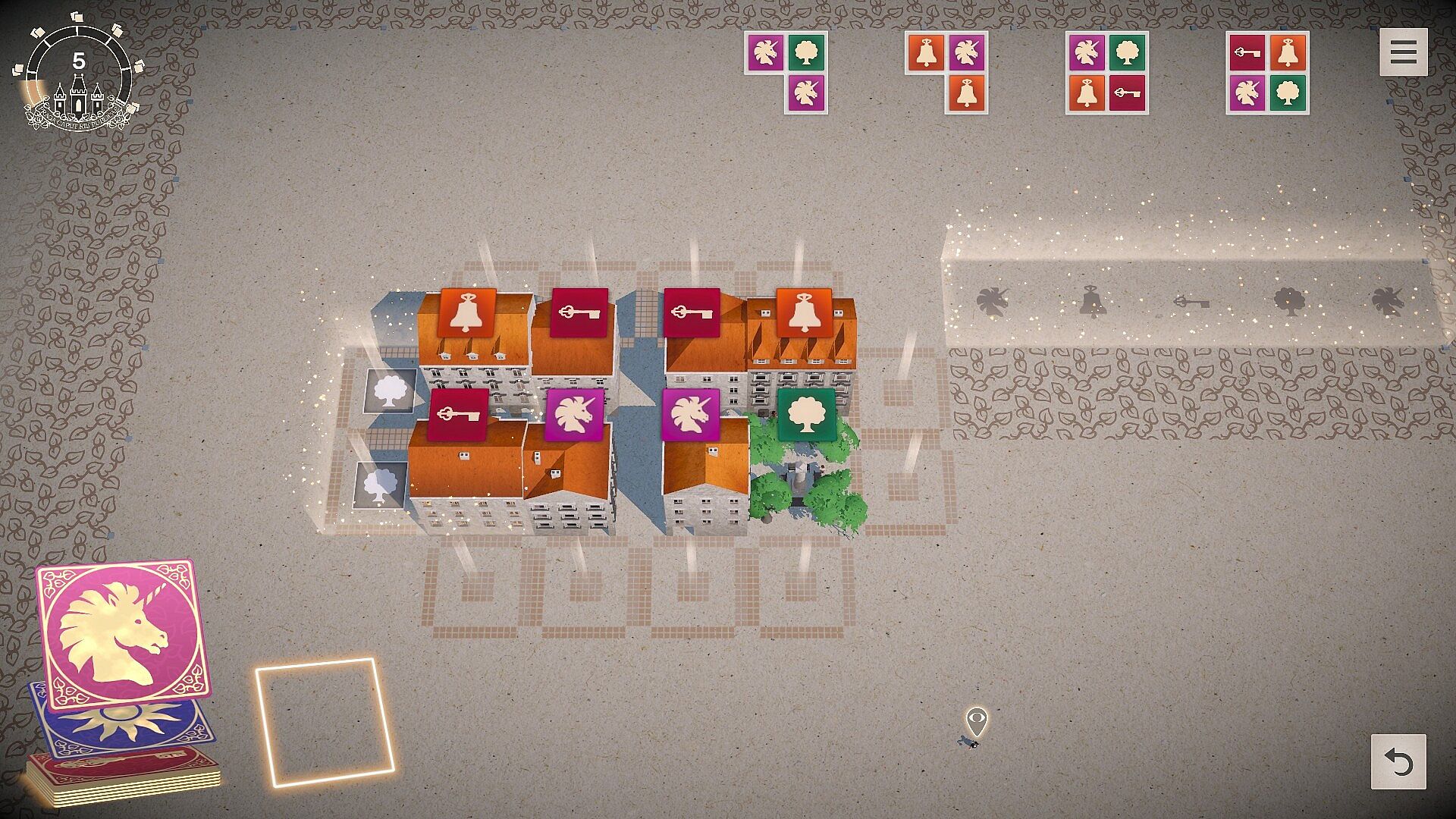
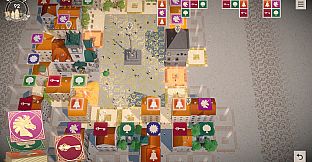
Playing Prague: Bells & Unicorns è un puzzle strategico rilassato disponibile su PC. I giocatori combinano carte con i simboli delle storiche case di Praga per costruire e ampliare un panorama urbano ricco di veri monumenti. L'esperienza unisce il riconoscimento di pattern a una leggera progressione di city-building, distribuita su livelli realizzati artigianalmente.
Gameplay
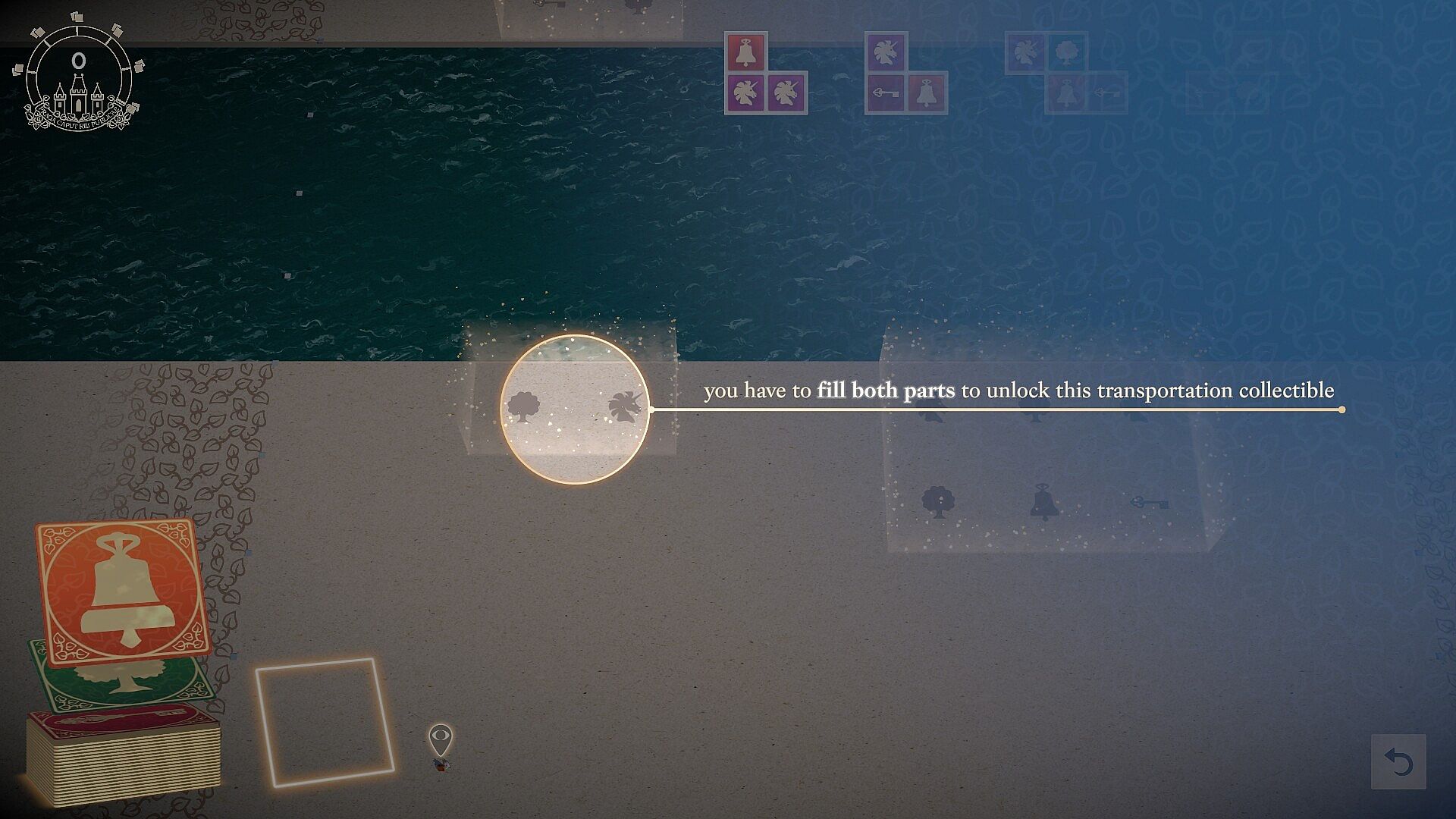
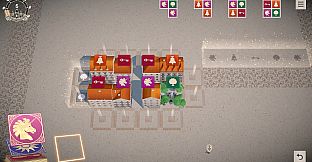
Il ciclo di gioco si basa sulla composizione logica di pattern. Ogni livello propone una griglia o una disposizione in cui posizionare le carte per allineare i simboli corrispondenti del sistema delle antiche case praghesi. Le combinazioni riuscite fanno crescere il modello della città, rivelando gradualmente nuovi edifici e dettagli. Ogni fase introduce varianti di regole o vincoli che richiedono strategie diverse. L'aggiunta di nuovi simboli delle case amplia il mazzo di carte, aprendo combinazioni e soluzioni inedite. Figure storiche si integrano nella progressione come elementi collezionabili o tematici legati a specifici monumenti.
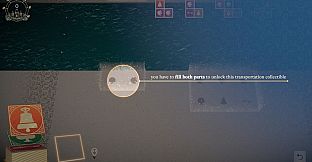
La progressione è pensata per essere graduale. I giocatori affrontano i livelli in sequenza e ogni completamento sblocca nuovi contenuti. Il sistema premia l'osservazione attenta dei pattern, lasciando spazio per sperimentare diverse disposizioni. La crescita della città offre un riscontro visivo immediato, trasformando le combinazioni astratte in espansioni concrete dello skyline di Praga.
Modalità di gioco
Il gioco si sviluppa attraverso una serie di livelli single-player. Ogni livello è una sfida autonoma con layout e obiettivi propri. I nuovi livelli variano regole e densità dei simboli, mantenendo vivo l'interesse senza introdurre modalità competitive o multiplayer. La struttura punta su un avanzamento costante verso combinazioni sempre più complesse, senza percorsi alternativi o stili di gioco separati.
I livelli si ispirano sia al Praga medievale sia a quello moderno. Il completamento di una fase alimenta direttamente la successiva, dando continuità allo sviluppo urbano per tutta l'esperienza.
Livelli e monumenti
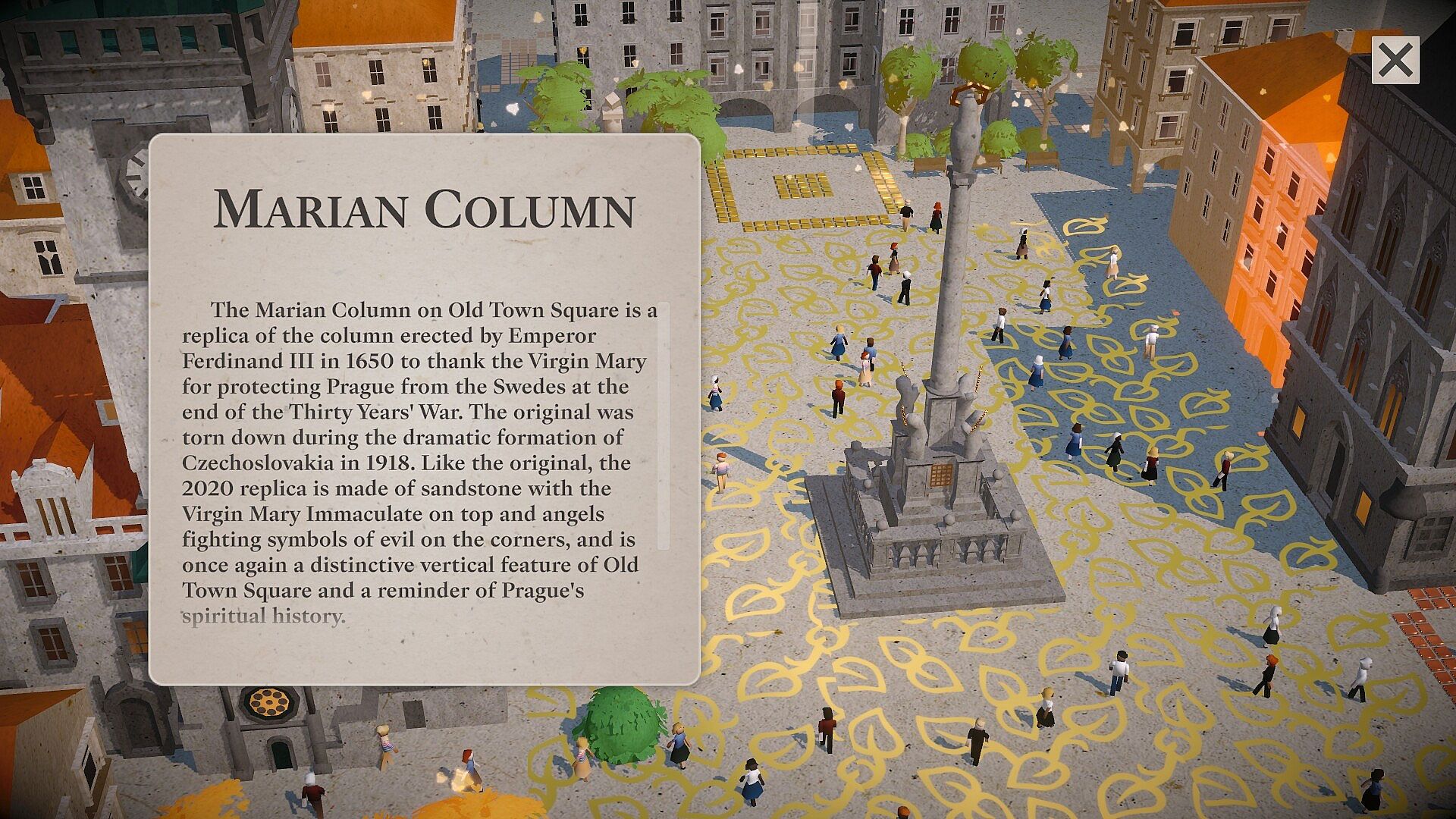
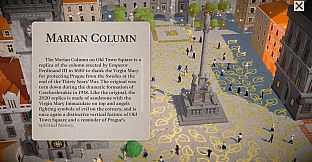
Questo contenuto aggiuntivo introduce cinque nuovi livelli. Tra gli esempi principali figurano la Piazza della Città Vecchia e la Fortezza di Vyšehrad, ciascuno con ambientazioni e configurazioni di puzzle distinte. Dieci nuovi monumenti compaiono in queste fasi, dal cimitero antico di Slavín al Planetario moderno. Una volta completate le sequenze di combinazioni, questi elementi si integrano nelle visual del city-building.
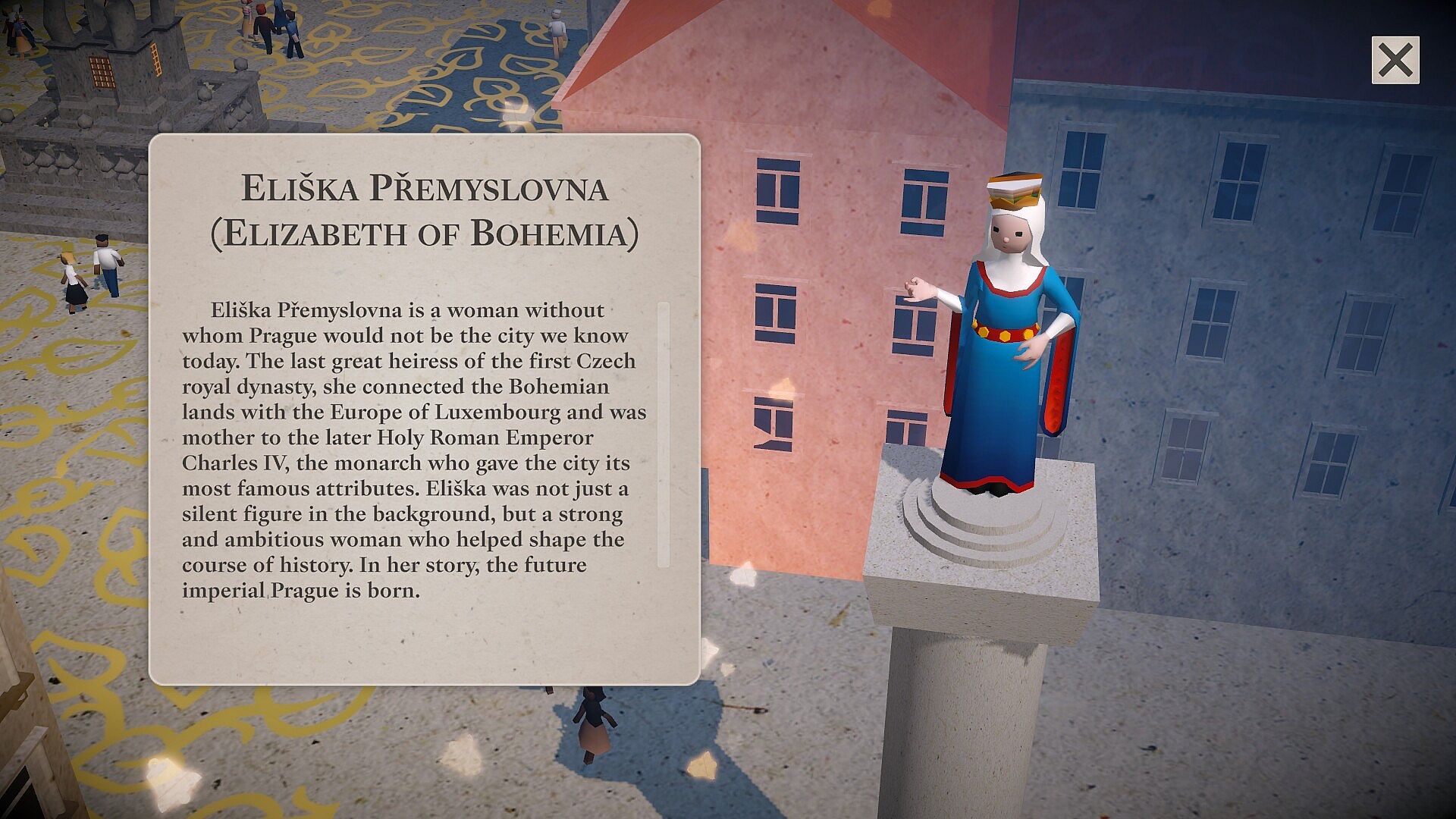
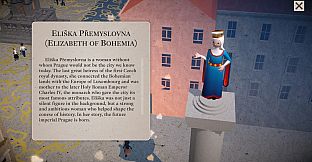
Si aggiungono sei nuove figure storiche. Tra gli esempi, l'ex regina di Boemia e la diva dell'opera Emmy Destinn. La loro presenza è legata alla progressione tematica e compare accanto ai monumenti a cui sono storicamente connessi. Nuovi simboli delle case e meccaniche di puzzle specializzate accompagnano le nuove fasi, ampliando le possibilità di combinazione.
Vale la pena giocarci?
Il gioco è adatto a chi cerca un puzzle rilassato unito a decisioni strategiche leggere. Il modello free-to-play permette di accedere a tutte le meccaniche base di combinazione senza alcun costo iniziale. L'unione di visual city-building e posizionamento logico delle carte si adatta sia a sessioni brevi sia a tentativi più riflessivi. Le aggiunte recenti aumentano il numero di livelli e introducono sfide più varie, prolungando il divertimento per chi ha già provato l'esperienza base.
Le recensioni ne sottolineano l'accessibilità per i nuovi giocatori e la profondità per gli appassionati di puzzle più esperti. Il legame con l'architettura e la storia reale di Praga crea un tema coerente che tiene insieme le meccaniche. Chi cerca sessioni brevi e soddisfacenti o una graduale espansione urbana troverà il formato gratificante, soprattutto se apprezza livelli realizzati a mano rispetto alla generazione procedurale.