


Path of Destruction è uno sparatutto cooperativo per PC che fonde l'approccio indie con un'esperienza immediata e mirata. La modalità Campagna P.O.D rappresenta il suo principale contenuto aggiuntivo: i giocatori vengono immersi in una serie di run strutturate attraverso ambienti sempre più ostili, dove la sopravvivenza dipende dal coordinamento del team.
Gameplay
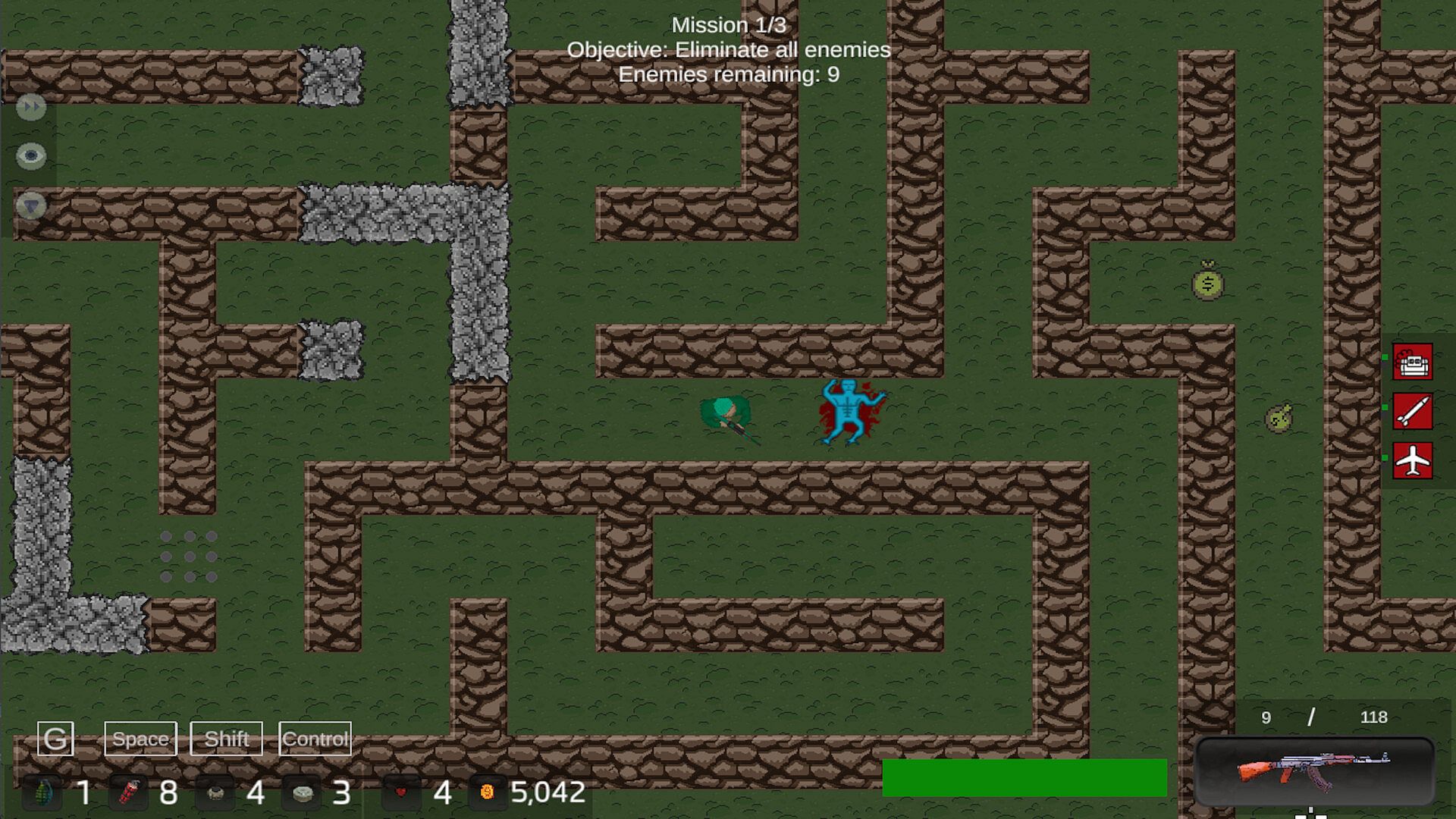
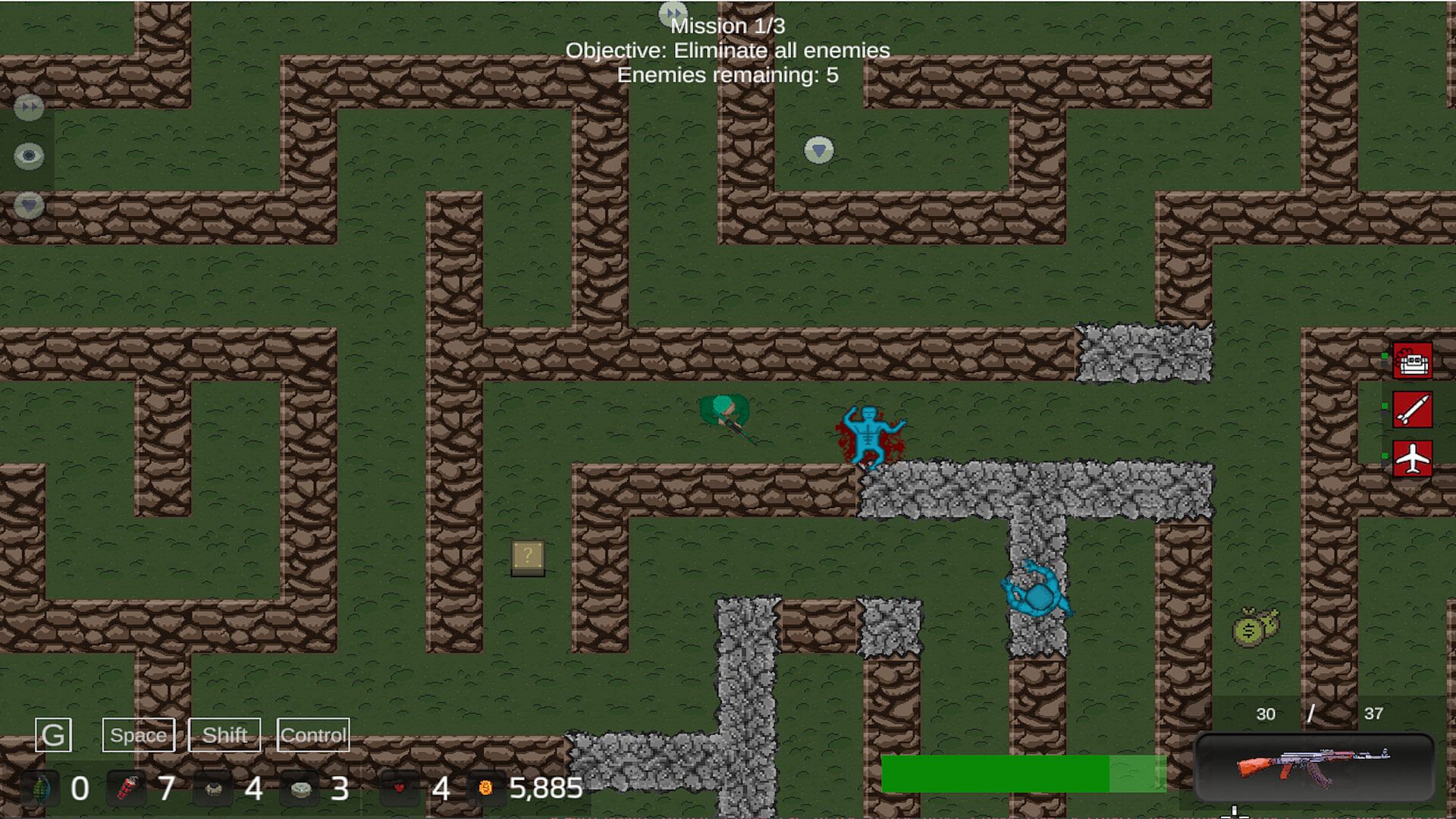
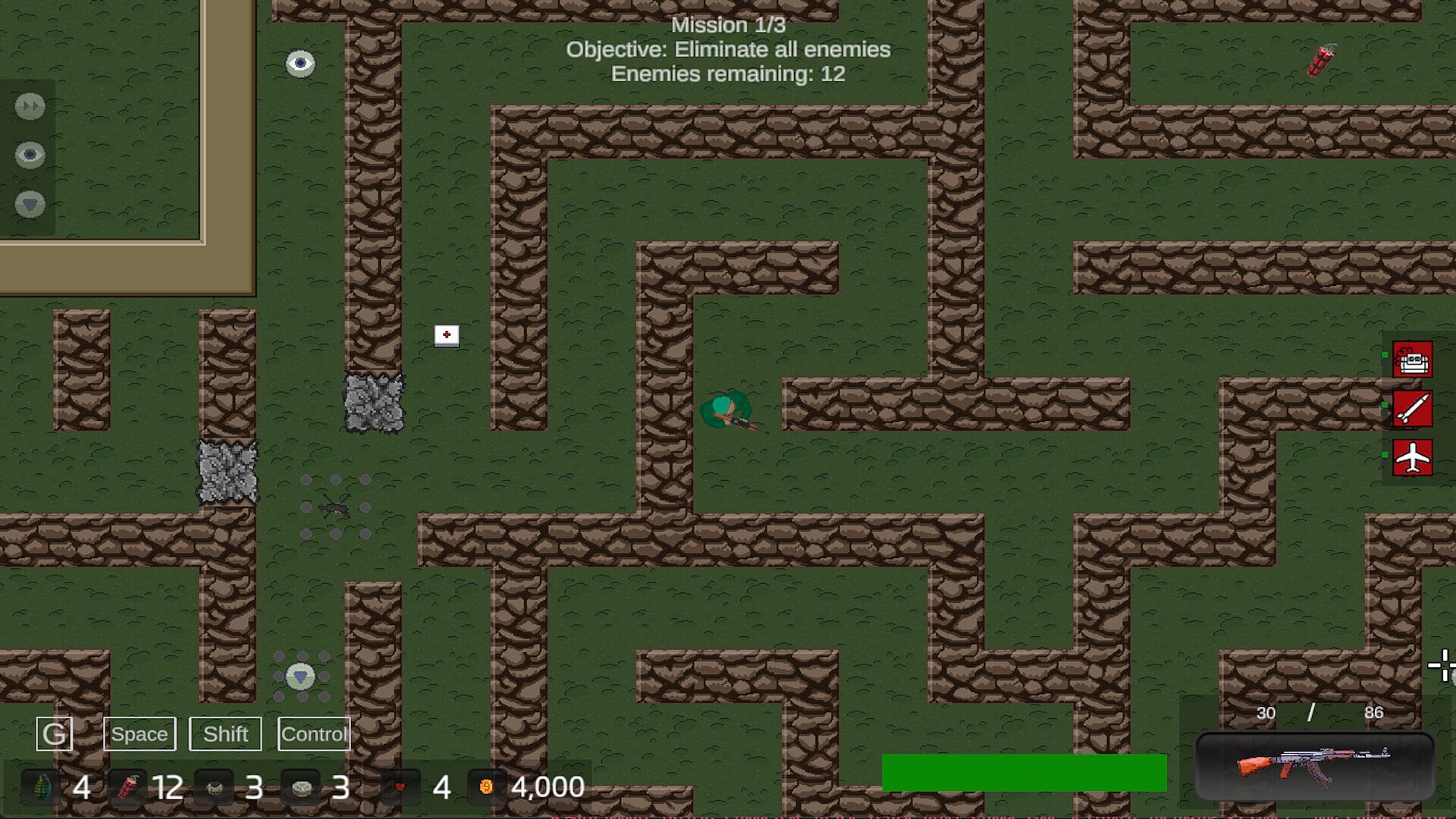
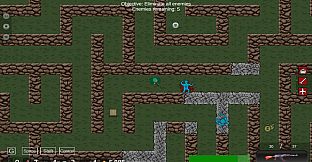
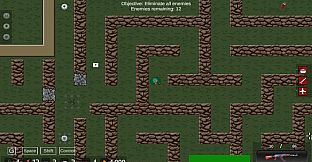
Il ciclo di gioco si basa sul progredire attraverso corridoi collegati e aree aperte, eliminando minacce e gestendo risorse limitate. Ogni stage inizia in una base condivisa sul lato sinistro della mappa e richiede di eliminare tutti i nemici prima di raggiungere la base opposta per avanzare. L'ambiente stesso contribuisce alla sfida con pericoli interattivi come barili esplosivi e trappole a punte che possono trasformare uno scontro in una manovra ad alto rischio.
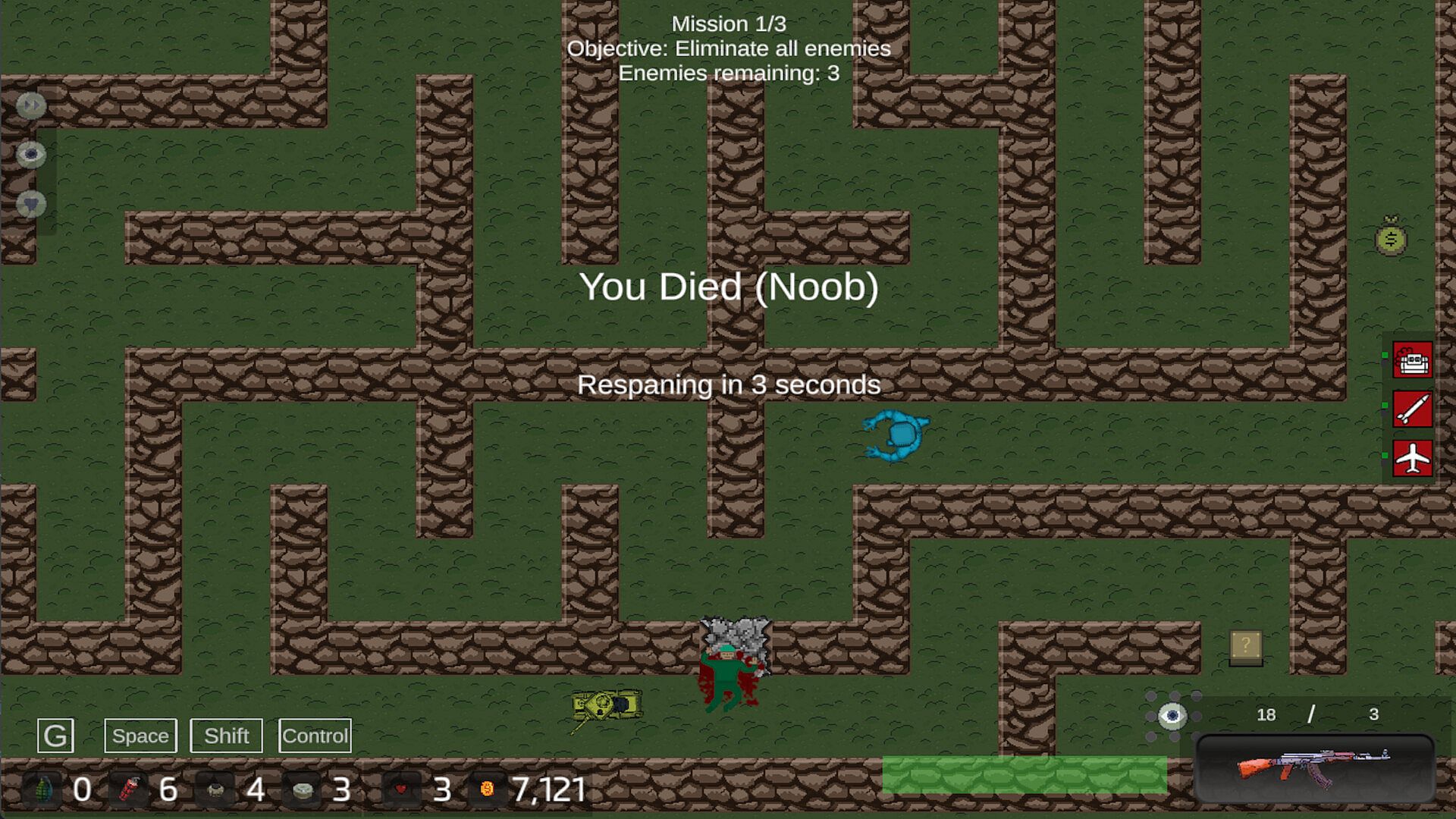
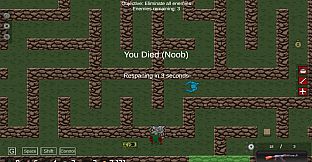
La varietà di nemici rende ogni incontro diverso. Alieni blu in sciame premono sulle posizioni ravvicinate, carri armati in movimento richiedono fuoco prolungato e torrette fisse controllano linee di tiro chiave. Questi elementi si combinano in configurazioni miste, rendendo ogni percorso unico. Ogni stage offre quattro vite; i giocatori abbattuti rispuntano alla base per ricongiungersi al gruppo. Il fuoco amico è sempre attivo e impone un posizionamento preciso durante gli scontri più intensi.
Gli equipaggiamenti iniziali includono un AK-47 e un M249, ciascuno con tre caricatori di riserva, più un budget iniziale di quattromila dollari. Abilità speciali come una bomba telecomandata, un attacco missilistico e un bombardamento aereo permettono di ripulire gruppi numerosi o sbloccare situazioni di stallo. Prima di ogni nuovo stage si apre un negozio dove la squadra può rifornirsi di munizioni, acquistare equipaggiamento aggiuntivo e adattare i loadout in base alle minacce imminenti.
Modalità di gioco
La modalità Campagna P.O.D è l'esperienza principale. Comprende tre stage calibrati manualmente che diventano più ampi e pericolosi man mano che si avanza. Il primo introduce le meccaniche base in spazi ristretti, mentre i successivi ampliano i corridoi e aumentano la densità nemica. Completare una run richiede di superare tutti e tre gli stage senza essere eliminati nell'ultimo, altrimenti l'intero tentativo si azzera.
Le impostazioni di difficoltà Normale e Difficile modificano numero e comportamento dei nemici. La dimensione della squadra scala l'opposizione di conseguenza, mantenendo la pressione sia per un singolo giocatore sia per un gruppo di quattro. La modalità è esclusivamente cooperativa e ogni partecipante deve possedere il contenuto per unirsi alla sessione.
Sistemi cooperativi
Il coordinamento è alla base del successo. L'intera squadra spawna insieme e condivide gli accessi alla base, favorendo il movimento collettivo attraverso layout labirintici. La gestione delle risorse va oltre le armi individuali e include decisioni condivise su quando usare le abilità speciali o ritirarsi per riorganizzarsi. La progressione crescente degli stage premia le squadre che comunicano posizionamento e assegnazione delle coperture, soprattutto quando trappole e tipi di nemici misti si presentano in numero maggiore.
Il sistema di respawn è legato alle posizioni delle basi, trasformando ogni morte in un contrattempo temporaneo anziché in un riavvio completo. Questa struttura supporta tentativi ripetuti, pur penalizzando il gioco distratto attraverso la condizione di fallimento della run nell'ultimo stage.
Vale la pena giocarci?
Path of Destruction con la modalità Campagna P.O.D è adatto a chi preferisce sessioni cooperative compatte e ad alta tensione rispetto a un avanzamento aperto. La struttura a tre stage offre una run completa in un'unica seduta, con un'escalation chiara che mette alla prova sia la mira individuale sia le tattiche di gruppo. La progressione dell'equipaggiamento tramite il negozio aggiunge scelte significative senza appesantire l'esperienza, e la combinazione di nemici e pericoli rende ogni tentativo diverso.
Chi apprezza gli sparatutto con fuoco amico e vite limitate troverà una tensione costante sia in difficoltà Normale sia in Difficile. La modalità si adatta bene sia al gioco in solitaria sia a gruppi più numerosi, anche se il coordinamento diventa essenziale all'aumentare del numero di nemici. Poiché la campagna richiede il gioco base e la proprietà condivisa del contenuto, è ideale per gruppi cooperativi consolidati in cerca di una sfida mirata piuttosto che per matchmaking occasionale.
Nel complesso, l'esperienza offre un ciclo serrato di preparazione, esecuzione e adattamento che premia le run ripetute grazie ai layout calibrati manualmente e ai sistemi di gestione delle risorse.