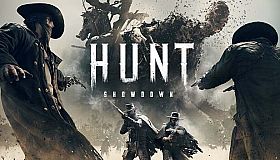






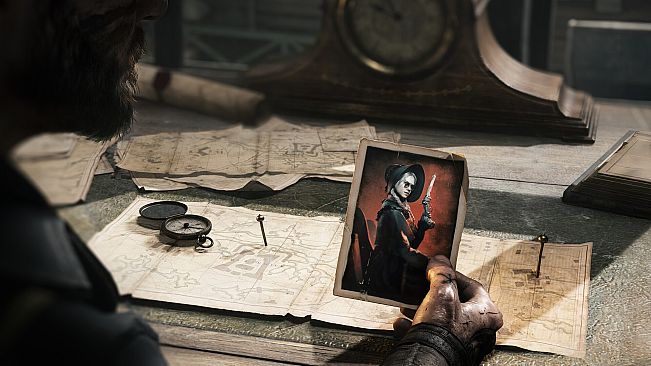





Hunt: Showdown 1896 stands as a competitive first-person extraction shooter where players enter corrupted frontier landscapes as hunters. They pursue supernatural targets while contending with rival teams in matches that blend PvE monster encounters with direct PvP confrontations. The core experience revolves around gathering information, eliminating bosses, securing bounties, and reaching extraction points before others intervene, with every death resulting in the permanent loss of equipped gear.
Gameplay
Matches begin with hunters spawning into large maps featuring compounds, swamps, and mountainous terrain. Sound plays a decisive role, as footsteps, gunshots, and environmental cues reveal positions long before visual contact occurs. Players track clues to locate boss targets, then banish them to claim tokens that mark their location for everyone else on the map. Combat emphasizes deliberate aiming and positioning over rapid fire, with weapons featuring distinct handling, recoil patterns, and ammunition options that alter damage, velocity, and effects.
Loadouts draw from a point-based inventory system that replaced earlier size categories, allowing flexible combinations of firearms, tools, and consumables. Traits modify hunter capabilities, such as improved health restoration or specialized looting, while recent adjustments have refined ammo scarcity, burning mechanics for downed enemies, and information flow by hiding certain map elements until clues are investigated. A dynamic Blood Moon condition can shift during missions, increasing monster aggression in one phase and reducing visibility in another. New targets like Bloodskin introduce additional challenges, dropping traits and altering nearby enemy behavior when banished.
Health management requires careful use of items and environmental interactions, with bodies that can be burned to prevent revival. Dark Sight highlights nearby threats and clues, supporting the tense, information-driven pace. These systems reward patience and map awareness in a setting where one mistake often ends a run.
Game Modes
Bounty Hunt serves as the primary mode. Teams of one to three search expansive maps for clues, confront AI monsters, banish bosses, and extract with tokens while fending off other hunters. Up to twelve players participate per match, creating layered threats from both supernatural and human sources.
Bounty Clash condenses the experience into a single compound where the boss starts already defeated. The focus shifts toward immediate PvP as players compete to banish and extract under tighter constraints and higher encounter rates.
Soul Survivor restricts play to solo hunters who begin with minimal equipment. Participants scavenge weapons and items while eliminating other solos until one remains, providing low-risk practice with varied loadouts and direct combat exposure.
The World and Atmosphere
The setting spans fog-shrouded Louisiana bayous and sun-baked Colorado ridgelines filled with twisted monsters and decaying compounds. Weather and time-of-day variations influence visibility and monster behavior, while events introduce temporary conditions like the Blood Moon that reshape mission dynamics. Hunters carry backstories tied to corruption and power struggles, adding narrative weight to encounters without altering core mechanics.
Regular content additions, including new weapons such as the Burgess shotgun and balance refinements to existing firearms, keep the roster evolving. These updates maintain tension through scarcity and risk rather than constant power creep.
Is It Worth Playing?
The game maintains an active player base with concurrent Steam counts frequently reaching the low tens of thousands during peak hours. Ongoing seasonal events and updates, such as the Blood Testament chapter that introduced Bloodskin and related systems, demonstrate continued developer support into late 2026. Reviews highlight the distinctive audio design and high-stakes extraction loop as standout elements, with many players returning after breaks due to matchmaking adjustments that ease re-entry.
This title suits those who enjoy methodical first-person shooters centered on sound cues, loadout experimentation, and the constant threat of loss. Teams that coordinate effectively and adapt to shifting conditions tend to extract successfully more often. Solo players can find satisfaction in Soul Survivor or careful Bounty Hunt runs, though the experience intensifies with partners. The combination of persistent risk, atmospheric detail, and regular mechanical tweaks gives it strong long-term appeal for fans of hardcore multiplayer extraction gameplay.