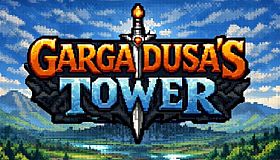


Gargadusa's Tower is a strategy RPG simulation that places players in charge of an adventurer guild in the frontier town of Hiltcrest. The core experience revolves around building and sustaining a guild across multiple generations while sending teams into a mysterious 100-floor tower filled with permanent risks. Released in early 2026 for PC, the game blends deep management systems with procedural character generation and long-term guild progression in a fantasy setting.
Gameplay
Players begin by recruiting from 41 distinct adventurer classes, each with unique stats and roles. Every recruit arrives as a procedurally generated individual complete with zodiac sun and moon signs that influence personality, ambitions, and flaws. These traits affect how heroes respond to orders, interact with teammates, and perform under pressure during expeditions.
Contract negotiations form a central loop. Guild masters set wages, performance bonuses, loyalty incentives, and other clauses that carry real consequences for morale and retention. Over time, adventurers train, unlock traits through milestones, and may retire or evolve into advanced classes via personal trials tied to their ambitions. The simulation tracks relationships, chemistry between party members, and broader guild factors such as reputation and economy.
Guild headquarters expands through a building system with dozens of structures across multiple categories and upgrade tiers. Construction crews and foremen handle physical growth from basic camps into larger facilities. Rival guilds operate in parallel with their own leaders and ambitions, creating diplomatic and competitive ripples. Faction ties in Hiltcrest add layers of story through ongoing relationships with named contacts and covert operations.
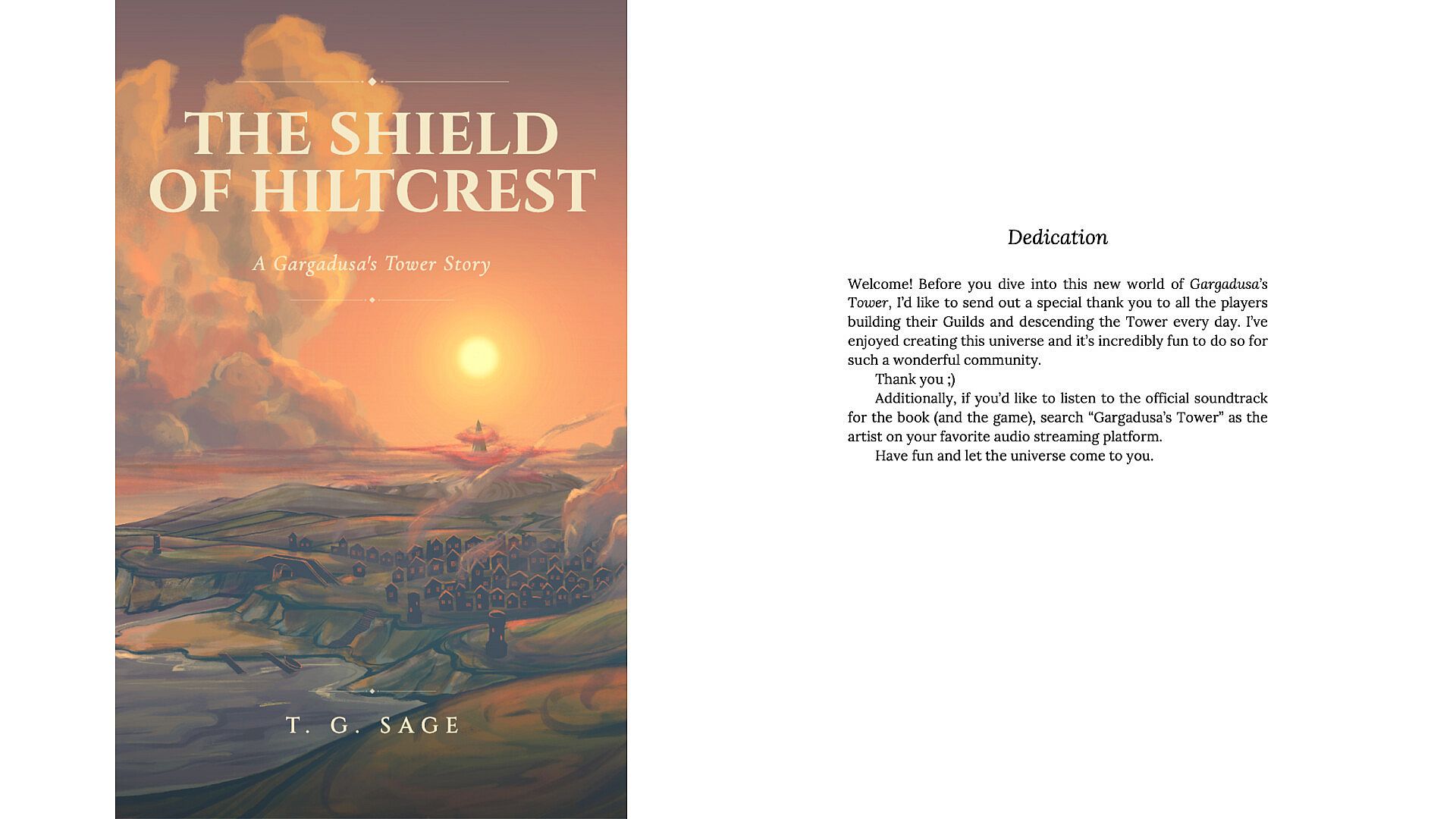
The optional companion novel The Shield of Hiltcrest integrates directly into the game. This 131-page story follows characters connected to the town and its tower, accessible via an in-game button or local files. It provides narrative depth without altering mechanics, items, or progression.
Game Modes
The experience centers on a single-player guild management simulation. Core activities include scouting and signing adventurers, assigning them to quests for resources and experience, and launching raids that offer higher rewards at greater risk. Tower runs involve sending parties floor by floor, where permanent death removes heroes permanently and forces roster adjustments across generations.
Players balance short-term survival with long-term planning. Contract renewals, staff management, and resource allocation run alongside tower exploration. Faction missions and rival interactions add variety within the same overarching structure. No separate competitive or co-operative modes exist as primary features; the focus remains on iterative guild building and decision-making that spans decades in-game.
Story and World
Hiltcrest sits in the shadow of an awakened tower that releases monsters into the surrounding lands. The Crown authorizes independent guilds to respond, creating a competitive environment where most ventures fail. Procedural elements ensure each playthrough features different heroes, party dynamics, and outcomes shaped by zodiac-driven personalities and player choices.
Weather, politics, and economic systems interact continuously. A single poor decision on a deep floor can affect recruitment pools and guild standing for years. The setting emphasizes the human cost of repeated expeditions, with veterans retiring and new recruits arriving to fill gaps.
Is It Worth Playing?
Gargadusa's Tower suits players who enjoy detailed management simulations and text-heavy strategy experiences. Its systems reward careful attention to contracts, party composition, and generational planning over flashy action. Ongoing patches have introduced refinements to negotiations, building mechanics, ambition systems, and quality-of-life features since launch.
Reception highlights the depth for fans of procedural characters and long-term consequences, though the interface and presentation lean toward functional rather than visual spectacle. The game runs on PC with Steam Deck compatibility noted as playable. Those seeking a focused single-player simulation with high replayability through varied adventurer stories and guild trajectories will find substantial content here. The optional novel extends time in the world for interested players without requiring purchase of additional gameplay elements.