











Crusader Kings III: Chapter V è un pass espansione per il grand strategy simulation Crusader Kings III su PC. Introduce sistemi stratificati incentrati sulle reti commerciali e sulle strutture religiose in un contesto medievale, ampliando le possibilità di gestione dinastica grazie a nuove forme di governo e interazioni economiche.
Gameplay
Il ciclo di gioco ruota attorno alla guida di una stirpe attraverso le generazioni, bilanciando politica interna, minacce esterne e scelte personali dei personaggi. Chapter V aggiunge ulteriore profondità a questo sistema, ponendo l'accento sulle attività mercantili e sui meccanismi legati alla fede. I giocatori gestiscono rotte commerciali che collegano regioni lontane, consentendo alle famiglie mercantili di influenzare le economie attraverso lo scambio di merci e la creazione di hub commerciali. Gli elementi religiosi ricevono un'attenzione particolare, soprattutto per i personaggi cristiani, con l'aggiunta di riti interni e organizzazioni ecclesiastiche strutturate che incidono su lealtà, successione e stabilità regionale.
Le nuove tipologie di governo aprono percorsi distinti per il potere. Le repubbliche mercantili permettono di controllare dimore familiari e attività commerciali, spostando le priorità verso l'accumulazione di ricchezza e l'espansione delle reti anziché verso gli obblighi feudali tradizionali. Il governo religioso introduce le teocrazie, in cui l'autorità spirituale orienta le decisioni su dottrina e influenza. Queste novità si integrano con la progressione dei personaggi già presente, dove tratti, abilità e relazioni determinano gli esiti a lungo termine sia nel commercio sia nella sfera della fede.
Modalità di gioco
Crusader Kings III: Chapter V supporta sessioni in singolo giocatore incentrate sulla continuità dinastica e sulla simulazione del mondo. L'esperienza base prevede di iniziare con un sovrano o una famiglia e guidare gli eventi attraverso più generazioni, integrando i nuovi livelli commerciali e religiosi per scelte strategiche più articolate. Gli elementi PvP online permettono interazioni competitive in mondi condivisi, dove i giocatori possono allearsi, rivaleggiare o affrontarsi direttamente sfruttando i sistemi ampliati di mercanti e fede.
I contenuti espansivi aggiungono stili di gioco specializzati senza modificare la struttura fondamentale. Le campagne incentrate sul commercio enfatizzano il dominio economico e il controllo delle rotte, mentre i percorsi religiosi mettono in risalto lo sviluppo dottrinale e il potere ecclesiastico. Questi elementi si integrano senza soluzione di continuità nelle partite in corso, offrendo nuovi obiettivi legati a commercio e sistemi di credenze.
Principali aggiunte delle espansioni
Silk and Silver, l'espansione principale, si concentra sul commercio medievale e sulle famiglie mercantili giocabili che finanziano o governano imperi. Introduce meccaniche per il commercio di merci sulla mappa, con effetti duraturi sui territori collegati attraverso l'influenza commerciale. By God Alone, l'espansione centrale, approfondisce la vita religiosa con particolare attenzione alle gerarchie e ai riti cristiani, permettendo un coinvolgimento più profondo della fede come strumento di governo e sviluppo dei personaggi.
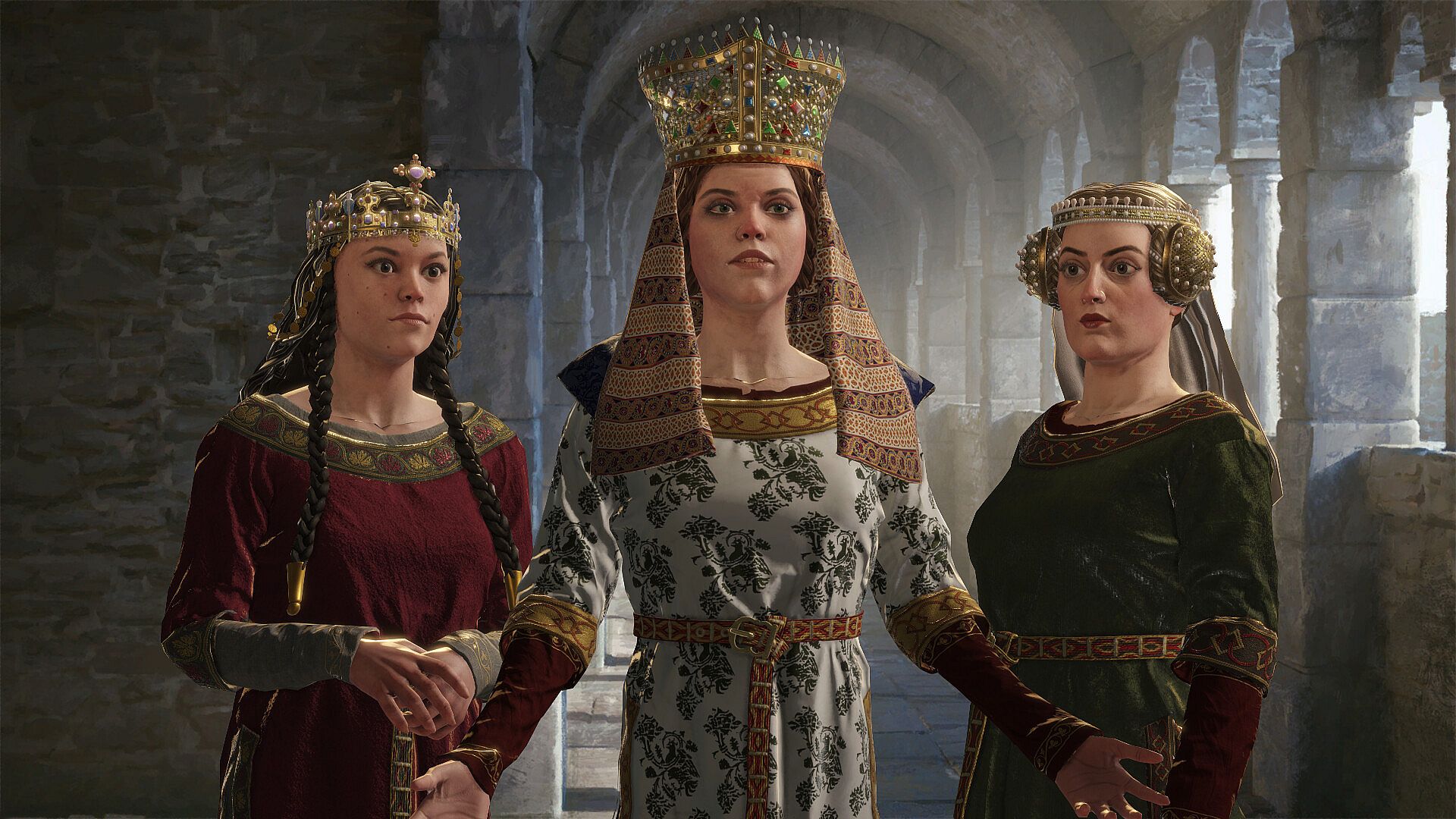
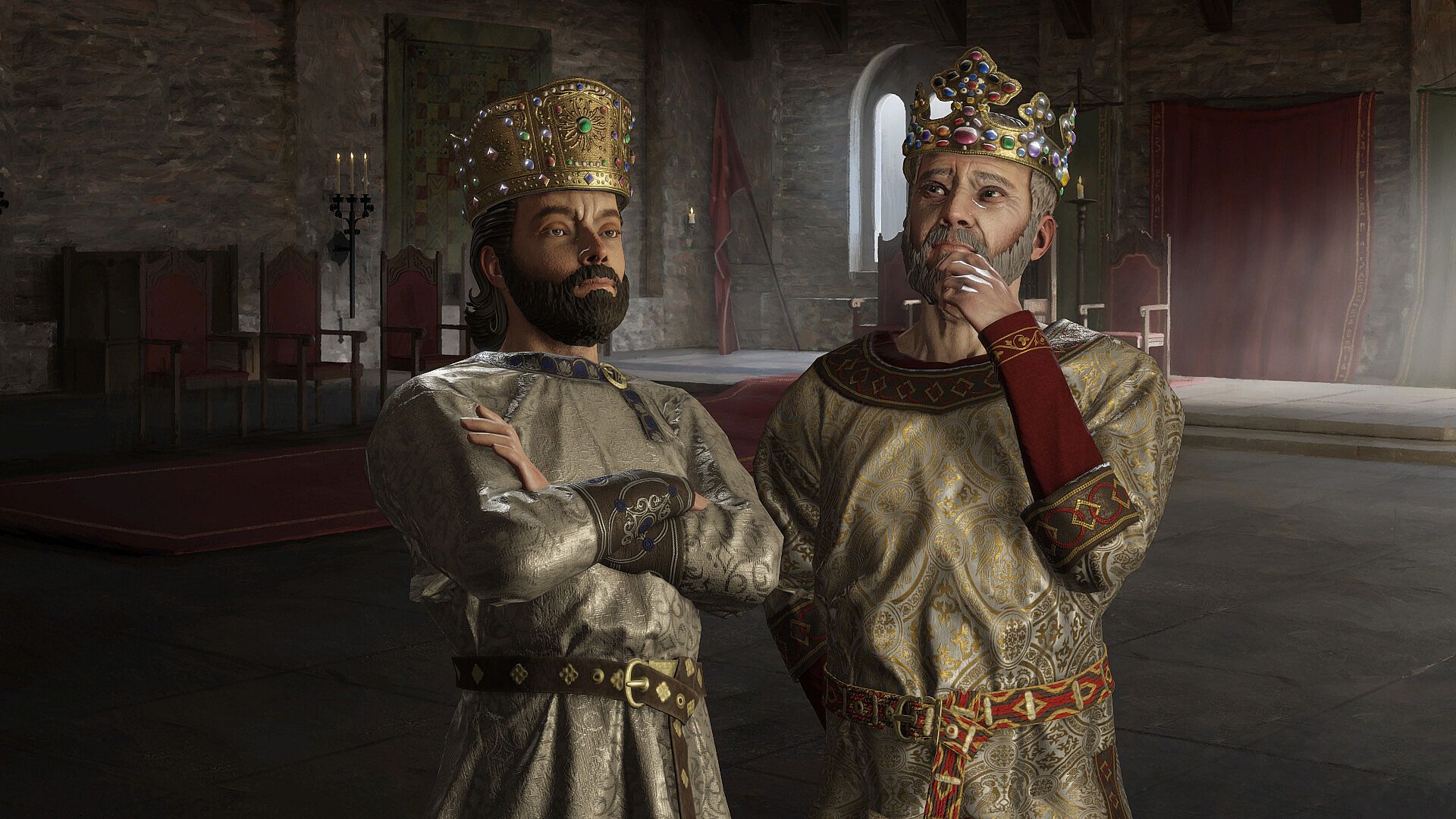
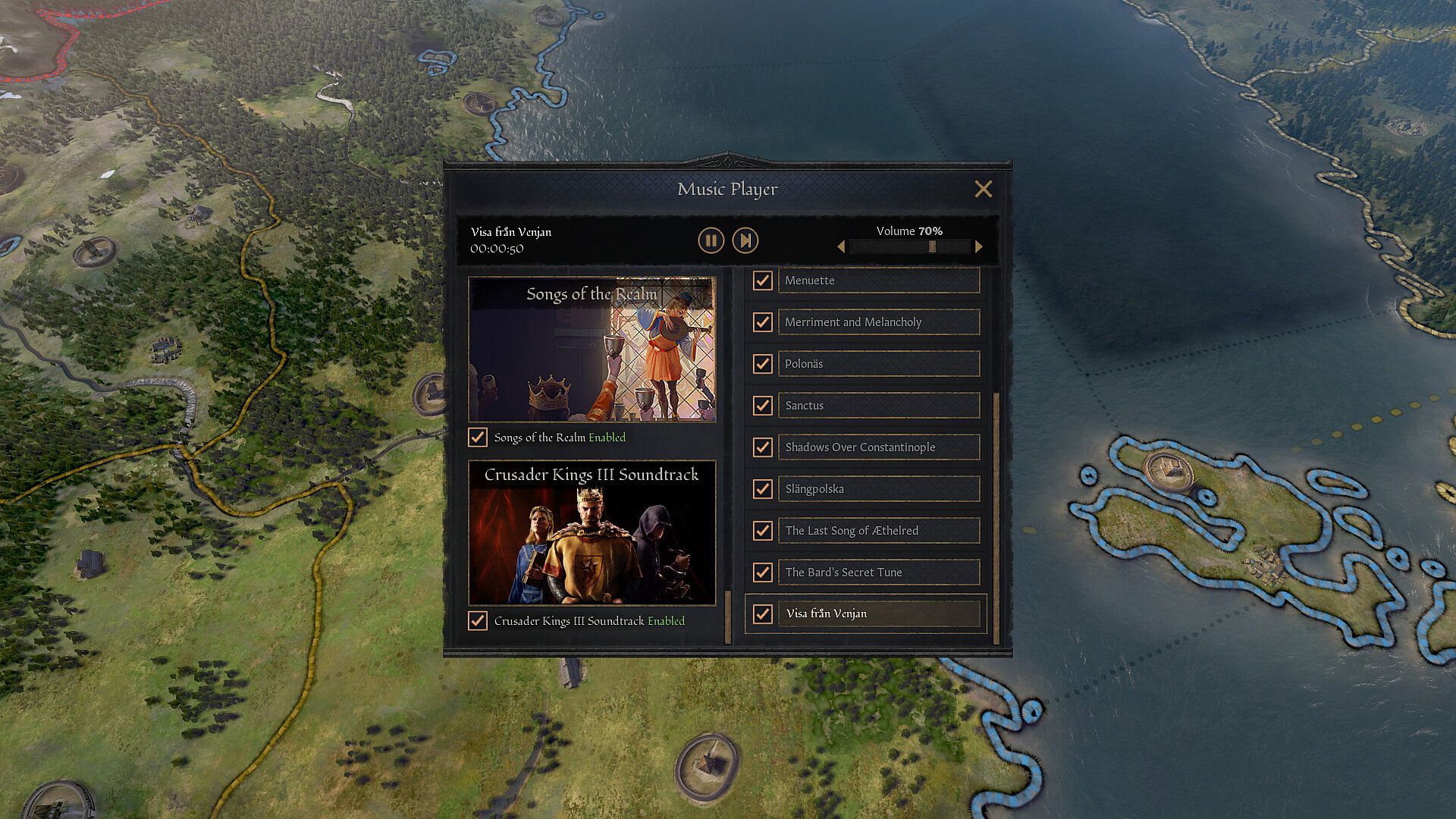
Tra i contenuti sbloccabili subito figurano un music pack e un cosmetic clothing pack con nuove opzioni di copricapo per i personaggi europei. Questi elementi arricchiscono l'immersione durante le sessioni prolungate senza modificare le regole di base.
Stato attuale e supporto
Rilasciato nell'aprile 2026, il pass espansione distribuisce i contenuti in modo progressivo, con l'espansione principale prevista per la seconda metà dell'anno. I possessori ottengono accesso all'intero set di aggiunte man mano che diventano disponibili, ampliando l'esperienza base di Crusader Kings III. Il titolo continua a ricevere aggiornamenti da Paradox, focalizzati sul raffinamento delle nuove funzionalità commerciali e religiose.
Vale la pena giocarci?
Crusader Kings III: Chapter V si rivolge ai giocatori che apprezzano il grand strategy guidato dai personaggi e ricco di simulazione. Le aggiunte al commercio e alla religione aprono percorsi più vari per il successo dinastico, soprattutto per chi è interessato alle reti economiche o ai meccanismi della fede. Le recensioni degli utenti su Steam valutano il pass espansione Very Positive, con un 92 percento di approvazione. È indicato per i fan più dediti della serie che cercano opzioni di governo ampliate e sistemi più stratificati, ma richiede il possesso del gioco base per accedere ai contenuti. Chi preferisce un'esperienza feudale più lineare può considerare i nuovi elementi come arricchimenti opzionali piuttosto che cambiamenti essenziali.